U.S. Officials Push New Era of Tech and Trade Cooperation in New Delhi

U.S.-India Partnership Gains Momentum with Focus on Technology and Trade
The growing relationship between the United States and India received a fresh boost following high-level discussions in New Delhi between U.S. Under Secretary Sarah B. Rogers and Ambassador Sergio Gor. The meeting centered on expanding cooperation in advanced technology, innovation, investment, and commercial opportunities, reflecting the increasing importance of the U.S.-India partnership in a rapidly evolving global economy.
Strengthening Strategic Collaboration
As two of the world's leading democracies, India and the United States continue to explore new ways to work together in areas that influence economic growth and national security. The discussions in New Delhi highlighted a shared vision of building resilient supply chains, encouraging innovation, and creating opportunities for businesses on both sides.
Officials emphasized that stronger cooperation in critical technologies can help both nations remain competitive while addressing emerging global challenges. The talks also underscored the importance of maintaining open channels of communication between government agencies and private-sector stakeholders.
Technology at the Center of Discussions
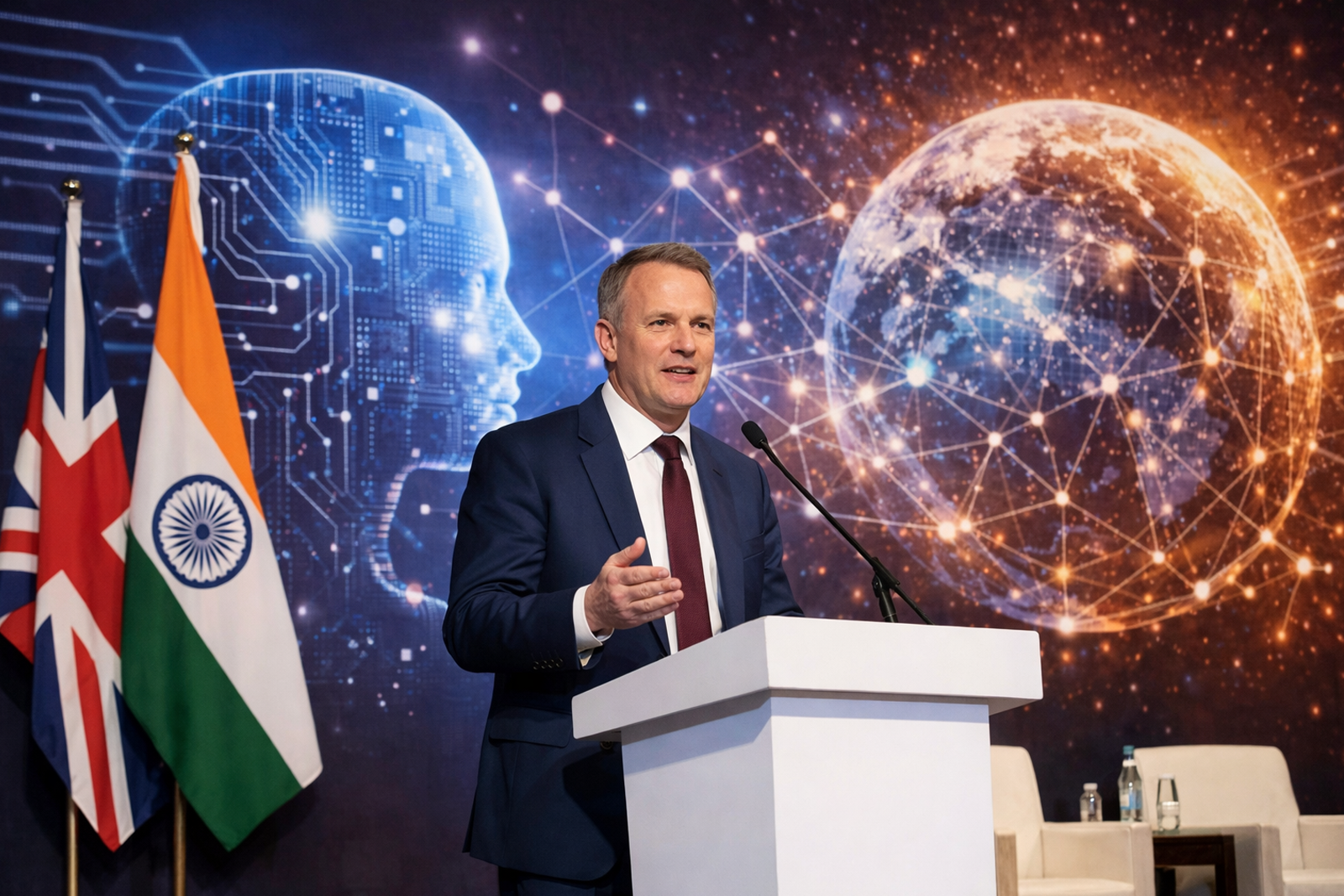
Advanced technology emerged as a key focus area during the meeting. Artificial intelligence, semiconductor manufacturing, cybersecurity, telecommunications, and digital infrastructure are increasingly shaping international partnerships.
Both countries recognize that collaboration in these sectors can generate long-term benefits, including job creation, research opportunities, and greater technological self-reliance. By encouraging knowledge exchange and investment, India and the United States aim to accelerate innovation and support the growth of high-value industries.
Expanding Commercial Opportunities
Trade and investment were also major topics of discussion. The United States remains one of India's most significant economic partners, while India continues to attract global investors seeking access to one of the world's fastest-growing markets.
Efforts to simplify business engagement, encourage cross-border investments, and support emerging industries are expected to create new opportunities for companies operating in both countries. Enhanced commercial cooperation could further strengthen economic ties and contribute to sustainable growth.
Looking Ahead
The New Delhi meeting reflects the broader trajectory of U.S.-India relations, which have expanded significantly over the past decade. As global economic and technological landscapes continue to evolve, both nations appear committed to building a partnership that extends beyond traditional diplomacy.
With technology, innovation, and commerce serving as key pillars of cooperation, the discussions signal a continued effort to transform shared interests into practical initiatives. The outcome could pave the way for deeper engagement, stronger economic links, and a more dynamic strategic relationship in the years ahead.

U.S.-India Strategic Technology and Trade Partnership Enters a New Phase
The United States and India continue to deepen one of the most significant bilateral relationships of the 21st century. Recent discussions in New Delhi involving U.S. Under Secretary Sarah B. Rogers and Ambassador Sergio Gor highlighted the growing importance of cooperation in technology, innovation, investment, and commercial development.
As global economies become increasingly interconnected and technology-driven, both nations are seeking stronger partnerships that can support economic growth, strengthen supply chains, and promote innovation. The latest engagement reflects a shared determination to transform strategic dialogue into practical collaboration that benefits businesses, researchers, and citizens alike.
A Partnership Built on Shared Interests
India and the United States have steadily expanded their cooperation across multiple sectors over the past decade. What began primarily as diplomatic and trade engagement has evolved into a broader partnership encompassing technology, defense, energy, education, and digital innovation.
Several factors make this relationship increasingly important:
-
Growing trade between the two countries
-
Expanding technology cooperation
-
Shared democratic values
-
Increasing investment flows
-
Collaboration on regional and global challenges
-
Development of resilient supply chains
Both governments recognize that economic prosperity and technological leadership are closely linked. As a result, discussions increasingly focus on emerging industries that will define future growth.
Why Technology Is at the Core of the Relationship
Technology has become a central pillar of modern international partnerships. Countries that lead in innovation are often better positioned to drive economic development and maintain competitiveness in global markets.
During the discussions, attention was directed toward several critical technology sectors.
1. Artificial Intelligence
Artificial Intelligence (AI) is transforming industries worldwide. From healthcare and manufacturing to finance and education, AI-powered solutions are creating new opportunities for growth.
Areas of potential collaboration include:
-
AI research and development
-
Ethical AI frameworks
-
Workforce training
-
Smart manufacturing solutions
-
Public sector digital services
2. Semiconductor Manufacturing
Semiconductors are essential components of modern electronics. Global disruptions in chip supplies have highlighted the importance of diversified manufacturing and secure supply chains.
Potential areas of cooperation include:
-
Chip design and development
-
Manufacturing investments
-
Research partnerships
-
Workforce development programs
-
Supply chain resilience initiatives
India's ambition to become a major semiconductor hub aligns with U.S. efforts to strengthen trusted technology ecosystems.
3. Cybersecurity
As digital infrastructure expands, cybersecurity becomes increasingly critical.
Both countries face similar challenges related to:
-
Data protection
-
Cyber threats
-
Critical infrastructure security
-
Digital trust
-
Cyber resilience
Collaborative efforts can help improve security standards while protecting businesses and consumers.
Trade Relations Continue to Expand
Trade remains one of the strongest pillars of the U.S.-India relationship. Bilateral trade has grown significantly over recent years, reflecting strong demand for goods and services across both markets.
Key Trade Areas
Several sectors are driving commercial engagement:
-
Information technology services
-
Pharmaceuticals
-
Engineering goods
-
Renewable energy solutions
-
Telecommunications equipment
-
Consumer products
Businesses increasingly view India and the United States as complementary markets with substantial growth potential.
Benefits of Stronger Trade Ties
Enhanced trade cooperation can create:
-
New employment opportunities
-
Increased exports
-
Greater investment flows
-
Improved market access
-
Stronger industrial partnerships
-
Economic diversification
For companies operating internationally, a stable and predictable business environment remains a key priority.
Investment Opportunities on the Rise
Investment cooperation was another important aspect of the discussions.
American companies continue to view India as an attractive destination due to:
-
A large consumer base
-
Rapid digital transformation
-
Growing startup ecosystem
-
Expanding infrastructure projects
-
Skilled workforce availability
At the same time, Indian firms are increasingly investing in the United States, contributing to innovation, job creation, and economic activity.
Areas Attracting Investment
Key sectors drawing investor interest include:
Digital Technology
Investment in software development, cloud computing, and AI applications continues to grow.
Clean Energy
Renewable energy projects, battery technologies, and sustainability initiatives offer long-term opportunities.
Manufacturing
Companies are exploring opportunities to expand production capabilities and strengthen supply chains.
Healthcare
Medical technology, pharmaceuticals, and biotechnology remain promising sectors for bilateral collaboration.
The Role of Innovation Ecosystems
Both India and the United States possess vibrant innovation ecosystems that can benefit from deeper collaboration.
Opportunities for Cooperation
-
Joint research projects
-
Academic exchanges
-
Startup partnerships
-
Venture capital investments
-
Technology incubation programs
-
Knowledge-sharing initiatives
Such collaboration can accelerate the commercialization of breakthrough technologies while supporting entrepreneurship.
Building Resilient Supply Chains
Recent global disruptions have demonstrated the need for diversified and resilient supply chains.
Both nations are actively exploring ways to:
-
Reduce supply chain vulnerabilities
-
Strengthen manufacturing networks
-
Improve logistics efficiency
-
Encourage trusted partnerships
-
Support critical industries
Supply chain resilience is now viewed as both an economic and strategic priority.
A stronger U.S.-India partnership can contribute to greater stability in global production networks while reducing dependence on concentrated supply sources.
Strategic Importance of New Delhi Discussions
The New Delhi engagement represents more than a routine diplomatic meeting. It signals a continued commitment to translating strategic goals into measurable outcomes.
Key objectives include:
Enhancing Economic Cooperation
Creating conditions that support business growth and investment.
Accelerating Technological Development
Promoting innovation through collaborative research and development.
Strengthening Commercial Engagement
Expanding opportunities for companies operating in both markets.
Supporting Future Industries
Preparing for economic shifts driven by emerging technologies.
Promoting Long-Term Stability
Building frameworks that encourage sustainable cooperation.
Challenges and Opportunities Ahead
While the relationship continues to strengthen, challenges remain.
These may include:
-
Regulatory differences
-
Market access concerns
-
Technology governance issues
-
Supply chain complexities
-
Global economic uncertainties
However, both countries appear committed to addressing these challenges through dialogue and cooperation.
The scale of opportunities often outweighs the obstacles, particularly in sectors where innovation and investment can drive long-term growth.
Future Outlook
The future of U.S.-India relations is increasingly tied to technology, commerce, and innovation. As the global economy undergoes rapid transformation, both nations are positioning themselves as key partners in shaping the next generation of technological and economic progress.
The discussions involving Sarah B. Rogers and Sergio Gor reinforce the broader objective of creating a partnership that extends beyond traditional diplomacy. By focusing on strategic technologies, investment, trade, and innovation, India and the United States are laying the groundwork for deeper engagement in the years ahead.
If successfully implemented, the initiatives emerging from these discussions could strengthen economic ties, generate new opportunities for businesses, encourage technological breakthroughs, and contribute to a more resilient global economy. The New Delhi meeting therefore represents another important step in an evolving partnership that continues to gain strategic significance on the world stage.

Shivani NayakJournalist
Shivani Nayak is an emerging journalist committed to delivering accurate, timely, and impactful stories for a fast-growing digital news platform. With a keen interest in politics, public policy, and community reporting, she focuses on issues that directly affect everyday life. Her work reflects a strong belief in responsible journalism, transparency, and fact-based reporting.
She brings a modern, digital-first approach to news coverage, blending field reporting with multimedia storytelling to reach audiences across platforms. From breaking developments to in-depth explainers and human-interest features, Anita strives to present news in a clear, accessible manner while maintaining editorial integrity.
Driven by curiosity and a deep sense of social responsibility, she actively engages with sources at the grassroots level, ensuring diverse voices are represented. She is particularly interested in governance, education reform, infrastructure development, and civic affairs.
Through her reporting, Anita aims to build trust with readers and contribute to a culture of informed public dialogue. As part of a new portal, she looks forward to growing alongside the publication and helping shape its journalistic identity in the digital age.