8 Workers Killed, Several Injured in Tragic Visakhapatnam Steel Plant Hot Metal Spill Accident

Visakhapatnam Steel Plant Tragedy: Eight Workers Killed in Molten Metal Spill
Deadly Accident Shocks Industrial Sector
A major industrial accident at the Visakhapatnam Steel Plant has left eight workers dead and several others injured after hot liquid metal spilled during a production operation. The incident has sent shockwaves through the manufacturing sector and raised serious questions about industrial safety standards in one of India's largest steel-producing facilities.
The accident reportedly occurred while workers were engaged in routine operations inside a production unit. A sudden spill of molten metal spread rapidly across the work area, leaving employees with little time to escape. Emergency alarms were activated immediately, and rescue teams rushed to the scene to contain the situation and assist the injured.
Rescue Operations Launched
Plant authorities, along with emergency response teams, initiated rescue efforts within minutes of the accident. Injured workers were transported to nearby hospitals for urgent medical treatment. Medical teams worked continuously to provide care to those suffering from severe burns and other injuries caused by exposure to extremely high temperatures.
Local administration officials also arrived at the site to monitor rescue operations and coordinate support for affected families. Authorities have assured that all necessary medical and financial assistance will be provided to the victims and their relatives.
Investigation Ordered
Following the tragedy, officials announced a detailed investigation to determine the exact cause of the accident. Safety experts and technical teams have been deployed to inspect the affected unit and examine whether equipment failure, operational lapses, or other factors contributed to the incident.
The findings of the investigation are expected to play a crucial role in preventing similar accidents in the future. Plant management has pledged full cooperation with investigators and regulatory authorities.
Concerns Over Workplace Safety
The incident has once again highlighted the risks faced by workers in heavy industries, particularly in steel manufacturing, where operations involve extreme temperatures and hazardous materials. Worker unions and safety advocates have called for a comprehensive review of safety protocols and emergency preparedness measures.
A Call for Stronger Safety Measures
As families mourn the loss of their loved ones, the tragedy serves as a reminder of the importance of maintaining strict safety standards in industrial facilities. Experts emphasize that regular inspections, advanced monitoring systems, and continuous worker training are essential to reducing workplace risks.
The Visakhapatnam Steel Plant accident stands as one of the most serious industrial incidents in recent times, prompting renewed discussions on worker protection and operational safety across India's manufacturing sector.

Visakhapatnam Steel Plant Accident: Eight Workers Lose Lives in Molten Metal Spill Tragedy
A devastating accident at the Visakhapatnam Steel Plant has claimed the lives of eight workers and left several others injured, drawing national attention to industrial safety practices in heavy manufacturing sectors. The incident occurred when a large quantity of molten metal unexpectedly spilled within a production area, exposing workers to extreme heat and causing catastrophic injuries. The tragedy has triggered grief among families, concern among labor organizations, and renewed debate about workplace safety standards in high-risk industries.
The accident is being viewed as one of the most serious industrial mishaps reported in recent years, highlighting the dangers associated with steel production and the importance of strict adherence to safety protocols.
How the Accident Unfolded
According to preliminary information, workers were carrying out routine operations in a steel production unit when the accident occurred. Molten metal, which is maintained at extremely high temperatures during the manufacturing process, suddenly spilled from the operational area.
The hot liquid metal spread rapidly, leaving workers with limited opportunity to move to safety. Due to the intense heat generated by the molten substance, several workers sustained severe burn injuries, while others were trapped in the affected zone.
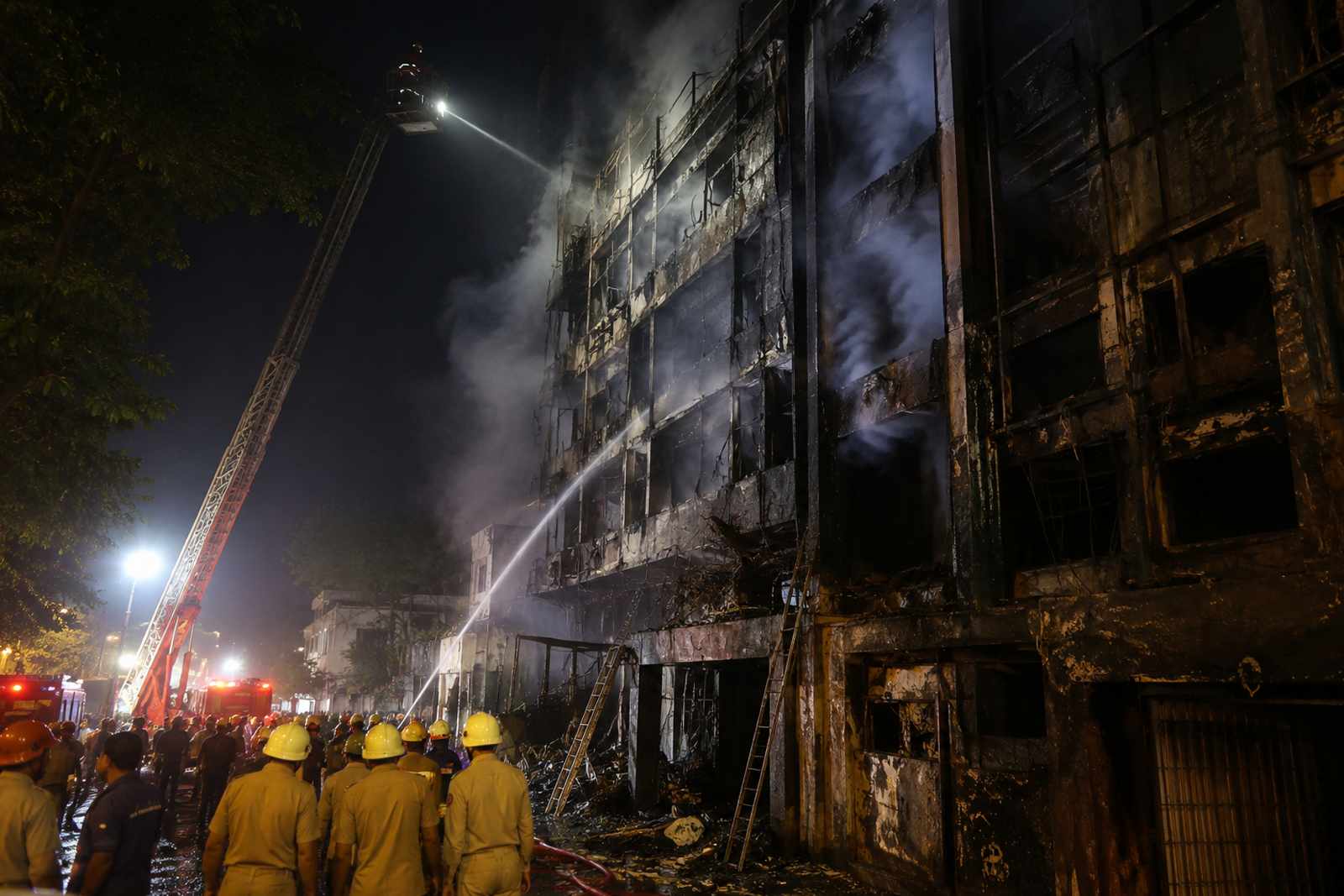
Emergency alarms were activated immediately, and plant personnel initiated standard emergency procedures. Rescue teams rushed to the location in an effort to save those caught in the accident.
Immediate Emergency Response
The moments following the accident were marked by urgent rescue efforts.
Key Actions Taken:
-
Emergency response teams were dispatched to the affected unit.
-
Fire and safety personnel secured the surrounding area.
-
Injured workers were evacuated from the site.
-
Ambulances transported victims to nearby hospitals.
-
Medical teams were placed on high alert to handle burn-related injuries.
Hospital authorities reported that several injured workers required specialized treatment due to the severity of their burns. Medical experts continue to monitor the condition of survivors receiving treatment.
Impact on Workers and Families
The loss of eight workers has left families devastated and communities in mourning. For many families, the victims were primary earners whose livelihoods supported entire households.
Family members gathered outside hospitals and administrative offices seeking information about their loved ones. The emotional impact of such incidents extends far beyond the workplace, affecting spouses, children, parents, and local communities.
Challenges Faced by Families
-
Emotional trauma caused by sudden loss.
-
Financial uncertainty for dependents.
-
Long-term medical expenses for injured workers.
-
Psychological stress among coworkers and relatives.
Authorities have promised compensation and support measures for affected families, though many believe that no amount of assistance can replace the lives lost.
Investigation Into the Cause
A detailed inquiry has been initiated to determine what led to the molten metal spill.
Investigators are expected to examine:
1. Equipment Condition
Technical experts will inspect machinery involved in the operation to identify any signs of malfunction or structural failure.
2. Operational Procedures
Investigators will review whether established operating guidelines were followed during the production process.
3. Safety Compliance
Authorities will assess whether safety regulations and protective measures were properly implemented.
4. Maintenance Records
Regular maintenance plays a critical role in preventing industrial accidents. Inspection teams are likely to review maintenance schedules and repair logs.
5. Human Factors
The investigation may also consider whether communication gaps, procedural errors, or training deficiencies contributed to the incident.
The findings are expected to help identify preventive measures and strengthen safety systems across similar industrial facilities.
Understanding the Risks of Steel Manufacturing
Steel plants are among the most complex industrial environments in the manufacturing sector.
Production processes involve:
-
Extremely high temperatures.
-
Heavy machinery.
-
Molten metal handling.
-
High-pressure systems.
-
Large-scale mechanical operations.
Even minor technical failures can lead to significant consequences when hazardous materials are involved. This makes safety management a critical component of daily operations.
Common Industrial Hazards
-
Burns from molten materials.
-
Mechanical injuries.
-
Fire-related incidents.
-
Gas leaks.
-
Equipment failures.
-
Structural accidents.
The Visakhapatnam incident serves as a reminder of the challenges workers face in these environments every day.
Importance of Workplace Safety
Industrial experts stress that workplace safety should never be treated as a secondary concern.
Essential Safety Measures Include:
Regular Equipment Inspections
Routine checks help identify faults before they become dangerous.
Employee Training
Workers must receive continuous training on operational procedures and emergency response protocols.
Protective Gear
High-quality personal protective equipment can significantly reduce injury risks.
Emergency Preparedness
Every facility should maintain well-rehearsed evacuation and rescue plans.
Safety Audits
Independent safety assessments help identify vulnerabilities that may otherwise go unnoticed.
Strengthening these areas can reduce the likelihood of future accidents and improve worker protection.
Reaction From Industry and Labor Groups
The tragedy has prompted reactions from labor unions, industry experts, and worker welfare organizations.
Many labor representatives have called for:
-
Comprehensive safety reviews.
-
Improved monitoring systems.
-
Greater investment in worker protection.
-
Enhanced emergency response capabilities.
-
Transparent investigation processes.
Industry leaders have also emphasized the importance of learning from the incident to improve safety practices across manufacturing facilities nationwide.
Economic and Operational Impact
Beyond the human tragedy, such accidents can have broader operational consequences.
Potential Effects Include:
-
Temporary production disruptions.
-
Increased safety inspections.
-
Regulatory reviews.
-
Financial liabilities.
-
Reputational damage.
Companies operating large industrial facilities often face pressure to demonstrate that safety remains a top priority following major incidents.
Lessons for the Industrial Sector
Every industrial accident offers important lessons that can help prevent future tragedies.
Key Takeaways
-
Safety protocols must be regularly updated.
-
Equipment maintenance should remain a continuous priority.
-
Workers should receive frequent emergency response training.
-
Risk assessments must be conducted consistently.
-
Management and employees should work together to build a strong safety culture.
Experts believe that creating a proactive safety environment is more effective than reacting after accidents occur.
Looking Ahead
As investigations continue, attention will remain focused on understanding the circumstances that led to the Visakhapatnam Steel Plant accident. Authorities, industry experts, and worker organizations will closely examine the findings to identify improvements that can strengthen industrial safety standards.
For the families of the victims, the tragedy represents an irreplaceable loss. For the broader industrial community, it serves as a powerful reminder of the responsibility that comes with operating high-risk facilities.
Conclusion
The Visakhapatnam Steel Plant accident, which claimed eight lives and injured several workers, stands as a heartbreaking industrial tragedy. While rescue teams, medical personnel, and authorities continue their efforts to assist those affected, the incident has reignited important discussions about workplace safety, equipment reliability, and emergency preparedness.
As the investigation progresses, there will be growing expectations for meaningful reforms and stronger safeguards. Ensuring the safety of workers remains essential not only for industrial productivity but also for protecting the lives of the people who keep these critical industries running every day.

Shivani NayakJournalist
Shivani Nayak is an emerging journalist committed to delivering accurate, timely, and impactful stories for a fast-growing digital news platform. With a keen interest in politics, public policy, and community reporting, she focuses on issues that directly affect everyday life. Her work reflects a strong belief in responsible journalism, transparency, and fact-based reporting.
She brings a modern, digital-first approach to news coverage, blending field reporting with multimedia storytelling to reach audiences across platforms. From breaking developments to in-depth explainers and human-interest features, Anita strives to present news in a clear, accessible manner while maintaining editorial integrity.
Driven by curiosity and a deep sense of social responsibility, she actively engages with sources at the grassroots level, ensuring diverse voices are represented. She is particularly interested in governance, education reform, infrastructure development, and civic affairs.
Through her reporting, Anita aims to build trust with readers and contribute to a culture of informed public dialogue. As part of a new portal, she looks forward to growing alongside the publication and helping shape its journalistic identity in the digital age.