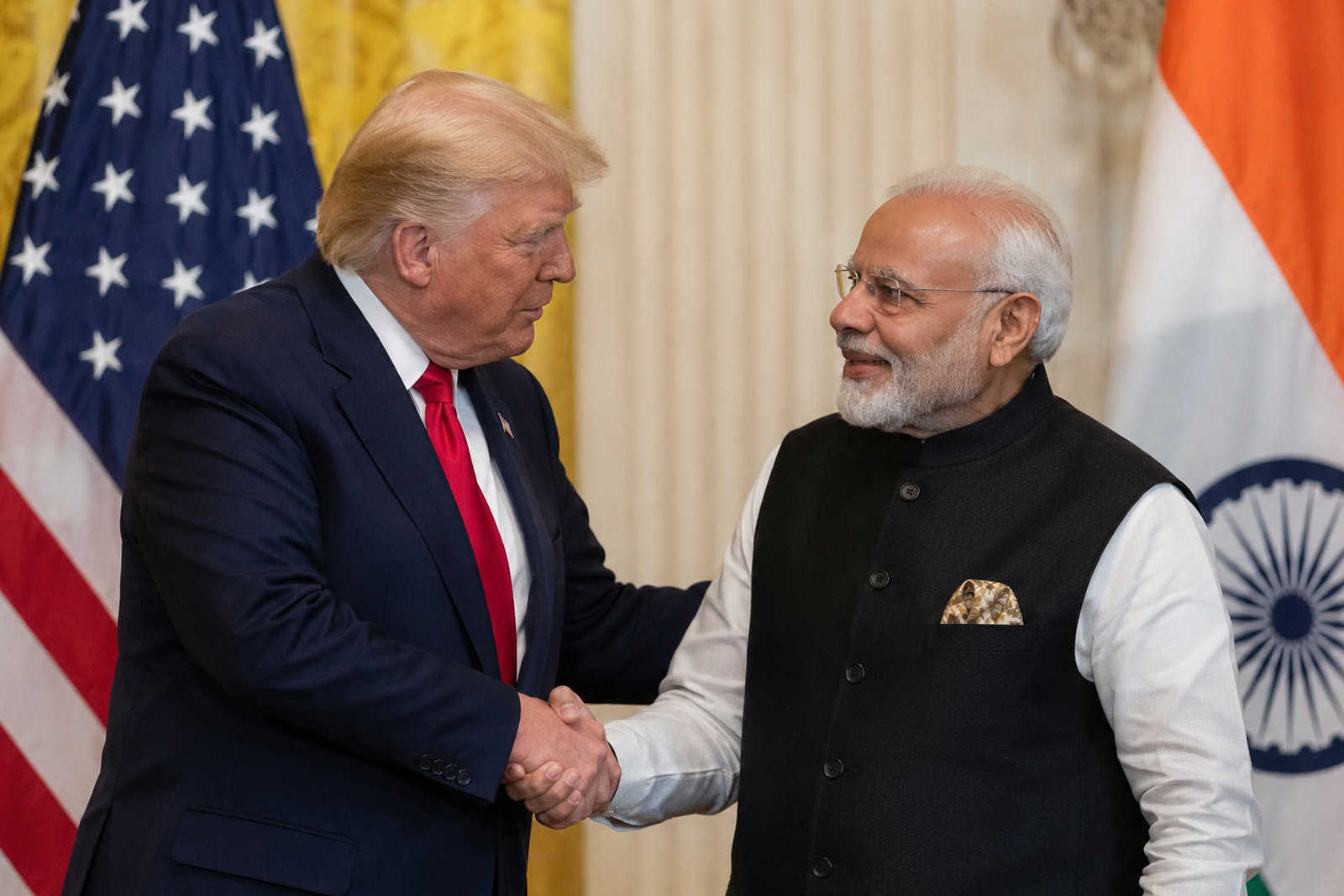
G7 Summit 2026: Modi to Champion Global South Priorities During France-Slovakia Visit

India to Highlight Global South Priorities at G7 Summit
A Strong Voice for Developing Nations
As global leaders gather for the G7 Summit, India is preparing to place the concerns and aspirations of developing countries at the center of international discussions. Ahead of his visit to France and Slovakia, Prime Minister Narendra Modi emphasized that India will continue to advocate for the interests of the Global South—a group of nations that often face challenges related to economic development, climate change, food security, and access to technology.
Bridging the Gap Between Developed and Developing Economies
India's participation in the summit reflects its growing role as a bridge between advanced economies and emerging nations. While the G7 primarily consists of the world's largest industrialized countries, India's presence offers an opportunity to bring attention to issues affecting billions of people across Asia, Africa, Latin America, and other developing regions.
New Delhi is expected to stress the importance of creating a more balanced global economic system that ensures fair access to investments, trade opportunities, and technological innovation. India believes that sustainable growth can only be achieved when developing countries receive adequate support and representation in global decision-making processes.
Focus on Climate, Technology, and Development
Climate action is likely to remain a major topic during the summit. India is expected to advocate for climate justice, emphasizing that developing countries require financial and technological assistance to transition toward cleaner energy systems without compromising economic growth.
Technology cooperation is another area where India seeks stronger international collaboration. From digital infrastructure to artificial intelligence and cybersecurity, the country aims to promote inclusive technological development that benefits all nations rather than a select few.
Strengthening International Partnerships
The visit to France and Slovakia also highlights India's efforts to deepen diplomatic and economic ties with European partners. Discussions are expected to cover trade, defense cooperation, innovation, and cultural exchanges.
As geopolitical uncertainties continue to shape international relations, India is positioning itself as a responsible global stakeholder capable of facilitating dialogue and promoting cooperation among diverse nations.
Looking Ahead
India's message at the G7 Summit is expected to focus on inclusivity, shared prosperity, and equitable development. By championing the interests of the Global South, the country aims to ensure that the voices of developing nations are heard in shaping the future global agenda, reinforcing its role as an influential player on the world stage.

G7 Summit 2026: India Set to Amplify the Global South’s Voice on the World Stage
As international leaders convene for the G7 Summit, India is preparing to use the platform to advocate for the priorities of developing nations. Ahead of his official visit to France and Slovakia, Prime Minister Narendra Modi reaffirmed India's commitment to representing the interests of the Global South. The statement reflects New Delhi’s growing diplomatic influence and its ambition to shape discussions on economic growth, climate action, technology, and global governance.
India's approach at the summit is expected to focus on ensuring that the concerns of emerging and developing economies are not overshadowed by the interests of wealthier nations. With many countries facing challenges related to debt, food security, healthcare, and climate resilience, India aims to present a collective vision for a more balanced international order.
India’s Emerging Role in Global Affairs
Over the past decade, India has steadily expanded its presence in international diplomacy. As one of the world's fastest-growing major economies and the most populous nation, India has become an important voice in discussions involving trade, security, climate policy, and sustainable development.
The country's growing influence stems from several factors:
-
Strong economic growth and market potential
-
Expanding diplomatic relationships across continents
-
Leadership in digital innovation and technology
-
Active participation in multilateral organizations
-
Strategic position in the Indo-Pacific region
By engaging with both developed and developing nations, India has positioned itself as a bridge capable of facilitating dialogue between different economic and political blocs.
Understanding the Global South
The term "Global South" generally refers to developing and emerging economies located across Asia, Africa, Latin America, and parts of Oceania. These countries collectively represent a significant portion of the world's population but often face challenges such as:
-
Limited access to development financing
-
Vulnerability to climate change
-
Infrastructure deficits
-
Food and energy insecurity
-
Unequal representation in global institutions
India has consistently argued that global policy decisions should reflect the realities and aspirations of these nations. By bringing their concerns to major forums like the G7, New Delhi seeks to promote a more inclusive international system.
Key Issues India Is Expected to Raise
1. Inclusive Economic Growth
One of India's central messages is likely to focus on creating economic opportunities that benefit all nations.
Many developing countries continue to struggle with rising debt burdens, inflation, and uneven recovery from global economic disruptions. India is expected to advocate for:
-
Fairer access to international markets
-
Increased investment in developing economies
-
Support for infrastructure development
-
Strengthened supply chains
-
Greater financial inclusion
India believes that sustainable global prosperity depends on the economic progress of both developed and developing nations.
2. Climate Justice and Sustainable Development
Climate change remains one of the most pressing challenges facing humanity. However, India has repeatedly emphasized that developing countries should not bear a disproportionate burden in addressing the crisis.
India is likely to push for:
Climate Financing
Developed nations have pledged financial support for climate adaptation and mitigation projects. India may call for stronger implementation of these commitments.
Technology Transfer
Access to green technologies remains crucial for developing countries seeking to reduce emissions while maintaining economic growth.
Balanced Energy Transition
India supports renewable energy expansion but also argues that energy transitions must consider national development needs and economic realities.
Disaster Resilience
Many Global South nations face severe weather events and natural disasters. Strengthening resilience measures will likely feature prominently in India's discussions.
3. Digital Transformation and Technology Access
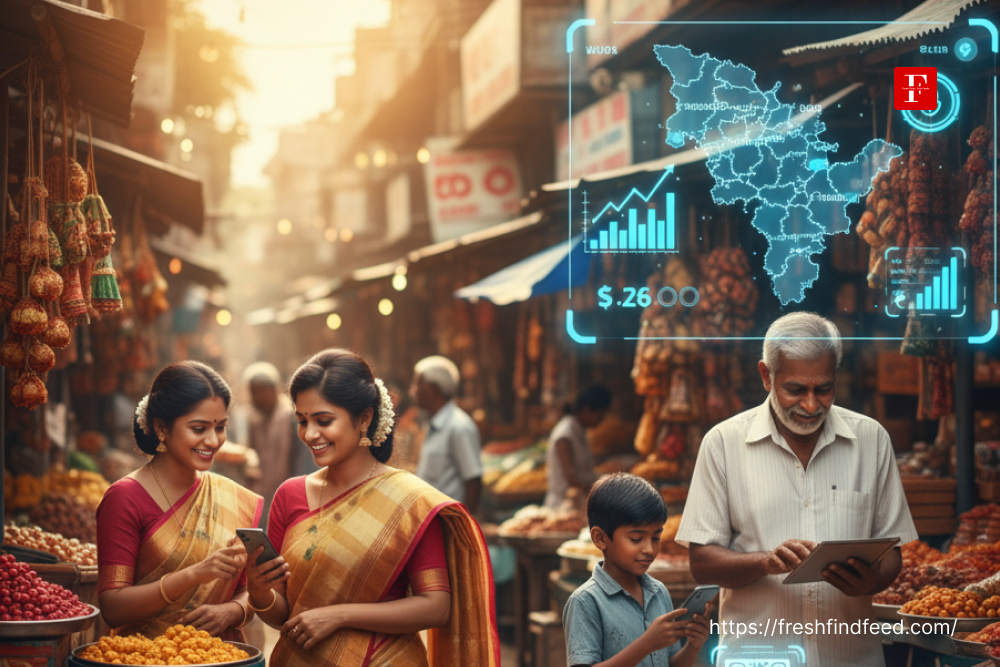
India's success in digital public infrastructure has attracted global attention. The country is expected to promote the idea that technology should serve as a tool for inclusive development rather than deepen global inequalities.
Potential areas of focus include:
-
Digital inclusion initiatives
-
Affordable internet access
-
Artificial intelligence governance
-
Cybersecurity cooperation
-
Digital payment systems
-
Innovation partnerships
India may also encourage international collaboration to ensure that emerging technologies remain accessible to developing nations.
Reforming Global Governance
Need for Greater Representation
A longstanding Indian position is that global institutions must evolve to reflect contemporary realities.
Many international organizations were created decades ago when geopolitical and economic conditions were significantly different. India has often argued that emerging economies deserve a stronger voice in global decision-making.
Areas Where Reform Is Sought
-
International financial institutions
-
Global development agencies
-
Multilateral trade frameworks
-
International security forums
By advocating institutional reforms, India seeks to create a system that better represents the interests of the wider international community.
Food and Energy Security
The Global South continues to face significant challenges related to food availability and energy affordability.
Food Security Concerns
Developing countries remain vulnerable to:
-
Supply chain disruptions
-
Rising agricultural costs
-
Extreme weather events
-
Commodity price volatility
India is expected to support greater international cooperation to strengthen agricultural resilience and food distribution networks.
Energy Access
Reliable energy remains essential for economic development. India may emphasize:
-
Affordable energy solutions
-
Diversified energy sources
-
Renewable energy partnerships
-
Energy infrastructure investments
Ensuring universal access to energy remains a key priority for many developing nations.
India’s Strategic Engagement with Europe
The Prime Minister's visit to France and Slovakia coincides with broader efforts to strengthen India's ties with Europe.
Cooperation with France
India and France share a strong strategic partnership covering:
-
Defense collaboration
-
Space research
-
Renewable energy initiatives
-
Maritime security
-
Technology cooperation
The visit provides an opportunity to expand cooperation in emerging sectors while reinforcing existing partnerships.
Growing Ties with Slovakia
Relations with Slovakia have steadily expanded in recent years, particularly in areas such as:
-
Trade and investment
-
Manufacturing cooperation
-
Engineering and innovation
-
Educational exchanges
Strengthening these relationships aligns with India's broader European engagement strategy.
Global Challenges Require Collective Solutions
The international community currently faces multiple interconnected challenges:
-
Geopolitical tensions
-
Economic uncertainty
-
Climate-related risks
-
Public health concerns
-
Technological disruption
India's message is expected to emphasize that no single nation can address these issues alone. Cooperation, dialogue, and mutual respect remain essential for achieving long-term stability and prosperity.
By advocating inclusive decision-making and equitable partnerships, India seeks to encourage collaborative approaches to global problem-solving.
Why India's Position Matters
India's growing diplomatic influence gives added weight to its calls for a more balanced global order. The country represents:
-
More than a billion people
-
A major emerging economy
-
A significant technology hub
-
A key voice among developing nations
Its ability to engage simultaneously with advanced economies and emerging markets places it in a unique position to facilitate international consensus.
As global power dynamics continue to evolve, India's role as a representative of developing nations is likely to become increasingly important.
Conclusion
The G7 Summit offers India an opportunity to elevate the concerns of the Global South before some of the world's most influential economies. By focusing on inclusive growth, climate justice, technology access, food security, and institutional reform, New Delhi aims to ensure that developing nations have a meaningful voice in shaping the future international agenda.
Prime Minister Narendra Modi's message underscores India's belief that global progress can only be achieved when all nations—regardless of their economic status—participate equally in decision-making and benefit from development. As discussions unfold at the summit, India's advocacy for the Global South is expected to remain a central theme, reinforcing its position as a leading voice for emerging economies in the 21st century.

Soojin DasJournalist
Soojin Das is a dedicated journalist with a strong focus on public affairs, governance, and grassroots reporting. With a passion for uncovering stories that matter, she brings clarity, accuracy, and depth to complex issues shaping communities across India. Her reporting spans politics, social development, education, and local civic concerns, giving readers a balanced and well-researched perspective.
Known for her sharp news sense and ethical approach to journalism, Anita combines on-ground reporting with data-driven analysis and compelling storytelling. She has covered major policy announcements, elections, disaster response efforts, and community-led initiatives, ensuring that audiences receive timely and trustworthy information.
Anita believes journalism plays a vital role in strengthening democracy and amplifying under-represented voices. Through interviews, investigative pieces, and human-interest stories, she aims to inform, engage, and empower readers.
When not in the field, she closely follows media innovation and digital storytelling trends, continually refining her craft to meet the evolving needs of modern newsrooms.