- Loading...
- Loading...



India and the World Health Organization (WHO) are joining hands once again — this time to spotlight the power of traditional medicine on the world stage. The two will co-host the Global Summit on Traditional Medicine in December 2025, set to take place in New Delhi.
The event aims to unite experts, policymakers, and practitioners from around the world to discuss how age-old healing systems — like Ayurveda, Unani, Siddha, and Homeopathy — can play a larger role in modern global healthcare frameworks.
This summit isn’t just about celebrating tradition — it’s about scientific validation and policy integration.
The discussions will focus on:
Evidence-based approaches to traditional medicine
Regulation and standardization of herbal and natural remedies
Digital documentation and research on indigenous medical knowledge
Sustainable sourcing of medicinal plants and biodiversity conservation
The goal is clear: bring traditional knowledge into mainstream healthcare without compromising scientific rigor.
India has long been the cradle of traditional medicine. Ayurveda alone dates back over 3,000 years, and India’s Ministry of AYUSH has been instrumental in preserving and modernizing these practices.
Hosting this summit in New Delhi cements India’s growing leadership in integrative healthcare — where ancient practices meet modern research.
It also strengthens India’s collaboration with WHO, following the establishment of the WHO Global Centre for Traditional Medicine in Jamnagar, Gujarat, in 2022.
The summit will provide a global platform for nations to share best practices, frameworks, and innovations in traditional healing.
For India, this is an opportunity to:
Promote its Ayurvedic and herbal medicine exports
Encourage global research collaborations
Push for WHO-backed recognition and safety standards for traditional formulations
If successful, it could redefine how the world perceives “alternative medicine” — turning it into a validated and trusted branch of healthcare.
Across the world, interest in traditional and natural therapies has surged post-pandemic.
People are increasingly seeking holistic well-being, preventive health, and plant-based remedies. WHO estimates that over 80% of the global population uses some form of traditional medicine.
With lifestyle diseases and antibiotic resistance on the rise, this global summit could mark a turning point — blending the ancient wisdom of herbs, yoga, and meditation with the precision of modern medicine.
By co-hosting the summit, India is sending a strong signal:
That the future of healthcare lies not in choosing between traditional and modern — but in integrating both.
As Health Ministry officials have noted, “Traditional medicine isn’t an alternative — it’s a complement to science, built on centuries of observation.”
The summit is expected to attract representatives from over 100 countries, with sessions, workshops, and cultural demonstrations highlighting how traditional systems can be harmonized globally.
The Global Summit on Traditional Medicine 2025 will be more than a conference — it will be a conversation between past and future.
By combining India’s deep cultural heritage with WHO’s global scientific vision, the event could shape how the world heals — naturally, sustainably, and inclusively.

In today’s world of endless choices and digital noise, marketing is no longer just about promoting products — it’s about creating meaningful connections. Successful brands focus on building relationships rather than chasing transactions. Marketing that connects transforms audiences into loyal communities by earning their trust, understanding their needs, and delivering genuine value. When businesses prioritize people over promotions, marketing becomes more than strategy — it becomes a relationship built to last.
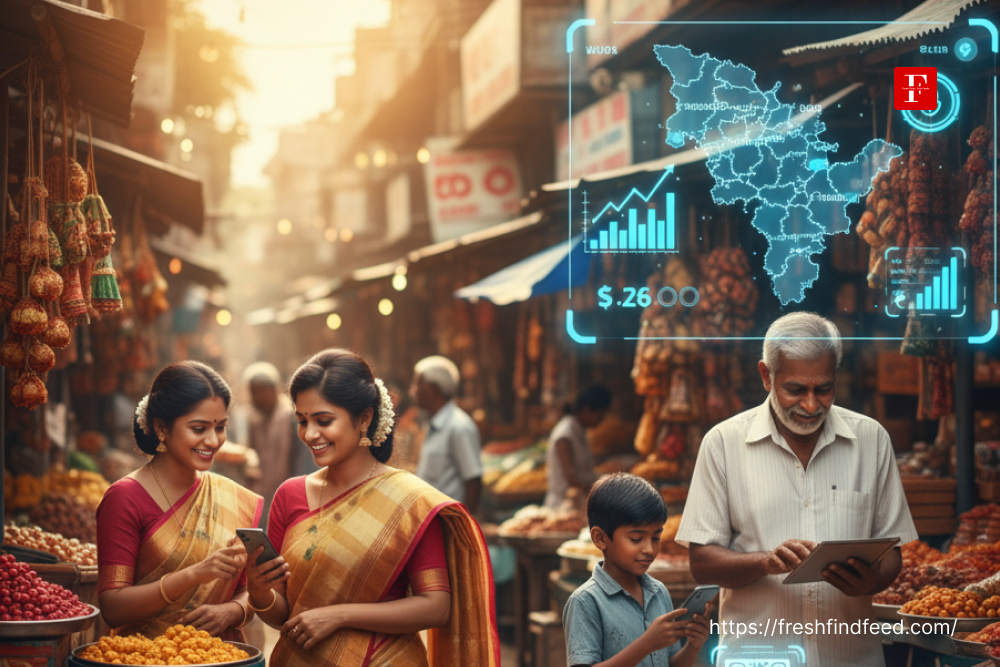
Odisha’s small businesses are entering a new era — where mobile apps, online payments, and e-commerce aren’t luxuries, but lifelines for growth and survival.

As India enters the second phase of its digital revolution, artificial intelligence and automation are not just transforming industries—they’re redefining what it means to work, earn, and adapt.

The conference brought together officials from ten central districts, including district collectors, tehsildars, registrars, and welfare officers, either virtually or in person.

We glorified sleepless nights, burnout, and exhaustion as signs of ambition. But when did working yourself to the edge become the definition of success?

Not everyone who thrives in tech writes code. Some design the very experiences that make technology human.



Leave Comments