The Silent Revolution You Didn’t See Coming
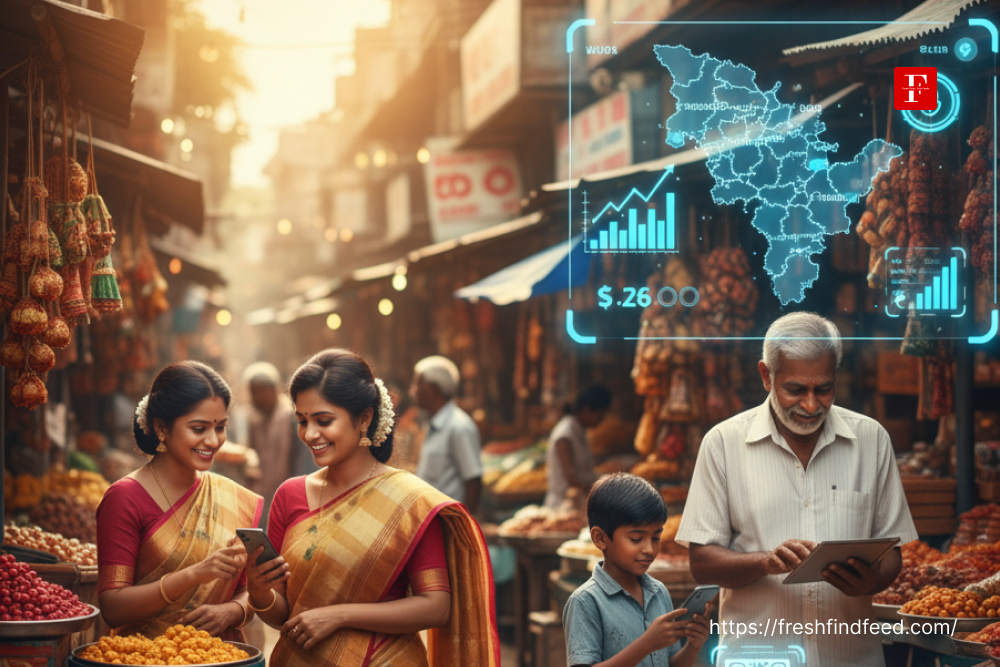
Artificial Intelligence (AI) isn’t arriving — it’s already here, woven into the tiny details of your daily life. You consult it when you shop online, compete with it at work, and even swipe with its help when you date.
What’s fascinating is how quietly it’s happened. No flashing robots, no dystopian takeover — just subtle, behind-the-scenes decisions made by algorithms learning from your preferences, your words, your patterns.
AI has gone from futuristic concept to invisible infrastructure — the digital oxygen of the 21st century. It’s not changing the future anymore. It’s changing you.
When AI Knows What You Want Before You Do: The Shopping Revolution
The next time you add something to your cart, thank an algorithm.
🛒 a. Predictive Shopping and “Anticipatory Shipping”
Amazon once patented something called anticipatory shipping — sending items to regional warehouses before you even order them, based on AI forecasts of what customers in your area might buy next.
That’s how deep AI’s predictive power goes. Your browsing, wishlists, even idle scrolling — all feed a neural network that understands your taste better than some friends do.
🧠 b. The Power of Personalization
Every product suggestion, discount, or ad you see online is an AI whispering, “This might be what you’re looking for.”
Platforms like Netflix, Spotify, and Myntra don’t just recommend; they shape your behavior.
Over time, AI learns not just what you like — but why you like it.
💄 c. Try Before You Buy — Virtually
From Lenskart’s virtual try-ons to Sephora’s AR makeup mirrors, AI-driven augmented reality lets you “test” products digitally.
It eliminates hesitation — and increases confidence.
Result? A seamless, emotion-driven, data-backed shopping journey where human intuition meets machine precision.
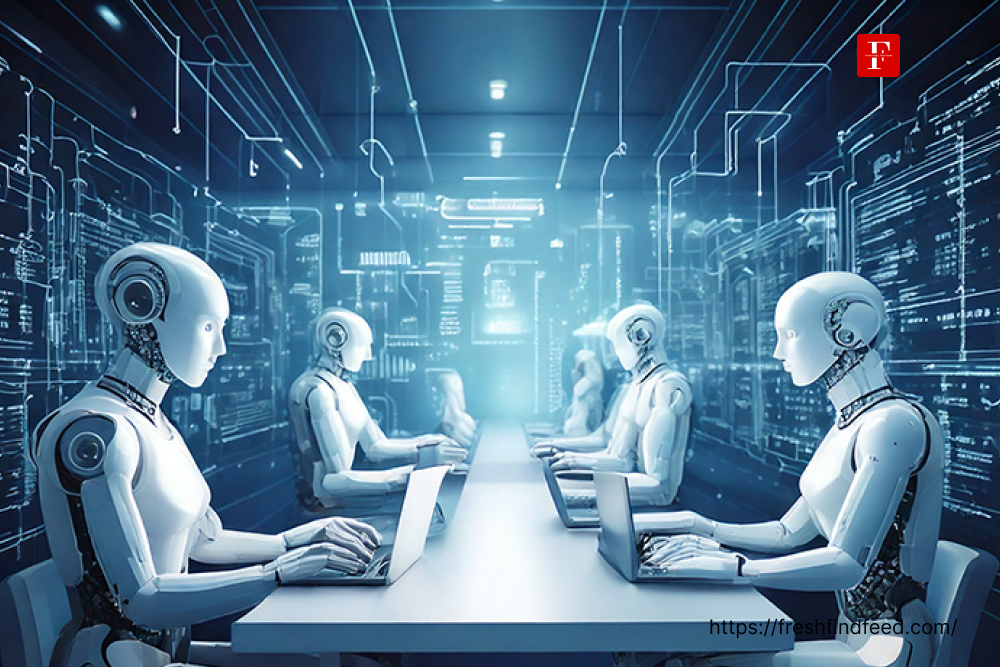
AI at Work: The New Co-worker You Didn’t Apply For
Forget sci-fi robots; your new colleague might be a chatbot, a language model, or an automation script quietly boosting your productivity.
💼 a. Automating the Routine, Elevating the Creative
AI tools handle scheduling, emails, reports, and analytics — freeing humans for strategy and innovation.
Think ChatGPT, Notion AI, or Microsoft Copilot — all designed to make knowledge work faster, smarter, and more intuitive.
In fact, a 2024 McKinsey report found that employees using AI-assisted writing tools completed tasks 40% faster and produced significantly higher quality work.
📊 b. Hiring and HR Are Getting Algorithmic
From scanning resumes to predicting employee fit, AI-powered recruitment is changing how companies hire.
Platforms like HireVue and LinkedIn Talent Insights use machine learning to identify promising candidates — sometimes even before they apply.
The result? Faster hires, fewer biases (when designed ethically), and more data-backed HR decisions.
🤖 c. The Ethical Balancing Act
But automation raises a big question: what happens to the human element?
AI can’t replicate empathy, creativity, or moral judgment — at least not yet.
The future workplace isn’t about replacement but augmentation — humans and AI co-working in synergy, where data meets intuition.
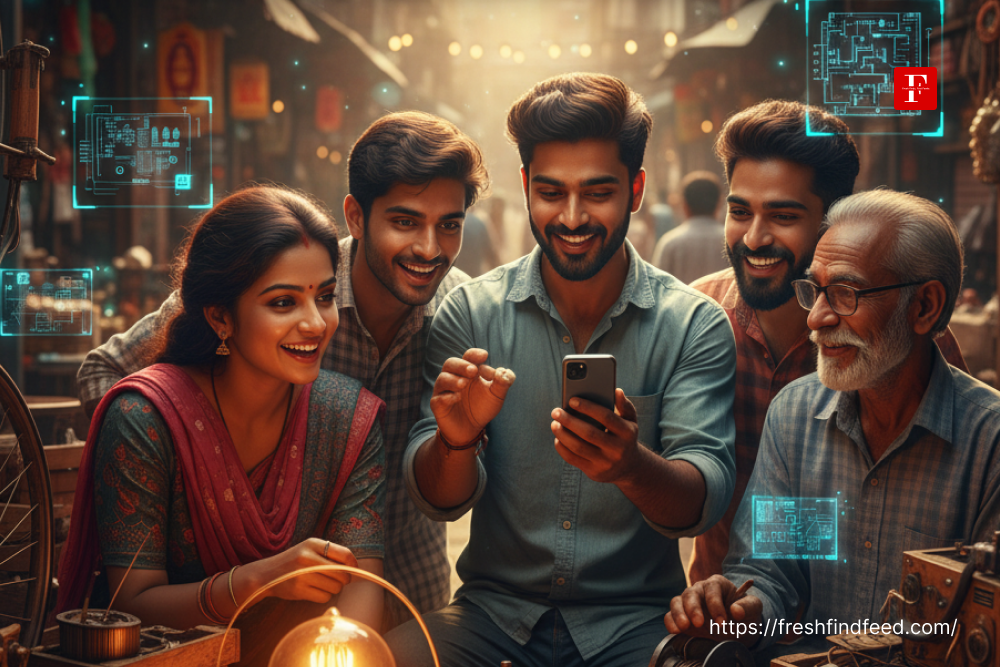
AI in Love: How Algorithms Are Rewriting Modern Dating
Love in the age of algorithms looks a lot like data science.
AI doesn’t just help you swipe — it helps you connect.
❤️ a. AI Matchmaking: More Than Just Swipes
Apps like Hinge, Bumble, and OkCupid use AI-driven models to analyze profiles, interests, and conversations.
They learn your preferences through subtle cues — how long you look at a profile, what bios you like, or even the tone of your messages.
The more you use it, the better it gets at finding “your type.”
💬 b. AI Dating Coaches
Now, AI is going one step further — becoming your dating assistant.
Startups are offering AI chat coaches that analyze your conversation style, suggest better responses, and even flag potential red flags in chats.
It’s not just about romance anymore; it’s behavioral psychology powered by code.
🧠 c. The Emotional Algorithm
Experts warn, however, that relying too much on AI for love can dull the art of human connection.
When everything becomes optimized — even feelings — we risk turning relationships into transactions.
But when used mindfully, AI can act as an emotional mirror, helping people communicate more clearly and understand themselves better.
AI and the Invisible Economy of Everyday Life
While you go about your day, AI is quietly pulling levers across sectors — from food delivery to finance.
📱 a. AI in Payments and Fintech
Every fraud alert, credit score adjustment, and personalized loan offer is algorithmically generated.
Apps like Paytm, PhonePe, and Google Pay use machine learning to detect unusual transactions, predict defaults, and suggest optimal payment plans.
AI doesn’t just manage your money — it protects it.
🍕 b. Smart Recommendations = Bigger Sales
Ever noticed how Swiggy knows what you crave on Friday nights? That’s predictive AI, combining your ordering history, weather data, and local restaurant trends.
The goal: reduce decision fatigue while increasing convenience.
🚗 c. Mobility and Smart Cities
Ride-hailing giants like Ola and Uber rely on AI for dynamic pricing, route optimization, and driver safety.
Even traffic lights in some Indian metros are now AI-powered, reducing congestion and emissions through adaptive signal control.
The Psychology of “Invisible AI”
We often think of AI as futuristic — yet its most powerful form is invisible.
It doesn’t announce itself. It assists quietly, seamlessly integrating into our choices until those choices start shaping us.
👁️ a. The Subtle Manipulation
Recommendation engines don’t just serve what we want — they guide what we want next.
This “algorithmic influence” is the new behavioral economics — nudging users toward certain purchases, opinions, or people.
🧭 b. Data as the New Intuition
AI’s predictive power often feels like intuition — but it’s just mathematics on steroids.
It’s not reading your mind; it’s reading your patterns.
Yet, this illusion of being “understood” is what keeps us engaged — and sometimes, addicted.
⚖️ c. The Ethics of Quiet Power
When algorithms become invisible, accountability becomes blurry.
Who’s responsible when AI makes a biased decision or steers someone toward misinformation?
The future demands not just smarter AI, but more transparent AI — one that explains its choices, not just makes them.
The New Human-AI Relationship: Partnership Over Fear
AI isn’t replacing humanity — it’s redefining what it means to be human.
From smart assistants that remind us to breathe to content generators that boost creativity, AI extends our capabilities rather than limiting them.
🧠 a. Augmentation, Not Automation
When humans collaborate with AI, output multiplies.
Artists use AI for inspiration, writers for ideation, doctors for diagnosis.
In each case, technology becomes a partner, not a rival.
🌍 b. Accessibility and Empowerment
AI-driven tools are democratizing opportunity.
Visually impaired users benefit from image-recognition narrators; students from remote villages access AI tutors; small businesses use chatbots to compete globally.
It’s not just about efficiency — it’s about equity.
💡 c. The Human Edge
What remains uniquely human?
Empathy. Creativity. Storytelling. Morality.
AI can process — but not feel. And that’s where our advantage will always lie.
The Future: AI That Disappears Into Daily Life
The best technology eventually becomes invisible.
Electricity, the internet, and now — artificial intelligence.
We won’t talk about “AI tools” for long. They’ll just be tools.
Your fridge will restock itself, your car will schedule its maintenance, your email will write polite declines, and your digital wardrobe will suggest what to wear based on the weather.
In the next five years, AI will:
-
Personalize healthcare to the molecular level.
-
Power decentralized, data-secure finance models.
-
Create virtual assistants that genuinely understand emotion.
And it’ll all feel… normal.
The Quietest Revolution in Human History
AI’s greatest triumph isn’t what it builds — it’s what it blends into.
It’s the quiet hum of algorithms improving your life without demanding your attention.
Every search, click, and swipe feeds a system learning how to make your world smoother, faster, more personal.
We’re not witnessing the rise of machines — we’re witnessing the refinement of humanity through technology.
And maybe, that’s the most human evolution of all.