- Loading...
- Loading...



National Youth Day 2026, observed across India on January 12, is dedicated to celebrating the energy, ideals, and potential of the nation’s youth. The day marks the birth anniversary of Swami Vivekananda, one of India’s greatest spiritual leaders and thinkers, whose teachings continue to inspire generations.
The Government of India declared January 12 as National Youth Day in 1984, recognising Swami Vivekananda’s profound influence on young minds. His emphasis on self-belief, discipline, character building, and service to society forms the foundation of the day’s significance. Swami Vivekananda believed that the strength of a nation lies in its youth and urged them to play an active role in nation-building.
Across the country, National Youth Day is observed with seminars, youth conventions, cultural programmes, debates, and educational activities. Schools, colleges, universities, and youth organisations organise events to spread awareness about leadership, social responsibility, innovation, and national unity. Special discussions on Vivekananda’s philosophy and relevance in modern times are also held.
The celebration comes at a time when India has one of the largest youth populations in the world, making the role of young people crucial in shaping the country’s future. National Youth Day serves as a reminder that youth power, when guided by values and purpose, can drive positive social and economic change.
As India celebrates National Youth Day 2026, the focus remains on empowering young citizens to dream big, act responsibly, and contribute meaningfully to the progress of the nation, following the timeless teachings of Swami Vivekananda.
National Youth Day 2026 is being observed across India on January 12 to honour the birth anniversary of Swami Vivekananda, a visionary thinker whose ideas continue to shape the spirit of India’s youth. The day highlights the importance of young people in building a strong, progressive, and inclusive nation.
Swami Vivekananda’s philosophy placed youth at the centre of national development. He believed that courage, confidence, moral strength, and education were essential qualities for young individuals. His famous addresses, including the historic speech at the World’s Parliament of Religions in Chicago in 1893, brought global recognition to India’s spiritual heritage and showcased the power of youth-driven leadership.
The observance of National Youth Day was officially announced by the Ministry of Youth Affairs and Sports in 1984, with the aim of spreading Vivekananda’s message among younger generations. Since then, the day has evolved into a nationwide platform for promoting youth engagement, innovation, skill development, and social awareness.
Educational institutions and youth organisations mark the occasion by organising lectures, workshops, essay competitions, cleanliness drives, awareness campaigns, and sports activities. Many programmes focus on contemporary issues such as employment, mental well-being, digital responsibility, environmental protection, and civic participation, encouraging young people to become active contributors to society.
National Youth Day also aligns with India’s long-term vision of harnessing its demographic dividend. With a large section of the population below the age of 35, the country’s growth depends significantly on the creativity and productivity of its youth. The day serves as a reminder that empowering young minds through education, skill development, and ethical values is key to sustainable progress.
As India marks National Youth Day 2026, the occasion reinforces the message that youth are not just the future but the present force of change. Inspired by Swami Vivekananda’s teachings, the day calls upon young Indians to rise above challenges, embrace responsibility, and work collectively towards national development and global harmony.

In today’s world of endless choices and digital noise, marketing is no longer just about promoting products — it’s about creating meaningful connections. Successful brands focus on building relationships rather than chasing transactions. Marketing that connects transforms audiences into loyal communities by earning their trust, understanding their needs, and delivering genuine value. When businesses prioritize people over promotions, marketing becomes more than strategy — it becomes a relationship built to last.
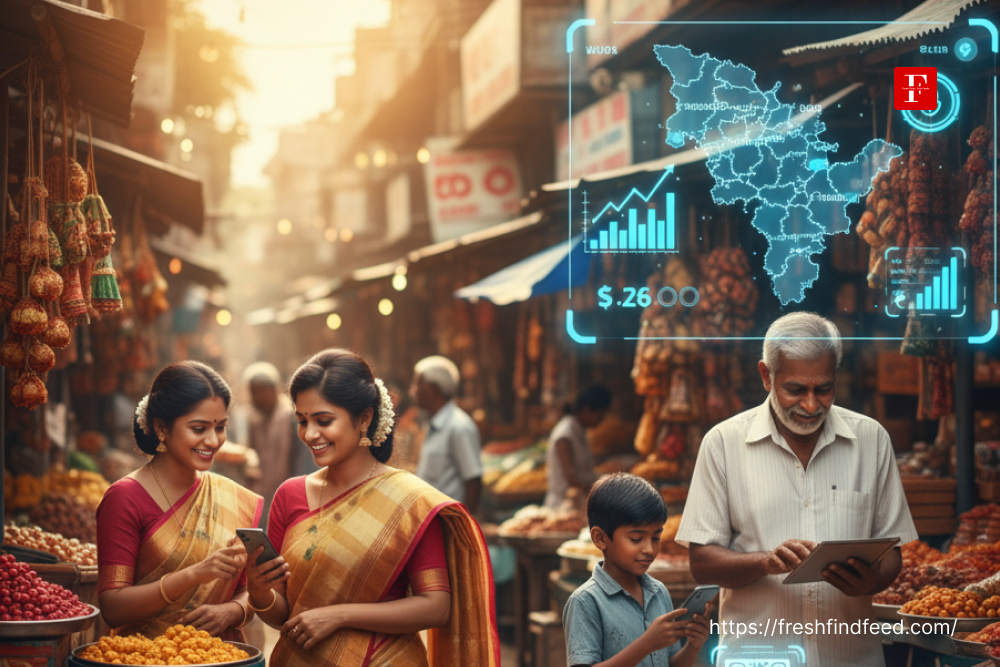
Odisha’s small businesses are entering a new era — where mobile apps, online payments, and e-commerce aren’t luxuries, but lifelines for growth and survival.

As India enters the second phase of its digital revolution, artificial intelligence and automation are not just transforming industries—they’re redefining what it means to work, earn, and adapt.

The conference brought together officials from ten central districts, including district collectors, tehsildars, registrars, and welfare officers, either virtually or in person.

We glorified sleepless nights, burnout, and exhaustion as signs of ambition. But when did working yourself to the edge become the definition of success?

Not everyone who thrives in tech writes code. Some design the very experiences that make technology human.




Leave Comments