Inside the India-US Trade Breakthrough: How Delhi’s Quiet Diplomacy Softened Trump’s Tariff Stance
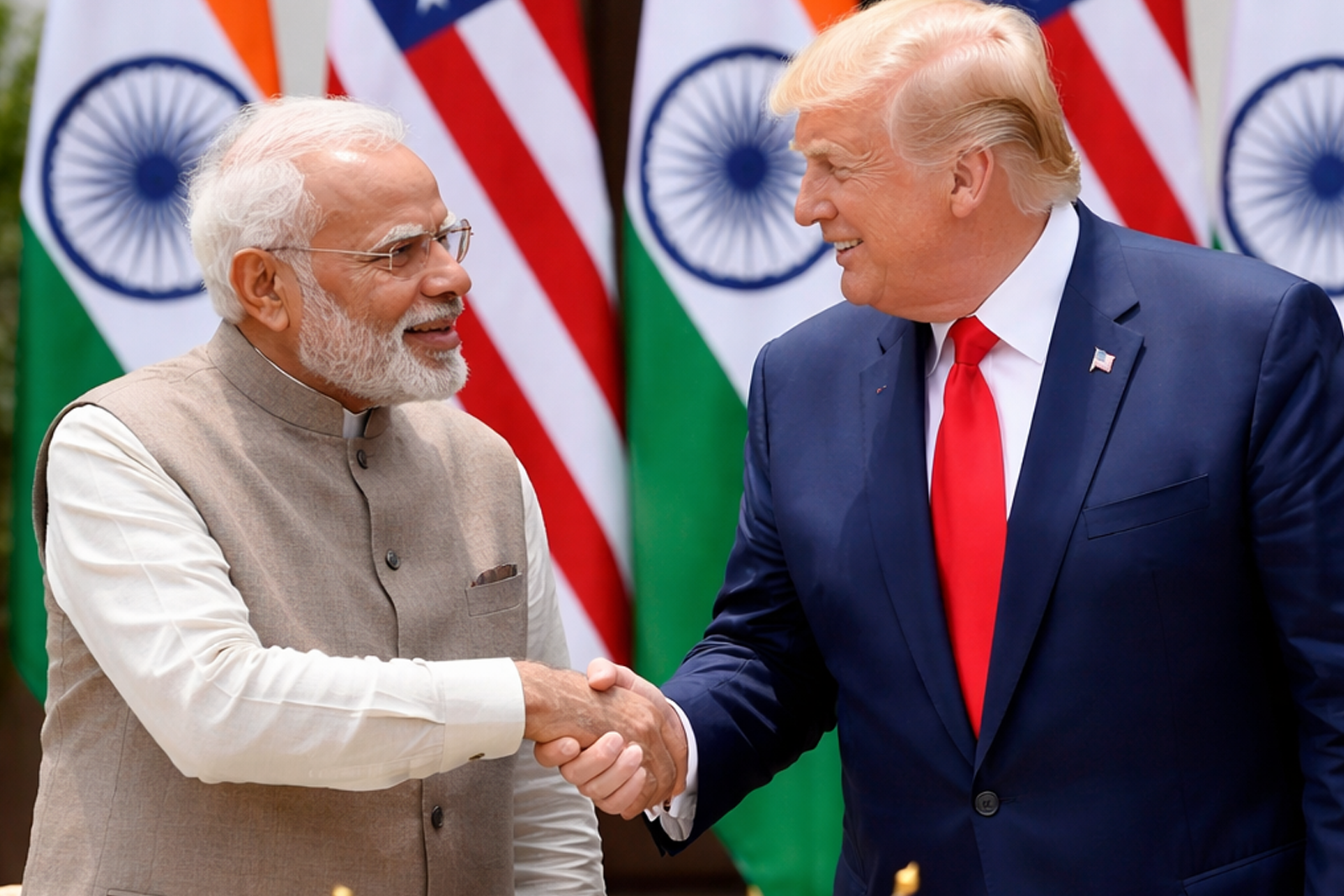
India–US Trade Deal: The Quiet Diplomacy That Rewrote a Tariff Standoff
When tariff threats once cast a shadow over India–US commercial ties, few expected the impasse to soften without a public showdown. Yet a series of understated negotiations, conducted far from microphones and social media posts, gradually altered the tone in Washington and created room for compromise.
A Relationship Under Pressure
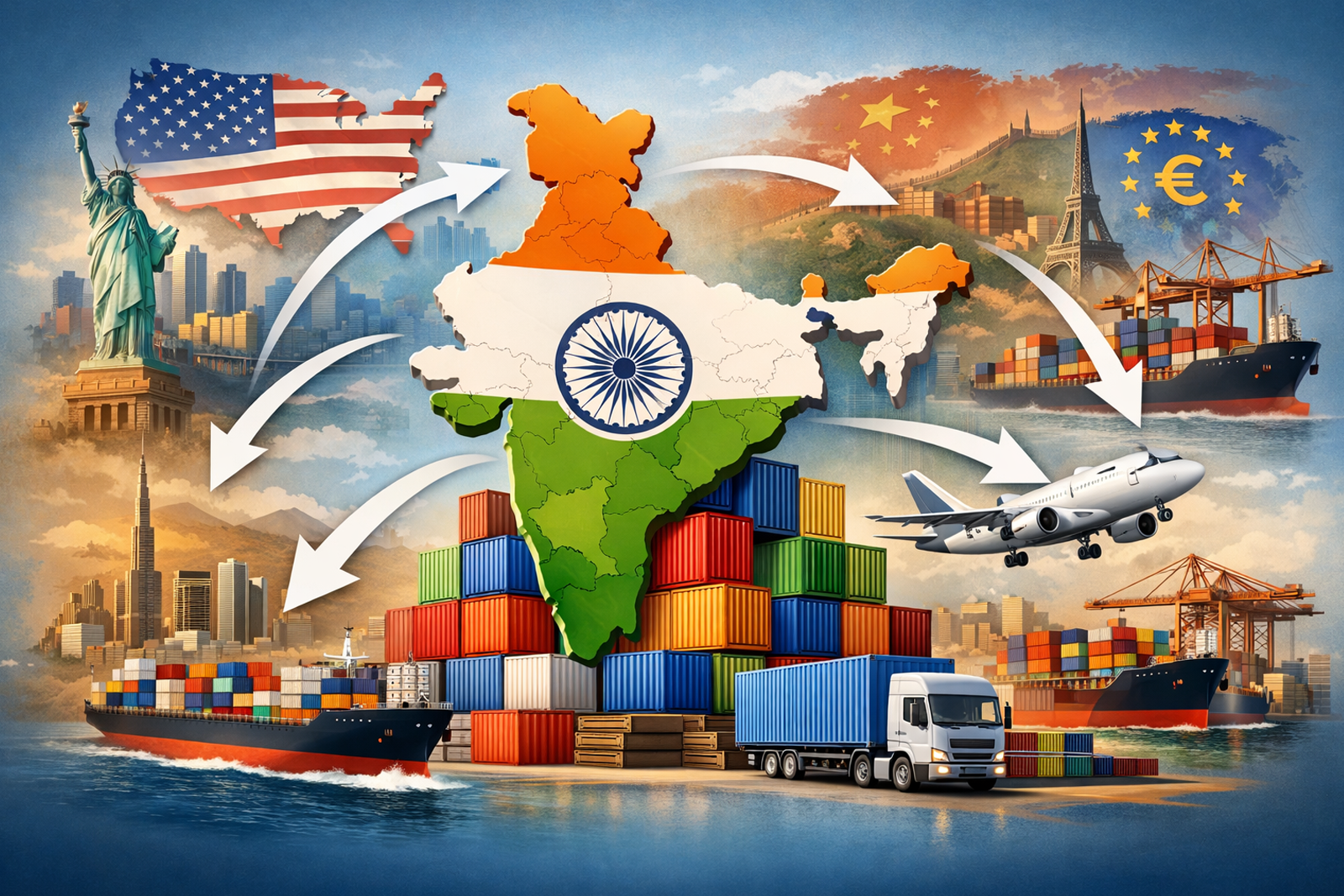
The Trump administration’s tariff actions were framed as a defence of American manufacturing and trade balances. For India, the measures threatened key export sectors such as engineering goods, pharmaceuticals, and textiles. Instead of escalating the dispute publicly, New Delhi adopted a dual strategy—firm on principle while open to dialogue—seeking to prevent a wider rupture in bilateral trade.
Backchannel Talks and Technical Engagement
Indian officials leaned heavily on quiet diplomacy. Trade envoys held repeated technical-level discussions with their US counterparts, highlighting areas where Indian imports supported American supply chains and jobs. Industry groups from both sides were encouraged to make their case, adding commercial logic to the political debate.
Strategic Concessions, Carefully Timed
Rather than sweeping promises, India focused on targeted market-access moves and regulatory clarifications that addressed specific US concerns. These incremental steps helped rebuild trust and signalled seriousness without appearing to capitulate. At the same time, New Delhi pressed for relief in sectors most exposed to tariff pressure.
Geopolitics Shapes the Outcome
The talks unfolded against a broader strategic backdrop, including defence cooperation and Indo-Pacific alignment. This wider partnership gave negotiators leverage, reinforcing the argument that prolonged trade friction would undermine a growing geopolitical convergence.
A Template for Future Engagement
The resulting thaw did not erase all trade differences, but it demonstrated how patient negotiation can chip away at seemingly rigid positions. For Delhi, the episode offered a lesson in blending economic pragmatism with strategic signalling—an approach likely to shape future engagements with major trading partners.

Inside the India–US Trade Reset: How Delhi’s Quiet Strategy Broke a Tariff Deadlock
When Washington raised tariff barriers during Donald Trump’s presidency, the move unsettled one of Asia’s fastest-growing export economies and injected uncertainty into a partnership that had been steadily expanding. Public statements on both sides were firm, sometimes confrontational, yet the decisive action unfolded far from television cameras. Through patient engagement, technical persuasion, and geopolitical signalling, New Delhi mounted a behind-the-scenes campaign that gradually eased the impasse and reopened space for negotiation.
A Tariff Shock That Threatened Momentum
The tariff push was rooted in the US administration’s drive to narrow trade deficits and protect domestic producers. India, which had seen bilateral trade volumes climb sharply in the preceding decade, suddenly faced higher costs in categories ranging from steel-linked products to industrial components. Exporters warned of shrinking margins, while policymakers feared a spillover into technology cooperation and defence procurement.
Instead of rushing into retaliatory escalation, Indian strategists calculated that a controlled response would preserve negotiating room. Selective countermeasures were signalled to show resolve, but the primary thrust remained diplomatic rather than punitive.
Choosing Negotiation Over Noise
Indian officials resisted turning the standoff into a media spectacle. Their approach centred on continuous engagement at multiple levels—ambassadorial outreach in Washington, working-group meetings between commerce ministries, and quiet consultations with congressional staffers.
This low-key posture allowed both sides to explore compromise without political grandstanding. It also ensured that the dispute did not dominate the broader relationship, which included growing defence ties, energy cooperation, and shared concerns about supply-chain security in the Indo-Pacific.
The Role of Data-Driven Persuasion
A critical element of Delhi’s pitch was numbers rather than rhetoric. Negotiators presented detailed breakdowns of how Indian imports supported US manufacturing ecosystems—whether through pharmaceutical inputs, IT services linked to American firms, or components feeding aerospace and engineering supply chains.
By reframing India not simply as an exporter but as a partner embedded in US production networks, officials sought to counter the narrative that tariffs were correcting a one-sided relationship. Business councils and industry chambers amplified this message, arranging closed-door briefings for policymakers and trade representatives.
Targeted Offers Instead of Broad Giveaways
Rather than promising sweeping liberalisation, India concentrated on specific friction points. Regulatory clarifications, faster approvals in certain sectors, and calibrated tariff adjustments were put on the table where they aligned with domestic priorities.
These measured moves served two purposes: they addressed concrete US complaints while reassuring Indian stakeholders that negotiations were not undermining national interests. The incremental nature of the offers also created a rhythm of progress, keeping talks alive even when political signals from Washington were mixed.
Leveraging the Strategic Partnership
Trade discussions rarely occur in isolation, and this episode was no exception. Delhi quietly linked economic dialogue to the wider strategic narrative—defence cooperation agreements, joint military exercises, and alignment on maritime security.
Without making explicit quid-pro-quo demands, Indian diplomats underscored that prolonged commercial friction could cast a shadow over a relationship increasingly framed as pivotal to regional stability. This broader context strengthened the case for de-escalation, particularly among US officials focused on long-term geopolitical positioning.
Managing Domestic Pressures at Home
Behind the scenes, Indian negotiators also had to navigate domestic politics. Exporters sought swift relief, while some producer groups worried about foreign competition. The government engaged industry associations to explain its approach, gather sector-specific data, and build support for a gradualist strategy.
This internal consultation proved crucial. By aligning negotiators with business realities on the ground, Delhi ensured its proposals were practical and defensible, reducing the risk of backlash once any agreement began to take shape.
Why the Wall Finally Began to Crack
The tariff standoff did not end with a single dramatic announcement. Instead, it softened through a sequence of adjustments, exemptions, and renewed dialogue. Fatigue from prolonged uncertainty, pressure from multinational firms operating in both markets, and the strategic imperative to stabilise ties all nudged Washington toward flexibility.
For the Trump administration, recalibration offered a way to claim progress on trade while avoiding damage to a key Asian partner. For India, persistence paid off: the gradual easing validated its decision to prioritise engagement over escalation.
Lessons for Future Trade Battles
The episode left a broader imprint on India’s trade diplomacy. It demonstrated the value of:
-
Sustained backchannel communicationthat keeps doors open even during public disagreements.
-
Evidence-based advocacythat reframes disputes in economic, not ideological, terms.
-
Selective concessionsthat resolve specific issues without sacrificing core policy goals.
-
Strategic linkagebetween commerce and geopolitics to strengthen negotiating leverage.
These tools are likely to reappear as India navigates complex trade relationships with other major economies.
An Incomplete but Meaningful Reset
While not every disagreement disappeared, the thaw marked a shift from confrontation to conversation. Bilateral trade discussions regained momentum, and the episode reinforced a central truth of modern diplomacy: even during periods of sharp political rhetoric, outcomes are often shaped by patient officials working quietly in conference rooms.

Shivani NayakJournalist
Shivani Nayak is an emerging journalist committed to delivering accurate, timely, and impactful stories for a fast-growing digital news platform. With a keen interest in politics, public policy, and community reporting, she focuses on issues that directly affect everyday life. Her work reflects a strong belief in responsible journalism, transparency, and fact-based reporting.
She brings a modern, digital-first approach to news coverage, blending field reporting with multimedia storytelling to reach audiences across platforms. From breaking developments to in-depth explainers and human-interest features, Anita strives to present news in a clear, accessible manner while maintaining editorial integrity.
Driven by curiosity and a deep sense of social responsibility, she actively engages with sources at the grassroots level, ensuring diverse voices are represented. She is particularly interested in governance, education reform, infrastructure development, and civic affairs.
Through her reporting, Anita aims to build trust with readers and contribute to a culture of informed public dialogue. As part of a new portal, she looks forward to growing alongside the publication and helping shape its journalistic identity in the digital age.