Meghalaya Coal Mine Blast: Illegal Operation Ends in Deadly Tragedy
A devastating explosion at an unauthorised coal mining site in Meghalaya has left at least 16 workers dead, casting fresh light on the dangers of illegal extraction activities in the northeastern state. The blast, which occurred deep inside a narrow shaft, triggered a partial collapse, trapping miners and cutting off escape routes before they could reach safety.
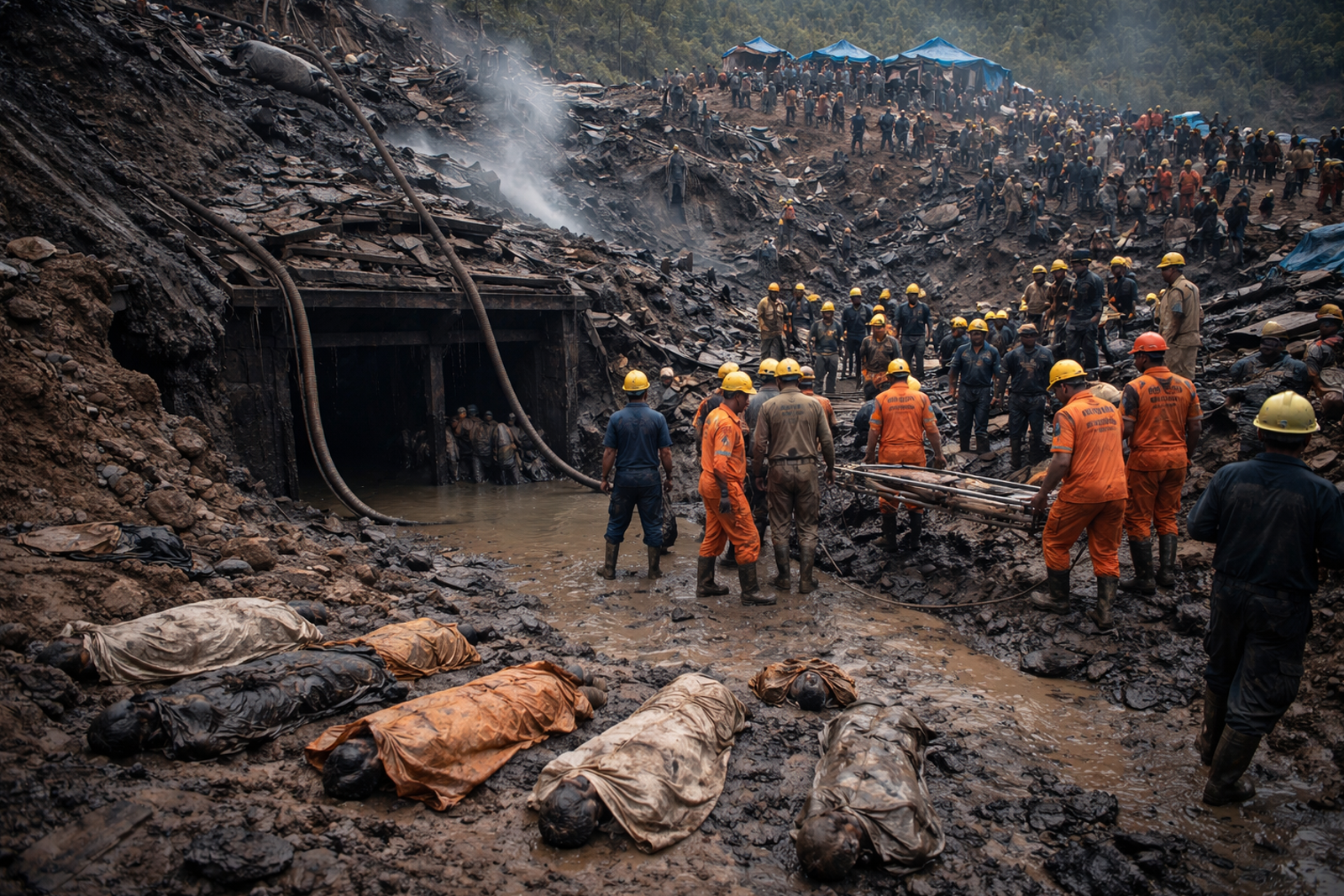
Local officials said rescue teams were rushed to the scene within hours, battling unstable tunnels, toxic gases and flooding water to reach those feared stuck underground. Specialised disaster-response units, including trained mine-rescue personnel and medical teams, were deployed with heavy equipment to clear debris and reinforce weakened passages. Temporary medical camps were set up near the site to treat the injured and assist distressed families gathering for news of their loved ones.
Preliminary assessments indicate the mine was operating without valid clearances, a common issue in remote coal-bearing regions where small, informal pits are dug for quick extraction. Authorities have sealed the area and launched a detailed investigation to determine what triggered the explosion, including the possibility of methane accumulation or unsafe blasting practices.
The state government announced compensation for the families of the deceased and assured that those responsible for running the illegal mine would face strict legal action. Senior officials also ordered a wider inspection drive across vulnerable districts to identify and shut down unauthorised mining operations.
Environmental groups and labour activists have long warned about the hazards linked to such activities, pointing to poor ventilation, fragile tunnels and the absence of safety gear. The latest tragedy has renewed calls for tighter enforcement and alternative livelihood programmes for communities dependent on informal mining.
As rescue efforts continue, the focus remains on locating any survivors and ensuring accountability, while Meghalaya confronts yet another painful reminder of the human cost of unsafe and unlawful mining practices.
Meghalaya Coal Mine Blast: Inside the Illegal Operation That Turned Fatal
A catastrophic explosion at an unauthorised coal mining site in Meghalaya has left at least 16 people dead, triggering a large-scale rescue operation and renewing debate over the persistence of unsafe mining practices in the state. The blast, believed to have occurred deep inside a narrow, hand-dug shaft, caused sections of the tunnel to collapse, trapping workers and filling underground passages with debris and hazardous gases.
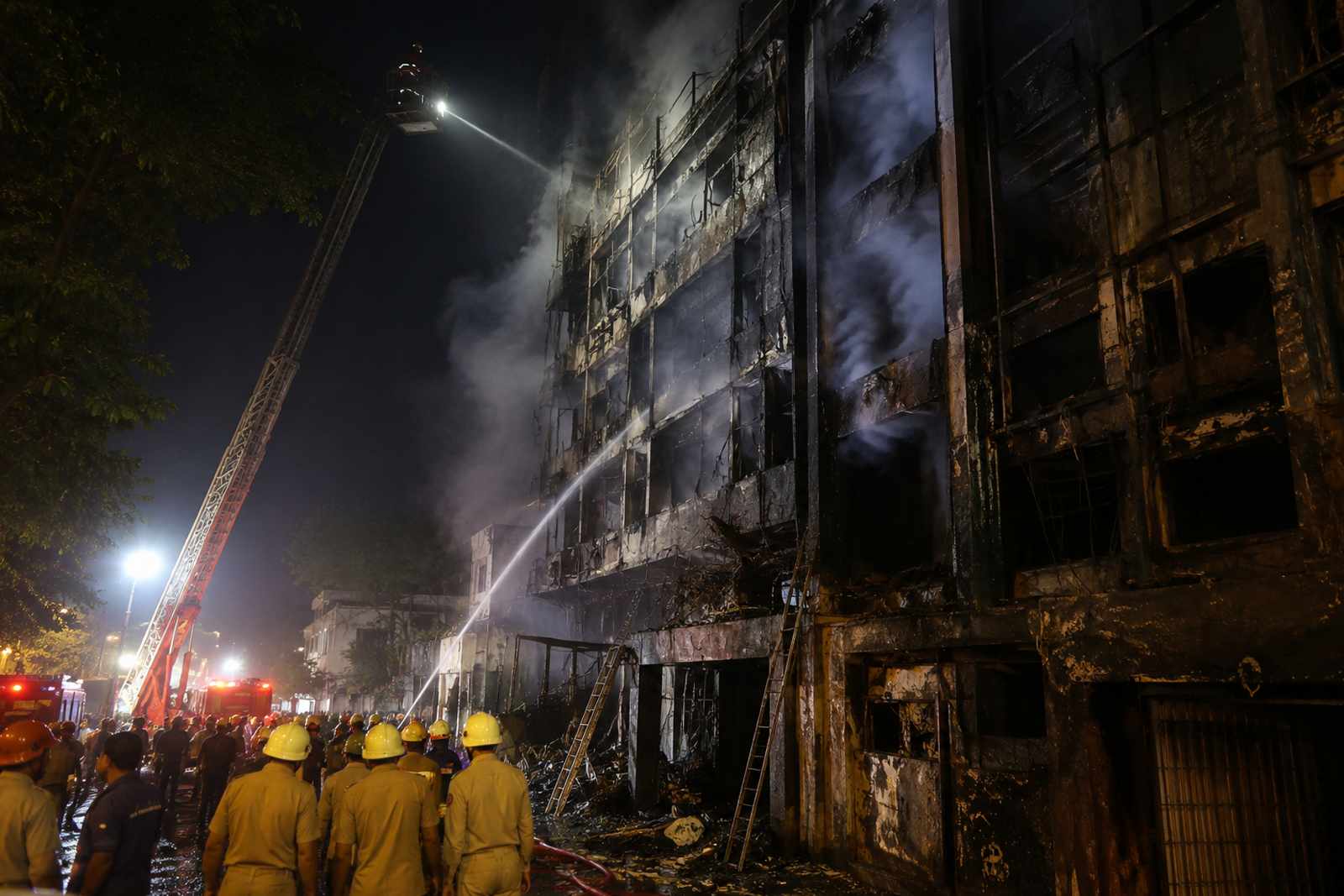
Authorities confirmed that emergency teams were dispatched immediately after locals alerted police about the incident. Fire services, medical units and specialised disaster-response personnel joined the effort, working through the night to stabilise weakened tunnels and search for survivors. Floodlights illuminated the forested area surrounding the mine, while anxious relatives waited nearby for updates.
What Happened at the Site
According to initial field reports, miners were extracting coal from a steep, vertical shaft when an explosion suddenly tore through the underground chamber. The force of the blast destabilised the surrounding rock, leading to cave-ins that blocked exits and communication lines.
Officials are examining several possible causes:
-
Methane Gas Accumulation: Poor ventilation in narrow shafts can allow combustible gases to build up, creating conditions for a deadly ignition.
-
Unsafe Use of Explosives: Informal mines sometimes rely on rudimentary blasting methods without proper safeguards.
-
Electrical Faults: Makeshift wiring used for lighting or pumps can spark in gas-filled spaces.
Investigators have sealed off the area and collected equipment for forensic testing while questioning individuals believed to be linked to the operation.
Rescue Efforts Under Harsh Conditions
Reaching the trapped miners has proven extremely challenging. The tunnels are cramped, unstable and filled with loose rubble, forcing rescuers to proceed slowly to avoid further collapses.
Key aspects of the rescue mission include:
-
Deployment of Specialised Units: Mine-rescue teams trained to work in low-oxygen environments have been brought in with breathing apparatus and gas detectors.
-
Heavy Machinery at the Surface: Excavators and drilling rigs are being used to remove overburden and create alternative access points.
-
Medical Preparedness: Ambulances and temporary treatment facilities have been stationed near the site, ready to respond if survivors are pulled out.
-
Round-the-Clock Operations: Teams are working in shifts to maintain continuous progress despite fatigue and poor visibility.
Officials said progress is slow but methodical, prioritising the safety of both victims and rescuers.
Families Wait for News
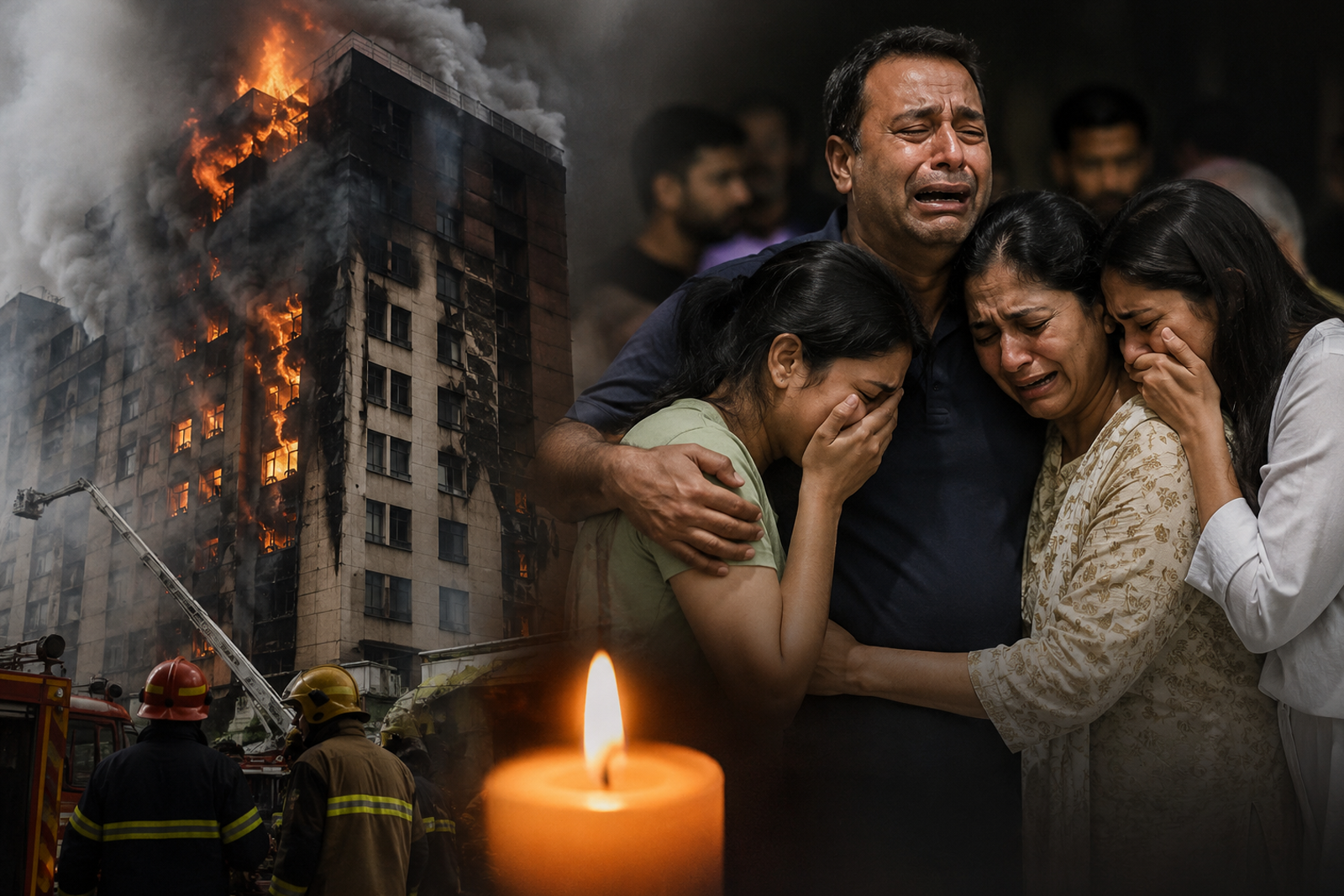
Outside the cordoned-off area, relatives of the missing miners have gathered, many travelling from nearby villages after hearing about the blast. Volunteers and local administrators are helping families with food, shelter and counselling services.
Some family members described the men who went underground as primary earners with few employment options in the region. For them, the wait has been agonising, punctuated by rumours and partial updates filtering through the crowd.
The Shadow Economy of Illegal Mining
Meghalaya has long struggled with unauthorised coal extraction, particularly in remote hilly terrain where monitoring is difficult. Despite court directives and regulatory frameworks meant to control mining, small-scale operations continue to surface, often run by informal contractors who bypass safety norms.
These illegal sites typically feature:
-
Narrow, Unlined Shafts: Dug quickly without engineering assessments.
-
Lack of Ventilation Systems: Increasing the risk of gas buildup.
-
Minimal Protective Gear: Workers often descend without helmets, respirators or harnesses.
-
Absence of Emergency Plans: No escape routes, alarms or rescue equipment on hand.
Labour advocates argue that poverty and limited alternative livelihoods drive workers to accept dangerous conditions, while weak enforcement allows operators to keep running.
Government Response and Investigation
Following the tragedy, senior state officials visited the site and announced compensation packages for the families of those who died. Orders were issued for a comprehensive inquiry into how the mine was functioning and who was responsible for employing the workers.
Authorities have outlined several immediate steps:
-
Sealing the Affected Areato prevent further entry and preserve evidence.
-
Launching a Criminal Probeinto the operators and suppliers involved.
-
Statewide Inspectionsof known coal-bearing regions to locate similar illegal pits.
-
Coordination with Environmental Agenciesto assess ecological damage caused by unregulated mining.
Political leaders have also urged district administrations to intensify surveillance and community outreach to discourage participation in unsafe extraction activities.
Environmental and Social Concerns Resurface
Beyond the immediate human toll, the blast has reignited concerns about environmental degradation linked to clandestine mining. Acidic runoff, deforestation and contaminated streams have previously been associated with unregulated coal pits in the region.
Environmental groups say the disaster underscores the need for:
-
Reclamation of Abandoned Minesto prevent collapses and water pollution.
-
Stricter Penaltiesfor operators who flout mining and labour laws.
-
Sustainable Livelihood Programsto reduce dependence on risky work.
-
Transparent Monitoring Systemsusing satellite imagery and community reporting.
A Grim Reminder of Persistent Risks
As rescue operations continue, the Meghalaya coal mine blast stands as another stark reminder of the dangers posed by illegal and poorly regulated mining. For families waiting anxiously at the site, the hope of finding survivors remains, even as the confirmed death toll brings grief to multiple communities.
The incident has once again pushed the spotlight onto the intersection of economic desperation, regulatory gaps and hazardous working conditions. Whether this tragedy will translate into lasting reforms remains to be seen, but for now, the focus remains firmly on the rescue effort and the search for accountability in the wake of one of the state’s deadliest recent mining accidents.