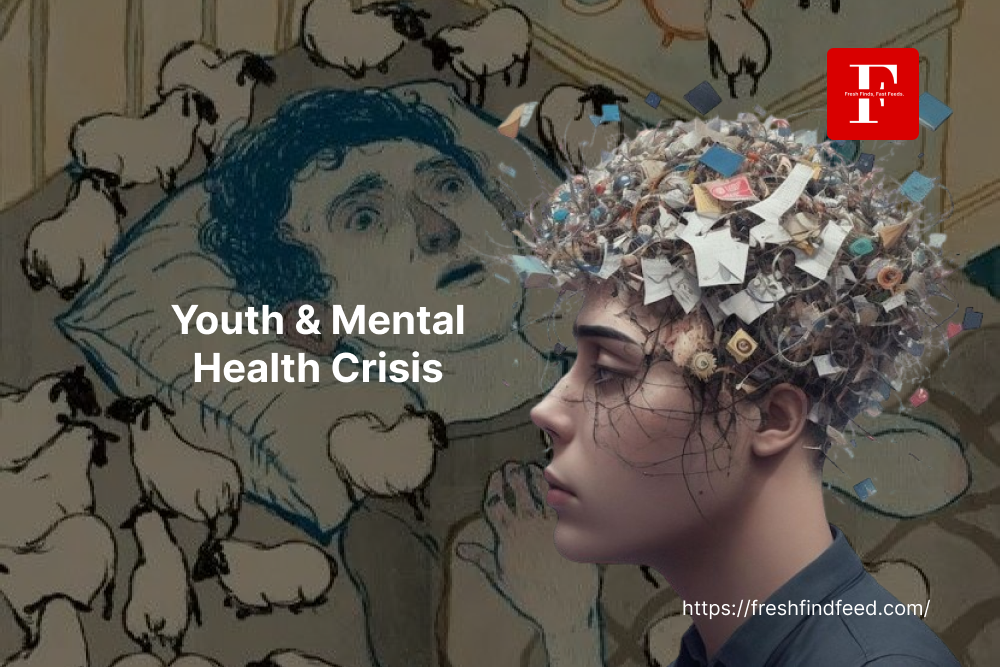
Mental health has become one of the most urgent issues of our time, and no group feels it more strongly than today’s youth. Gen Z and millennials are often called the most connected, ambitious, and creative generations — but they are also the most anxious, stressed, and overwhelmed.
Rates of depression, anxiety, and burnout among young people have skyrocketed in the past decade. Many experts call it a “silent epidemic” that is reshaping not only personal lives but also education, work, and relationships. But why is this happening now, and why are young people so deeply affected?
The Pressures Facing Today’s Youth
- Academic & Career Stress
Competition has never been higher. Students face pressure to excel, get into the best colleges, or secure jobs in an unstable economy.
The fear of falling behind creates constant anxiety.
Digital Overload
Social media offers connection but also fuels comparison.
Seeing filtered “perfect lives” online makes many feel inadequate or left out.
Constant notifications create mental fatigue, leaving little room for rest.
Climate change, economic instability, and political unrest weigh heavily on young minds.
Many feel hopeless about the world they are inheriting.
Ironically, being “always online” hasn’t erased loneliness.
Many young people report feeling isolated, with fewer deep, real-life connections.
While conversations have improved, in many cultures, mental health is still misunderstood or dismissed.
Young people often struggle to get the support they need.
Uncertain Future
Loneliness in a Connected World
Stigma Around Mental Health
Why Gen Z and Millennials Feel It the Most
- They Grew Up Online: Constant exposure to digital platforms has shaped how they see themselves and others.
- Economic Struggles: Rising costs, student loans, and unstable job markets create financial insecurity.
- Breaking Traditions: Unlike older generations, they question traditional paths of work, marriage, and stability — but this freedom also brings uncertainty.