







Naravane Memoir Controversy: Defence Ministry Moves to Frame New Publication Norms
Naravane Memoir Row Prompts Defence Ministry to Draft Fresh Publication Norms
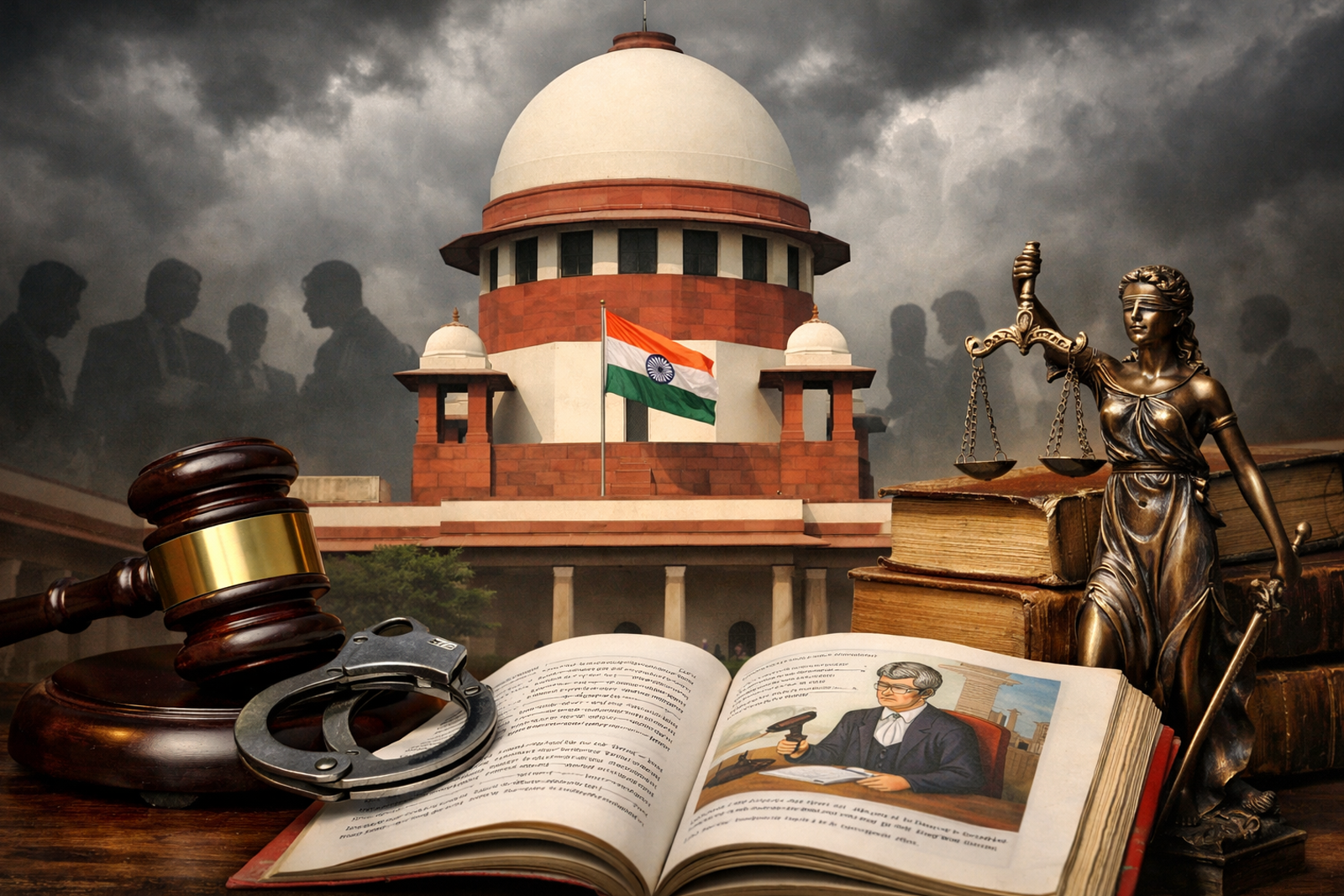
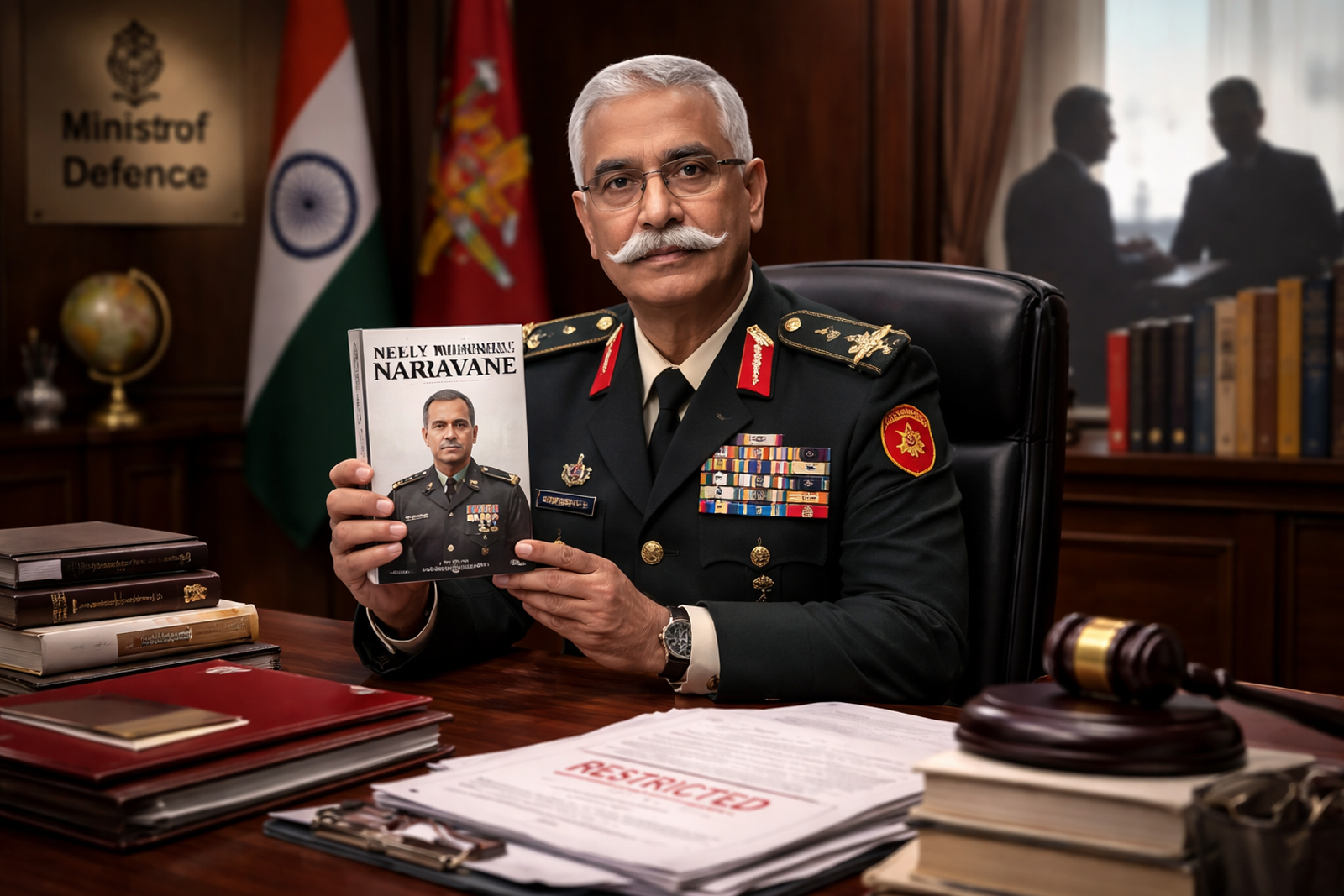
The controversy surrounding former Army Chief General M.M. Naravane’s memoir has prompted the Defence Ministry to initiate a review of existing rules governing the publication of books and public statements by serving and retired armed forces personnel. The move comes amid heightened debate over the disclosure of sensitive military and strategic matters in personal accounts.
According to officials, the Ministry is examining whether the current clearance mechanisms are adequate to prevent the unintended release of classified or operationally sensitive information. While retired officers are permitted to write and publish books, they are required to adhere to established protocols that ensure national security interests are not compromised. The fresh norms are expected to clarify the boundaries between personal reflections and information that may impact defence preparedness or diplomatic relations.
Sources indicate that the proposed guidelines may include stricter pre-publication vetting procedures, defined timelines for review, and clearer definitions of what constitutes sensitive content. The aim is not to curb freedom of expression, but to balance transparency with national security considerations. Defence authorities believe that a structured framework will reduce ambiguity and prevent similar controversies in the future.
The development has also sparked discussion within strategic circles about the evolving relationship between the armed forces, public discourse, and democratic accountability. As military leaders increasingly document their experiences, policymakers face the challenge of safeguarding confidential information while respecting individual rights.
The Defence Ministry is expected to consult legal experts and senior defence officials before finalising the revised norms. Once implemented, the updated guidelines could reshape how defence-related publications are regulated in India, setting clearer standards for both serving and retired officers.
Naravane Memoir Controversy: Defence Ministry Moves to Frame Clearer Rules for Military Publications
The debate triggered by former Army Chief General M.M. Naravane’s memoir has led the Defence Ministry to consider a comprehensive overhaul of guidelines governing books, articles, and public commentary by serving and retired armed forces personnel. The issue has once again highlighted the delicate balance between transparency in a लोकतांत्रिक society and the imperative of safeguarding national security.
While military leaders around the world often document their experiences after retirement, such writings can sometimes generate political and strategic ripples. In India, the current controversy has prompted policymakers to examine whether existing rules are sufficiently robust, clearly defined, and consistently implemented.
Why the Controversy Emerged
The memoir reportedly contains references to key national security developments and internal decision-making processes. Although no official statement has confirmed any breach of classified information, the public debate has raised important questions:
-
Were all necessary clearances obtained before publication?
-
Are current vetting mechanisms comprehensive enough?
-
Should retired officers face stricter scrutiny when writing on sensitive matters?
The situation has underscored the need for a clearer framework to prevent misunderstandings and protect institutional credibility.
Existing Rules on Defence Publications
At present, serving officers must obtain prior approval before publishing any material related to their service. Retired personnel are also expected to ensure that their writings do not disclose classified details or compromise operational security.
However, experts point out certain challenges:
-
Lack of clearly defined timelines for clearance.
-
Ambiguity over what constitutes “sensitive information.”
-
Variations in interpretation of guidelines across departments.
These gaps may have contributed to the present controversy.
What the Fresh Norms May Include
Sources suggest that the Defence Ministry is considering several reforms to strengthen oversight while maintaining fairness. The proposed measures could include:
1. Structured Pre-Publication Review
A formal and time-bound review mechanism may be introduced to examine manuscripts before release. This would ensure clarity for authors and publishers.
2. Clear Definition of Sensitive Content
The revised norms could outline specific categories such as operational strategies, intelligence inputs, diplomatic exchanges, and procurement decisions that require caution.
3. Uniform Guidelines for All Services
Standardised rules across the Army, Navy, and Air Force may replace any service-specific ambiguities.
4. Accountability Provisions
Clear consequences for non-compliance may be spelled out to prevent future disputes.
Balancing Transparency and National Security
India’s armed forces operate under civilian oversight, and public accountability is a cornerstone of democratic governance. At the same time, defence strategy and military preparedness rely heavily on confidentiality.
The challenge for policymakers lies in maintaining:
-
Institutional Discipline:Ensuring that sensitive information remains protected.
-
Freedom of Expression:Respecting the right of veterans to share their experiences.
-
Public Trust:Preventing controversies that may affect the credibility of defence institutions.
Legal experts argue that the solution is not blanket restrictions but clearer procedural safeguards.
Impact on Civil-Military Relations
The episode has sparked wider discussion within strategic and academic circles about evolving civil-military dynamics in India. Memoirs often provide historical insights and institutional learning opportunities. However, if such publications become politically contentious, they risk drawing the armed forces into public debate in ways that may not be desirable.
By introducing transparent and uniform norms, the government aims to prevent future friction and preserve the apolitical character of the military establishment.
Consultations and the Way Forward
The Defence Ministry is expected to hold consultations with:
-
Senior serving and retired officers
-
Legal and constitutional experts
-
National security advisors
-
Publishing industry stakeholders
Such discussions are likely to shape a balanced framework that protects security interests without discouraging intellectual contributions from veterans.
A Broader Policy Signal
The move to frame fresh guidelines sends a broader signal about the government’s intent to modernise institutional protocols in an era of rapid information flow. With digital publishing, social media commentary, and global media attention, the risks associated with inadvertent disclosure have grown significantly.
A structured, transparent, and predictable clearance system may help avoid controversy while encouraging responsible discourse.
Conclusion
The Naravane memoir row has acted as a catalyst for policy introspection within the Defence Ministry. Rather than focusing solely on the immediate controversy, the government appears determined to strengthen long-term regulatory clarity. If implemented thoughtfully, the new norms could strike a careful balance between national security, democratic openness, and the intellectual freedom of those who have served the nation.
As India continues to navigate complex geopolitical challenges, safeguarding sensitive information while fostering informed public dialogue will remain a critical priority.

About The Author
Soojin Das is a dedicated journalist with a strong focus on public affairs, governance, and grassroots reporting. With a passion for uncovering stories that matter, she brings clarity, accuracy, and depth to complex issues shaping communities across India. Her reporting spans politics, social development, education, and local civic concerns, giving readers a balanced and well-researched perspective. Known for her sharp news sense and ethical approach to journalism, Anita combines on-ground reporting with data-driven analysis and compelling storytelling. She has covered major policy announcements, elections, disaster response efforts, and community-led initiatives, ensuring that audiences receive timely and trustworthy information. Anita believes journalism plays a vital role in strengthening democracy and amplifying under-represented voices. Through interviews, investigative pieces, and human-interest stories, she aims to inform, engage, and empower readers. When not in the field, she closely follows media innovation and digital storytelling trends, continually refining her craft to meet the evolving needs of modern newsrooms.
Soojin Das | Journalist


You Might Also Like
-
Indian Navy Strengthens Presence in Gulf of Oman as INS Delhi Clears Strait of Hormuz The Indian Navy has reinforced its maritime presence in t...
-
India Rejects Claims of US Using Its Ports for Strikes on Iran Amid rising tensions in the Middle East, the Government of India has firmly deni...


Suggested Video