







Trump Warns Iran: Stability Threats Won’t Be Tolerated
Rising Tensions Between United States and Iran
Geopolitical tensions between the United States and Iran have intensified once again, drawing global attention to the fragile security environment across the Middle East. Recent statements from American leadership indicate growing concern over regional stability, strategic alliances, and the potential impact of military escalation. The situation reflects longstanding disagreements over defense policies, regional influence, and nuclear-related concerns.
Donald Trump Issues Strong Warning
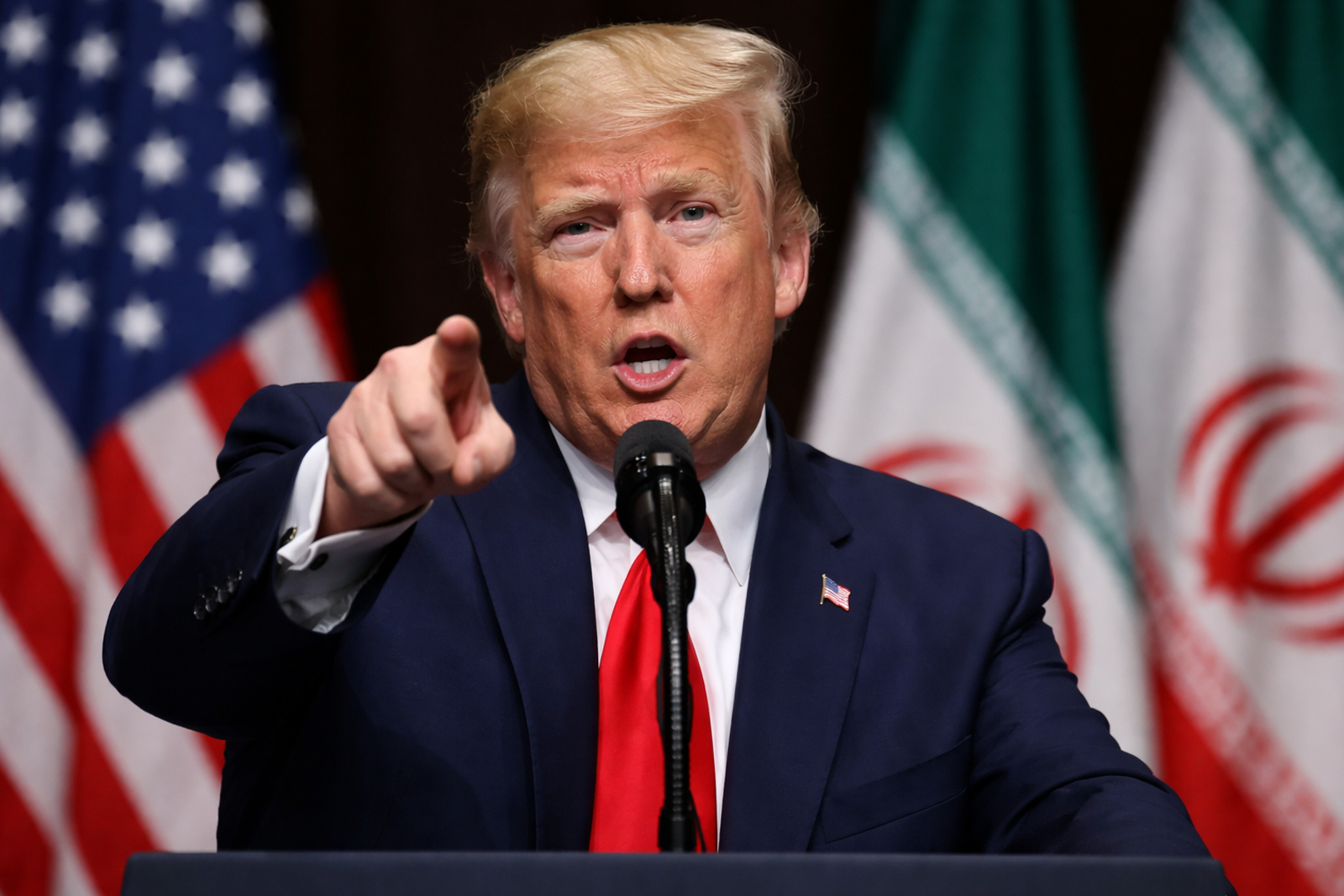
Former US President Donald Trump delivered a firm message stating that Iran cannot continue actions that threaten regional peace. His remarks emphasized the importance of maintaining stability and preventing further conflict in sensitive zones where multiple international interests intersect. The statement also highlighted the need for diplomatic pressure combined with strategic preparedness, signaling a tougher tone compared to earlier negotiation-focused approaches.
Strategic Importance of Regional Stability
The Middle East remains one of the world’s most strategically significant regions due to its energy resources and geopolitical positioning. Any escalation between major powers and regional actors could disrupt trade routes, increase military tensions, and affect global markets. Analysts believe that maintaining balance in the region requires continuous diplomatic engagement along with coordinated international efforts.
Response and Global Attention on Tehran
Iran’s leadership in Tehran has repeatedly stated that its policies are focused on national security and regional partnerships. However, international observers continue monitoring developments closely, as both diplomatic and economic factors influence the direction of future relations. With global powers watching carefully, the coming months are expected to play a crucial role in determining whether dialogue or confrontation shapes the next phase of US-Iran relations.
Growing Geopolitical Strain Between United States and Iran
Tensions between the United States and Iran have once again moved to the forefront of international politics, raising concerns about security, diplomacy, and economic stability across the Middle East. The relationship between the two nations has remained complex for decades, shaped by ideological differences, strategic competition, and disagreements over nuclear development and regional influence. Recent political statements and strategic positioning have further intensified discussions about the future direction of this relationship.
Global observers note that the situation is not limited to bilateral disagreements. Instead, it involves multiple regional actors, international alliances, and global economic interests. Because of the region’s importance in energy supply and trade routes, even minor escalations can have widespread consequences.
Strong Political Messaging from Donald Trump
In a recent statement, Donald Trump warned that Iran cannot continue actions that threaten regional stability. His remarks reflected a broader strategic viewpoint that emphasizes deterrence and stronger diplomatic pressure. Political messaging of this kind often plays a significant role in shaping international negotiations, as it signals policy direction and influences allied nations.
Key aspects highlighted in the statement include:
-
The need to prevent further escalation in sensitive zones
-
Encouragement for stronger international cooperation
-
Emphasis on national and regional security priorities
-
Support for diplomatic solutions backed by strategic readiness
Such messaging typically aims to reinforce geopolitical positioning while keeping diplomatic channels open.
Historical Background of the Conflict
The US-Iran relationship has gone through several phases, ranging from cooperation to confrontation. Over the years, disagreements have centered on political ideology, sanctions, military presence, and nuclear policy. Historical developments continue to influence current diplomatic strategies and public perception.
Major contributing factors include:
-
Economic sanctions imposed over nuclear concerns
-
Strategic alliances formed with regional partners
-
Military activities in key maritime routes
-
Differences in political governance models
These factors have created a long-standing atmosphere of mistrust, making negotiations more complex.
Strategic Importance of the Region
The Middle East holds enormous geopolitical significance due to its natural resources and global trade connections. Several international shipping routes pass through the region, making stability essential for economic continuity worldwide.
Important regional elements include:
-
Energy production and export networks
-
Maritime trade corridors
-
Military bases operated by global powers
-
Political alliances affecting regional balance
Any disruption in these areas can influence global markets, fuel prices, and diplomatic relations.
Iran’s Perspective and Policy Approach
Officials in Tehran have consistently stated that their strategic policies are focused on national defense and regional cooperation. Iranian leadership often argues that external pressure and sanctions have contributed to the current tensions.
Iran’s policy stance generally emphasizes:
-
Protection of national sovereignty
-
Strengthening regional partnerships
-
Expansion of economic resilience under sanctions
-
Development of defense capabilities
This perspective continues to shape the country’s responses to international criticism.
Role of International Organizations and Diplomacy
Global institutions such as theUnited Nationsplay a critical role in reducing tensions and encouraging diplomatic engagement. Multilateral dialogue is often seen as the most effective pathway to preventing conflict while maintaining international legal frameworks.
Diplomatic tools commonly used include:
-
Negotiation platforms for nuclear discussions
-
Economic agreements and sanctions adjustments
-
Peace-building initiatives
-
Monitoring and verification mechanisms
Such efforts aim to balance enforcement with negotiation, ensuring that diplomatic solutions remain viable.
Economic Impact of Rising Tensions
Geopolitical uncertainty often affects financial markets and international trade. Investors closely monitor developments between major nations because instability can influence oil prices, currency values, and supply chains.
Potential economic effects include:
-
Fluctuations in global energy markets
-
Changes in investment confidence
-
Trade disruptions across regional routes
-
Increased defense spending by affected nations
These economic reactions demonstrate how political developments can quickly extend into global financial systems.
Security Concerns and Military Preparedness
Security remains one of the most sensitive aspects of the US-Iran relationship. Both nations maintain strong defense capabilities, and regional allies are also deeply involved in security arrangements.
Key security considerations include:
-
Naval activities in strategic waterways
-
Missile defense developments
-
Military alliances and joint exercises
-
Intelligence coordination among partner nations
While military preparedness is often presented as a preventive measure, experts warn that miscommunication or miscalculation could increase risks.
Future Outlook and Diplomatic Possibilities
Despite strong rhetoric, many analysts believe that diplomacy will continue to play a central role in shaping future relations. International pressure combined with economic realities often encourages negotiation over confrontation.
Possible future developments include:
-
Renewed nuclear discussions
-
Adjustments in sanction policies
-
Increased mediation by international partners
-
Confidence-building measures to reduce escalation
The direction of upcoming diplomatic efforts will likely determine whether tensions ease or continue to intensify.
Conclusion
The evolving relationship between the United States and Iran remains one of the most closely watched geopolitical issues in the world. Political statements, strategic policies, and diplomatic engagement will continue to influence the stability of the Middle East. As global stakeholders monitor the situation, the balance between negotiation and deterrence will play a decisive role in shaping regional peace and international cooperation in the months ahead.

About The Author
Shivani Nayak is an emerging journalist committed to delivering accurate, timely, and impactful stories for a fast-growing digital news platform. With a keen interest in politics, public policy, and community reporting, she focuses on issues that directly affect everyday life. Her work reflects a strong belief in responsible journalism, transparency, and fact-based reporting. She brings a modern, digital-first approach to news coverage, blending field reporting with multimedia storytelling to reach audiences across platforms. From breaking developments to in-depth explainers and human-interest features, Anita strives to present news in a clear, accessible manner while maintaining editorial integrity. Driven by curiosity and a deep sense of social responsibility, she actively engages with sources at the grassroots level, ensuring diverse voices are represented. She is particularly interested in governance, education reform, infrastructure development, and civic affairs. Through her reporting, Anita aims to build trust with readers and contribute to a culture of informed public dialogue. As part of a new portal, she looks forward to growing alongside the publication and helping shape its journalistic identity in the digital age.
Shivani Nayak | Journalist

You Might Also Like
-
Rising Tensions in the Gulf After Gas Field Strike A fresh wave of geopolitical tension has gripped the Middle East after Iran issued strong wa...
-
India and Canada Signal Fresh Start as Leaders Lay Groundwork for Stronger Ties In a significant diplomatic development, Prime Minister Narendr...

Suggested Video