







India and Brazil Seal Critical Minerals Deal, Take Cautious Stand on United States Tariffs
Strategic Minerals Partnership Strengthens Supply Chains and Trade Strategy
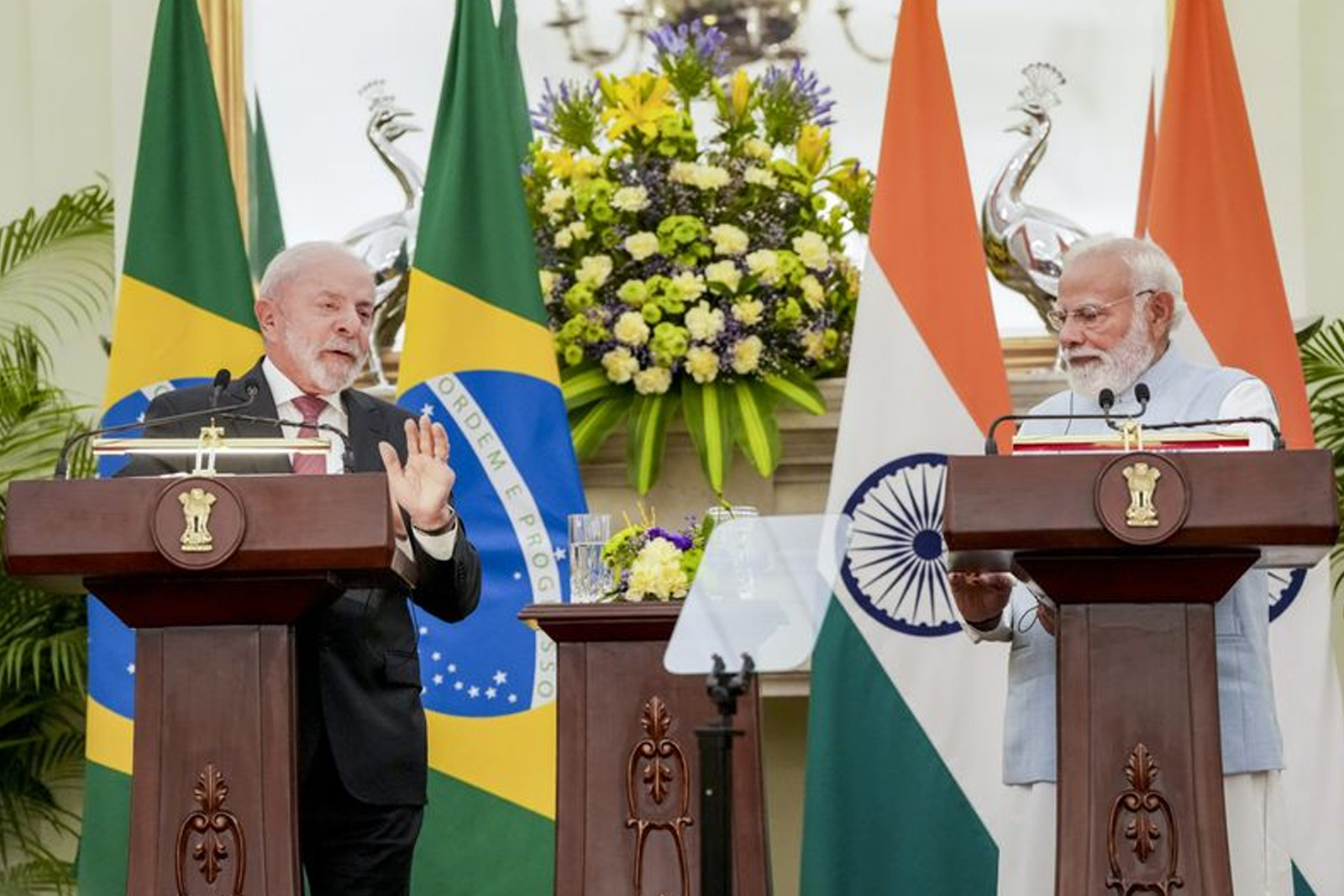
India and Brazil have taken a significant step toward strengthening their economic cooperation by signing a new agreement focused on critical minerals, an area that is becoming increasingly important in the global technology and energy transition landscape. The pact aims to improve collaboration in exploration, processing, and supply chain development for minerals essential to industries such as electric vehicles, renewable energy, electronics, and advanced manufacturing.
Critical minerals like lithium, cobalt, nickel, and rare earth elements are vital for modern industrial growth. With rising global demand and increasing geopolitical competition over resource access, both countries are working to reduce dependency on limited supply sources and build more resilient trade networks. The agreement is expected to encourage joint research initiatives, investment opportunities, and knowledge sharing between the two nations’ mining and industrial sectors.
At the same time, India and Brazil are maintaining a cautious stance regarding potential tariff policies from the United States. Rather than making immediate trade adjustments, both countries have adopted a “wait and watch” approach, indicating that they will closely monitor future policy announcements before deciding on any strategic response. This reflects a broader global trend where emerging economies are balancing cooperation with major markets while protecting their domestic industries.
The new minerals partnership also highlights the growing importance of South-South cooperation, where developing economies collaborate to secure long-term resource stability and technological progress. By strengthening ties in the critical minerals sector, India and Brazil aim to support sustainable industrial expansion while positioning themselves as key players in the evolving global supply chain network.
Overall, the agreement signals a forward-looking partnership that combines resource security with pragmatic trade diplomacy.
India–Brazil Critical Minerals Partnership: Strengthening Global Resource Security
India and Brazil have moved to deepen their strategic and economic cooperation by signing a new agreement focused on critical minerals, a sector that is rapidly becoming central to global industrial transformation. As nations compete to secure reliable access to essential raw materials for advanced technologies and clean energy systems, this partnership reflects a long-term vision to strengthen supply chains and reduce external vulnerabilities.
The agreement comes at a time when global trade patterns are evolving and countries are reassessing their dependence on limited mineral sources. Both India and Brazil possess strong industrial potential and significant natural resources, making collaboration in mining and processing a mutually beneficial step.
At the same time, both countries have adopted a cautious “wait and watch” approach toward possible tariff developments from the United States, highlighting the importance of balancing trade partnerships with economic stability.
Strategic Role of Minerals in the Future Economy
Critical minerals have become essential for modern technological and industrial progress. These materials are widely used in:
-
Electric vehicle battery production
-
Renewable energy infrastructure such as solar panels and wind turbines
-
Semiconductor and electronics manufacturing
-
Defense and aerospace technologies
As the world shifts toward cleaner energy systems, demand for minerals such as lithium, cobalt, graphite, and rare earth elements is increasing rapidly. This surge has encouraged countries to build strategic partnerships to ensure long-term supply security.
India’s expanding manufacturing sector and Brazil’s resource-rich mining landscape create a complementary relationship that supports both industrial growth and technological advancement.
Key Objectives of the India–Brazil Minerals Agreement
The newly signed pact focuses on strengthening cooperation across several major areas. These include:
1. Joint Exploration and Resource Development
Both countries plan to promote collaborative geological studies and exploration projects. This will help identify new mineral reserves and improve extraction efficiency.
2. Technology Sharing and Research Collaboration
Advanced mining technology and sustainable extraction methods are expected to be a major focus. Research institutions and industrial partners from both nations may work together to develop cost-effective and environmentally responsible solutions.
3. Supply Chain Diversification
Reducing reliance on limited global suppliers is a major strategic goal. By building alternative supply routes, both countries aim to protect their industries from sudden disruptions.
4. Investment Opportunities in Mining and Processing
The agreement encourages private sector participation and cross-border investment. This may lead to the establishment of new processing facilities and industrial partnerships.
Strategic Trade Approach Amid Global Tariff Uncertainty
While strengthening mineral cooperation, India and Brazil are also closely monitoring global trade developments. Potential tariff decisions from major economies could influence export competitiveness and supply chain costs.
Instead of reacting immediately, both countries have adopted a balanced approach that includes:
-
Monitoring policy announcements before making trade adjustments
-
Protecting domestic industries from sudden external impacts
-
Maintaining stable relations with key international markets
This careful strategy allows both economies to remain flexible while minimizing economic risks.
Role of South-South Cooperation in Economic Growth
The agreement also reflects the increasing importance of partnerships among developing economies. Collaborative frameworks between emerging markets are becoming more significant as global trade becomes more diversified.
India and Brazil are key members ofBRICS, a group that promotes economic coordination among major developing nations. Strengthening mineral cooperation aligns with broader efforts within such platforms to create resilient trade networks and reduce dependency on traditional supply chains.
South-South cooperation provides several advantages:
-
Shared development goals
-
Complementary resource strengths
-
Greater bargaining power in global markets
-
Improved technology exchange opportunities
Industrial and Economic Benefits for Both Countries
The minerals partnership is expected to generate multiple long-term economic benefits.
Boost to Manufacturing Growth
India’s expanding manufacturing ecosystem requires a steady supply of raw materials. Reliable access to critical minerals will support sectors such as electric mobility, electronics, and renewable energy.
Expansion of Brazil’s Mining Sector
Brazil’s mining industry could benefit from increased investments and technology collaboration, helping improve productivity and global competitiveness.
Job Creation and Skill Development
New projects in exploration, processing, and logistics may generate employment opportunities while strengthening technical expertise in both countries.
Strengthened Export Potential
Improved supply chains and industrial cooperation can enhance export capacity in value-added mineral products.
Environmental and Sustainability Considerations
Modern mineral development increasingly emphasizes sustainable practices. Both countries are expected to focus on:
-
Responsible mining standards
-
Environmental impact reduction
-
Recycling and circular economy initiatives
-
Clean energy usage in mineral processing
Sustainability will play a crucial role in ensuring that resource development aligns with global climate commitments while maintaining economic growth.
Future Outlook of the India–Brazil Strategic Partnership
The critical minerals agreement represents more than a trade arrangement—it signals a broader strategic alignment between two major emerging economies. As global competition for resources continues to grow, partnerships like this will become increasingly important for ensuring technological progress and industrial resilience.
In the coming years, cooperation between India and Brazil may expand into:
-
Renewable energy technology partnerships
-
Advanced materials research
-
Infrastructure and logistics development
-
Digital and industrial innovation sectors
By strengthening coordination across multiple sectors, both countries are positioning themselves as influential players in the evolving global economic landscape.
Conclusion
The India–Brazil critical minerals pact highlights a forward-looking approach to resource security, industrial growth, and international trade balance. By combining Brazil’s natural resource strengths with India’s manufacturing and technological capabilities, the partnership creates a foundation for long-term economic collaboration.
At the same time, the decision to maintain a cautious stance on global tariff developments demonstrates strategic flexibility in an uncertain trade environment. As supply chains continue to transform worldwide, this agreement marks an important step toward building resilient and sustainable economic partnerships for the future.

About The Author
Shivani Nayak is an emerging journalist committed to delivering accurate, timely, and impactful stories for a fast-growing digital news platform. With a keen interest in politics, public policy, and community reporting, she focuses on issues that directly affect everyday life. Her work reflects a strong belief in responsible journalism, transparency, and fact-based reporting. She brings a modern, digital-first approach to news coverage, blending field reporting with multimedia storytelling to reach audiences across platforms. From breaking developments to in-depth explainers and human-interest features, Anita strives to present news in a clear, accessible manner while maintaining editorial integrity. Driven by curiosity and a deep sense of social responsibility, she actively engages with sources at the grassroots level, ensuring diverse voices are represented. She is particularly interested in governance, education reform, infrastructure development, and civic affairs. Through her reporting, Anita aims to build trust with readers and contribute to a culture of informed public dialogue. As part of a new portal, she looks forward to growing alongside the publication and helping shape its journalistic identity in the digital age.
Shivani Nayak | Journalist

You Might Also Like
-
Centre Urges Responsible LPG Use Amid Supply Concerns The central government has issued an advisory urging citizens to use Liquefied Petroleum ...
-
Indian LPG Carrier Safely Crosses Strait of Hormuz, Easing Supply Concerns An Indian liquefied petroleum gas (LPG) carrier has successfully cro...

Suggested Video