







Modi’s Israel Visit ‘Ill-Timed’, Says Former Israeli Agronomist Amid Iran Crisis
Modi’s Israel Visit Sparks Debate Amid Iran Crisis
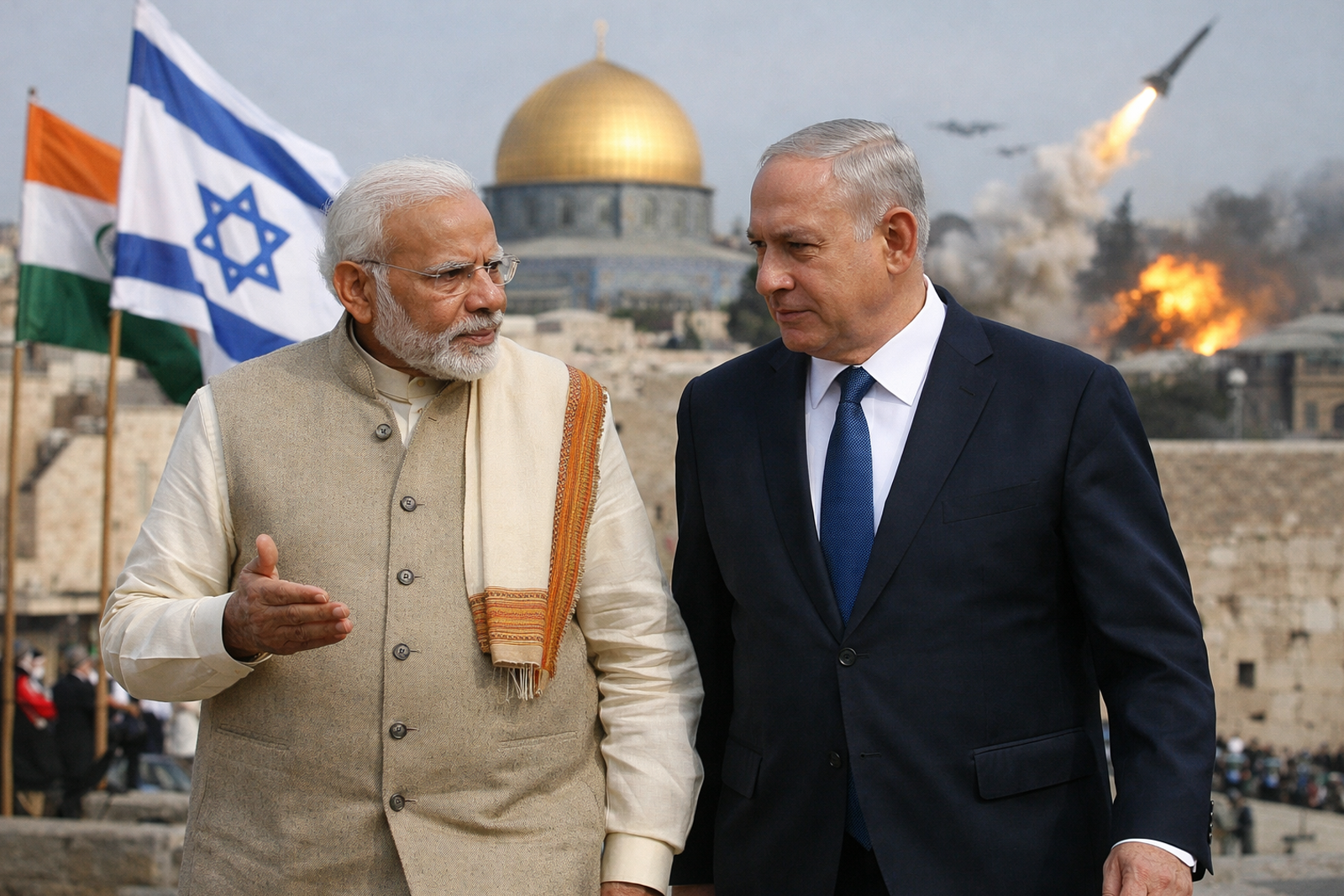
The ongoing geopolitical tension in the Middle East has intensified diplomatic discussions across the globe, especially after recent developments involving Iran and Israel. In this sensitive atmosphere, the recent visit of Narendra Modi has drawn attention from political observers and policy experts. A former Israeli chief agronomist publicly stated that the timing of the visit appeared diplomatically delicate, considering the rapidly evolving regional crisis.
Diplomatic Timing Under Scrutiny
International diplomacy often depends not only on policy decisions but also on timing and global perception. The criticism suggests that high-level visits during periods of military or political escalation can be interpreted in multiple ways by the international community. Experts believe that when tensions rise, symbolic gestures such as bilateral visits may influence diplomatic narratives, even if the original agenda focuses on economic or technological cooperation.
India’s Balanced Foreign Policy Approach
Over the years, India has strengthened defense, agriculture, and technology partnerships with Israel while also preserving energy and strategic ties with Iran. Analysts note that maintaining this diplomatic balance is increasingly challenging as conflicts in the region become more complex.
Global Reactions and Strategic Implications
While no official diplomatic disagreement has emerged, discussions among foreign policy commentators highlight how global leaders must carefully navigate international engagements during crisis periods. The situation also reflects how regional conflicts can influence broader diplomatic interactions beyond their immediate geography.
As the Middle East continues to witness uncertainty, India’s diplomatic strategy will likely remain focused on stability, dialogue, and long-term cooperation. Observers suggest that future engagements may place greater emphasis on timing and international perception to avoid misinterpretation during sensitive geopolitical moments.
Modi’s Israel Visit During Iran Crisis Triggers Diplomatic Debate
The rapidly shifting geopolitical situation in the Middle East has placed global diplomacy under intense observation. Rising tensions involving Iran and Israel have drawn international concern, particularly regarding how world leaders position themselves during sensitive moments. Against this backdrop, the recent Israel visit by Narendra Modi has become a topic of debate after remarks from a former Israeli chief agronomist suggested that the timing of the visit may not have been strategically ideal.
Although the visit focused largely on cooperation in agriculture, technology, and innovation, the surrounding geopolitical developments shifted public and analytical attention toward diplomatic symbolism and timing.
Understanding the Regional Context
The Middle East has long been a region where political, military, and economic interests intersect. Recent developments have further increased global attention due to security concerns and shifting alliances.
Key regional factors include:
-
Escalation of military rhetoric between Iran and Israel
-
Growing international concern over stability in the region
-
Increased diplomatic activity by global powers
-
Economic uncertainties linked to energy markets
When tensions escalate in such a region, even routine diplomatic visits often attract broader interpretations beyond their official agenda.
India’s Strategic Position in the Middle East
India has maintained a carefully balanced foreign policy approach in the Middle East for decades. India’s diplomatic strategy has focused on strengthening economic partnerships while avoiding direct alignment in regional conflicts.
India’s major interests in the region include:
-
Energy security and oil imports
-
Defense and technology partnerships
-
Trade and infrastructure cooperation
-
Welfare of the Indian diaspora working across Middle Eastern countries
India shares strong defense and agricultural cooperation with Israel while also maintaining historical and energy ties with Iran. Because of these dual relationships, every diplomatic move by India is closely analyzed by global observers.
Why Timing Matters in International Diplomacy
Diplomatic visits are not only about agreements and partnerships; they also carry symbolic value. Timing becomes especially important during periods of geopolitical uncertainty.
Several reasons explain why timing plays a critical role:
-
It influences international perception
-
It may affect bilateral or multilateral negotiations
-
It can be interpreted as political alignment
-
It shapes global media narratives
Experts often note that even if a visit is planned months in advance, unfolding events can change how it is perceived internationally.
The Role of Agriculture Diplomacy Between India and Israel
Agricultural cooperation has been one of the strongest pillars of India–Israel relations. Israel is globally recognized for advanced farming technology, particularly in water management and desert agriculture.
Key cooperation areas include:
-
Drip irrigation technology
-
Precision farming techniques
-
Crop productivity improvement programs
-
Farmer training and knowledge exchange
India has implemented several agricultural excellence centers with Israeli technical support. These programs aim to improve crop yields and resource management across different Indian states.
The involvement of agricultural experts in public commentary highlights how even technical partnerships can intersect with broader diplomatic narratives.
International Reactions and Analytical Perspectives
While there has been no official diplomatic criticism from governments, analysts and policy observers have offered varied interpretations of the visit’s timing.
Some common analytical viewpoints include:
-
The visit reflects India’s independent foreign policy approach
-
Strategic engagements often continue despite regional conflicts
-
Symbolic diplomacy may sometimes be misunderstood
-
Global powers increasingly follow multi-alignment strategies
International relations experts emphasize that modern diplomacy is no longer based on rigid alliances but on flexible cooperation frameworks.
Media Influence on Diplomatic Narratives
Global media coverage plays a major role in shaping public perception of international events. During conflict periods, diplomatic engagements often receive heightened scrutiny.
Media-driven factors include:
-
Focus on geopolitical symbolism
-
Interpretation of diplomatic gestures
-
Rapid spread of opinion-based commentary
-
Increased audience interest in conflict-related news
This media environment often amplifies debates that might otherwise remain limited to academic or diplomatic circles.
Challenges of Maintaining Diplomatic Balance
India’s foreign policy traditionally emphasizes strategic autonomy, meaning it seeks partnerships based on national interest rather than bloc politics. However, maintaining this balance becomes increasingly complex during regional conflicts.
Key diplomatic challenges include:
-
Managing relationships with countries that have opposing interests
-
Avoiding perception of political alignment
-
Ensuring economic partnerships remain stable
-
Navigating global power competition
Balancing multiple partnerships requires careful planning and consistent communication at diplomatic levels.
Strategic Importance of Multi-Alignment Policy
India has increasingly adopted a multi-alignment strategy rather than choosing a single geopolitical bloc. This approach allows cooperation with different nations across sectors such as defense, trade, and technology.
Advantages of this strategy include:
-
Greater economic flexibility
-
Wider technological collaboration
-
Reduced dependency on any single country
-
Enhanced global diplomatic presence
This policy approach explains why India continues engagement with multiple countries despite regional conflicts.
Future Diplomatic Outlook
As geopolitical tensions continue to evolve, global leaders are expected to pay greater attention to diplomatic timing and communication. Analysts suggest that future engagements may involve more strategic messaging to prevent misinterpretation.
Possible developments include:
-
Increased diplomatic consultations
-
Stronger emphasis on neutrality statements
-
Expanded economic cooperation frameworks
-
Continued focus on stability in international relations
The situation also highlights how global diplomacy is becoming increasingly interconnected, where events in one region influence perceptions worldwide.
Conclusion
The discussion surrounding Narendra Modi’s Israel visit reflects the complex nature of modern diplomacy, where timing, perception, and geopolitical context intersect. While the visit primarily aimed to strengthen cooperation in agriculture and technology, the ongoing tensions involving Iran and Israel shifted attention toward diplomatic symbolism.
India’s long-standing strategy of maintaining balanced international relationships continues to guide its global engagements. As the Middle East remains a sensitive geopolitical zone, careful diplomatic coordination and clear communication will remain essential in shaping future international partnerships.

About The Author
Soojin Das is a dedicated journalist with a strong focus on public affairs, governance, and grassroots reporting. With a passion for uncovering stories that matter, she brings clarity, accuracy, and depth to complex issues shaping communities across India. Her reporting spans politics, social development, education, and local civic concerns, giving readers a balanced and well-researched perspective. Known for her sharp news sense and ethical approach to journalism, Anita combines on-ground reporting with data-driven analysis and compelling storytelling. She has covered major policy announcements, elections, disaster response efforts, and community-led initiatives, ensuring that audiences receive timely and trustworthy information. Anita believes journalism plays a vital role in strengthening democracy and amplifying under-represented voices. Through interviews, investigative pieces, and human-interest stories, she aims to inform, engage, and empower readers. When not in the field, she closely follows media innovation and digital storytelling trends, continually refining her craft to meet the evolving needs of modern newsrooms.
Soojin Das | Journalist
You Might Also Like
-
Global Markets Rally as Oil Prices Plunge and Shipping Resumes Through Hormuz A wave of optimism swept through global financial markets after I...
-
Israel–Lebanon Ceasefire Agreement: A Fragile Pause in a Long-Standing Conflict In a significant diplomatic development, Donald Trump ann...

Suggested Video