





Internet Speeds Cut Across Kashmir Amid Street Protests Over Iranian Leader’s Killing
Kashmir Imposes Mobile Internet Curbs After Protests Over Khamenei Killing
Mobile internet services were significantly slowed across parts of Kashmir after protests erupted over the reported killing of Ayatollah Ali Khamenei. Authorities described the move as a precautionary step aimed at maintaining public order and preventing the spread of misinformation during a tense period.
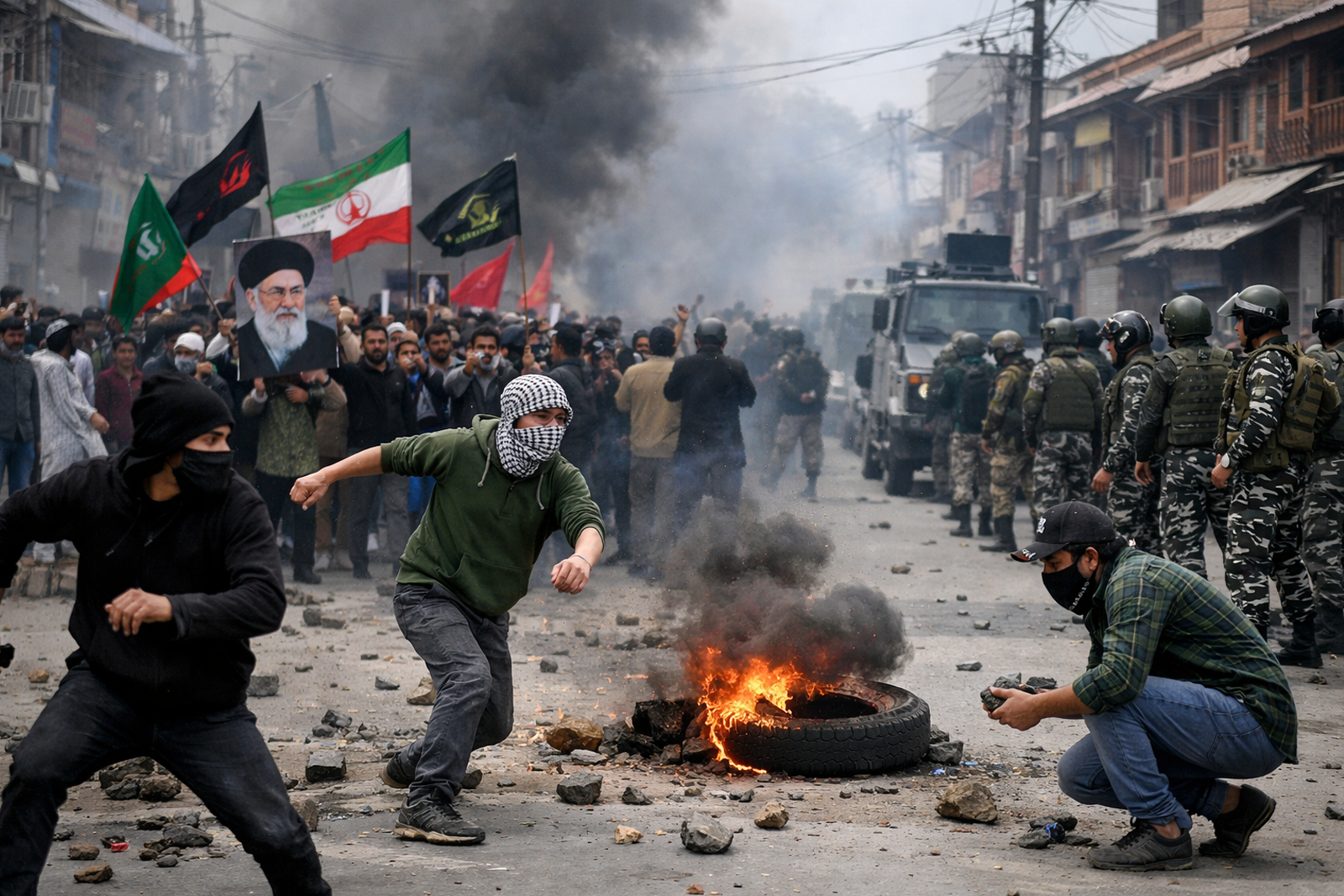
Demonstrations were reported in several areas of the Valley, where groups gathered to express anger and grief over the developments in Iran. Security forces were deployed in sensitive locations to monitor the situation and ensure that protests remained under control. While gatherings were largely peaceful in some areas, officials said internet restrictions were necessary to stop the circulation of provocative content on social media platforms.
Residents experienced slower browsing speeds, difficulty accessing messaging apps, and disruptions in video streaming services. Many locals expressed frustration, saying such restrictions affect businesses, students, and daily communication. However, the administration maintained that the temporary measure was implemented strictly to safeguard stability and prevent escalation.
Political observers note that Kashmir has witnessed similar communication curbs during periods of heightened tension in the past. Authorities often argue that limiting internet speed helps curb rumors and coordinated unrest, while civil society groups continue to debate the impact of such measures on civil liberties.
Officials have not specified how long the restrictions will remain in place, but they indicated that services would be restored once the situation normalizes. Meanwhile, security agencies remain on alert, closely monitoring both ground developments and online activity to ensure peace across the region.
Kashmir Faces Mobile Internet Restrictions After Protests Over Khamenei’s Killing
Authorities in Kashmir imposed restrictions on mobile internet services following protests triggered by the reported killing of Ayatollah Ali Khamenei. The decision to slow down connectivity was described by officials as a preventive step to maintain calm and prevent the spread of misinformation during a sensitive period. The development once again highlights the region’s complex relationship between security measures and digital access.
Below is a detailed look at the situation and its broader implications:
Immediate Trigger: Protests Across the Valley
Demonstrations were reported in several districts after news of Khamenei’s killing spread. Groups of protesters assembled in local markets and public spaces, expressing grief and anger over the development. Slogans were raised, and in some areas, security forces increased their presence to ensure gatherings did not escalate into violence.
While most protests remained limited in scale, authorities acted swiftly to prevent any potential unrest. The administration cited intelligence inputs suggesting that provocative content and unverified claims circulating online could intensify emotions on the ground.
Internet Speed Throttling as a Preventive Tool
Rather than imposing a complete internet shutdown, officials opted to reduce mobile data speeds. This approach allowed basic communication to continue while limiting the rapid sharing of videos, live streams, and large media files.
Authorities argued that slowing internet services helps curb the viral spread of rumors and inflammatory posts on social media platforms. According to officials, such measures are temporary and are reviewed regularly based on ground assessments.
However, digital rights advocates question the effectiveness of throttling, pointing out that it disrupts everyday life for millions without necessarily addressing the root causes of unrest.
Impact on Daily Life
The slowdown in internet speed has affected multiple sections of society:
-
Students: Online classes, research, and exam preparations faced disruptions due to poor connectivity.
-
Businesses: Small enterprises relying on digital payments and online orders experienced delays.
-
Healthcare Services: Telemedicine and online appointment systems operated at reduced efficiency.
-
Freelancers and IT Workers: Many professionals working remotely struggled to meet deadlines due to slower upload and download speeds.
Residents expressed mixed reactions. While some supported the administration’s decision for the sake of peace, others voiced concern about repeated disruptions to digital access in the region.
Security and Law Enforcement Measures
Security forces were deployed in sensitive locations to monitor the situation. Patrols were intensified in urban centers, and authorities kept a close watch on public gatherings.
Officials stated that the primary objective was to prevent any escalation that could lead to property damage or clashes. Community leaders were also urged to encourage calm and avoid spreading unverified information.
The administration maintained that these steps were precautionary rather than punitive.
Historical Context of Communication Curbs
Kashmir has witnessed several instances of communication restrictions during periods of political or social tension. Authorities have frequently argued that such measures are necessary to maintain order.
In the past, complete internet shutdowns were imposed during major security concerns. In comparison, the current approach of speed throttling is seen as relatively moderate. Nevertheless, critics argue that even limited digital restrictions can have long-term consequences for economic growth and educational development.
Debate Over Civil Liberties
The latest restrictions have revived discussions around digital rights and civil liberties. Advocacy groups emphasize that access to the internet is closely tied to freedom of expression, access to information, and economic opportunity.
They argue that transparency regarding the duration and scope of restrictions is essential. Clear communication from authorities can help reduce uncertainty and public frustration.
On the other hand, security agencies stress that extraordinary circumstances sometimes require temporary measures to safeguard public safety.
Regional and Global Reactions
The killing of Khamenei has sparked reactions beyond Iran, with communities across different regions responding emotionally. In Kashmir, historical and religious connections have amplified sentiments surrounding the incident.
Observers note that global events increasingly influence local dynamics, especially in an era of instant digital communication. News spreads rapidly, and reactions can mobilize within hours, prompting governments to act swiftly.
What Happens Next?
Officials have not specified a timeline for restoring full internet speeds. They indicated that the decision would depend on the ground situation and the overall security assessment.
If protests subside and normalcy returns, services are expected to be restored gradually. Meanwhile, authorities continue to monitor developments closely.
Conclusion
The mobile internet restrictions in Kashmir reflect the delicate balance between maintaining public order and ensuring uninterrupted digital access. While authorities defend the move as a precautionary measure during a sensitive time, residents and civil society groups remain concerned about its broader impact.
As global events continue to shape local responses, the challenge for policymakers lies in addressing security concerns without undermining the region’s social and economic stability. The coming days will determine whether calm prevails and digital services return to normal, or if further measures become necessary.

About The Author
Shivani Nayak is an emerging journalist committed to delivering accurate, timely, and impactful stories for a fast-growing digital news platform. With a keen interest in politics, public policy, and community reporting, she focuses on issues that directly affect everyday life. Her work reflects a strong belief in responsible journalism, transparency, and fact-based reporting. She brings a modern, digital-first approach to news coverage, blending field reporting with multimedia storytelling to reach audiences across platforms. From breaking developments to in-depth explainers and human-interest features, Anita strives to present news in a clear, accessible manner while maintaining editorial integrity. Driven by curiosity and a deep sense of social responsibility, she actively engages with sources at the grassroots level, ensuring diverse voices are represented. She is particularly interested in governance, education reform, infrastructure development, and civic affairs. Through her reporting, Anita aims to build trust with readers and contribute to a culture of informed public dialogue. As part of a new portal, she looks forward to growing alongside the publication and helping shape its journalistic identity in the digital age.
Shivani Nayak | Journalist
You Might Also Like
-
Air Ambulance Crash Near Simaria Claims Seven Lives, Probe Underway A tragic aviation accident occurred when an air ambulance travelling from R...
-
Meghalaya Coal Mine Blast: Illegal Operation Ends in Deadly Tragedy A devastating explosion at an unauthorised coal mining site in Meghalaya ha...

Suggested Video