





U.S. Grants 30-Day Waiver Allowing India to Buy Russian Oil Amid West Asia Supply Concerns
U.S. Grants 30-Day Waiver for India to Continue Russian Oil Purchases
Temporary Relief Amid Global Supply Concerns
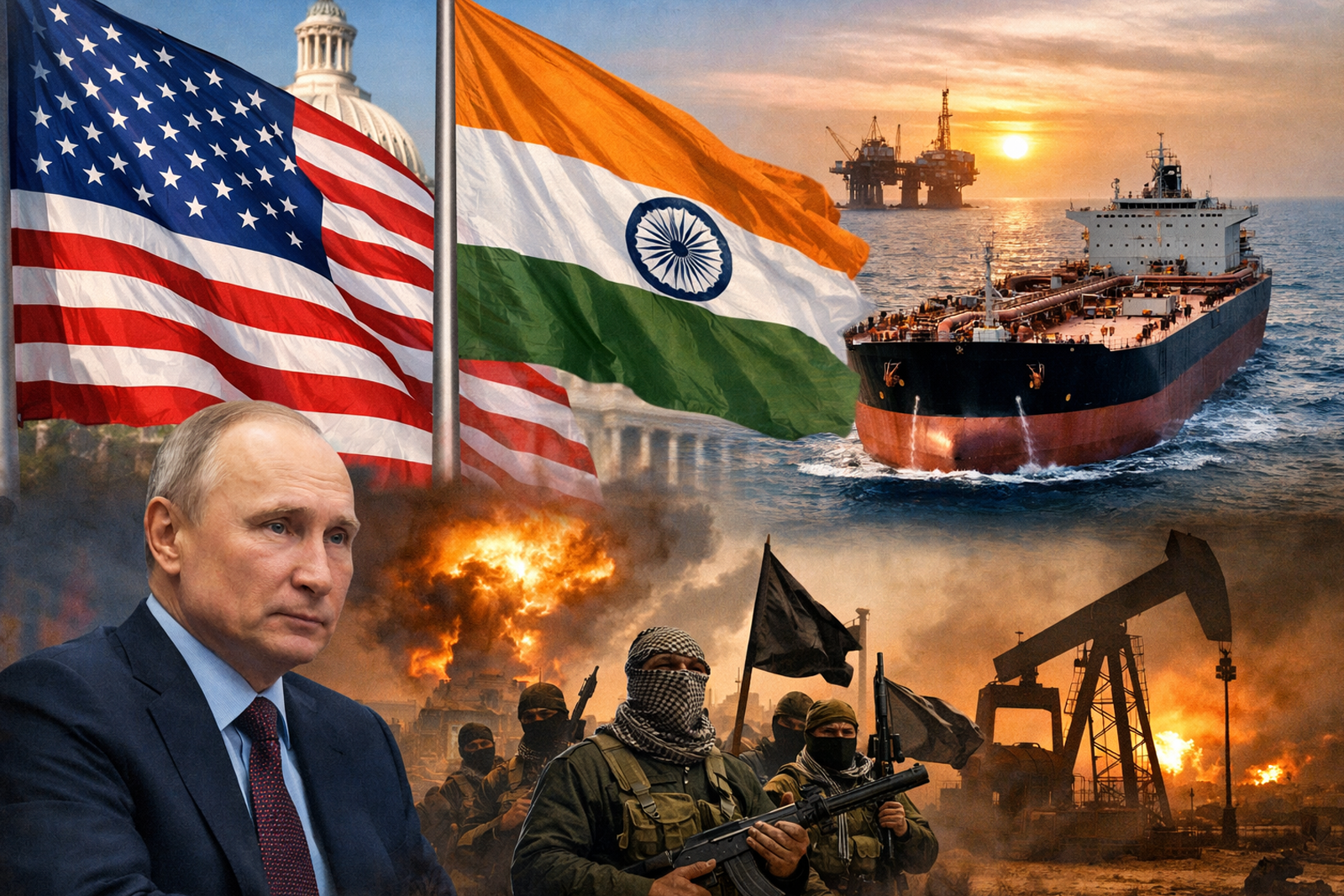
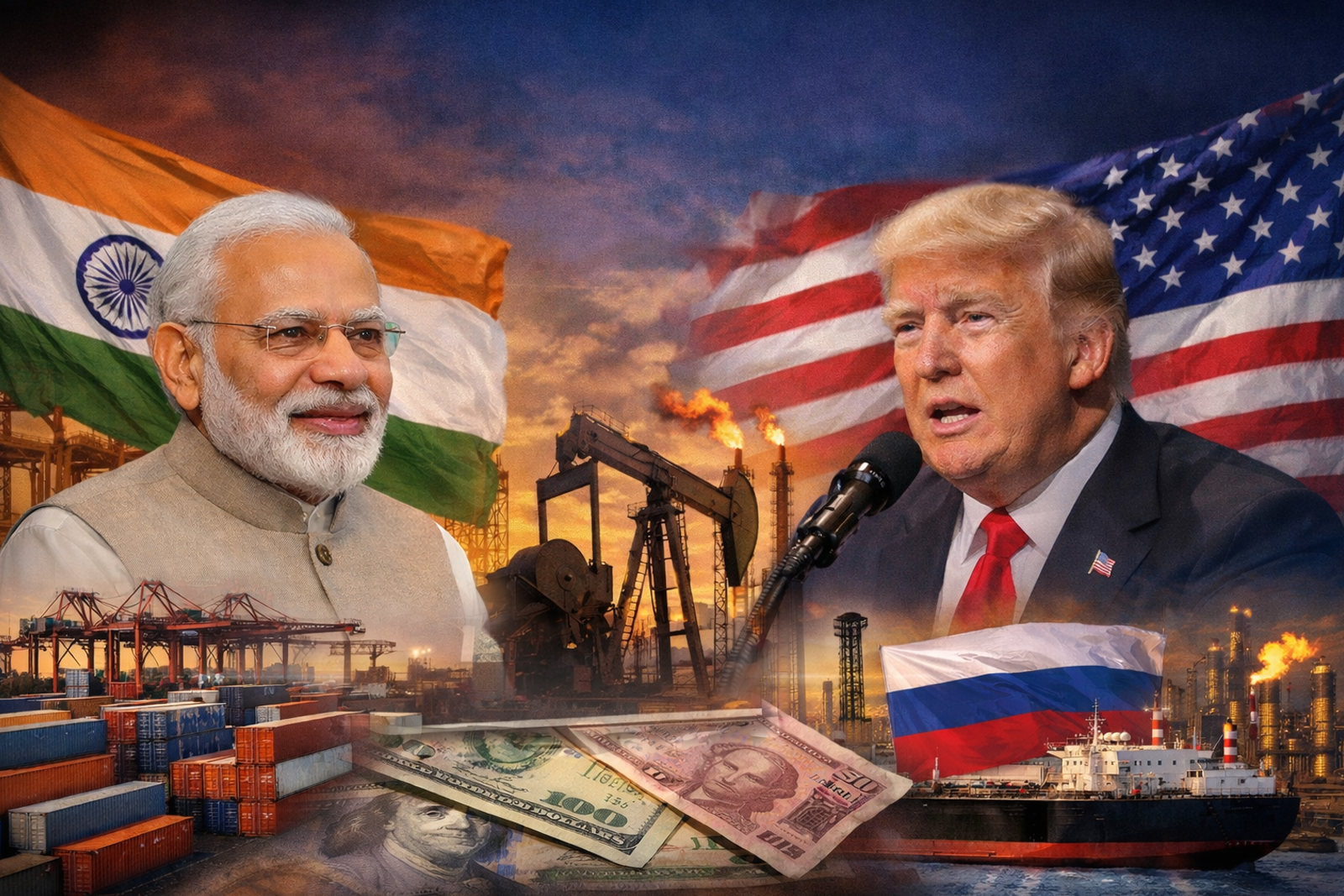
The United States has issued a temporary 30-day waiver allowing India to continue purchasing crude oil from Russia, a move aimed at stabilizing energy supplies during growing disruptions in West Asia. The decision comes as geopolitical tensions and logistical challenges in the region threaten to impact global oil flows, raising concerns about price volatility and supply shortages.
Balancing Sanctions and Energy Security
Since the outbreak of the Russia–Ukraine War, the U.S. and its allies have imposed multiple sanctions on Russian energy exports. However, India—one of the world’s fastest-growing energy consumers—has continued to import discounted Russian crude to meet its domestic demand. The latest waiver reflects a pragmatic approach by Washington, acknowledging the need to balance sanctions with the energy security needs of key partners.
Officials familiar with the development say the temporary exemption is designed to give India time to adjust procurement strategies if disruptions in West Asia continue. It also helps prevent sudden shocks in the global oil market that could drive fuel prices higher for consumers worldwide.
Impact on India’s Energy Strategy
For India, the waiver provides short-term relief at a time when international oil markets remain uncertain. Russian oil has become a major component of India’s crude imports over the past two years due to competitive pricing and flexible supply arrangements. Energy analysts note that maintaining these imports helps India manage inflation, support industrial growth, and ensure stable fuel availability.
While the waiver is limited to 30 days, it signals ongoing diplomatic coordination between Washington and New Delhi. Both countries appear focused on maintaining economic stability while navigating complex geopolitical dynamics affecting global energy trade.
U.S. Issues 30-Day Waiver Allowing India to Purchase Russian Oil
Introduction
The United States has granted a temporary 30-day waiver allowing India to continue importing crude oil from Russia. The decision comes at a time when global energy markets are facing uncertainty due to supply disruptions and rising geopolitical tensions in West Asia. The waiver is being viewed as a practical step by Washington to ensure stability in global oil markets while supporting India’s energy requirements.
India has emerged as one of the largest buyers of Russian crude in recent years, especially after Western sanctions on Moscow following the Russia–Ukraine War. The temporary exemption allows Indian refiners to maintain existing supply contracts without immediate disruption.
Background of the Energy Situation
The global oil market has been experiencing volatility over the past few years due to conflicts, sanctions, and shifting trade patterns. When the Russia–Ukraine war began in 2022, several Western countries restricted imports of Russian energy resources in an attempt to pressure Moscow economically.
However, countries like India continued to buy Russian oil, taking advantage of discounted prices. For India, this strategy helped secure affordable crude oil and maintain fuel price stability in the domestic market. As a developing economy with growing energy demand, India relies heavily on imported crude oil to power industries, transportation, and electricity generation.
At the same time, instability in West Asia — a major oil-producing region — has increased concerns about supply disruptions. Any conflict or shipping issues in this region could impact global oil flows and trigger price spikes.
Reasons Behind the U.S. Waiver
The U.S. decision to grant a short-term waiver reflects a balance between geopolitical objectives and economic realities. Several key factors contributed to the move:
1. Preventing Global Oil Supply Disruptions
West Asia plays a critical role in the global energy market. If tensions or logistical challenges reduce production or transportation in the region, countries dependent on imported oil could face shortages. Allowing India to continue buying Russian oil temporarily helps maintain stable global supply levels.
2. Supporting Strategic Partnership
India and the United States share a strong strategic partnership across economic, defense, and technological sectors. Granting the waiver demonstrates Washington’s willingness to accommodate India’s energy needs while maintaining diplomatic cooperation.
3. Stabilizing Oil Prices
Sudden restrictions on Russian oil imports by major buyers like India could remove significant volumes from the global market. Such a move could push oil prices higher, affecting consumers worldwide. The waiver helps prevent abrupt market disruptions.
4. Time for Market Adjustment
The 30-day period provides governments and energy companies time to explore alternative supply sources and adjust trade routes if necessary.
India’s Growing Dependence on Russian Oil
In the last two years, Russia has become one of India’s leading crude suppliers. Indian refineries began purchasing larger volumes of Russian oil because it was offered at discounted rates compared with other international benchmarks.
Several reasons explain this shift:
-
Lower Costs: Russian oil has often been cheaper than supplies from other exporters.
-
Flexible Contracts: Russian suppliers provided favorable shipping and payment arrangements.
-
Rising Demand: India’s expanding economy requires increasing amounts of energy.
By importing affordable crude, India has been able to keep fuel prices relatively stable and support economic growth.
Impact on India’s Energy Security
Energy security remains a major priority for India. The country imports more than 80 percent of its crude oil requirements from overseas sources. This heavy dependence means that disruptions in international markets can directly affect the Indian economy.
The U.S. waiver provides temporary reassurance for Indian refiners. It ensures that supply chains remain intact while global markets continue to monitor developments in West Asia.
Key benefits for India include:
-
Short-term supply stabilityfor refineries
-
Reduced risk of sudden fuel price increases
-
Greater flexibility in sourcing crude oil
However, experts also point out that India will continue exploring diversified energy sources, including imports from multiple countries and investments in renewable energy.
Global Reactions and Market Implications
The waiver has drawn attention from policymakers, energy analysts, and global traders. Many experts believe the decision reflects a pragmatic approach to managing the global oil market during uncertain times.
Some analysts argue that maintaining Russian oil flows to large buyers like India helps avoid major supply shocks. Others believe it demonstrates the complexity of enforcing strict energy sanctions without affecting global economic stability.
Oil markets are closely watching developments in West Asia, as any escalation in tensions could influence global prices. The temporary exemption helps maintain a balance between political pressure on Russia and the practical need for stable energy supplies.
Future Outlook
Although the waiver is limited to 30 days, it highlights ongoing discussions between Washington and New Delhi regarding energy cooperation and market stability. Future decisions may depend on several factors:
-
Developments in geopolitical tensions in West Asia
-
Global oil supply and demand conditions
-
International sanctions policies
-
India’s evolving energy strategy
India is likely to continue diversifying its energy imports while strengthening domestic renewable energy initiatives. At the same time, the United States may keep adjusting its policies to balance geopolitical objectives with economic realities.
Conclusion
The 30-day waiver issued by the United States allowing India to purchase Russian oil reflects the delicate balance between diplomacy, energy security, and global economic stability. With rising uncertainties in West Asia and ongoing geopolitical tensions, the decision provides temporary relief for India’s energy needs while preventing major disruptions in the international oil market.
As global energy dynamics continue to evolve, cooperation among major economies will remain essential to ensuring stable supplies, reasonable prices, and long-term energy security for nations around the world.

About The Author
Soojin Das is a dedicated journalist with a strong focus on public affairs, governance, and grassroots reporting. With a passion for uncovering stories that matter, she brings clarity, accuracy, and depth to complex issues shaping communities across India. Her reporting spans politics, social development, education, and local civic concerns, giving readers a balanced and well-researched perspective. Known for her sharp news sense and ethical approach to journalism, Anita combines on-ground reporting with data-driven analysis and compelling storytelling. She has covered major policy announcements, elections, disaster response efforts, and community-led initiatives, ensuring that audiences receive timely and trustworthy information. Anita believes journalism plays a vital role in strengthening democracy and amplifying under-represented voices. Through interviews, investigative pieces, and human-interest stories, she aims to inform, engage, and empower readers. When not in the field, she closely follows media innovation and digital storytelling trends, continually refining her craft to meet the evolving needs of modern newsrooms.
Soojin Das | Journalist


You Might Also Like
-
India–U.S. Trade Talks Enter a Crucial Phase Negotiations between India and the United States took a dramatic turn after former U.S. Pres...
-
India is preparing to substantially lower import duties on automobiles shipped from the European Union as part of its push to finalise a long-pendi...

Suggested Video