






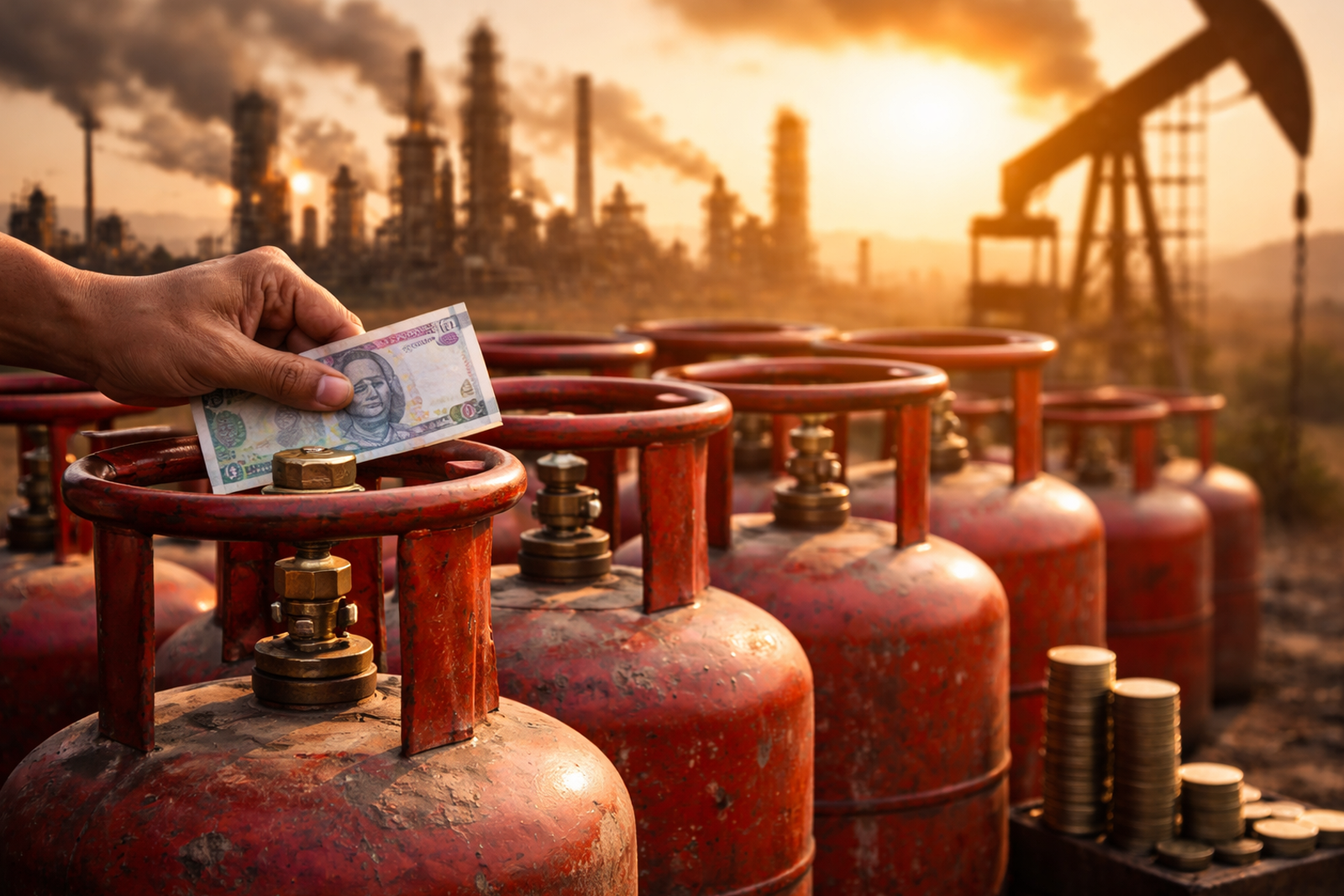
LPG Cylinder Price Increased by ₹60 as West Asia Tensions Impact Energy Costs
LPG Cylinder Price Increased by ₹60 as West Asia Tensions Impact Energy Costs
Rising Global Tensions Push Fuel Prices Higher
The price of domestic liquefied petroleum gas (LPG) cylinders in India has been increased by ₹60, a move that is expected to affect millions of households across the country. The hike comes at a time when global energy markets are witnessing volatility due to ongoing tensions in West Asia, a region that plays a crucial role in global oil and gas supplies. As geopolitical uncertainties grow, fuel-importing countries like India often experience fluctuations in energy prices.
Impact on Household Budgets
The increase in LPG prices will likely put additional pressure on household budgets, especially for middle- and lower-income families who rely heavily on cooking gas for daily needs. Domestic LPG cylinders are widely used for cooking in urban as well as rural homes, making price changes highly noticeable for consumers. Over the past few years, LPG prices have experienced several revisions influenced by global crude oil rates, transportation costs, and currency exchange fluctuations.
For many families, cooking gas is an essential expense, and even a small price hike can have a significant impact when combined with rising costs of other essential commodities. Consumers may now need to adjust their monthly budgets to accommodate the increased cost of fuel.
Link to West Asia Conflict
The current price hike is largely connected to instability in West Asia, a key hub for global energy production. Conflicts or tensions in the region can disrupt supply chains, increase transportation risks, and drive up international crude oil prices. As India imports a large share of its energy requirements, such global developments directly influence domestic fuel pricing.
Government and Market Response
Authorities and energy companies continue to monitor global market conditions closely. While price adjustments aim to reflect international trends, the government often evaluates measures to balance economic stability and consumer interests. Experts suggest that if geopolitical tensions persist, fuel prices could remain volatile in the coming months.
LPG Cylinder Price Increased by ₹60 as West Asia Tensions Impact Energy Costs
Indian households are set to feel the impact of rising fuel costs after the government announced a ₹60 increase in the price of domestic Liquefied Petroleum Gas (LPG) cylinders. The hike comes at a time when global energy markets are experiencing uncertainty due to escalating tensions in West Asia. Since the region is one of the world’s largest suppliers of crude oil and natural gas, any disruption or instability can influence international fuel prices. As India relies heavily on imported energy, global developments often translate into domestic price adjustments.
The latest increase in LPG prices is expected to affect millions of families who depend on cooking gas for their daily needs. The move has sparked discussions among consumers, economists, and policymakers about the growing pressure on household expenses and the broader impact on the economy.
Reasons Behind the LPG Price Increase
1. Global Energy Market Volatility
One of the main reasons behind the LPG price hike is the instability in global energy markets. Conflicts and geopolitical tensions in West Asia have created uncertainty in the supply of oil and gas. When supply concerns arise, international crude oil prices tend to rise, which eventually affects LPG pricing.
2. Dependence on Energy Imports
India imports a large portion of its crude oil and LPG requirements from international markets. As a result, fluctuations in global fuel prices have a direct impact on domestic pricing. When international costs increase, oil marketing companies often adjust prices to maintain balance between procurement costs and supply.
3. Rising Transportation and Logistics Costs
Fuel distribution involves transportation through ships, pipelines, and road networks. When international fuel prices increase, transportation and logistics expenses also rise. These additional costs contribute to higher retail prices for consumers.
4. Currency Exchange Fluctuations
The value of the Indian rupee against the US dollar also plays a role in fuel pricing. Since crude oil and LPG imports are generally paid in US dollars, a weaker rupee can make imports more expensive, leading to higher domestic prices.
Impact on Indian Households
1. Increased Monthly Expenses
The ₹60 increase in LPG cylinder prices may appear small at first glance, but it can significantly affect monthly budgets for families who rely on cooking gas. For middle-class and lower-income households, every additional expense adds pressure to their financial planning.
2. Burden on Rural Families
In rural areas, many households have shifted from traditional cooking methods to LPG through government initiatives promoting cleaner fuel. However, rising LPG prices may create affordability concerns for some families who recently adopted gas-based cooking.
3. Effect on Small Businesses
Small food vendors, roadside eateries, and small restaurants also depend heavily on LPG cylinders. The increase in prices may lead to higher operating costs, which could eventually result in increased prices of food items.
4. Consumer Concerns
Many consumers worry that continued global instability could lead to further increases in LPG prices. Rising fuel costs often create a ripple effect, impacting transportation, food prices, and other essential services.
Government Initiatives and Subsidy Policies
1. Support for Low-Income Families
The government has previously introduced subsidy schemes to help economically weaker sections afford LPG cylinders. These subsidies aim to ensure that cleaner cooking fuel remains accessible to those who need it the most.
2. Promotion of Clean Energy
LPG adoption has been promoted as part of a broader effort to reduce indoor air pollution caused by traditional fuels such as firewood and coal. Government programs encouraging LPG usage have significantly increased the number of households using cooking gas in recent years.
3. Monitoring Global Price Trends
Authorities continue to monitor international market conditions closely. Depending on future developments, policymakers may consider adjustments or support measures to reduce the burden on consumers.
Economic Implications
1. Inflationary Pressure
Fuel price increases often contribute to inflation, as energy costs influence the price of many goods and services. Higher LPG prices may indirectly affect transportation costs and food prices.
2. Impact on Consumer Spending
When essential commodities become more expensive, households tend to reduce spending on non-essential items. This shift in spending patterns can influence overall economic activity.
3. Energy Security Concerns
The current situation also highlights the importance of strengthening energy security. Experts believe that reducing dependence on imported fuel and increasing domestic energy production could help stabilize prices in the long term.
Possible Future Trends
1. Continued Price Fluctuations
If geopolitical tensions in West Asia persist, international fuel markets may remain volatile. This could result in further price changes in LPG and other petroleum products.
2. Shift Towards Alternative Energy
Rising fuel costs may encourage the exploration of alternative energy sources such as electric cooking systems, biogas, and renewable energy-based solutions.
3. Long-Term Policy Adjustments
Experts suggest that long-term strategies focusing on energy diversification, improved storage capacity, and domestic production could reduce vulnerability to global market shocks.
Conclusion
The ₹60 increase in domestic LPG prices reflects the growing influence of global geopolitical developments on everyday life in India. With tensions in West Asia affecting energy markets, fuel-importing countries like India must continuously adjust to changing international conditions.
While the price hike may place additional pressure on household budgets, it also highlights the broader challenges of energy dependence and global market fluctuations. Moving forward, policymakers, energy companies, and consumers will need to adapt to an evolving energy landscape while exploring sustainable and affordable solutions for the future.

About The Author
Shivani Nayak is an emerging journalist committed to delivering accurate, timely, and impactful stories for a fast-growing digital news platform. With a keen interest in politics, public policy, and community reporting, she focuses on issues that directly affect everyday life. Her work reflects a strong belief in responsible journalism, transparency, and fact-based reporting. She brings a modern, digital-first approach to news coverage, blending field reporting with multimedia storytelling to reach audiences across platforms. From breaking developments to in-depth explainers and human-interest features, Anita strives to present news in a clear, accessible manner while maintaining editorial integrity. Driven by curiosity and a deep sense of social responsibility, she actively engages with sources at the grassroots level, ensuring diverse voices are represented. She is particularly interested in governance, education reform, infrastructure development, and civic affairs. Through her reporting, Anita aims to build trust with readers and contribute to a culture of informed public dialogue. As part of a new portal, she looks forward to growing alongside the publication and helping shape its journalistic identity in the digital age.
Shivani Nayak | Journalist


You Might Also Like
-
Indian LPG Carrier Safely Crosses Strait of Hormuz, Easing Supply Concerns An Indian liquefied petroleum gas (LPG) carrier has successfully cro...
-
Saudi Oil Tanker Reaches Mumbai as U.S. Refuelling Aircraft Crashes in Iraq: Key Global Developments Global developments surrounding energy sup...

Suggested Video