




Government Ramps Up Efforts to Tackle LPG Crisis, Says Union Minister Suresh Gopi
Government Steps Up Efforts to Control LPG Crisis
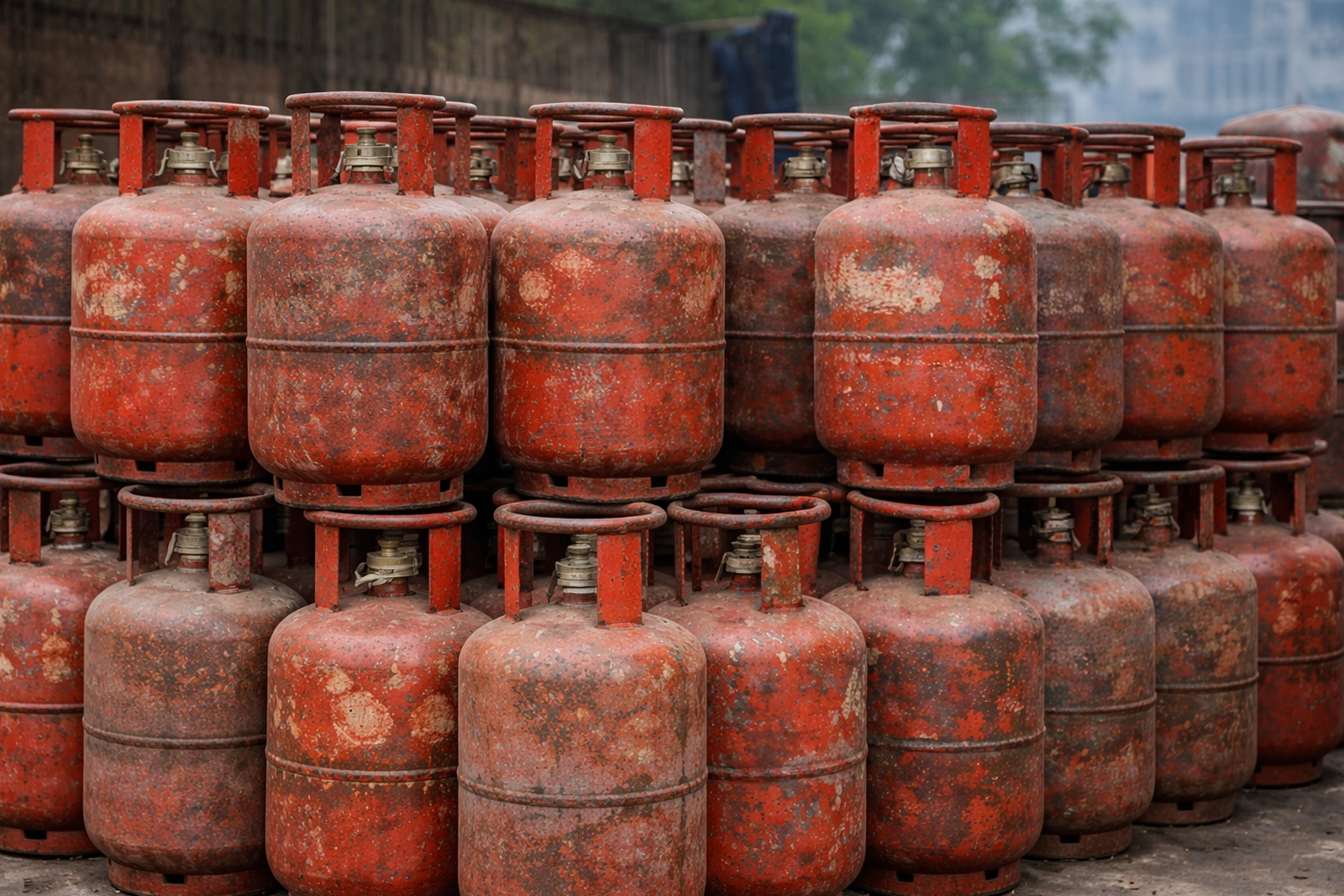
India is currently witnessing concerns over the availability of Liquefied Petroleum Gas (LPG) in several regions, affecting households and commercial establishments alike. Addressing the issue, Union Minister Suresh Gopi assured the public that the government has initiated multiple measures to manage the situation and restore normal supply as soon as possible.
Supply Disruptions Trigger Concern
Over the past few days, reports of delayed LPG cylinder deliveries and limited stock at distribution centers have emerged from various cities. Many restaurants, small eateries, and households have been facing inconvenience due to the shortage. The sudden spike in demand combined with logistical challenges has contributed to the disruption in supply chains.
Officials indicated that transportation delays, regional demand fluctuations, and operational constraints at some distribution points have played a role in the temporary crisis. Authorities are closely monitoring the situation and coordinating with LPG distributors to ensure that the supply gap is minimized.
Government Monitoring the Situation
Union Minister Suresh Gopi stated that the government is fully aware of the difficulties being faced by citizens and is actively working with oil marketing companies and local authorities. Additional supply arrangements are being planned to stabilize the availability of LPG cylinders in affected regions.
He emphasized that the issue is temporary and that the government has instructed agencies to accelerate deliveries and improve coordination between supply hubs and distributors.
Relief Expected Soon
According to officials, efforts are underway to increase stock movement and streamline distribution channels. Authorities have also urged citizens to avoid panic booking of cylinders, which can further strain the system.
With coordinated action from government agencies and oil companies, the situation is expected to gradually improve. The government has reassured the public that ensuring uninterrupted access to cooking fuel remains a top priority.
Government Moves to Control LPG Crisis Across India
India has recently witnessed growing concerns regarding the availability of Liquefied Petroleum Gas (LPG) in several regions. Reports of delayed cylinder deliveries and limited supply at distribution centers have created difficulties for households and businesses that rely heavily on LPG for daily operations. Addressing the situation, Union Minister Suresh Gopi stated that the government has initiated multiple measures to bring the situation under control and ensure smooth supply across the country.
Officials have assured citizens that the shortage is temporary and that coordinated efforts are already underway to stabilize the distribution network.
Rising Concerns Over LPG Supply
The recent LPG supply disruptions have affected both residential consumers and commercial establishments such as restaurants, hotels, and small food outlets. Many consumers have reported delays in cylinder deliveries, while some distributors have faced challenges in maintaining sufficient stock.
Several factors are believed to have contributed to the issue, including logistical challenges, fluctuations in demand, and temporary disruptions in transportation networks. In some areas, panic booking by consumers has further increased pressure on distributors.
Despite these challenges, authorities emphasize that the country’s overall LPG production and imports remain stable, and the shortage is largely due to temporary distribution imbalances.
Government Response to the Situation
Union Minister Suresh Gopi has assured that the government is closely monitoring the situation and working with oil marketing companies to resolve the crisis quickly.
The government has taken several steps to ensure that LPG reaches consumers without further delays. These measures focus on strengthening supply chains, improving coordination with distributors, and increasing monitoring at the regional level.
Officials from petroleum and natural gas departments are holding regular reviews to track supply levels and identify areas where urgent intervention is required.
Key Measures Being Taken to Control the Crisis
To manage the LPG shortage effectively, authorities have introduced a series of immediate and strategic steps:
1. Increasing Distribution Efficiency
Oil marketing companies have been instructed to enhance coordination with LPG distributors and ensure faster delivery of cylinders to affected regions.
2. Boosting Supply Movement
Efforts are being made to increase transportation of LPG cylinders from storage depots to distribution centers in order to meet the sudden rise in demand.
3. Monitoring Stock Levels
Government officials are keeping a close watch on stock levels at distribution centers to ensure there is no artificial shortage or hoarding.
4. Preventing Panic Buying
Authorities have appealed to consumers to avoid panic booking of cylinders, as it can create unnecessary pressure on the supply system.
5. Strengthening Coordination With Local Authorities
State and district-level officials are working with distributors to resolve supply bottlenecks and ensure smoother deliveries.
Impact on Businesses and Households
The LPG shortage has had a noticeable impact on daily life, especially for small businesses such as roadside eateries, tea stalls, and restaurants. Many of these establishments rely on LPG cylinders for cooking and food preparation.
In several areas, restaurant owners have reported increased operational costs due to the need to manage limited fuel supplies. Some businesses have even been forced to temporarily reduce operations until regular supply resumes.
Households have also experienced inconvenience due to delayed cylinder deliveries, particularly in urban areas where LPG is the primary cooking fuel.
Role of Oil Marketing Companies
Oil marketing companies play a crucial role in ensuring LPG reaches consumers efficiently. These companies manage storage facilities, transportation networks, and distributor coordination.
During the current crisis, these companies are working closely with the government to speed up deliveries and improve the flow of LPG cylinders to areas facing shortages.
Additional tanker movements and improved logistics planning are being implemented to address the imbalance between supply and demand.
Efforts to Strengthen the Supply Chain
Experts believe that strengthening the LPG supply chain is essential to avoid similar disruptions in the future. This includes improving infrastructure, expanding storage facilities, and enhancing transportation networks.
The government has also been investing in digital tracking systems that allow authorities to monitor cylinder movement and distribution patterns in real time. Such technologies help identify delays quickly and ensure faster corrective action.
These improvements are expected to make the LPG distribution system more resilient and responsive to sudden demand fluctuations.
Public Cooperation Plays a Key Role
Authorities have emphasized that public cooperation is essential in managing the situation effectively. Consumers are encouraged to book cylinders only when necessary and avoid stockpiling.
Responsible usage of LPG and patience during temporary disruptions can help ensure that available supplies are distributed fairly among consumers.
The government has also urged distributors to maintain transparency and prioritize deliveries based on genuine consumer demand.
Situation Expected to Improve Soon
According to Union MinisterSuresh Gopi, the government remains confident that the LPG crisis will be resolved soon. With coordinated efforts from government agencies, oil marketing companies, and distributors, the supply situation is expected to stabilize in the coming days.
Authorities continue to monitor the developments closely and are prepared to take additional measures if required.
Ensuring uninterrupted access to cooking fuel remains a key priority, and the government has reiterated its commitment to protecting the interests of consumers and businesses alike.

About The Author
Shivani Nayak is an emerging journalist committed to delivering accurate, timely, and impactful stories for a fast-growing digital news platform. With a keen interest in politics, public policy, and community reporting, she focuses on issues that directly affect everyday life. Her work reflects a strong belief in responsible journalism, transparency, and fact-based reporting. She brings a modern, digital-first approach to news coverage, blending field reporting with multimedia storytelling to reach audiences across platforms. From breaking developments to in-depth explainers and human-interest features, Anita strives to present news in a clear, accessible manner while maintaining editorial integrity. Driven by curiosity and a deep sense of social responsibility, she actively engages with sources at the grassroots level, ensuring diverse voices are represented. She is particularly interested in governance, education reform, infrastructure development, and civic affairs. Through her reporting, Anita aims to build trust with readers and contribute to a culture of informed public dialogue. As part of a new portal, she looks forward to growing alongside the publication and helping shape its journalistic identity in the digital age.
Shivani Nayak | Journalist

You Might Also Like
-
Indian LPG Carrier Safely Crosses Strait of Hormuz, Easing Supply Concerns An Indian liquefied petroleum gas (LPG) carrier has successfully cro...
-
Saudi Oil Tanker Reaches Mumbai as U.S. Refuelling Aircraft Crashes in Iraq: Key Global Developments Global developments surrounding energy sup...


Suggested Video