


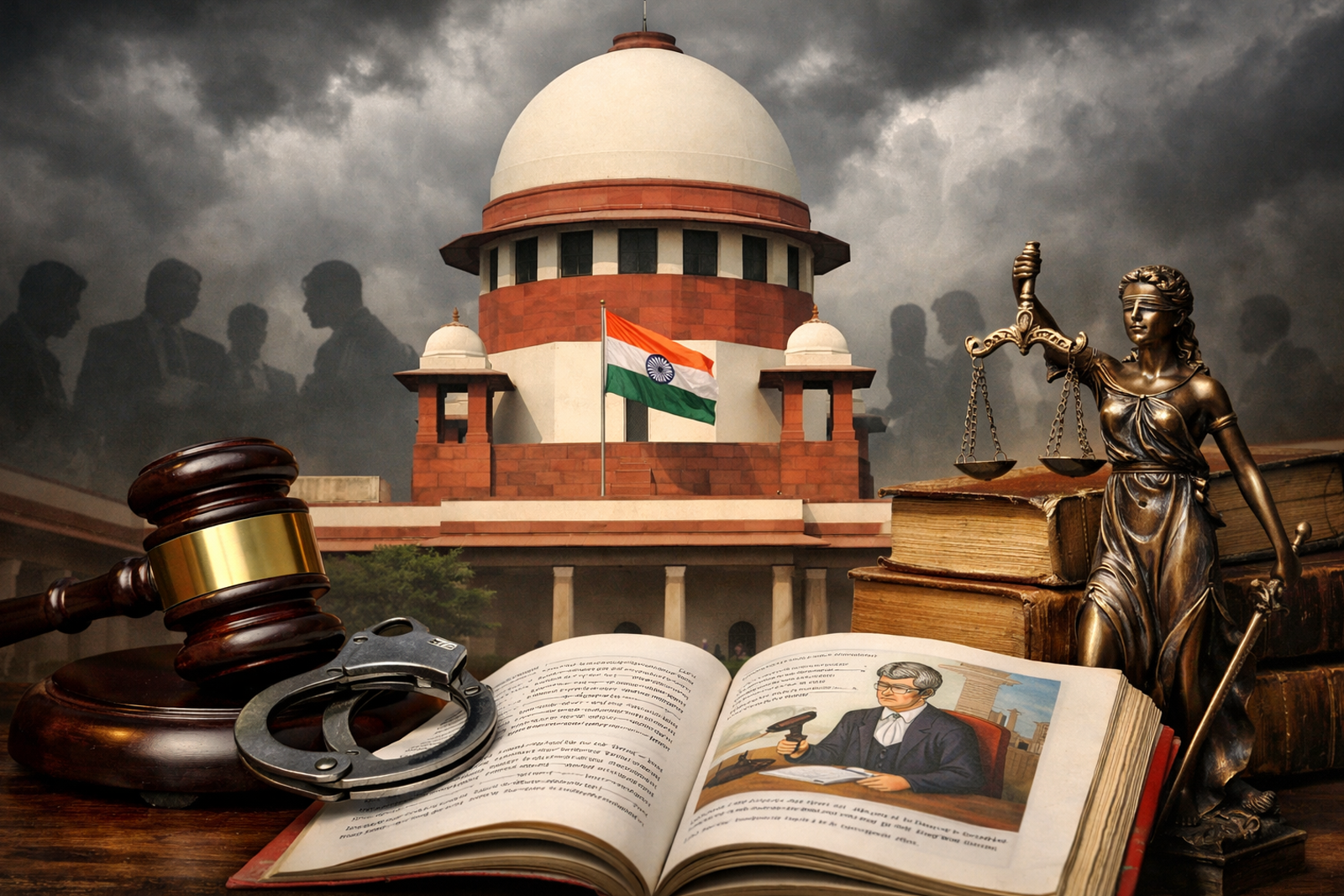


Bombay High Court Seeks Centre’s Response on Gas Distributors’ Plea to Increase Domestic LPG Supply
Bombay High Court Seeks Centre’s Response on Domestic LPG Supply
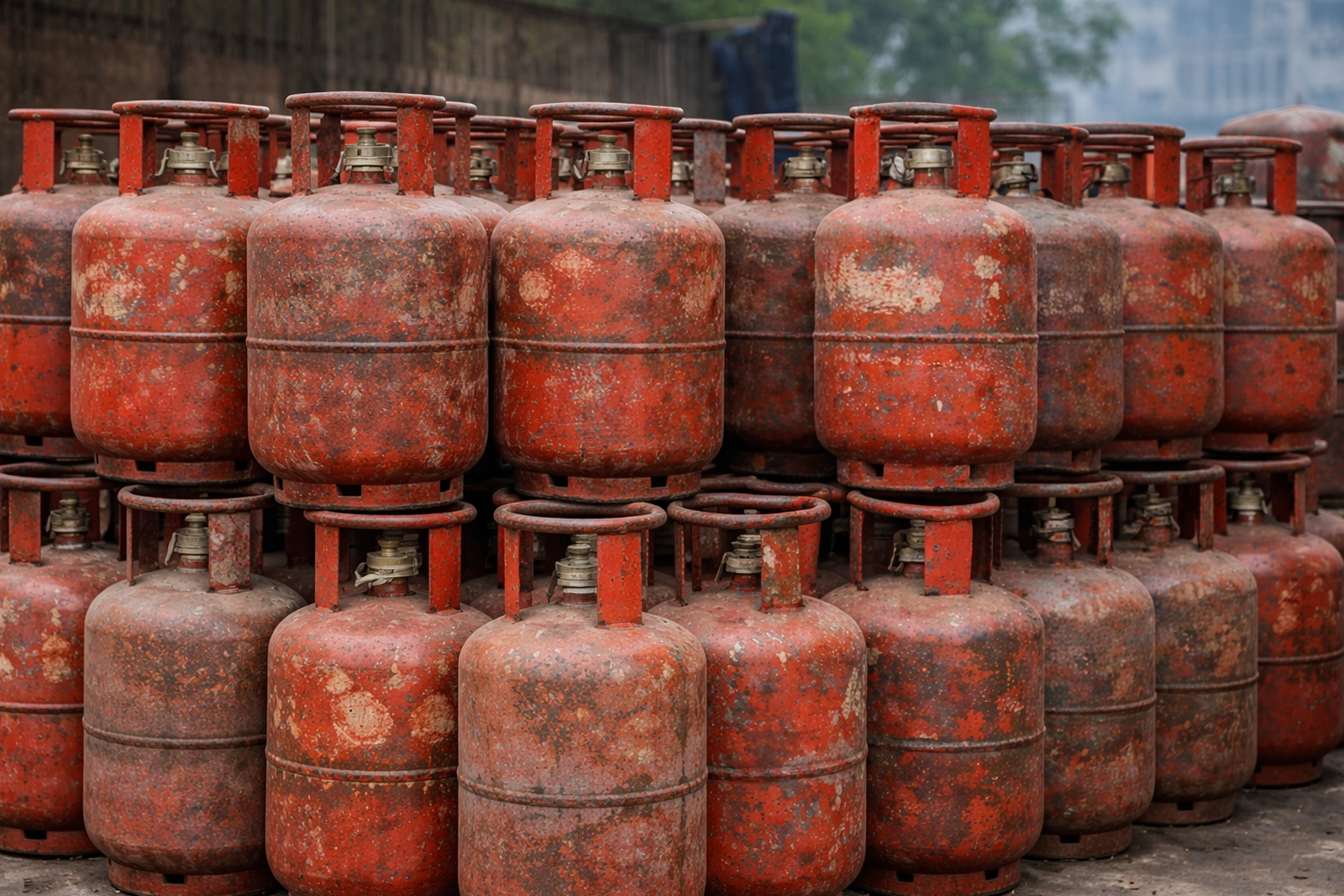
The Bombay High Court has issued a notice to the Government of India following a petition filed by gas distributors seeking an increase in the supply of domestic LPG cylinders. The plea highlights the growing imbalance between demand and supply, which distributors claim is affecting both households and small businesses that depend on regular LPG availability.
Distributors Raise Concern Over Supply Gap
According to the petitioners, LPG distributors have been facing mounting pressure from consumers due to delays in cylinder deliveries. Many distributors argued that the current allocation of domestic LPG cylinders is not sufficient to meet the rising demand in several urban and semi-urban areas. They requested the court’s intervention to ensure that the central government reviews the allocation policy and increases supply where required.
Distributors also stated that logistical challenges and increasing population density in major cities have further intensified the demand for cooking gas. As a result, consumers often experience longer waiting periods for refills, which can disrupt daily household routines.
Court Seeks Clarification from the Centre
While hearing the matter, the Bombay High Court directed the Government of India to submit its response regarding the issues raised in the plea. The court wants to understand the current supply mechanism, distribution policy, and whether any immediate steps can be taken to address the concerns raised by the distributors.
The notice from the court signals that the matter will now be examined more closely, especially considering the essential nature of LPG as a household fuel.
Impact on Consumers
Domestic LPG cylinders are a crucial source of cooking fuel for millions of households across India. Any disruption in supply can directly impact daily life, particularly in densely populated cities where LPG remains the primary cooking option.
The court is expected to review the Centre’s response in the coming hearings before deciding on further directions regarding LPG supply management.
Bombay High Court Seeks Centre’s Response on Plea to Increase Domestic LPG Cylinder Supply
The Bombay High Court has issued a notice to the Government of India after a group of LPG distributors approached the court seeking an increase in the supply of domestic cooking gas cylinders. The petition highlights concerns about an imbalance between demand and supply, which distributors claim is creating difficulties for both consumers and businesses relying on regular LPG deliveries.
The matter has drawn attention because domestic LPG cylinders remain the primary cooking fuel for millions of households across India. Any shortage or delay in supply can directly affect daily life, especially in densely populated urban areas where alternative cooking options may be limited.
Background of the Petition
The plea filed before the Bombay High Court was submitted by gas distributors who argued that current allocations of domestic LPG cylinders are not sufficient to meet rising demand. Over the past few months, distributors claim they have been facing increasing pressure from customers waiting for refills.
According to the petitioners, population growth, urban expansion, and rising adoption of LPG for cooking have significantly increased the number of consumers. However, the allocation of cylinders from oil marketing companies has not grown at the same pace. As a result, distributors say they are struggling to maintain timely delivery schedules.
The petition requests the court to direct authorities to review the existing supply mechanism and consider increasing cylinder allocation to ensure smooth distribution.
Concerns Raised by LPG Distributors
Gas distributors presented several concerns in their petition to highlight the challenges they are currently facing.
Key issues mentioned include:
-
Insufficient Cylinder Allocation
Distributors claim the number of cylinders allocated to them does not match the growing consumer base in many cities and towns. -
Long Waiting Periods for Refills
Due to supply limitations, consumers sometimes have to wait longer than usual for cylinder deliveries. -
Operational Pressure on Distributors
Many distributors report receiving frequent complaints from customers despite having little control over supply allocations. -
Rising Demand in Urban Areas
Rapid urbanization has increased the demand for LPG cylinders, especially in metropolitan regions. -
Impact on Small Businesses
Restaurants, food vendors, and small eateries that rely on domestic LPG connections may also experience operational disruptions.
The distributors believe that addressing these issues requires a review of supply policies at the national level.
Court’s Response to the Petition
After hearing the arguments presented by the petitioners, the Bombay High Court decided to issue a notice to the Government of India. The court has asked the central authorities to provide their response regarding the claims made in the petition.
The court is expected to examine:
-
How LPG supply is currently allocated to distributors
-
Whether the demand-supply gap is increasing
-
If any administrative or logistical steps can help address the issue
The notice indicates that the judiciary intends to understand the situation more clearly before deciding whether any further directions are required.
Importance of Domestic LPG in India
Domestic LPG plays a crucial role in India’s energy ecosystem. Over the past decade, government initiatives have significantly expanded access to clean cooking fuel across the country.
Programs introduced by the Ministry of Petroleum and Natural Gas have helped millions of households shift from traditional fuels like firewood and coal to LPG. This transition has improved indoor air quality and reduced health risks associated with smoke from solid fuels.
For many families, LPG cylinders are the most convenient and reliable cooking option. Therefore, maintaining consistent supply is essential to ensure households can manage their daily cooking needs without disruption.
Possible Reasons Behind Supply Concerns
Experts believe several factors could be contributing to the concerns raised by distributors.
Some possible reasons include:
-
Rising consumer enrollmentin LPG connections
-
Seasonal demand fluctuationsin certain regions
-
Transportation and logistical challengesaffecting deliveries
-
Inventory management issuesat distribution points
While these factors may vary across locations, they highlight the need for continuous monitoring of supply chains to prevent shortages.
Impact on Consumers
If supply challenges persist, consumers could experience several inconveniences.
For households, delays in cylinder refills can disrupt routine cooking activities. In areas where LPG is the primary cooking fuel, families may have limited alternatives.
Small food businesses may also feel the effects. Many street food vendors and local eateries depend on domestic LPG cylinders for daily operations. Any disruption in supply can impact their ability to serve customers and maintain business continuity.
Because of these potential consequences, ensuring adequate supply of LPG cylinders remains an important priority for policymakers.
Government’s Role in Managing LPG Supply
TheGovernment of Indiaoversees LPG supply through oil marketing companies and regulatory mechanisms. Allocation of cylinders is typically based on demand forecasts, storage capacity, and regional requirements.
Authorities regularly review supply distribution to maintain balance across states and cities. However, when distributors raise concerns about shortages, it often prompts a closer evaluation of the existing system.
The court’s notice provides an opportunity for the central government to present its perspective on the matter and clarify whether the supply concerns are temporary or part of a larger logistical challenge.
What Happens Next in the Case
Following the notice issued by theBombay High Court, the central government is expected to submit its official response in the coming hearings. The response may include details about:
-
Current LPG supply levels
-
Distribution policies
-
Steps taken to ensure uninterrupted supply
After reviewing the Centre’s reply, the court may decide whether further directions are necessary or whether the issue can be resolved through administrative measures.
Conclusion
The petition filed by gas distributors has brought attention to the challenges faced in managing domestic LPG supply in a rapidly growing consumer market. With millions of households depending on LPG cylinders for everyday cooking, ensuring reliable availability remains a critical issue.
By seeking a response from theGovernment of India, theBombay High Courthas initiated a closer examination of the supply system. The outcome of the case could help clarify whether changes are needed in the allocation and distribution process to better meet the increasing demand for domestic LPG cylinders across the country.

About The Author
Soojin Das is a dedicated journalist with a strong focus on public affairs, governance, and grassroots reporting. With a passion for uncovering stories that matter, she brings clarity, accuracy, and depth to complex issues shaping communities across India. Her reporting spans politics, social development, education, and local civic concerns, giving readers a balanced and well-researched perspective. Known for her sharp news sense and ethical approach to journalism, Anita combines on-ground reporting with data-driven analysis and compelling storytelling. She has covered major policy announcements, elections, disaster response efforts, and community-led initiatives, ensuring that audiences receive timely and trustworthy information. Anita believes journalism plays a vital role in strengthening democracy and amplifying under-represented voices. Through interviews, investigative pieces, and human-interest stories, she aims to inform, engage, and empower readers. When not in the field, she closely follows media innovation and digital storytelling trends, continually refining her craft to meet the evolving needs of modern newsrooms.
Soojin Das | Journalist

You Might Also Like
-
Indian LPG Carrier Safely Crosses Strait of Hormuz, Easing Supply Concerns An Indian liquefied petroleum gas (LPG) carrier has successfully cro...
-
Saudi Oil Tanker Reaches Mumbai as U.S. Refuelling Aircraft Crashes in Iraq: Key Global Developments Global developments surrounding energy sup...

Suggested Video