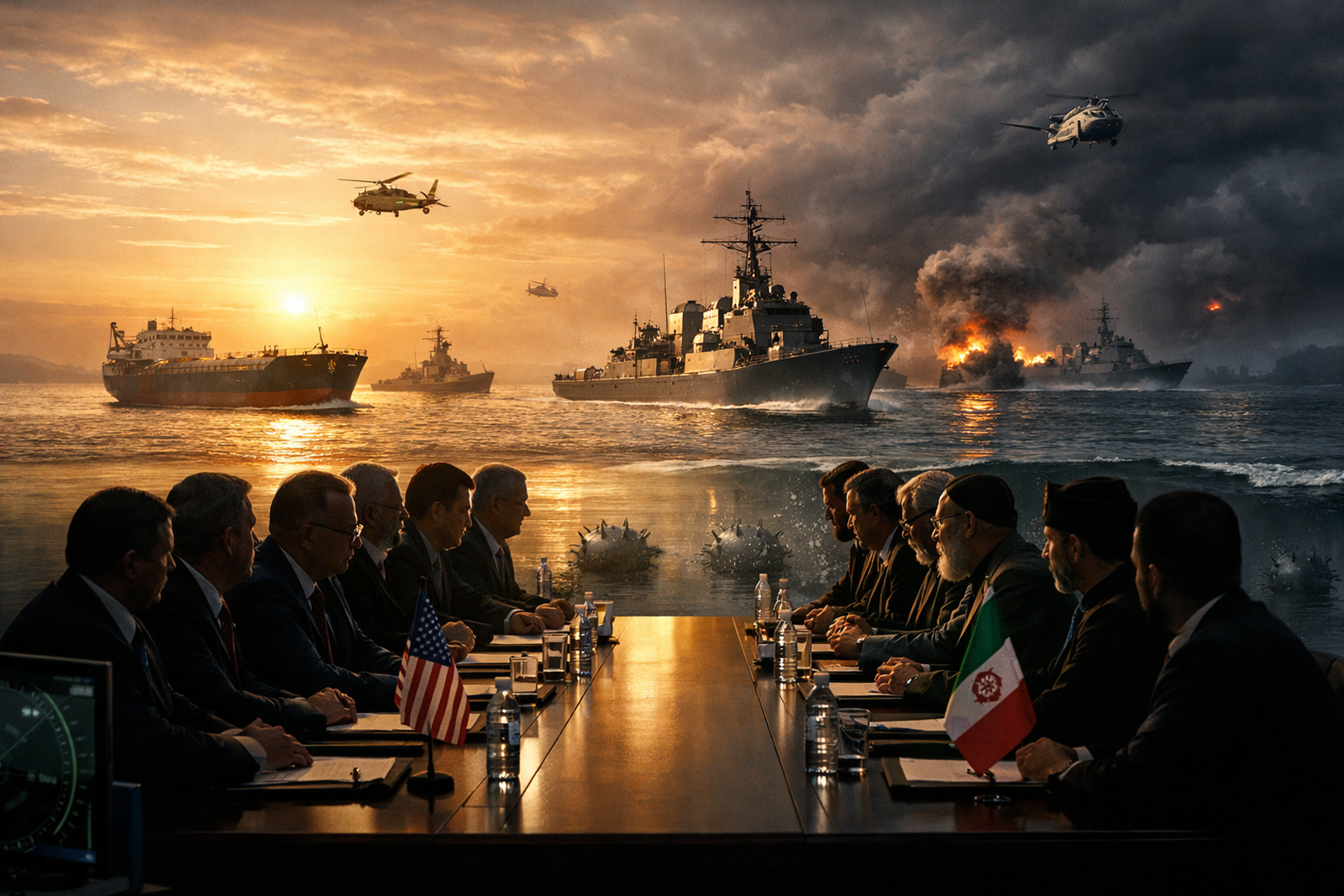
Saudi Oil Tanker Crosses Strait of Hormuz to Mumbai as U.S. Refuelling aircraft Crashes in Iraq

Saudi Oil Tanker Reaches Mumbai as U.S. Refuelling Aircraft Crashes in Iraq: Key Global Developments
Global developments surrounding energy supply and military operations dominated the morning headlines as a Saudi oil tanker successfully arrived in Mumbai after passing through the strategic Strait of Hormuz. At the same time, reports emerged of a crash involving a refuelling aircraft operated by the United States Armed Forces in Iraq, raising concerns about operational safety and regional security.
Saudi Oil Shipment Safely Reaches India
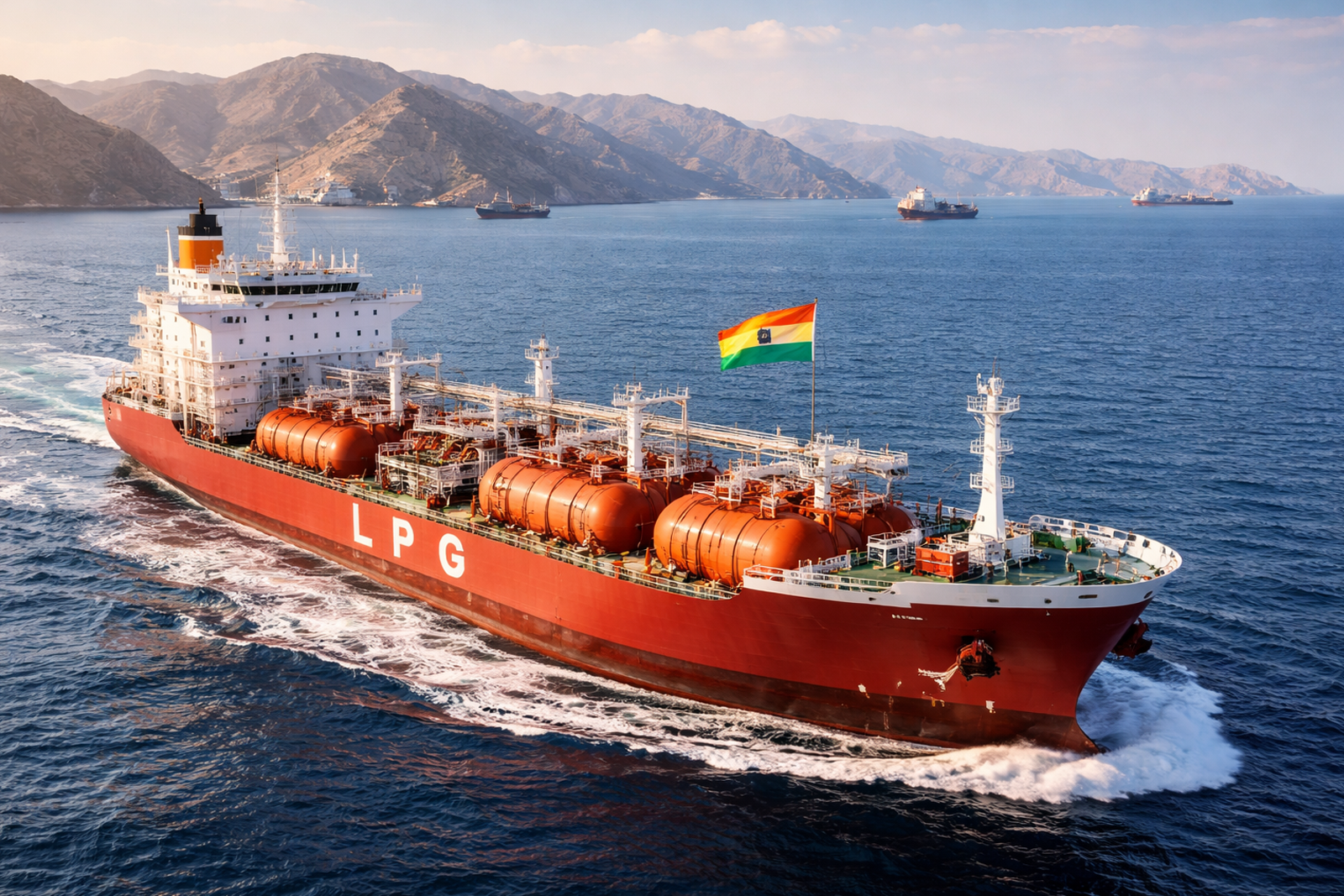
The arrival of the Saudi oil tanker in Mumbai marks an important moment for India’s energy supply chain. The vessel travelled through the Strait of Hormuz, one of the most crucial maritime passages for global oil transport. Nearly a fifth of the world’s petroleum trade moves through this narrow channel connecting the Persian Gulf to international waters.
Despite rising geopolitical tensions in the region, the tanker’s successful journey offers reassurance to energy markets. India relies heavily on crude oil imports from the Middle East, and shipments from Saudi Arabia continue to play a major role in meeting the country’s energy demand. Officials and shipping analysts noted that uninterrupted movement through the Strait is vital for maintaining stable oil supplies.
U.S. Military Refuelling Aircraft Crash in Iraq
In a separate development, a refuelling aircraft belonging to the United States Armed Forces reportedly crashed in Iraq during an operational mission. Initial reports suggest the aircraft was involved in mid-air refuelling support for military operations in the region.
Authorities have begun an investigation to determine the cause of the crash. While details about casualties or damage remain limited, defence officials confirmed that rescue and recovery teams were quickly deployed to the site.
Global Impact and Strategic Concerns
Together, these developments underline the continued importance of the Middle East in global energy and security dynamics. The safe arrival of oil shipments provides stability for importing countries like India, while incidents involving military aircraft highlight the ongoing operational challenges faced by armed forces in conflict-prone regions.

Saudi Oil Tanker Reaches Mumbai While U.S. Refuelling Aircraft Crashes in Iraq: Key Global Developments
Two significant developments from the Middle East and South Asia dominated global headlines today. A Saudi oil tanker successfully arrived in Mumbai after navigating the strategic Strait of Hormuz, ensuring continued crude oil supplies for India. At the same time, a refuelling aircraft belonging to the United States Armed Forces crashed in Iraq during an operational mission.
These developments highlight the continued importance of the Middle East in global energy supply chains and military operations.
Saudi Oil Tanker Completes Strategic Journey to Mumbai
A Saudi crude oil tanker reached the port city of Mumbai after passing through the Strait of Hormuz, one of the most crucial shipping routes for global oil transport. The strait connects the Persian Gulf with the Gulf of Oman and the Arabian Sea, serving as a key maritime corridor for energy exports from the Middle East.
The tanker’s arrival is particularly important for India, which imports a large portion of its crude oil requirements from Gulf countries. Saudi Arabia remains one of India’s largest and most reliable energy partners.
Energy experts say the smooth movement of oil shipments through the Strait of Hormuz is critical for maintaining global market stability. Any disruption in this narrow passage can immediately affect international oil prices and supply chains.
The successful docking of the tanker in Mumbai signals that shipping operations in the region remain stable despite ongoing geopolitical tensions.
Key facts about the Strait of Hormuz:
-
Nearly 20% of the world’s oil supply moves through this route daily.
-
The passage connects oil-producing nations in the Persian Gulf with international markets.
-
Major exporters using this route include Saudi Arabia, the UAE, Kuwait, and Iraq.
-
Import-dependent nations such as India, China, Japan, and South Korea rely heavily on shipments passing through the strait.
For India, stable access to oil shipments through this route is essential for energy security. Any disruption could have immediate economic consequences, including rising fuel prices and supply shortages.
U.S. Military Refuelling Aircraft Crash in Iraq
In another major development, a refuelling aircraft operated by the United States Armed Forces crashed in Iraq during a mission. The aircraft was reportedly involved in aerial refuelling operations, a process that allows military aircraft to extend their flight range and operational time.
Military officials confirmed that the aircraft went down during routine operations, although the exact cause of the crash has not yet been determined. Emergency response teams were deployed to the crash site shortly after the incident.
Initial reports indicate:
-
The aircraft was supporting operational missions in the region.
-
Rescue and recovery teams were dispatched immediately.
-
Investigators are examining possible technical or operational issues.
-
Authorities have not yet released full details about casualties or damage.
Such incidents are relatively rare but highlight the complexities and risks involved in military aviation operations.
Strategic Importance of U.S. Military Operations in Iraq
The United States continues to maintain a military presence in Iraq as part of ongoing regional security operations. American forces are involved in training local security personnel, conducting surveillance missions, and supporting counterterrorism efforts.
Aerial refuelling aircraft play a crucial role in these operations by allowing fighter jets, surveillance aircraft, and transport planes to stay airborne for extended periods.
Role of refuelling aircraft in military operations:
-
Extending the flight range of combat and reconnaissance aircraft.
-
Supporting long-distance missions without landing for fuel.
-
Enabling rapid deployment of military assets.
-
Enhancing operational flexibility in conflict zones.
Because of these responsibilities, refuelling aircraft are considered a critical component of modern military strategy.
Global Energy and Security Implications
The two developments — the safe arrival of a Saudi oil tanker in Mumbai and the crash of a U.S. military aircraft in Iraq — reflect the interconnected nature of global energy and security systems.
Energy supply routes in the Middle East remain vital to the functioning of the global economy. Countries that depend on imported oil closely monitor shipping activity through the Strait of Hormuz to ensure steady supplies.
At the same time, military operations in the region continue to influence geopolitical stability. Incidents involving military equipment or aircraft often draw international attention because of their potential impact on regional security dynamics.
India’s Growing Energy Dependence on Gulf Countries
India is among the world’s largest consumers of crude oil. As the country’s economy grows, its demand for energy continues to rise. Much of this demand is met through imports from the Middle East, particularly Saudi Arabia.
Key aspects of India’s energy relationship with Gulf nations:
-
Saudi Arabia remains one of India’s top crude oil suppliers.
-
Maritime shipping routes are essential for transporting oil to Indian ports.
-
Mumbai serves as a major hub for receiving and refining imported crude.
-
Energy cooperation between India and Gulf countries continues to strengthen.
Because of this dependence, developments affecting oil transportation in the Gulf region are closely watched by policymakers and energy companies in India.
Conclusion
Today’s developments highlight two critical aspects of global affairs — energy supply and military operations. The successful arrival of a Saudi oil tanker in Mumbai underscores the importance of stable maritime routes for global energy security.
Meanwhile, the crash of a United States military refuelling aircraft in Iraq serves as a reminder of the risks faced by armed forces operating in complex environments.
Together, these events illustrate how developments in the Middle East continue to influence international markets, regional stability, and strategic planning for nations around the world.

Shivani NayakJournalist
Shivani Nayak is an emerging journalist committed to delivering accurate, timely, and impactful stories for a fast-growing digital news platform. With a keen interest in politics, public policy, and community reporting, she focuses on issues that directly affect everyday life. Her work reflects a strong belief in responsible journalism, transparency, and fact-based reporting.
She brings a modern, digital-first approach to news coverage, blending field reporting with multimedia storytelling to reach audiences across platforms. From breaking developments to in-depth explainers and human-interest features, Anita strives to present news in a clear, accessible manner while maintaining editorial integrity.
Driven by curiosity and a deep sense of social responsibility, she actively engages with sources at the grassroots level, ensuring diverse voices are represented. She is particularly interested in governance, education reform, infrastructure development, and civic affairs.
Through her reporting, Anita aims to build trust with readers and contribute to a culture of informed public dialogue. As part of a new portal, she looks forward to growing alongside the publication and helping shape its journalistic identity in the digital age.