





Hormuz Strait Crisis: Trump Says Help Is ‘On the Way’ as Allies Reject Military Action
Rising Tensions in the Strait of Hormuz as Trump Promises Support
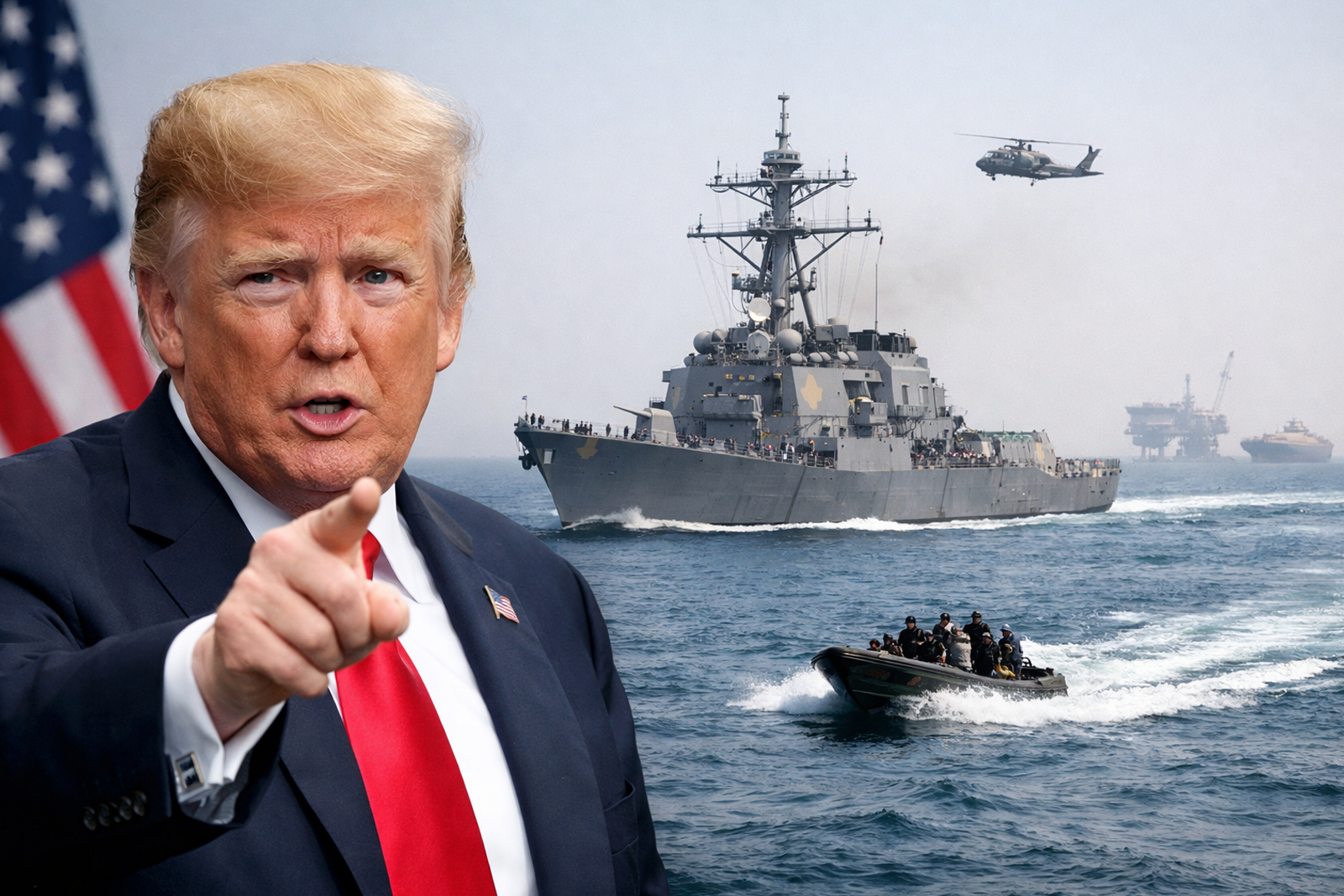
The strategic waters of the Strait of Hormuz have once again become the focus of global attention after Donald Trump stated that help is “on the way” to ensure security in the vital shipping corridor. His remarks come at a time when tensions in the region are escalating, raising concerns about the safety of global energy supplies and international trade routes.
A Vital Global Trade Route
Nearly a fifth of the world’s oil shipments pass through this narrow waterway connecting the Persian Gulf to the Gulf of Oman. Any disruption in this region can send shockwaves through global markets, particularly affecting energy prices and shipping operations.
Because of its importance, the waterway has long been a sensitive geopolitical flashpoint involving countries such as Iran, Saudi Arabia, and the United States. Even minor incidents in the area often attract international attention and diplomatic responses.
Trump Signals Assistance
Speaking about the growing concerns, Donald Trump suggested that assistance is being prepared to protect shipping routes and maintain stability. Although the exact nature of this help remains unclear, his statement indicates a willingness from the United States to play a role in safeguarding maritime security.
Trump’s remarks are seen as a signal of support to countries dependent on the safe movement of oil and goods through the region. Analysts believe such statements may also be intended to reassure global markets that disruptions will be addressed quickly.
Allies Urge Caution
Despite the strong message from Donald Trump, several Western allies have shown hesitation about supporting any direct military action. Governments across Europe have stressed the need for diplomatic engagement and de-escalation rather than confrontation.
Many leaders fear that a military response could intensify tensions with Iran and potentially destabilize the wider Middle East. As a result, discussions among allies are increasingly focused on surveillance missions, naval escorts, and diplomatic negotiations instead of armed intervention.
Global Attention on the Region
With global energy security at stake, the situation around the Strait of Hormuz continues to be closely monitored by governments, energy companies, and financial markets worldwide. While Trump’s promise of support signals readiness from United States, the reluctance of allies to endorse military action highlights the delicate balance between deterrence and diplomacy in one of the world’s most sensitive regions.
Hormuz Strait Tensions Escalate as Trump Signals Support but Allies Reject Military Action
Rising geopolitical tensions around the Strait of Hormuz have once again drawn global attention after Donald Trump stated that assistance is “on the way” to help secure the crucial maritime route. His remarks come amid growing fears about disruptions to international shipping and oil supplies. However, several allied nations have expressed reluctance to support military intervention, emphasizing diplomacy and regional stability instead.
The contrasting positions highlight a widening gap between calls for stronger security measures and concerns that aggressive actions could trigger a larger conflict in the Middle East.
Importance of the Strait of Hormuz
It connects the Persian Gulf with the Gulf of Oman and serves as a critical route for global oil transportation.
Key facts about the strait include:
-
Nearly 20% of the world’s oil supply passes through the waterway.
-
Major energy exporters such as Saudi Arabia, United Arab Emirates, Kuwait, and Iraq rely on it to transport crude oil.
-
The route is only about 33 kilometers wide at its narrowest point, making it highly vulnerable to disruptions.
Because of its importance to global trade and energy security, any tension in the area quickly becomes a matter of international concern.
Trump’s Statement on Assistance
Speaking about the situation, Donald Trump indicated that help would soon be provided to protect the strategic passage. Although he did not specify the exact nature of the assistance, the statement suggests that the United States may increase its involvement in maritime security in the region.
Possible forms of assistance could include:
-
Increased naval patrols in the region
-
Intelligence sharing with partner nations
-
Support for protecting commercial shipping
-
Coordination with regional allies
Trump’s comments were interpreted by many analysts as an attempt to reassure energy markets and international shipping companies that the situation will be addressed.
Allies Reject Immediate Military Action
Despite the strong signal from Donald Trump, several allies of the United States have shown hesitation about using military force.
Countries across Europe have emphasized that escalation could worsen an already fragile security environment in the Middle East.
Key concerns raised by allies include:
-
Risk of triggering a wider regional conflict
-
Potential retaliation from Iran
-
Threats to global shipping and oil markets
-
Humanitarian and economic consequences
Instead of military action, many governments have urged diplomatic dialogue and confidence-building measures to reduce tensions.
Iran’s Strategic Role in the Region
The geographic position ofIrangives it significant influence over theStrait of Hormuz. The country controls much of the northern coastline of the strait, allowing it to monitor maritime activity closely.
Over the years, Iranian leaders have occasionally warned that the strait could be closed if national security is threatened or if sanctions intensify. While such a move would be highly disruptive, it would also affect Iran’s own exports.
Because of this delicate balance, regional tensions involvingIranoften lead to heightened global concern.
Impact on Global Energy Markets
Any instability in theStrait of Hormuzcan have immediate consequences for international energy markets.
Potential impacts include:
-
Rising oil prices:Even minor security incidents can push crude prices upward due to supply fears.
-
Shipping delays:Tankers may reroute or slow operations, increasing transportation costs.
-
Insurance premiums:Maritime insurance rates typically rise during periods of geopolitical risk.
-
Economic ripple effects:Higher fuel prices can influence inflation and global economic stability.
Energy-dependent countries acrossAsia, includingChina,India,Japan, andSouth Korea, closely monitor developments in the region.
Growing Calls for Diplomatic Solutions
As tensions rise, many international observers argue that diplomacy remains the best path forward. Governments and global organizations are encouraging dialogue between regional powers to avoid miscalculations that could escalate the situation.
Possible diplomatic approaches include:
-
Multilateral talks involving regional and global powers
-
Confidence-building measures in maritime security
-
Agreements to protect commercial shipping lanes
-
Economic cooperation to reduce hostilities
Several countries believe that long-term stability in theMiddle Eastdepends on sustained diplomatic engagement rather than military confrontation.
Global Security Concerns
Security analysts warn that any conflict around theStrait of Hormuzcould have far-reaching consequences beyond the Middle East.
Potential global implications include:
-
Disruptions to international trade routes
-
Increased geopolitical rivalry among major powers
-
Rising energy costs for consumers worldwide
-
Heightened military presence in the region
For this reason, governments across the world are closely monitoring the situation while encouraging restraint.
Uncertain Path Ahead
The coming weeks will be crucial in determining how the situation evolves. WhileDonald Trumphas signaled readiness to support security measures, the hesitation of allied nations highlights the complexity of responding to tensions in such a strategically sensitive area.
Maintaining stability in theStrait of Hormuzwill require a careful balance between deterrence, diplomacy, and international cooperation. With global energy flows and economic stability at stake, the world’s attention remains firmly fixed on developments in this critical maritime corridor.

About The Author
Soojin Das is a dedicated journalist with a strong focus on public affairs, governance, and grassroots reporting. With a passion for uncovering stories that matter, she brings clarity, accuracy, and depth to complex issues shaping communities across India. Her reporting spans politics, social development, education, and local civic concerns, giving readers a balanced and well-researched perspective. Known for her sharp news sense and ethical approach to journalism, Anita combines on-ground reporting with data-driven analysis and compelling storytelling. She has covered major policy announcements, elections, disaster response efforts, and community-led initiatives, ensuring that audiences receive timely and trustworthy information. Anita believes journalism plays a vital role in strengthening democracy and amplifying under-represented voices. Through interviews, investigative pieces, and human-interest stories, she aims to inform, engage, and empower readers. When not in the field, she closely follows media innovation and digital storytelling trends, continually refining her craft to meet the evolving needs of modern newsrooms.
Soojin Das | Journalist
You Might Also Like
-
Kharg Island Attack Raises Global Energy Concerns Strategic Oil Hub Under Threat Tensions in the Gulf region intensified after reports of a...
-
Iran Declares 40-Day Mourning Amid Rising Regional Tensions A wave of grief and uncertainty has spread across Iran after reports emerged about ...
Suggested Video