








Tensions Escalate in Strait of Hormuz as Iran Rejects Threats and Trump Signals US Naval Blockade
Rising Tensions in the Strait of Hormuz: A New Flashpoint
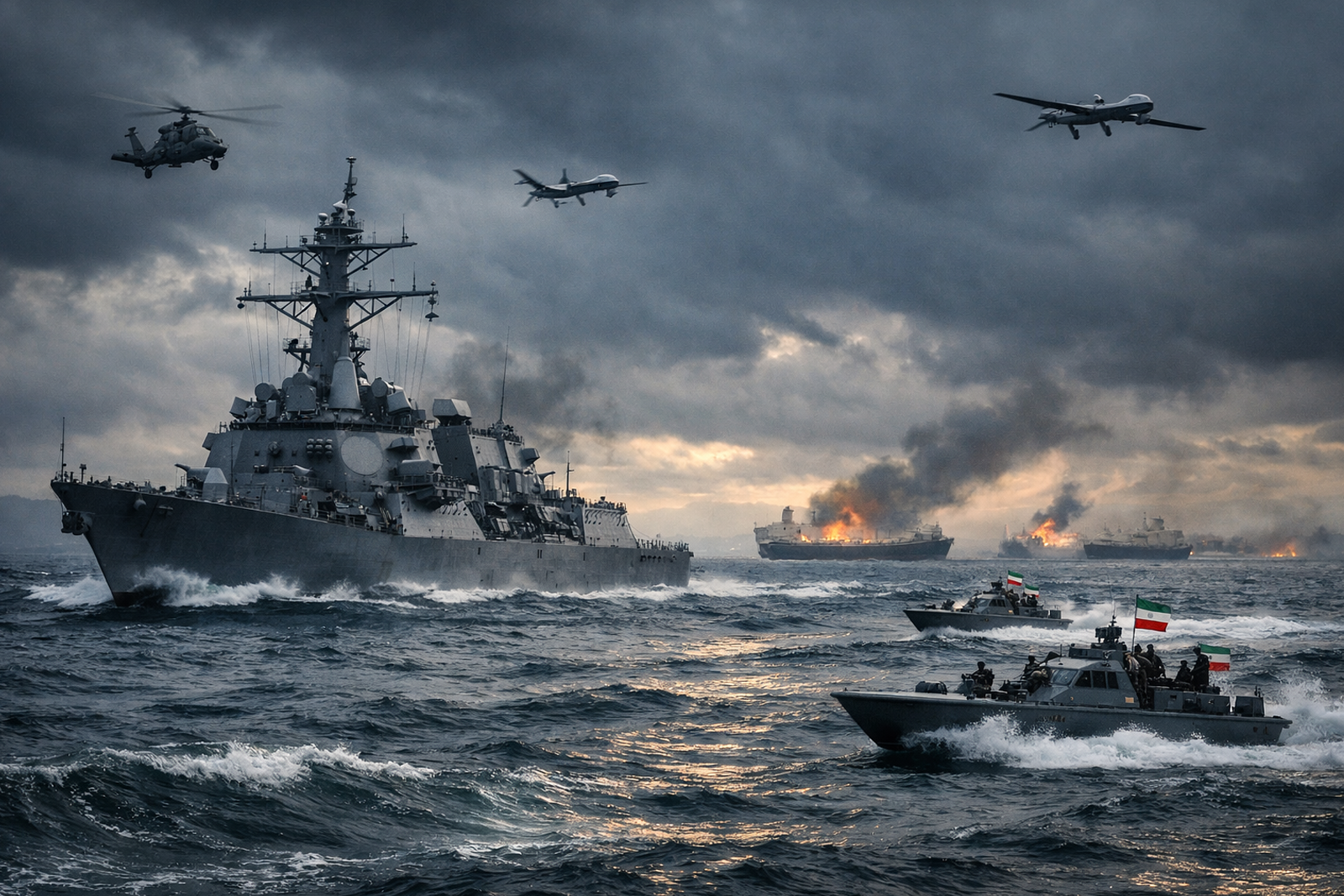
The Middle East is once again at the center of global attention as tensions escalate around the strategically vital Strait of Hormuz. Iran’s chief negotiator has issued a firm warning, stating that the country “will not bow to any threats,” signaling a hardening stance amid increasing international pressure. Meanwhile, Donald Trump has indicated that the United States could enforce a naval blockade in the region, a move that could significantly reshape geopolitical dynamics.
Strategic Importance of the Strait
The Strait of Hormuz is one of the world’s most critical maritime chokepoints, through which nearly a fifth of global oil supply passes. Any disruption in this narrow passage can trigger immediate ripple effects across global markets, particularly impacting fuel prices and energy security. The current standoff has already sparked concerns among major economies that rely heavily on oil imports from the Gulf region.
Iran’s Defiant Position
Iran’s leadership has taken a strong and uncompromising stance, emphasizing sovereignty and resistance against external pressure. Officials have reiterated that any aggressive move, including a blockade, would be met with firm retaliation. This rhetoric reflects Tehran’s broader strategy of projecting strength while navigating ongoing diplomatic challenges.
US Signals Tough Response
On the other side, the United States appears prepared to adopt a more assertive approach. Statements attributed to Donald Trump suggest that Washington is considering measures to limit Iran’s influence in the region. A naval blockade, if implemented, would mark a significant escalation and could draw in multiple global powers, further complicating the situation.
Global Implications
The unfolding developments are being closely monitored worldwide. Energy markets are already reacting to the uncertainty, with potential for price volatility. Additionally, the risk of military confrontation raises alarms about regional stability, international trade disruptions, and humanitarian consequences.
As diplomatic channels struggle to keep pace with rising tensions, the situation in the Strait of Hormuz remains highly volatile. The coming days will be crucial in determining whether dialogue can prevail or if the region edges closer to a broader conflict.
Escalating Crisis in the Strait of Hormuz: A Defining Moment in Global Geopolitics
The Middle East has entered another period of heightened uncertainty as tensions rise sharply around the Strait of Hormuz. Iran’s top negotiator has delivered a firm message, declaring that the nation will not surrender to external threats under any circumstances. At the same time, Donald Trump has indicated that the United States could deploy its naval power to impose a blockade in the region. These developments have intensified fears of a broader geopolitical confrontation that could reshape global stability.
The Strait of Hormuz: Why It Matters
Positioned between the Persian Gulf and the Gulf of Oman, it serves as the main transit route for oil exports from major producers such as Saudi Arabia, Iraq, and the UAE.
Key points:
- Nearly 20% of the world’s oil passes through this route daily
- It is critical for energy supply chains across Asia, Europe, and beyond
- Even minor disruptions can trigger global price spikes
Because of its importance, any military or political tension in this region instantly becomes a matter of international concern.
Iran’s Strong Response and Strategic Messaging
Iran’s leadership has adopted a firm and uncompromising tone in response to recent developments. The statement that the country “will not bow to any threats” reflects not just defiance but also a calculated diplomatic message.
Key points:
- Iran is emphasizing national sovereignty and resistance
- It seeks to deter military escalation through strong rhetoric
- The stance also aims to rally domestic and regional support
Tehran’s approach suggests that it is prepared for both diplomatic engagement and strategic confrontation if necessary.
US Position: Power Projection and Pressure Tactics
On the opposing side, the United States appears ready to assert its influence in the region. Signals of a potential naval blockade indicate a willingness to apply direct pressure on Iran.
Key points:
- A blockade would restrict maritime movement and trade
- It would represent a major escalation beyond sanctions
- The move could involve allied naval forces
The involvement of Donald Trump in such statements adds political weight, reflecting a broader hardline stance toward Iran’s regional role.
Military Risks and Possibility of Conflict
The current situation carries significant military risks. The presence of naval forces in a narrow and heavily trafficked waterway increases the chances of miscalculation.
Key points:
- Risk of accidental clashes between naval vessels
- Potential escalation into direct military confrontation
- Increased deployment of defense systems in the region
Even a small incident could spiral into a larger conflict, drawing in multiple countries.
Impact on Global Oil Markets
Energy markets are among the first to react to instability in the Strait of Hormuz. Traders and governments alike are closely watching the situation.
Key points:
- Oil prices may surge due to supply fears
- Import-dependent countries could face economic strain
- Inflation risks may increase globally
For countries in Asia, including India, any disruption could significantly affect fuel costs and economic planning.
Diplomatic Efforts and International Reactions
While tensions rise, diplomatic channels remain active. Global powers are urging restraint and encouraging dialogue to prevent escalation.
Key points:
- Calls for negotiations from international organizations
- Efforts to de-escalate through backchannel diplomacy
- Concerns raised at global forums
However, progress remains uncertain as both sides maintain firm positions.
Economic and Trade Consequences
Beyond oil, the Strait of Hormuz is a key route for international trade. A blockade or conflict could disrupt shipping lanes and increase costs.
Key points:
- Delays in cargo shipments and logistics disruptions
- Increased insurance and shipping costs
- Potential slowdown in global trade
Businesses and industries worldwide could feel the ripple effects.
Regional Stability at Stake
The Middle East is already a complex region with multiple ongoing conflicts and alliances. Rising tensions in the Strait of Hormuz add another layer of instability.
Key points:
- Neighboring countries may be drawn into the situation
- Existing conflicts could intensify
- Security concerns may increase across the Gulf
Regional stability depends heavily on how this situation unfolds in the coming days.
What Lies Ahead
The crisis in the Strait of Hormuz represents a critical moment in international relations. With strong statements from Iran and assertive signals from the United States, the risk of escalation remains high.
Key points:
- Future developments depend on diplomatic success or failure
- Military actions could have far-reaching consequences
- Global attention remains fixed on the region
As the world watches closely, the next steps taken by both sides will determine whether this crisis leads to confrontation or resolution. The balance between power, diplomacy, and restraint will shape not only the future of the Middle East but also the stability of the global order.

About The Author
Shivani Nayak is an emerging journalist committed to delivering accurate, timely, and impactful stories for a fast-growing digital news platform. With a keen interest in politics, public policy, and community reporting, she focuses on issues that directly affect everyday life. Her work reflects a strong belief in responsible journalism, transparency, and fact-based reporting. She brings a modern, digital-first approach to news coverage, blending field reporting with multimedia storytelling to reach audiences across platforms. From breaking developments to in-depth explainers and human-interest features, Anita strives to present news in a clear, accessible manner while maintaining editorial integrity. Driven by curiosity and a deep sense of social responsibility, she actively engages with sources at the grassroots level, ensuring diverse voices are represented. She is particularly interested in governance, education reform, infrastructure development, and civic affairs. Through her reporting, Anita aims to build trust with readers and contribute to a culture of informed public dialogue. As part of a new portal, she looks forward to growing alongside the publication and helping shape its journalistic identity in the digital age.
Shivani Nayak | Journalist


You Might Also Like
-
India Flags Concern After Oil Tanker Disruption in Strait of Hormuz India has raised strong diplomatic concerns after two oil tankers were repo...
-
Global Markets Rally as Oil Prices Plunge and Shipping Resumes Through Hormuz A wave of optimism swept through global financial markets after I...

Suggested Video