







White House Signals Pakistan as Likely Venue for Second Round of U.S.–Iran Talks
Pakistan Emerges as Potential Diplomatic Hub for U.S.–Iran Talks
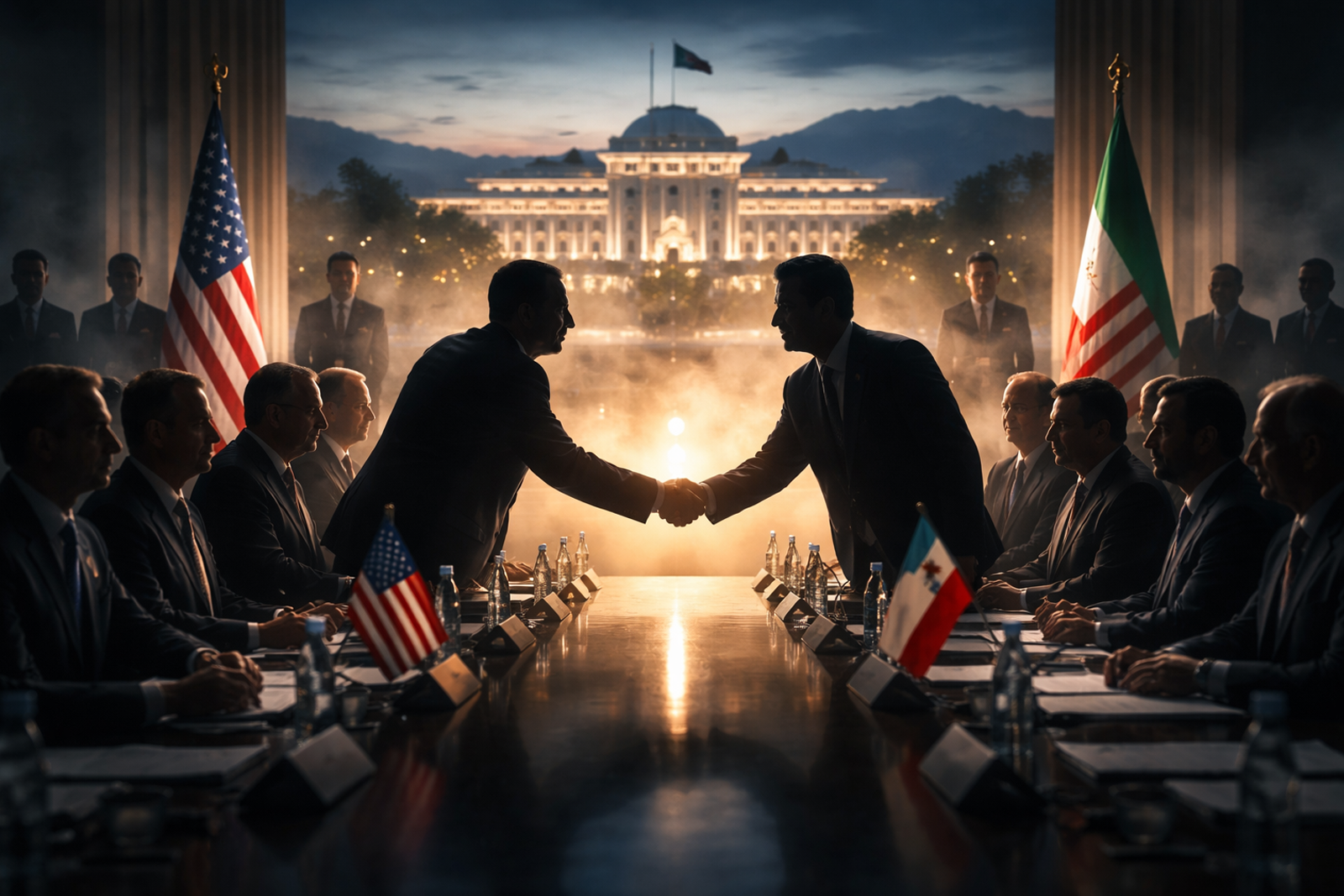
In a notable diplomatic development, the White House has indicated that if a second round of negotiations with Iran takes place, Pakistan is being considered as the likely host. This signal points to a potential shift in the geopolitical approach to reviving dialogue between Washington and Tehran, amid ongoing tensions over security, nuclear concerns, and regional stability.
A Strategic Choice for Neutral Ground
Pakistan’s possible role as a host country highlights its strategic positioning as a bridge between regions. With longstanding relations across both Western and Middle Eastern spheres, Pakistan offers a relatively neutral platform that could encourage constructive engagement. Hosting such high-level talks would also elevate Islamabad’s diplomatic standing on the global stage, reinforcing its image as a facilitator of peace.
Renewed Push for Dialogue
The first round of discussions between the United States and Iran raised cautious optimism, though key issues remain unresolved. These include concerns surrounding nuclear development, sanctions, and military activities in sensitive regions. By considering a second round in Pakistan, both sides appear willing to explore fresh diplomatic pathways and reduce friction through continued dialogue rather than confrontation.
Regional and Global Implications
If confirmed, the talks in Pakistan could have far-reaching implications. For South Asia, it would place the region at the center of a major international diplomatic effort. For the global community, progress in U.S.–Iran relations could impact energy markets, international trade routes, and overall geopolitical stability. The involvement of Pakistan may also open doors for broader regional cooperation in addressing shared security concerns.
Challenges Ahead
Despite the positive signals, significant challenges remain. Deep-rooted mistrust, political pressures within both nations, and differing strategic priorities could complicate negotiations. Moreover, the success of any diplomatic initiative will depend on sustained commitment and flexibility from both sides.
Looking Forward
As the situation develops, all eyes will be on whether Pakistan is officially confirmed as the venue. If realized, the move could mark a meaningful step toward de-escalation and renewed diplomatic engagement. While outcomes remain uncertain, the willingness to continue talks reflects a shared understanding that dialogue remains the most viable path forward in resolving complex international disputes.
Pakistan in Focus as Possible Venue for Next U.S.–Iran Dialogue
A fresh diplomatic signal from the White House has drawn global attention, suggesting that a second round of discussions between the United States and Iran may be held in Pakistan. While the talks are not yet officially confirmed, the possibility alone has sparked conversation among policymakers, analysts, and observers about what this could mean for regional diplomacy and global stability.
Why Pakistan Is Being Considered
Pakistan’s emergence as a potential host is not accidental. The country sits at a geopolitical crossroads, maintaining ties with Western powers while also engaging with Middle Eastern nations. This dual positioning allows it to act as a diplomatic bridge.
Key factors behind Pakistan’s consideration include:
- Neutral diplomatic ground: Pakistan is not directly involved in the core disputes between Washington and Tehran.
- Established communication channels: It has maintained working relations with both sides over the years.
- Strategic location: Its geography makes it accessible for delegations from both regions.
- Growing diplomatic ambition: Islamabad has shown interest in playing a more active role in global peace efforts.
Background of U.S.–Iran Relations
Relations between the United States and Iran have been tense for decades, shaped by political disagreements, sanctions, and military stand-offs. The nuclear issue remains central, with concerns over uranium enrichment and international monitoring dominating the agenda.
Major sticking points include:
- Nuclear program disputes: Questions over Iran’s intentions and compliance.
- Economic sanctions: The U.S. has imposed strict measures affecting Iran’s economy.
- Regional influence: Iran’s role in Middle Eastern conflicts continues to concern Washington.
- Security tensions: Incidents involving naval forces and proxy groups have heightened mistrust.
Despite these challenges, both sides have occasionally shown willingness to return to negotiations, recognizing the risks of prolonged confrontation.
Significance of a Second Round of Talks
A second round of dialogue would signal continuity in diplomatic engagement rather than a breakdown. Even incremental progress could help reduce tensions.
Potential outcomes of continued talks:
- De-escalation of conflict risks in sensitive regions.
- Revival of nuclear agreements or frameworks.
- Gradual easing of sanctions if conditions are met.
- Improved communication channels to avoid misunderstandings.
Holding these discussions in Pakistan could also introduce a fresh atmosphere, away from previously used venues.
What This Means for Pakistan
Hosting such high-profile talks would be a major moment for Pakistan’s foreign policy. It would not only boost its international image but also demonstrate its capability as a mediator.
Benefits for Pakistan:
- Enhanced global recognition as a diplomatic facilitator.
- Strengthened bilateral ties with major powers.
- Economic opportunities linked to increased international attention.
- Regional leadership role in promoting peace initiatives.
However, it also comes with responsibilities, including ensuring security, neutrality, and smooth coordination between delegations.
Regional Implications
The potential talks in Pakistan could reshape dynamics across South Asia and the Middle East. Neighboring countries will closely monitor developments, as outcomes could influence regional policies.
Possible regional effects:
- Increased diplomatic activityin South Asia.
- Shift in alliances or cooperation strategies.
- Reduced tensions in conflict-prone zonesif talks succeed.
- Greater involvement of regional playersin peace processes.
For countries in the Gulf and beyond, any improvement in U.S.–Iran relations could have a stabilizing effect.
Global Impact and Strategic Importance
The global community has a strong stake in the outcome of U.S.–Iran negotiations. Energy markets, international shipping routes, and security frameworks are all influenced by the relationship between these two nations.
Global implications include:
- Oil price stability:Reduced tensions could stabilize global energy markets.
- Trade security:Safer maritime routes in key regions.
- Diplomatic precedent:Successful talks could encourage dialogue in other conflicts.
- Strengthening multilateral diplomacy:Encouraging cooperation over confrontation.
Pakistan’s involvement would also highlight the growing importance of non-traditional diplomatic venues.
Challenges That Could Arise
Despite the optimism, several obstacles could hinder progress. Deep-rooted mistrust between the United States and Iran remains a major barrier.
Key challenges include:
- Political pressure within both countriesthat may limit flexibility.
- Differences in negotiation prioritiesand expectations.
- External influencesfrom allies or regional actors.
- Security concernsrelated to hosting high-level talks.
Additionally, even if talks are held, reaching concrete agreements will require sustained effort and compromise.
Diplomatic Signals and What to Watch
The statement from the White House is being seen as a strategic signal rather than a final decision. Observers are now watching for confirmation from Iran and Pakistan, as well as logistical preparations.
Key developments to monitor:
- Official announcements from involved governments.
- Dates and agenda of the proposed talks.
- Participation of international observers or mediators.
- Pre-talk confidence-building measures.
These indicators will help determine whether the discussions move forward or remain a proposal.
The Road Ahead
The possibility of Pakistan hosting the next round of U.S.–Iran talks reflects a broader shift toward exploring new diplomatic avenues. In an increasingly complex global environment, traditional negotiation settings are being reconsidered in favor of more flexible and neutral locations.
While it is too early to predict the final outcome, the willingness to continue dialogue is itself a positive sign. If the talks materialize and yield progress, they could mark an important step toward easing long-standing tensions and fostering a more stable international landscape.
For now, the world watches closely as diplomacy unfolds—potentially placing Pakistan at the center of a critical global conversation.

About The Author
Shivani Nayak is an emerging journalist committed to delivering accurate, timely, and impactful stories for a fast-growing digital news platform. With a keen interest in politics, public policy, and community reporting, she focuses on issues that directly affect everyday life. Her work reflects a strong belief in responsible journalism, transparency, and fact-based reporting. She brings a modern, digital-first approach to news coverage, blending field reporting with multimedia storytelling to reach audiences across platforms. From breaking developments to in-depth explainers and human-interest features, Anita strives to present news in a clear, accessible manner while maintaining editorial integrity. Driven by curiosity and a deep sense of social responsibility, she actively engages with sources at the grassroots level, ensuring diverse voices are represented. She is particularly interested in governance, education reform, infrastructure development, and civic affairs. Through her reporting, Anita aims to build trust with readers and contribute to a culture of informed public dialogue. As part of a new portal, she looks forward to growing alongside the publication and helping shape its journalistic identity in the digital age.
Shivani Nayak | Journalist
You Might Also Like
-
Rising Tensions in the Gulf: U.S.–Iran Standoff Deepens The geopolitical landscape of the Middle East has entered a critical phase as ten...
-
Rising Tensions in the Strait of Hormuz: A New Flashpoint The Middle East is once again at the center of global attention as tensions escalate ...
Suggested Video