The Rise and Fall of Hustle Culture
For decades, hustle culture was glorified. In the late 20th century, success was synonymous with climbing the corporate ladder, working overtime, and flaunting material wealth. Silicon Valley popularized the “grind till you make it” mentality—startups boasted about 80-hour workweeks, and social media turned burnout into a badge of honor.
But behind the glossy Instagram posts of entrepreneurs sipping coffee at midnight and influencers preaching “rise and grind,” reality looked different. Stress-related illnesses skyrocketed, mental health deteriorated, and families grew distant.
Millennials, the generation before Gen Z, were the first to seriously question this model. They lived through the Great Recession of 2008, battled stagnant wages, and pioneered side hustles as a way to survive. Yet many still internalized hustle culture as a necessary evil.
Gen Z, however, is different. They are the first generation to reject hustle culture almost outright—and the pandemic only amplified this shift.
Gen Z’s Lens on Work and Life
Gen Z, born between 1997 and 2012, grew up in a world full of contradictions:
- Financial Uncertainty: Recession, inflation, rising cost of living.
- Technological Abundance: Unlimited online opportunities but also digital burnout.
- Social Change: Rising awareness of mental health, climate change, and social justice.
- Pandemic Reality: A front-row seat to how fragile “normal” work structures can be.
They watched their parents work long hours, often at the expense of health and happiness, and decided: That won’t be me.
Unlike previous generations, Gen Z is less impressed by six-figure salaries if it means endless stress. Their ultimate wealth is time, peace, and purpose.
Redefining Success: Beyond the Paycheck
For Boomers, success meant a house, a steady job, and financial security. For Gen X, it meant promotions and prestige. For Millennials, it became about side hustles and survival.
Gen Z is charting a new definition:
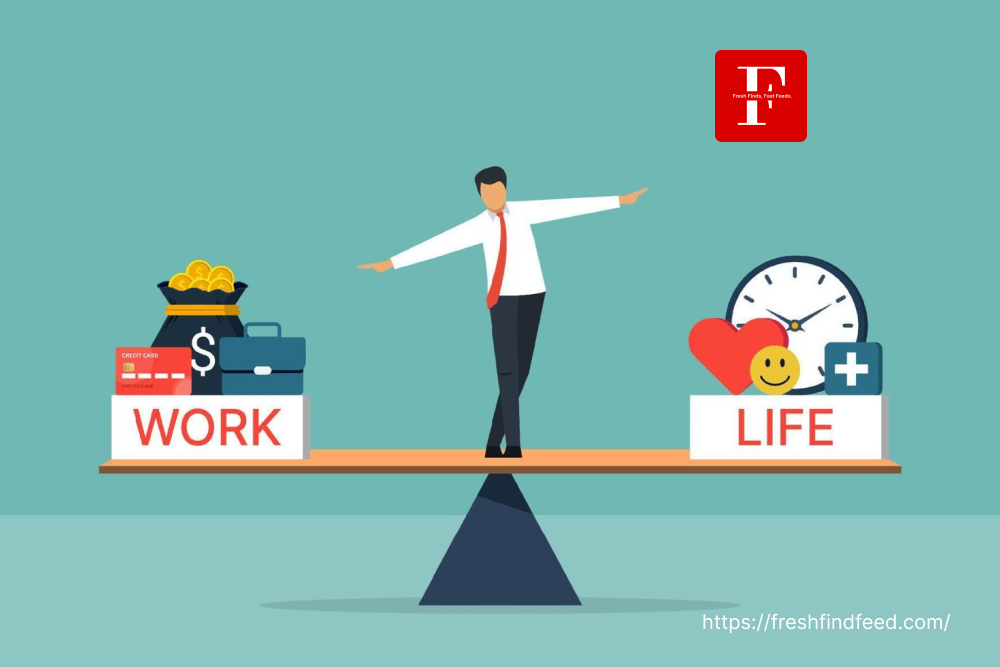
- Success = Balance. Being able to finish work at 5 PM and have time for yoga, gaming, or family dinners.
- Success = Flexibility. Choosing freelance projects, remote work, or hybrid setups over rigid 9-to-5 office life.
- Success = Wellness. Valuing therapy, fitness, mindfulness, and mental clarity over material possessions.
They are the generation most likely to say “no” to jobs that don’t align with their values, even if the paycheck looks attractive.
Peace as Power: Why Mental Health Matters More
Burnout isn’t just an individual struggle—it’s a global epidemic. Studies from the World Health Organization show that depression and anxiety cost the global economy $1 trillion per year in lost productivity.
Gen Z is acutely aware of this. Having grown up with open conversations about therapy, meditation apps, and mindfulness practices, they are unafraid to prioritize mental health. For them, quitting a toxic job isn’t a failure—it’s self-preservation.
Unlike previous generations who often “toughed it out,” Gen Z normalizes setting boundaries, asking for mental health leave, or simply walking away.
The Role of Remote & Flexible Work
Remote work, accelerated by COVID-19, fits perfectly into Gen Z’s worldview. Many in this generation began their careers online, juggling virtual classes and freelance gigs. They value:
- Location freedom – working from a café, a beach, or their hometown.
- Autonomy – managing their own hours.
- Productivity over presence – focusing on results, not just clocking in.
Digital nomadism, freelancing, and gig work are particularly popular among Gen Z, as they promise the balance that traditional offices rarely provide.
Money Still Matters—But Differently
It’s not that Gen Z doesn’t care about money. They do—but differently. Rather than chasing luxury cars or oversized homes, many prefer minimalism, sustainable living, or financial independence strategies like FIRE (Financial Independence, Retire Early).
They see money as a tool for freedom, not a symbol of success. For them, a modest salary that covers bills, experiences, and self-care is often better than a high-paying role that drains their spirit.
Employer Adaptation: The Corporate Response
Companies are catching on. To attract and retain Gen Z employees, many are offering:
- Flexible schedules and hybrid models.
- Wellness benefits like mental health days, therapy coverage, and meditation spaces.
- 4-day work weeks, tested successfully in countries like Iceland and New Zealand.
- Inclusive cultures that respect diversity and individuality.
This isn’t generosity—it’s survival. Employers who fail to adapt face high turnover rates, poor engagement, and reputational damage.
Critics and Counterarguments
Of course, not everyone agrees with Gen Z’s philosophy. Critics often label them as “lazy,” “entitled,” or “unrealistic.” Some argue that rejecting hustle culture in competitive industries could limit opportunities.
But research suggests otherwise. Companies with healthier work-life balance report higher productivity, lower absenteeism, and stronger employee loyalty. In other words, peace fuels performance.
Gen Z may not be lazy—they may simply be smarter about self-preservation.