







Iran Boycotts Pakistan Talks, Slams ‘Excessive’ U.S. Demands as Hormuz Blockade Escalates Crisis
Iran Pulls Out of Pakistan Talks as Hormuz Tensions Deepen
Iran’s decision to skip the second round of diplomatic talks in Pakistan has added a fresh layer of uncertainty to an already fragile geopolitical situation. The move comes after Tehran accused the United States of placing “excessive and unrealistic” demands on the negotiating table, effectively stalling progress that many had hoped would ease rising tensions in the region. What was initially seen as a potential breakthrough moment has now turned into another setback in efforts to stabilize relations.
Officials in Iran indicated that the expectations set by Washington went beyond the scope of previously discussed frameworks. According to diplomatic sources, these demands included stricter conditions related to nuclear compliance, regional influence, and security commitments—issues that have long been points of contention between the two nations. By stepping away from the talks, Iran has signaled that it is unwilling to negotiate under pressure or accept terms it perceives as one-sided.
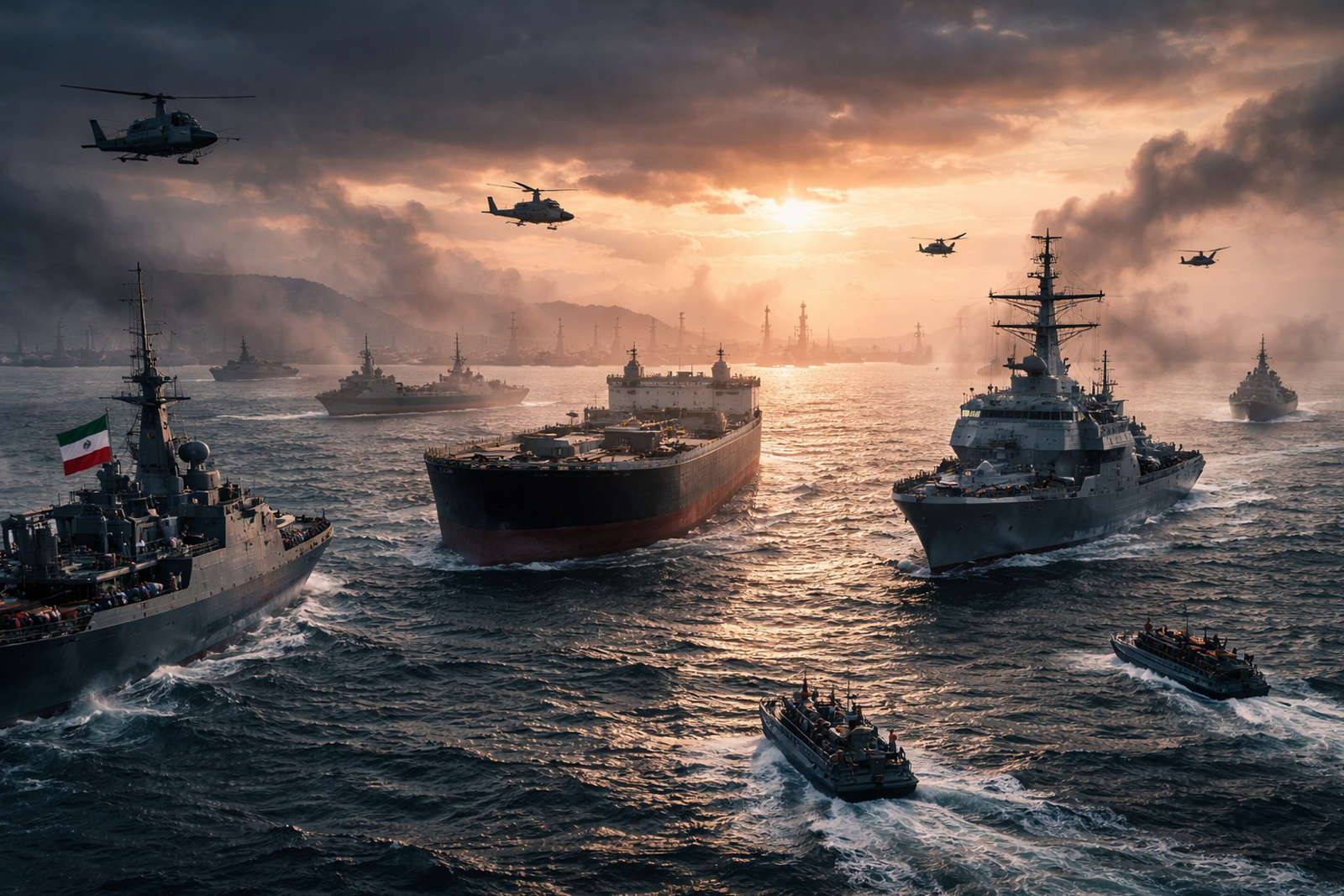
Compounding the situation is the growing concern around the Strait of Hormuz, a critical global oil transit route. Reports of a possible blockade or disruption in the area have triggered alarm across international markets and political circles. Any restriction in this narrow passage, through which a significant portion of the world’s oil supply flows, has the potential to send shockwaves through the global economy. Energy prices have already shown signs of volatility as traders react to the uncertainty.
Pakistan, which was expected to host the second round of discussions, now finds itself in a delicate diplomatic position. The country had aimed to play a constructive role by facilitating dialogue between Iran and the United States. However, Iran’s withdrawal has temporarily halted those efforts, raising questions about the future of the negotiation process and whether an alternative venue or mediator might be considered.
Meanwhile, global powers are closely monitoring the situation, urging restraint from all sides. The combination of stalled diplomacy and strategic tensions in the Gulf region underscores the fragile balance that currently exists. Without meaningful dialogue, the risk of escalation remains high, making it increasingly important for diplomatic channels to reopen before the situation spirals further out of control.
Iran Skips Pakistan Talks as U.S. Dispute and Hormuz Tensions Intensify
Iran’s refusal to participate in the second round of diplomatic talks scheduled in Pakistan has significantly raised concerns about the future of negotiations with the United States. The development highlights deep-rooted disagreements that continue to prevent meaningful progress, even as global stakeholders push for stability in a region critical to energy security and international trade.
Why Iran Stepped Away from the Talks
Iran’s decision did not come unexpectedly but reflects mounting frustration with the direction of negotiations. Officials in Tehran argue that the U.S. has shifted the goalposts by introducing demands that go far beyond earlier agreements.
Key reasons behind Iran’s withdrawal include:
- Unrealistic Conditions: Tehran claims Washington imposed stricter requirements related to nuclear activities and regional policies.
- Lack of Mutual Respect: Iranian leaders believe negotiations are being driven by pressure rather than balanced diplomacy.
- Strategic Messaging: By stepping away, Iran is signaling that it will not engage under terms it considers unfair.
This move underscores the widening trust deficit between the two nations, making future talks even more difficult to organize.
Rising Concerns Over the Strait of Hormuz
At the center of the escalating tension is the Strait of Hormuz, one of the most vital oil transit chokepoints in the world. Any disruption in this narrow passage can have immediate global consequences.
Why the Strait of Hormuz matters:
- Global Oil Lifeline: Nearly one-fifth of the world’s oil supply passes through this route.
- Economic Sensitivity: Even minor disruptions can trigger sharp increases in oil prices.
- Geopolitical Flashpoint: The strait has long been a focal point for military and political tensions.
Recent reports suggesting a potential blockade or restrictions have already unsettled energy markets, highlighting the fragility of the current situation.
Pakistan’s Role as a Diplomatic Host
Pakistan had positioned itself as a neutral venue to facilitate dialogue between Iran and the United States. Hosting such talks was seen as an opportunity for Islamabad to strengthen its diplomatic standing on the global stage.
However, Iran’s absence has complicated these ambitions.
Challenges faced by Pakistan:
- Loss of Momentum: The cancellation disrupts ongoing diplomatic efforts.
- Balancing Relations: Pakistan must maintain ties with both Iran and the U.S.
- Regional Stability Concerns: As a neighboring country, Pakistan has a direct interest in avoiding escalation.
Despite this setback, Pakistan may still play a role in future negotiations if both parties agree to resume talks.
Impact on Global Energy Markets
The combination of stalled diplomacy and heightened tensions around the Strait of Hormuz is already influencing global markets.
Immediate effects include:
- Oil Price Volatility:Traders react quickly to any threat of supply disruption.
- Investor Uncertainty:Markets remain cautious amid geopolitical risks.
- Supply Chain Concerns:Energy-importing countries are preparing for potential shortages.
Countries heavily dependent on oil imports are particularly vulnerable, making the situation a matter of international concern rather than a regional issue alone.
Diplomatic Fallout and Global Reactions
The international community has responded with a mix of चिंता and caution. Several nations and organizations are urging both sides to return to the negotiating table.
Global responses include:
- Calls forde-escalationfrom European and Asian powers
- Emphasis ondialogue over confrontation
- Concerns aboutmilitary escalation in the Gulf region
The failure of talks not only affects bilateral relations but also weakens broader efforts to maintain peace in a strategically sensitive area.
What Happens Next?
With the talks in Pakistan now off the table, the future of negotiations remains uncertain. However, diplomacy rarely follows a straight path, and alternative options may still emerge.
Possible next steps:
- New Venue Selection:Another neutral country could host future discussions.
- Backchannel Diplomacy:Quiet negotiations may continue behind the scenes.
- International Mediation:Global organizations could step in to bridge differences.
The coming weeks will be crucial in determining whether tensions escalate further or if diplomatic efforts can regain momentum.
Conclusion
Iran’s decision to skip the Pakistan talks has added another layer of complexity to an already tense geopolitical environment. Combined with growing concerns over the Strait of Hormuz, the situation carries significant implications for global stability and economic security. While the path forward remains uncertain, one thing is clear: without renewed dialogue and compromise, the risk of escalation will continue to rise, affecting not just the region but the entire world.

About The Author
Shivani Nayak is an emerging journalist committed to delivering accurate, timely, and impactful stories for a fast-growing digital news platform. With a keen interest in politics, public policy, and community reporting, she focuses on issues that directly affect everyday life. Her work reflects a strong belief in responsible journalism, transparency, and fact-based reporting. She brings a modern, digital-first approach to news coverage, blending field reporting with multimedia storytelling to reach audiences across platforms. From breaking developments to in-depth explainers and human-interest features, Anita strives to present news in a clear, accessible manner while maintaining editorial integrity. Driven by curiosity and a deep sense of social responsibility, she actively engages with sources at the grassroots level, ensuring diverse voices are represented. She is particularly interested in governance, education reform, infrastructure development, and civic affairs. Through her reporting, Anita aims to build trust with readers and contribute to a culture of informed public dialogue. As part of a new portal, she looks forward to growing alongside the publication and helping shape its journalistic identity in the digital age.
Shivani Nayak | Journalist


You Might Also Like
-
India Flags Concern After Oil Tanker Disruption in Strait of Hormuz India has raised strong diplomatic concerns after two oil tankers were repo...
-
Global Markets Rally as Oil Prices Plunge and Shipping Resumes Through Hormuz A wave of optimism swept through global financial markets after I...

Suggested Video