Ceasefire on Edge: Vance’s Pakistan Visit Delayed as Iran-US Peace Talks Hang in Balance
Peace Talks in Peril as US-Iran Tensions Rise and Vance’s Pakistan Visit Faces Uncertainty
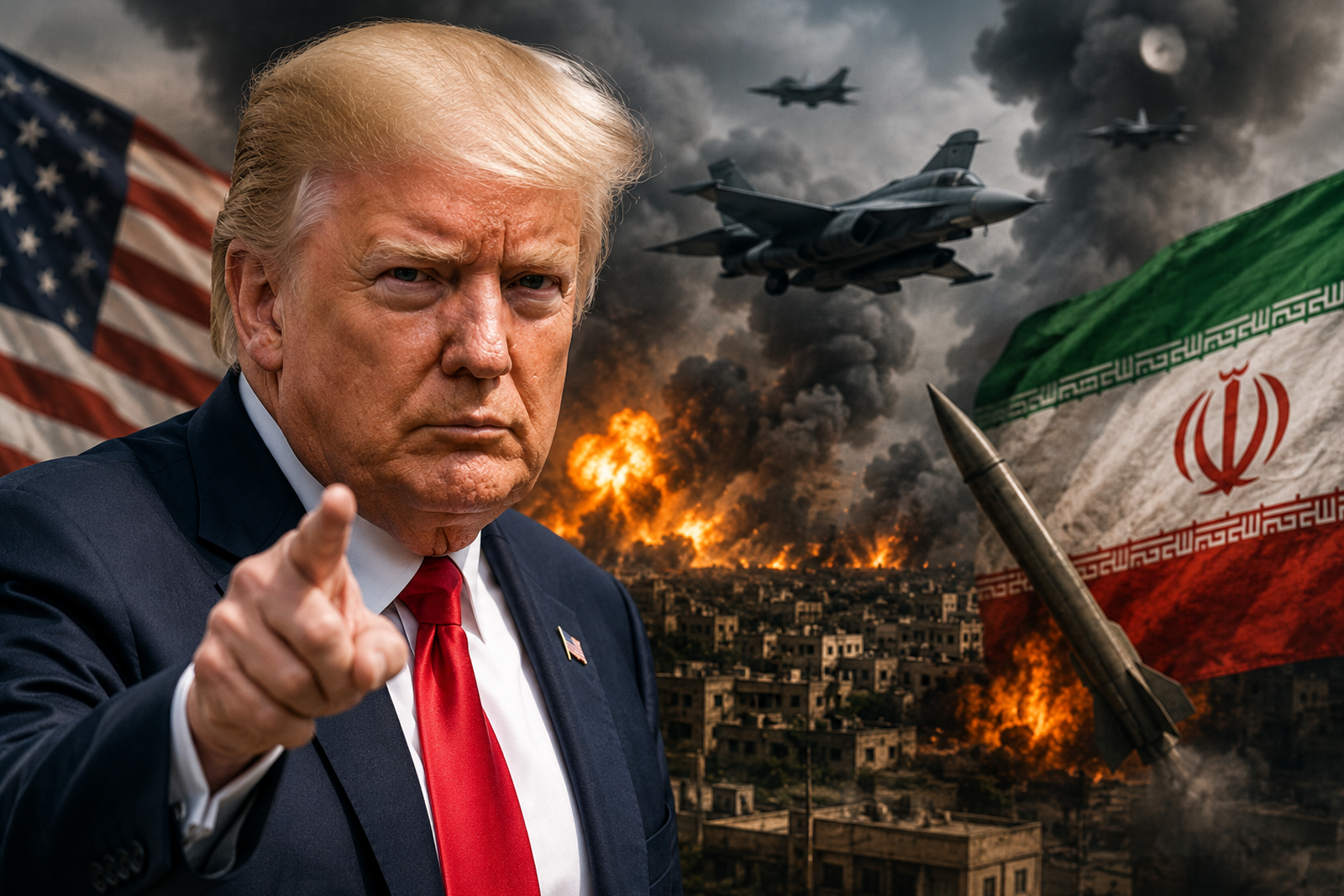
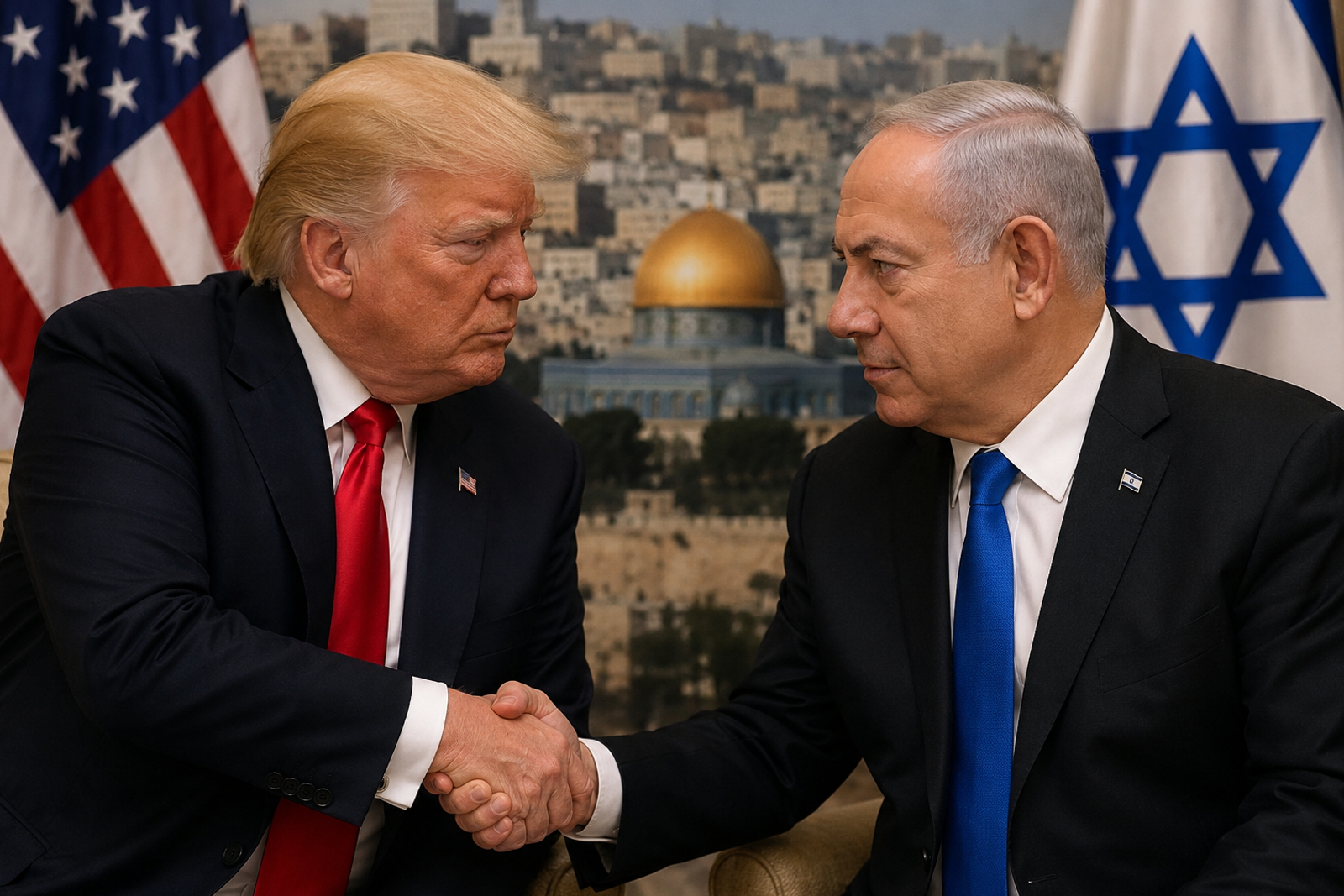
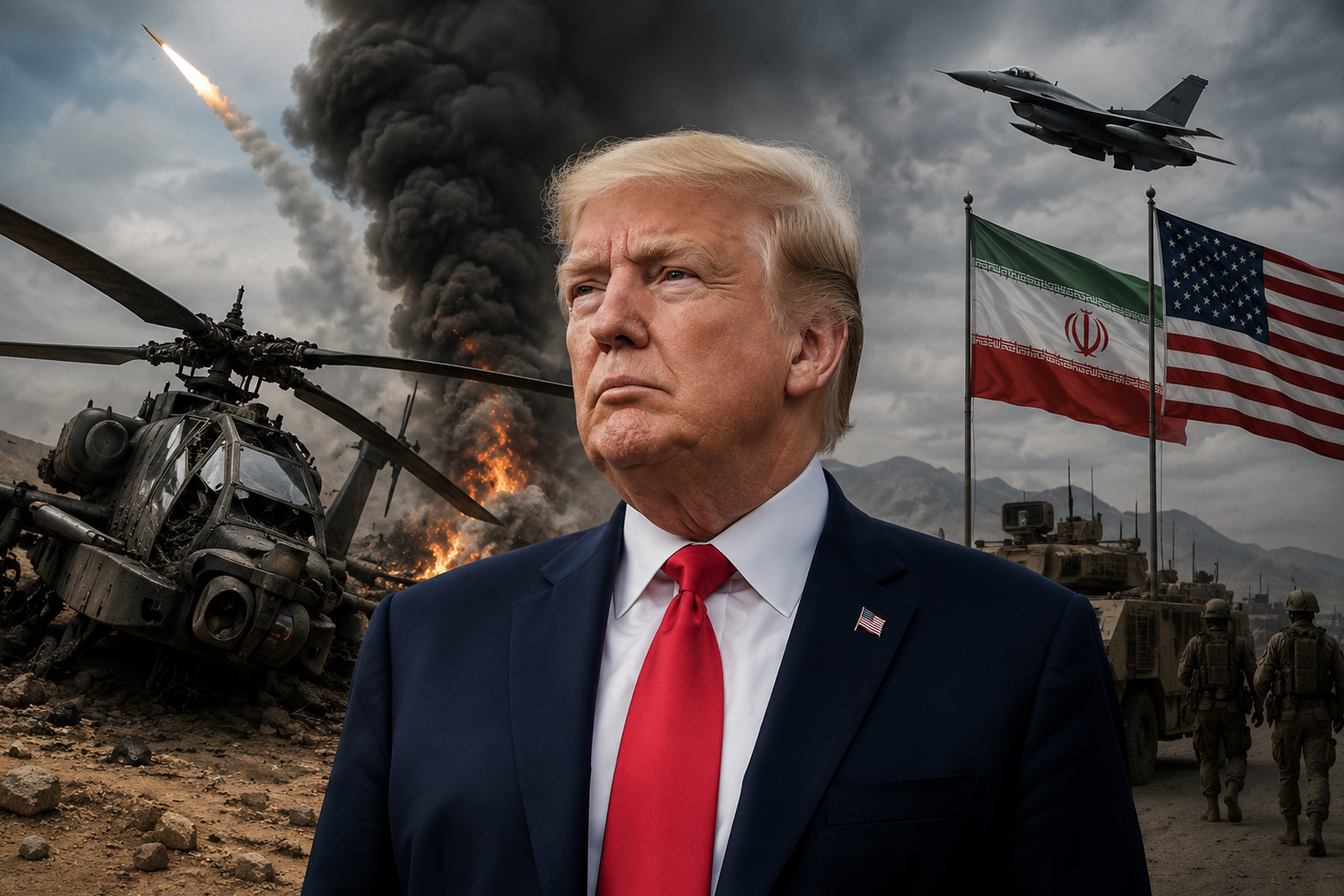
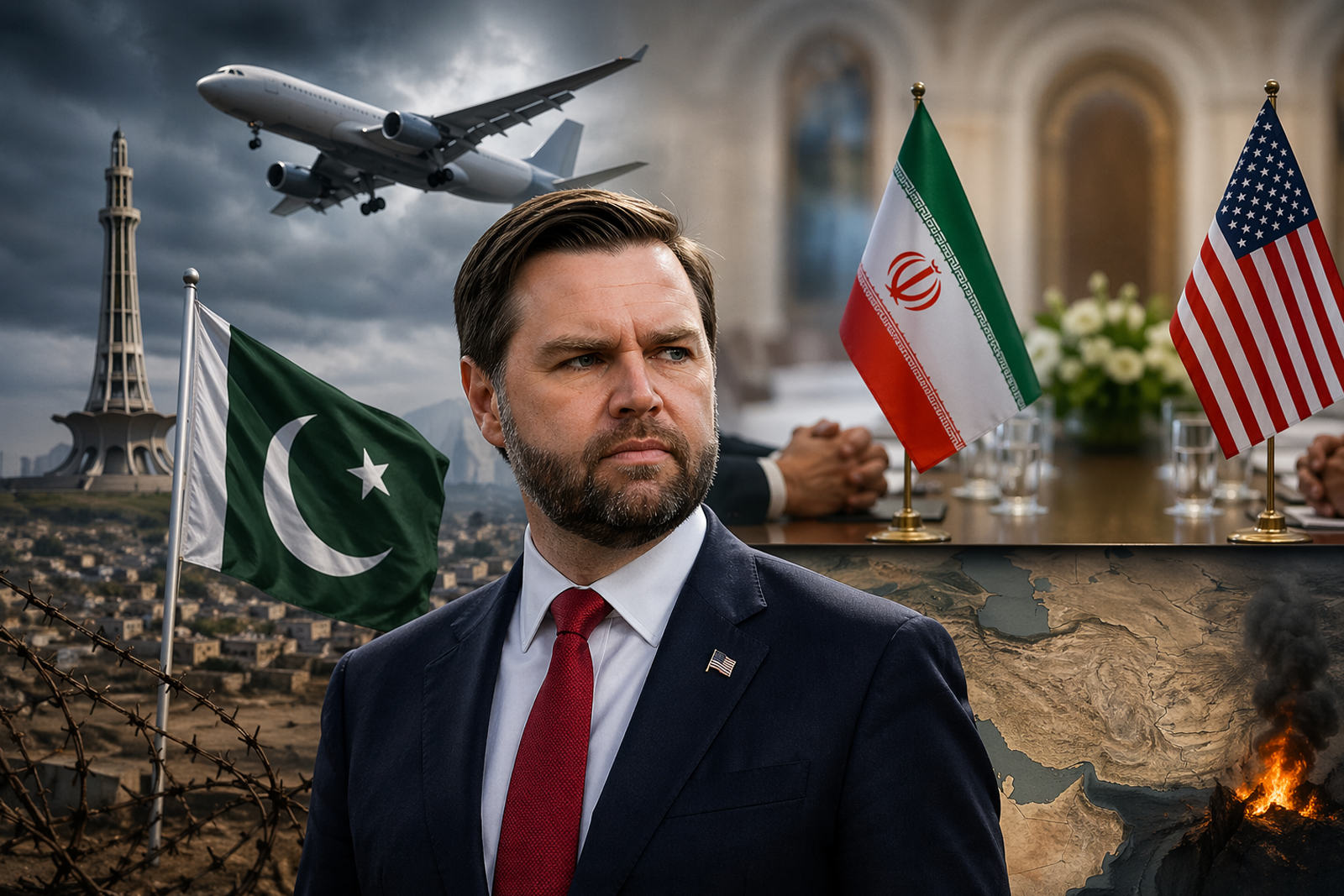
The fragile diplomatic engagement between the United States and Iran has entered a new phase of uncertainty, as fresh developments cast doubt over the prospects of a near-term peace breakthrough. The postponement of US Vice President JD Vance’s anticipated visit to Pakistan has added another layer of complexity to an already tense geopolitical situation, raising concerns about shifting priorities and stalled negotiations.
At the heart of the issue lies the ongoing effort to revive constructive dialogue between Washington and Tehran. While backchannel communications and international mediation had initially sparked cautious optimism, recent signals suggest that both sides remain far apart on key demands. Iran has continued to insist on firm guarantees regarding sanctions relief and economic normalization, while the United States is pushing for stricter compliance measures and broader regional commitments.
The delay in Vance’s Pakistan trip is being viewed by analysts as more than a scheduling adjustment. Pakistan has often played a subtle but important role in facilitating regional discussions, and any disruption in diplomatic outreach could slow momentum. The visit was expected to include strategic consultations that might indirectly support dialogue channels involving Iran, making its postponement particularly significant.
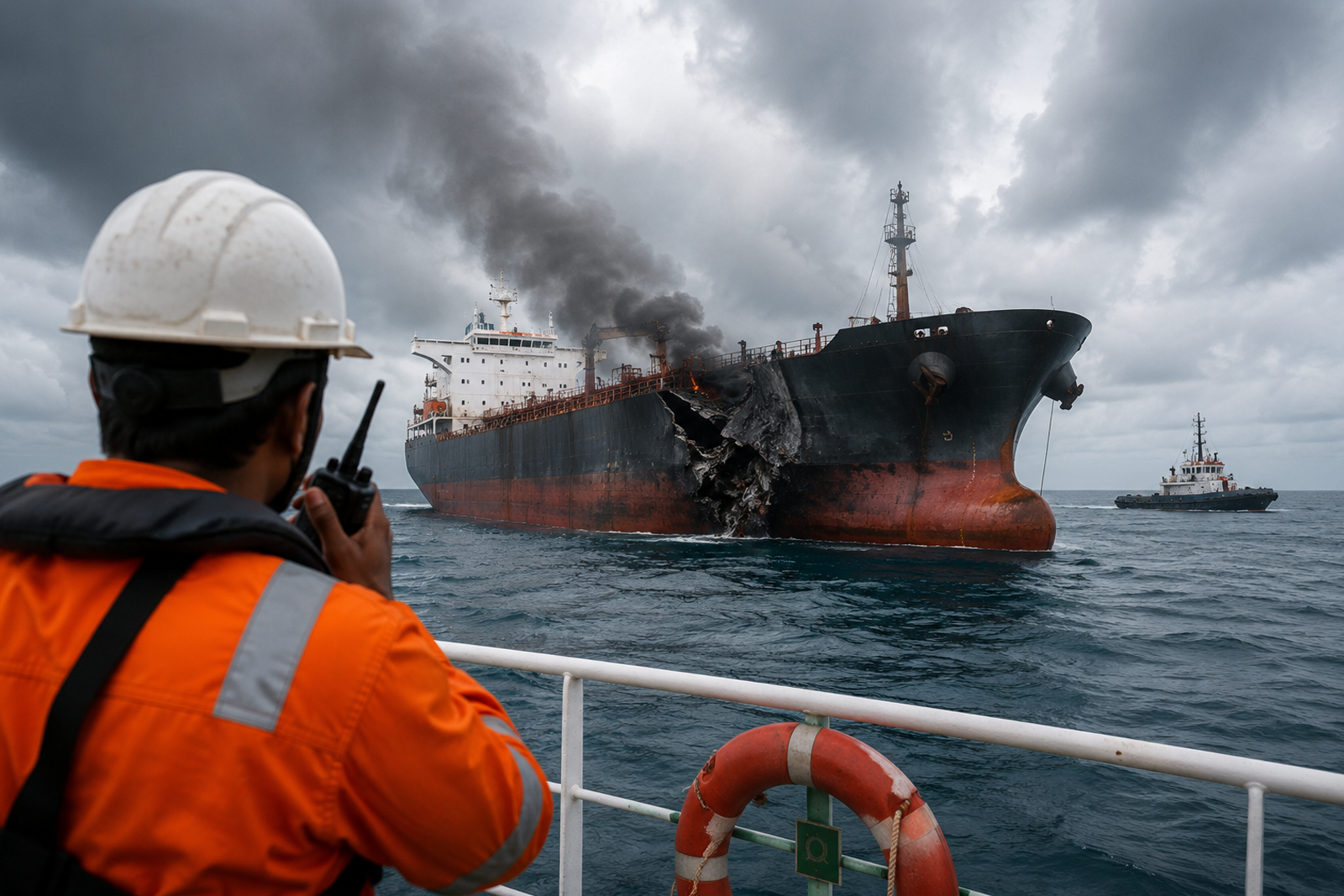
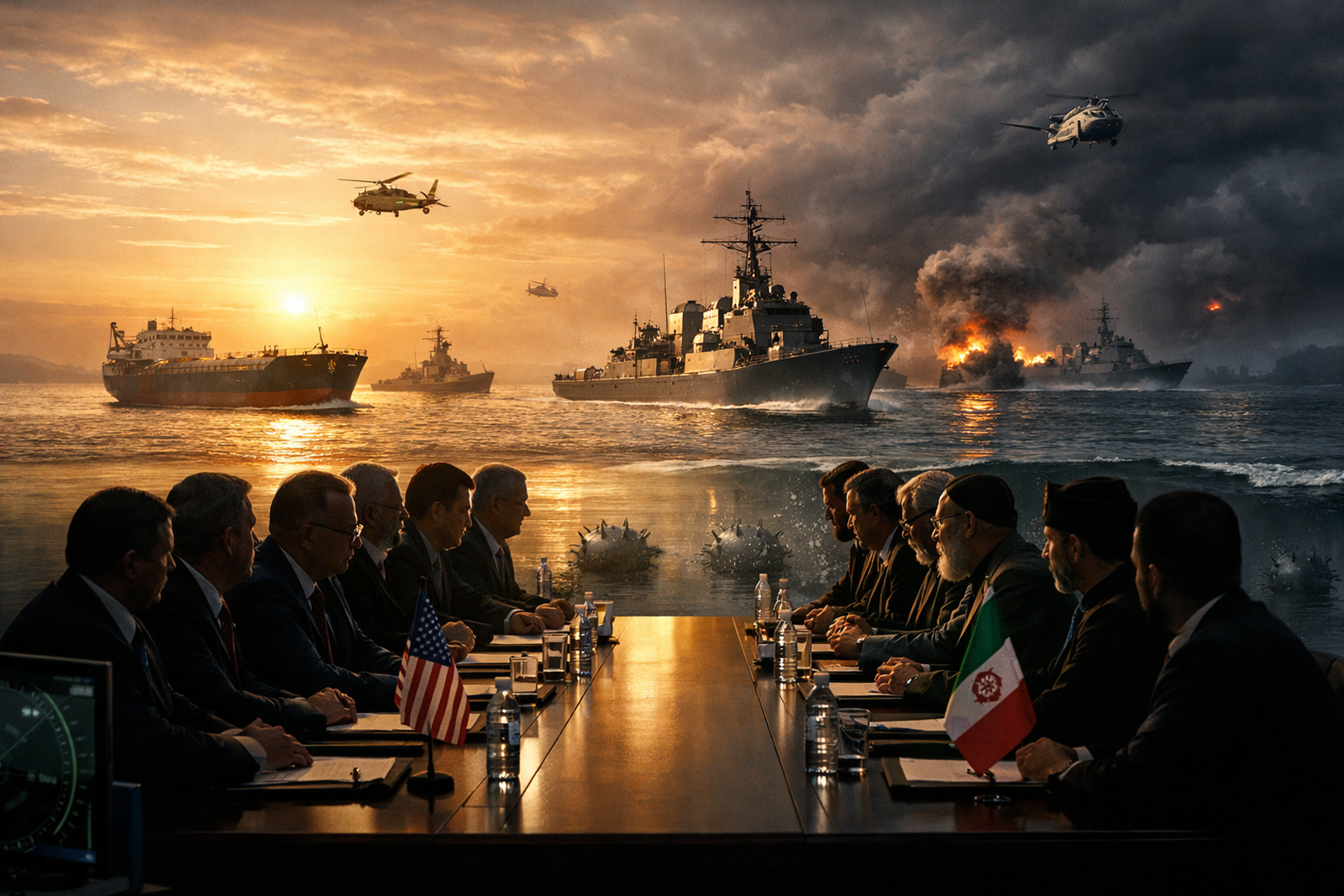
Meanwhile, tensions in the broader Middle East continue to simmer. Concerns over maritime security, energy routes, and regional alliances are adding pressure on global stakeholders to seek a stable resolution. However, the lack of mutual trust between the US and Iran remains a formidable barrier. Statements from both governments in recent days have reflected a cautious tone, with neither side willing to concede ground without reciprocal commitments.
International observers warn that prolonged uncertainty could have wider implications, including economic volatility and increased regional instability. Oil markets, in particular, remain sensitive to any escalation, while diplomatic partners are urging restraint and renewed engagement.
As the situation unfolds, the coming days are likely to be critical in determining whether dialogue can be revived or if tensions will deepen further. The postponement of key diplomatic engagements like Vance’s visit underscores the delicate nature of the current moment, where even minor disruptions can influence the trajectory of high-stakes negotiations.

US–Iran Peace Efforts Face Fresh Roadblocks as Diplomatic Signals Turn Uncertain
The evolving situation between the United States and Iran has once again entered a phase of unpredictability, with recent developments suggesting that the path toward de-escalation remains fragile. The reported postponement of JD Vance’s planned visit to Pakistan has intensified speculation about shifting diplomatic priorities and the overall health of ongoing peace efforts.
While official statements remain cautious, the delay is being interpreted as a sign that negotiations are encountering deeper challenges than previously acknowledged. At a time when global stakeholders are closely watching every move, even minor disruptions are capable of reshaping the broader diplomatic landscape.
Stalled Momentum in Peace Negotiations
Efforts to stabilize relations between Washington and Tehran had shown limited progress through indirect talks and mediation by neutral parties. However, the lack of alignment on critical issues continues to slow any meaningful breakthrough.
-
Iran remains firm on the demand for comprehensive sanctions relief.
-
The US insists on stricter compliance regarding nuclear commitments and regional conduct.
-
Trust deficit continues to dominate discussions, preventing forward movement.
The absence of a clear roadmap has left negotiations in a holding pattern, with both sides unwilling to make the first major concession.
Significance of Vance’s Delayed Pakistan Visit
The postponement of JD Vance’s Pakistan visit is not just a logistical matter—it carries deeper diplomatic implications.
-
Pakistan has historically played a behind-the-scenes role in facilitating regional dialogue.
-
The visit was expected to strengthen strategic ties and possibly support indirect communication channels involving Iran.
-
Its delay signals either shifting priorities or unresolved diplomatic concerns.
Analysts believe that such interruptions can weaken informal diplomatic bridges that are often crucial in high-stakes negotiations.
Regional Tensions Adding Pressure
The broader Middle East remains on edge, with multiple factors contributing to instability:
-
Concerns over maritime security in key oil transit routes.
-
Ongoing geopolitical rivalries influencing alliance structures.
-
Military posturing and strategic signaling by regional powers.
These tensions make it harder for the US and Iran to focus solely on bilateral issues, as regional dynamics continue to complicate decision-making.
Economic Implications of Uncertainty
Global markets are highly sensitive to any escalation between the US and Iran, particularly in the energy sector.
-
Oil prices tend to fluctuate sharply with every new development.
-
Investors remain cautious amid fears of supply disruptions.
-
Emerging economies could face indirect impacts through rising energy costs.
The uncertainty surrounding peace talks is therefore not just a political issue—it carries significant economic consequences worldwide.
Diplomatic Language Reflects Caution
Recent statements from both Washington and Tehran suggest a measured tone rather than aggressive rhetoric.
-
Officials emphasize the importance of dialogue but avoid firm commitments.
-
Public messaging appears designed to manage expectations rather than signal breakthroughs.
-
Both sides are carefully balancing domestic and international pressures.
This cautious communication indicates that neither side is ready to escalate tensions, but neither is prepared to compromise quickly.
Role of International Mediators
Several global and regional actors continue to encourage dialogue and prevent escalation.
-
Neutral countries and organizations are attempting to keep communication channels open.
-
Diplomatic backchannels remain active, even if formal talks appear stalled.
-
Mediation efforts aim to rebuild trust gradually rather than push for immediate agreements.
However, without strong political will from the primary stakeholders, mediation alone may not be enough.
Strategic Calculations on Both Sides
Both the US and Iran are navigating complex internal and external pressures:
For the United States:
-
Balancing domestic political considerations with foreign policy goals.
-
Maintaining alliances in the Middle East.
-
Ensuring non-proliferation commitments are upheld.
For Iran:
-
Addressing economic challenges linked to sanctions.
-
Preserving national sovereignty and strategic influence.
-
Managing internal expectations regarding negotiations.
These competing priorities make compromise difficult, prolonging the uncertainty.
What Lies Ahead?
The coming weeks are likely to be decisive in shaping the direction of US-Iran relations.
-
A resumption of diplomatic visits, including Vance’s trip, could signal renewed engagement.
-
Continued delays may indicate deeper disagreements behind closed doors.
-
External events, including regional developments, could either accelerate or derail talks further.
Observers suggest that incremental progress—rather than a sudden breakthrough—is the most realistic expectation at this stage.
Conclusion: A Delicate Diplomatic Moment
The postponement of a key diplomatic visit and the lack of visible progress in negotiations highlight the fragile nature of current US-Iran relations. While neither side appears eager for escalation, the absence of decisive action keeps the situation in a state of limbo.
For now, the world watches closely as diplomacy hangs in the balance. Whether this moment leads to renewed engagement or deeper stalemate will depend on the willingness of both nations to move beyond entrenched positions and find common ground in an increasingly complex geopolitical environment.

Shivani NayakJournalist
Shivani Nayak is an emerging journalist committed to delivering accurate, timely, and impactful stories for a fast-growing digital news platform. With a keen interest in politics, public policy, and community reporting, she focuses on issues that directly affect everyday life. Her work reflects a strong belief in responsible journalism, transparency, and fact-based reporting.
She brings a modern, digital-first approach to news coverage, blending field reporting with multimedia storytelling to reach audiences across platforms. From breaking developments to in-depth explainers and human-interest features, Anita strives to present news in a clear, accessible manner while maintaining editorial integrity.
Driven by curiosity and a deep sense of social responsibility, she actively engages with sources at the grassroots level, ensuring diverse voices are represented. She is particularly interested in governance, education reform, infrastructure development, and civic affairs.
Through her reporting, Anita aims to build trust with readers and contribute to a culture of informed public dialogue. As part of a new portal, she looks forward to growing alongside the publication and helping shape its journalistic identity in the digital age.