Hormuz Tensions Spike: Iran Seizes Two Ships Hours After Trump Extends Ceasefire
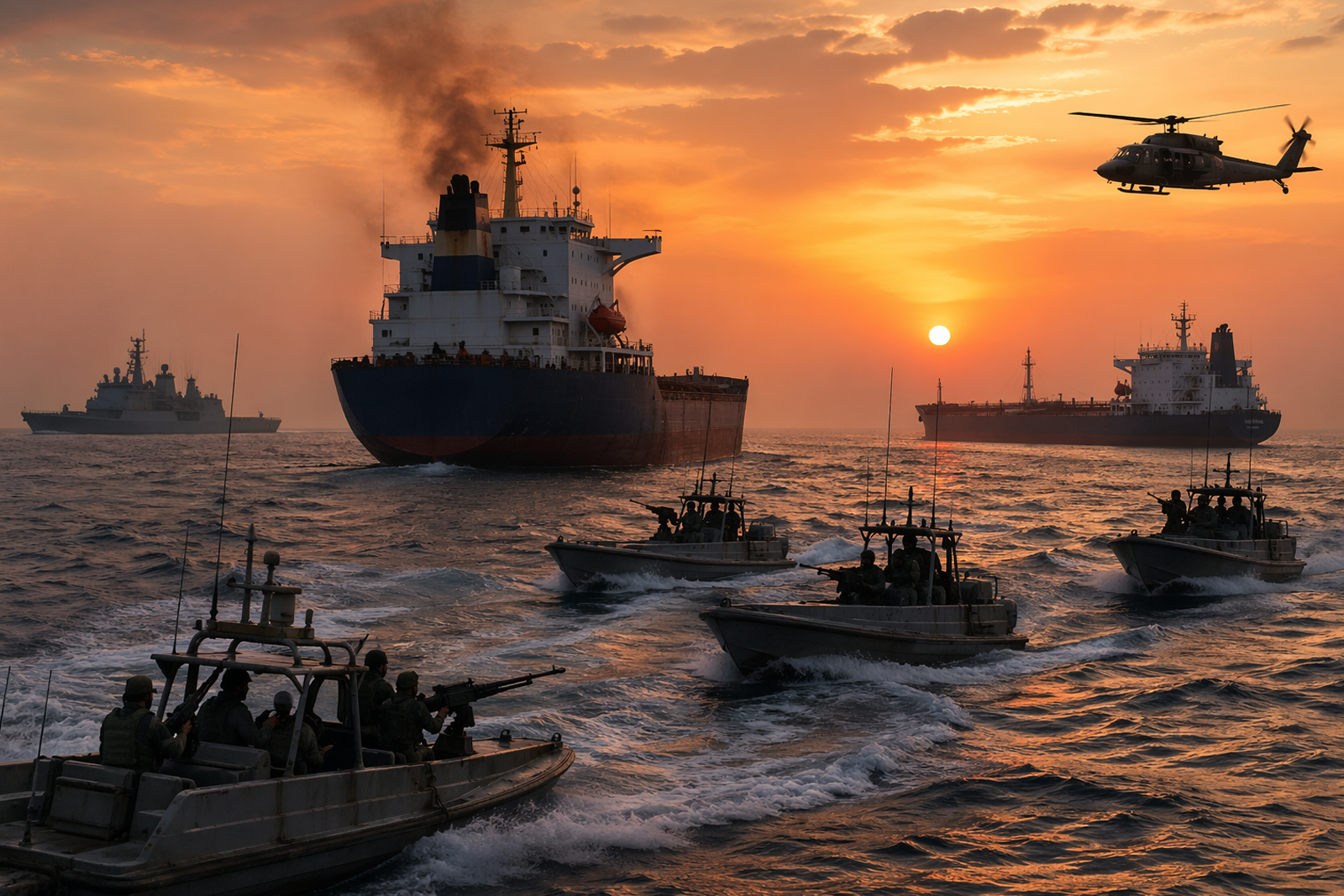
Gulf Crisis Deepens as Iran Seizes Ships After Ceasefire Extension
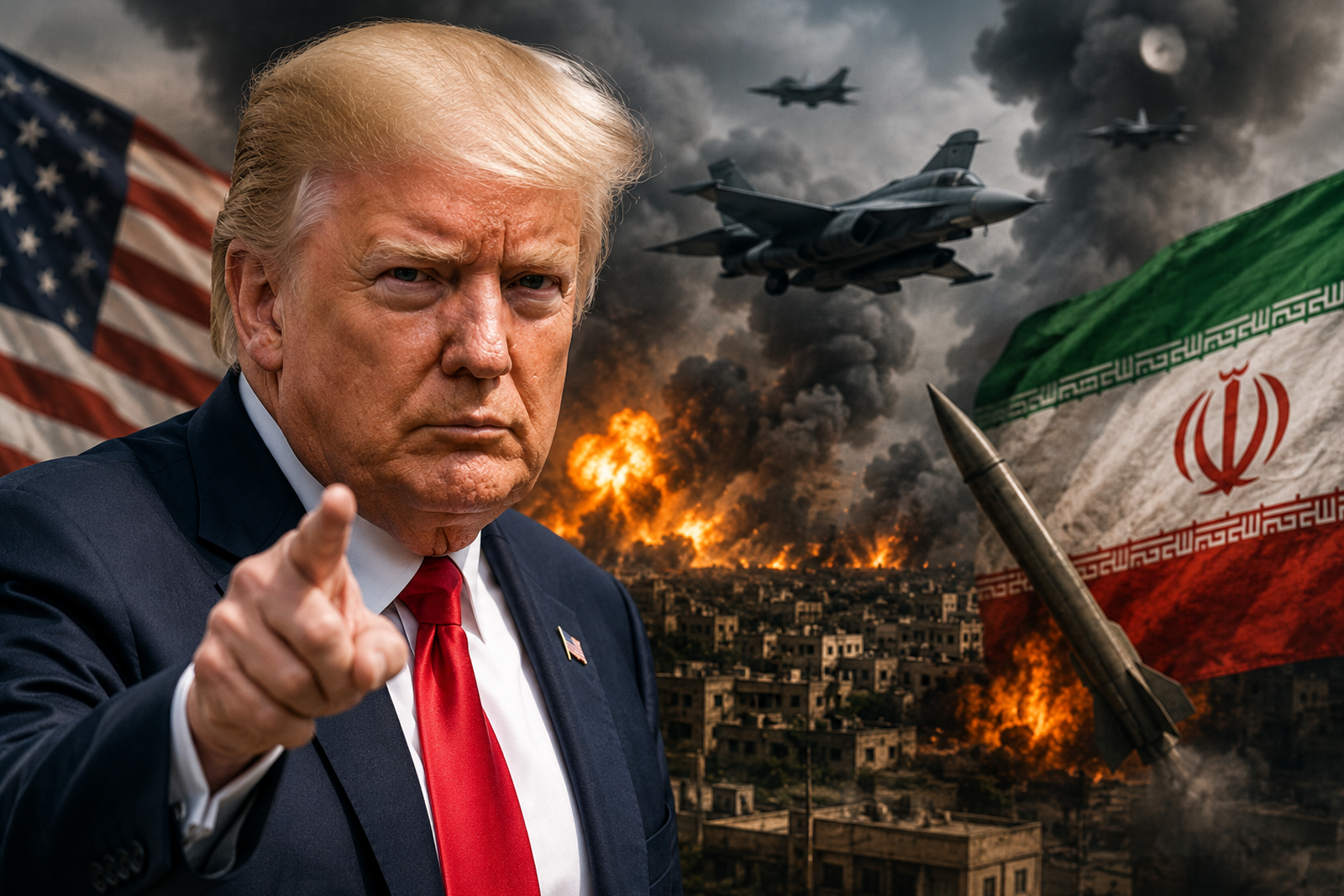
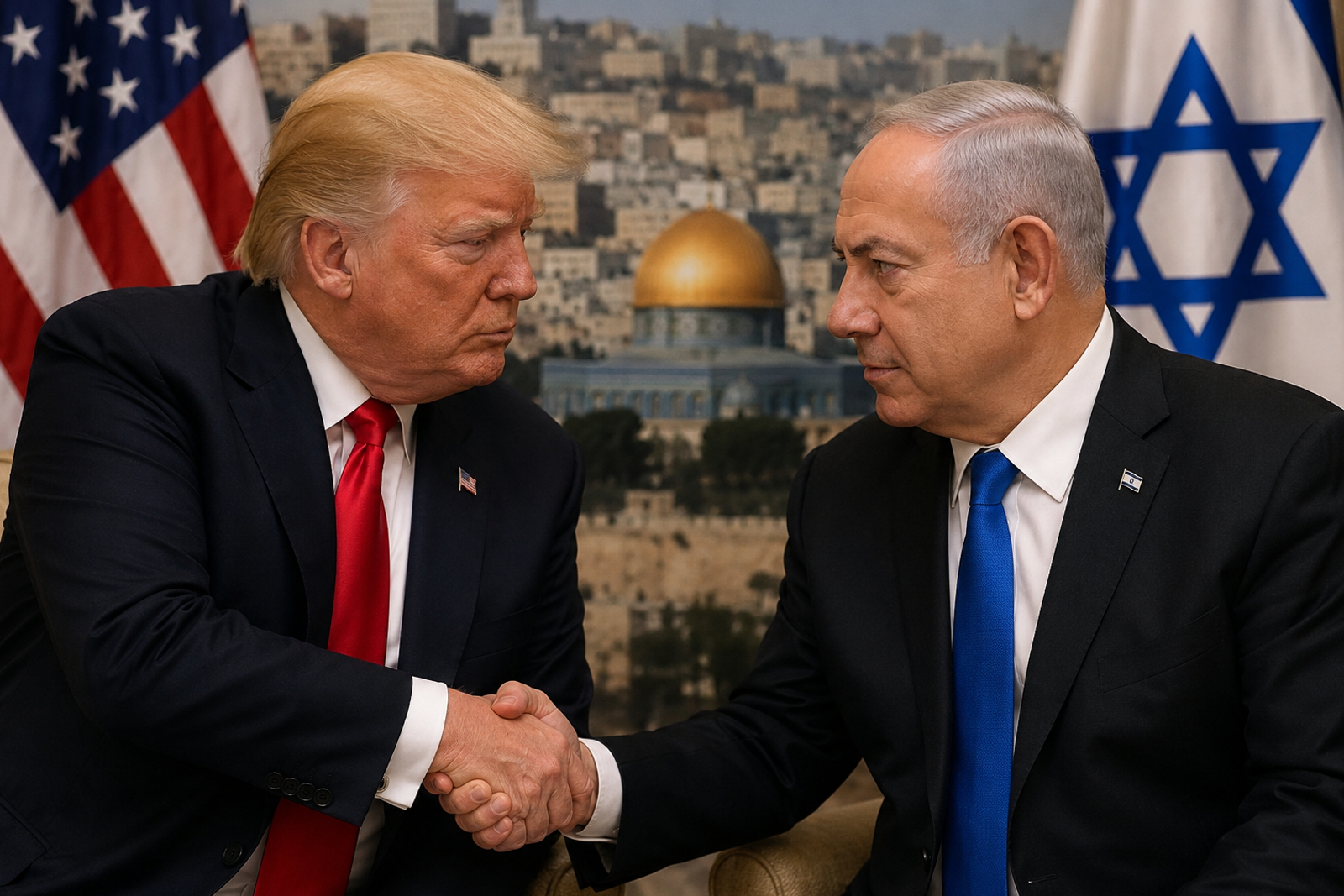
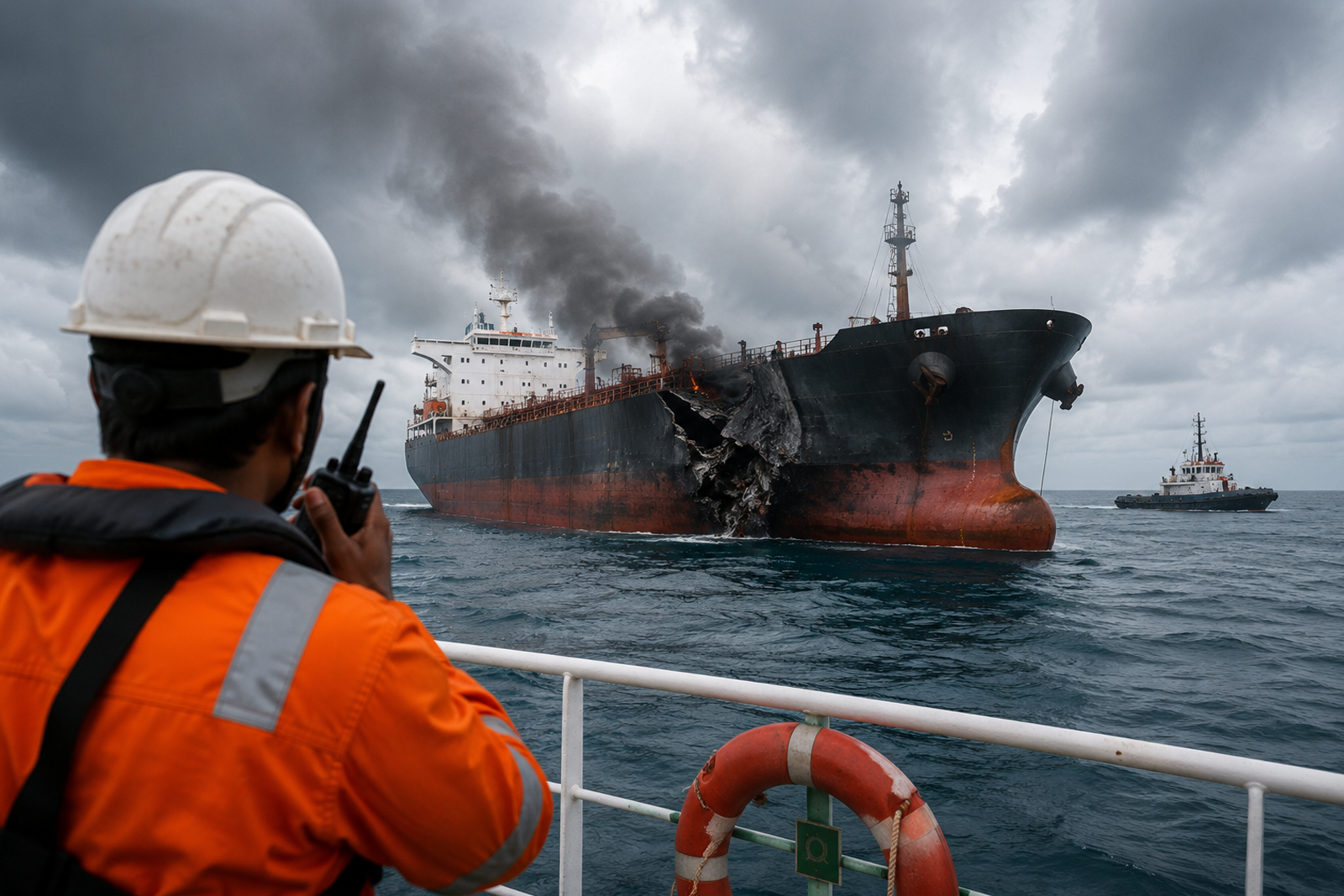
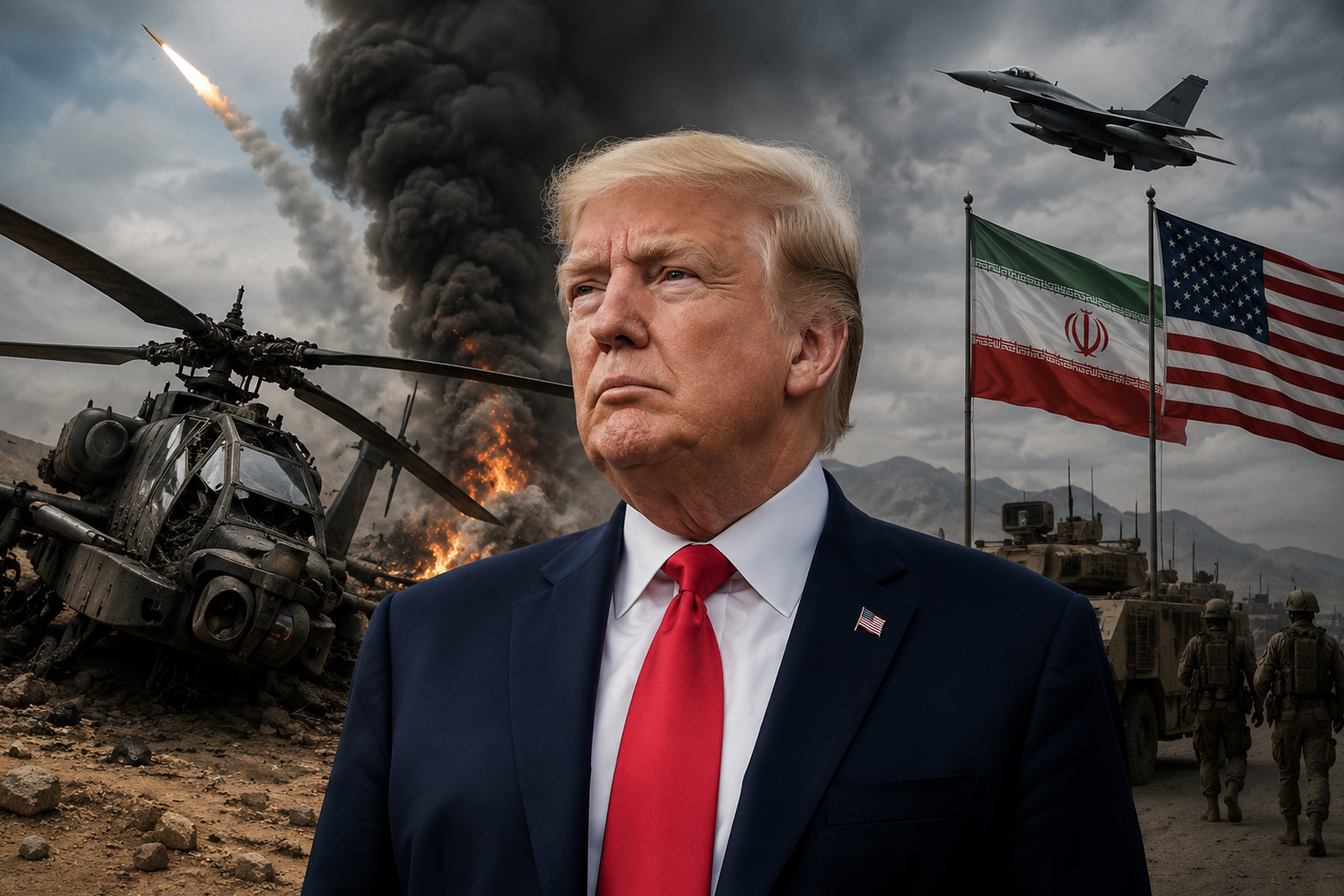
A fragile pause in hostilities has once again been tested as Iran announced the seizure of two vessels in the strategic Strait of Hormuz, just hours after former U.S. President Donald Trump declared an extension of the ongoing truce. The development has intensified uncertainty across the region, highlighting how quickly tensions can escalate despite diplomatic efforts to maintain calm.
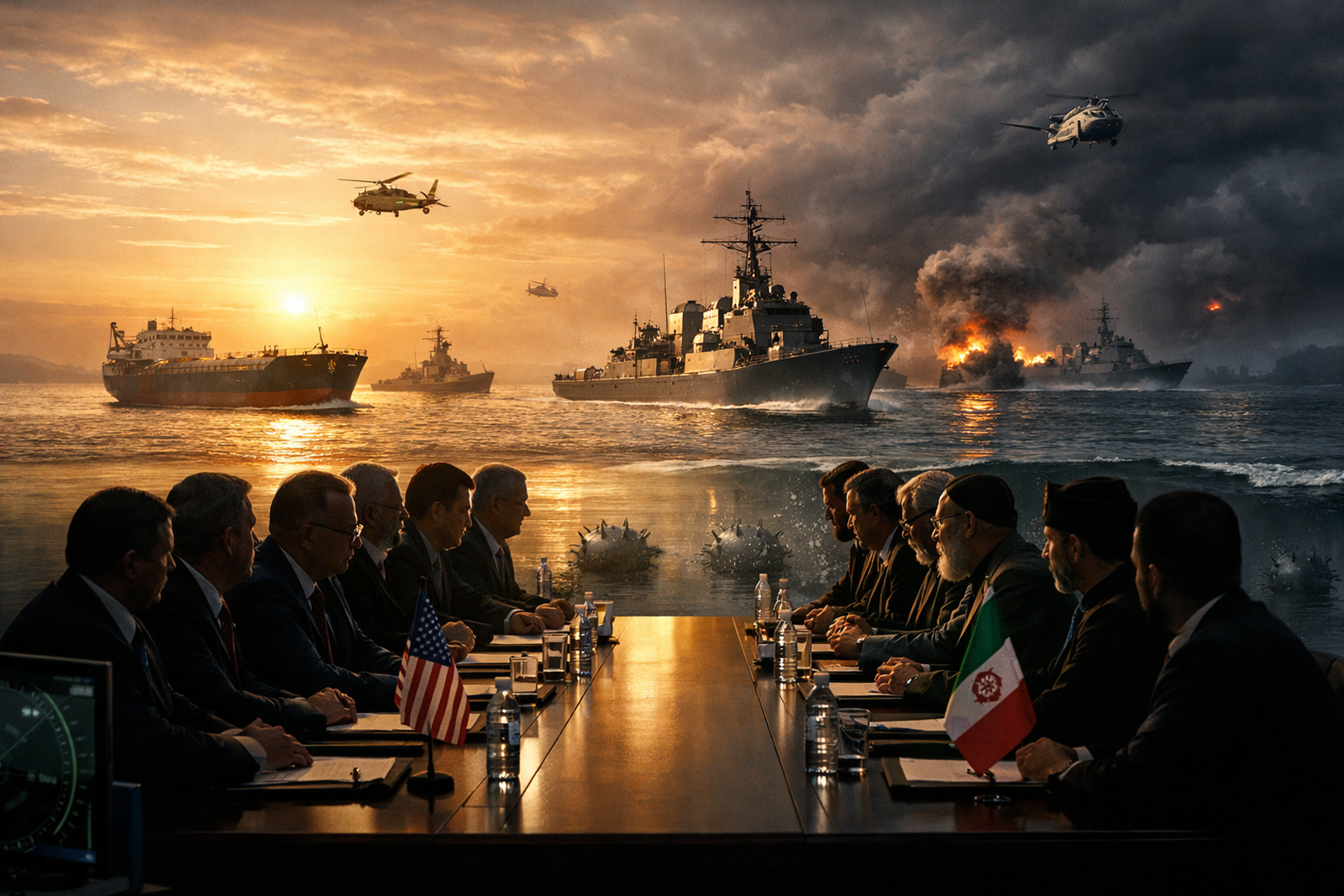
According to Iranian authorities, the ships were intercepted due to alleged violations of maritime regulations. However, officials from Western nations have raised concerns over the timing of the move, suggesting it could undermine ongoing efforts to stabilize relations. The Strait of Hormuz, one of the world’s most critical oil transit chokepoints, remains at the center of the dispute, with nearly a fifth of global oil supply passing through its narrow waters.
The ceasefire extension had initially been seen as a positive step toward de-escalation. Diplomatic channels between Iran and the United States had reportedly been active, with mediators pushing for broader negotiations aimed at resolving longstanding conflicts. However, this latest incident threatens to derail progress and reignite fears of confrontation.
Global markets reacted swiftly to the news, with oil prices showing signs of volatility amid concerns over supply disruptions. Energy analysts warn that any prolonged instability in the Gulf could have ripple effects on economies worldwide, particularly those heavily dependent on oil imports. Shipping companies have also begun reassessing routes and security protocols, adding to the growing sense of unease.
Meanwhile, international leaders have called for restraint, urging all sides to avoid actions that could provoke further escalation. The situation remains fluid, with diplomatic efforts expected to intensify in the coming days. Observers note that maintaining open communication channels will be critical to preventing the crisis from spiraling into a larger conflict.
As the world watches closely, the incident serves as a stark reminder of the delicate balance in the region. Even small developments can have far-reaching consequences, underscoring the urgent need for sustained dialogue and a long-term resolution to tensions in the Gulf.

Rising Gulf Tensions: Iran’s Ship Seizure Casts Shadow Over Extended Truce
The already fragile calm in the Middle East has been shaken once again after Iran claimed the seizure of two vessels in the strategically vital Strait of Hormuz. The incident comes shortly after former U.S. President Donald Trump announced an extension of the temporary ceasefire, a move that was initially welcomed as a step toward reducing hostilities. Instead, the latest development has underscored how quickly the situation can deteriorate, leaving global observers concerned about the stability of one of the world’s most sensitive geopolitical regions.
A Sudden Escalation After Hopeful Signals
The ceasefire extension had offered a brief sense of optimism, suggesting that diplomatic channels were still active and that both sides might be willing to avoid further confrontation. However, Iran’s swift action has complicated that narrative.
-
Iranian authorities stated the vessels were detained for alleged maritime violations.
-
Western officials have questioned the legitimacy and timing of the seizures.
-
The move has been widely interpreted as a signal of continued strategic assertiveness.
The contrast between diplomatic messaging and on-ground developments reveals a deep trust deficit that continues to hinder meaningful progress.
Why the Strait of Hormuz Matters
At the center of the crisis lies the Strait of Hormuz, a narrow but crucial waterway connecting the Persian Gulf to the global market. Its importance cannot be overstated:
-
Nearly 20% of the world’s oil supply passes through this route daily.
-
Major economies, especially in Asia, rely heavily on uninterrupted oil flow from this region.
-
Any disruption can trigger immediate global economic consequences.
Because of its strategic value, even isolated incidents in the strait can spark international concern and prompt rapid responses from multiple nations.
Global Economic Ripples Begin to Show
Financial and energy markets reacted almost instantly to the news of the ship seizures.
-
Oil prices showed volatility amid fears of supply disruptions.
-
Shipping companies began reviewing routes and increasing security measures.
-
Insurance costs for vessels operating in the region are expected to rise.
For countries dependent on oil imports, such instability could translate into higher fuel prices and economic pressure. The ripple effects may extend far beyond the Middle East, affecting industries and consumers worldwide.
Diplomatic Efforts Under Pressure
The timing of the incident has placed renewed strain on ongoing diplomatic efforts.
-
Mediators attempting to facilitate dialogue now face increased challenges.
-
Calls for restraint have come from multiple international leaders.
-
Trust-building measures risk being overshadowed by aggressive actions.
Despite the tensions, diplomatic engagement remains the only viable path to long-term stability. Analysts emphasize that even in moments of escalation, communication channels must remain open.
Strategic Messaging and Power Play
Iran’s actions may also be seen through the lens of strategic signaling.
-
Demonstrating control over key maritime routes reinforces regional influence.
-
The move could be intended to gain leverage in future negotiations.
-
It sends a message to both allies and adversaries about readiness and capability.
At the same time, such actions carry risks, as they may provoke countermeasures or escalate into broader confrontations if misinterpreted.
Security Concerns Intensify
The incident has heightened security concerns across the Gulf region.
-
Naval forces from multiple countries may increase their presence.
-
Surveillance and monitoring activities are likely to intensify.
-
Risks of accidental clashes or miscalculations grow in tense environments.
Experts warn that crowded waterways combined with heightened military readiness create conditions where even minor incidents can spiral into larger conflicts.
The Role of International Stakeholders
The unfolding situation has drawn attention from global powers and international organizations.
-
Energy-importing nations are closely monitoring developments.
-
Calls for adherence to international maritime laws are increasing.
-
Multilateral forums may become key platforms for de-escalation discussions.
The involvement of multiple stakeholders highlights the global stakes tied to regional stability in the Gulf.
What Lies Ahead
The immediate future remains uncertain, with several possible scenarios:
-
Continued tensions with sporadic incidents at sea.
-
Renewed diplomatic efforts leading to partial de-escalation.
-
Escalation into broader conflict if provocations continue.
Much will depend on how both sides choose to respond in the coming days. Measured actions and clear communication could help prevent further deterioration.
A Delicate Balance
The seizure of the two ships serves as a stark reminder of how fragile peace remains in the region. Despite announcements of ceasefires and diplomatic outreach, underlying tensions continue to simmer beneath the surface.
For the international community, the priority will be to ensure that the situation does not spiral out of control. Stability in the Strait of Hormuz is not just a regional concern—it is a global necessity. As events unfold, the world will be watching closely, hoping that restraint and dialogue prevail over confrontation.

Shivani NayakJournalist
Shivani Nayak is an emerging journalist committed to delivering accurate, timely, and impactful stories for a fast-growing digital news platform. With a keen interest in politics, public policy, and community reporting, she focuses on issues that directly affect everyday life. Her work reflects a strong belief in responsible journalism, transparency, and fact-based reporting.
She brings a modern, digital-first approach to news coverage, blending field reporting with multimedia storytelling to reach audiences across platforms. From breaking developments to in-depth explainers and human-interest features, Anita strives to present news in a clear, accessible manner while maintaining editorial integrity.
Driven by curiosity and a deep sense of social responsibility, she actively engages with sources at the grassroots level, ensuring diverse voices are represented. She is particularly interested in governance, education reform, infrastructure development, and civic affairs.
Through her reporting, Anita aims to build trust with readers and contribute to a culture of informed public dialogue. As part of a new portal, she looks forward to growing alongside the publication and helping shape its journalistic identity in the digital age.