Trump Dispatches Top Envoys to Pakistan for High-Stakes Iran Talks Amid Fragile Ceasefire
Trump’s Strategic Diplomatic Move: Pakistan Becomes Key Channel for Iran Talks
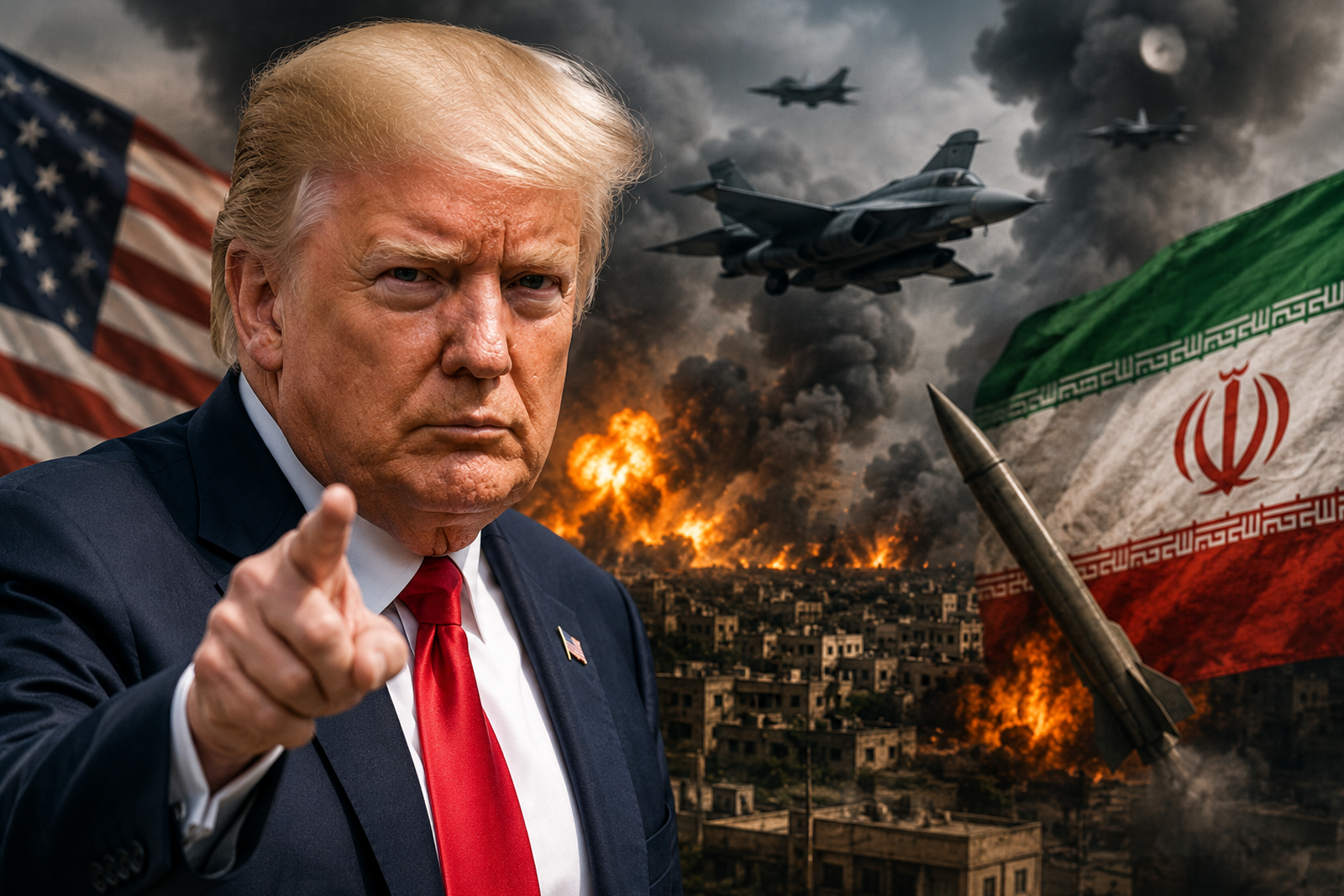
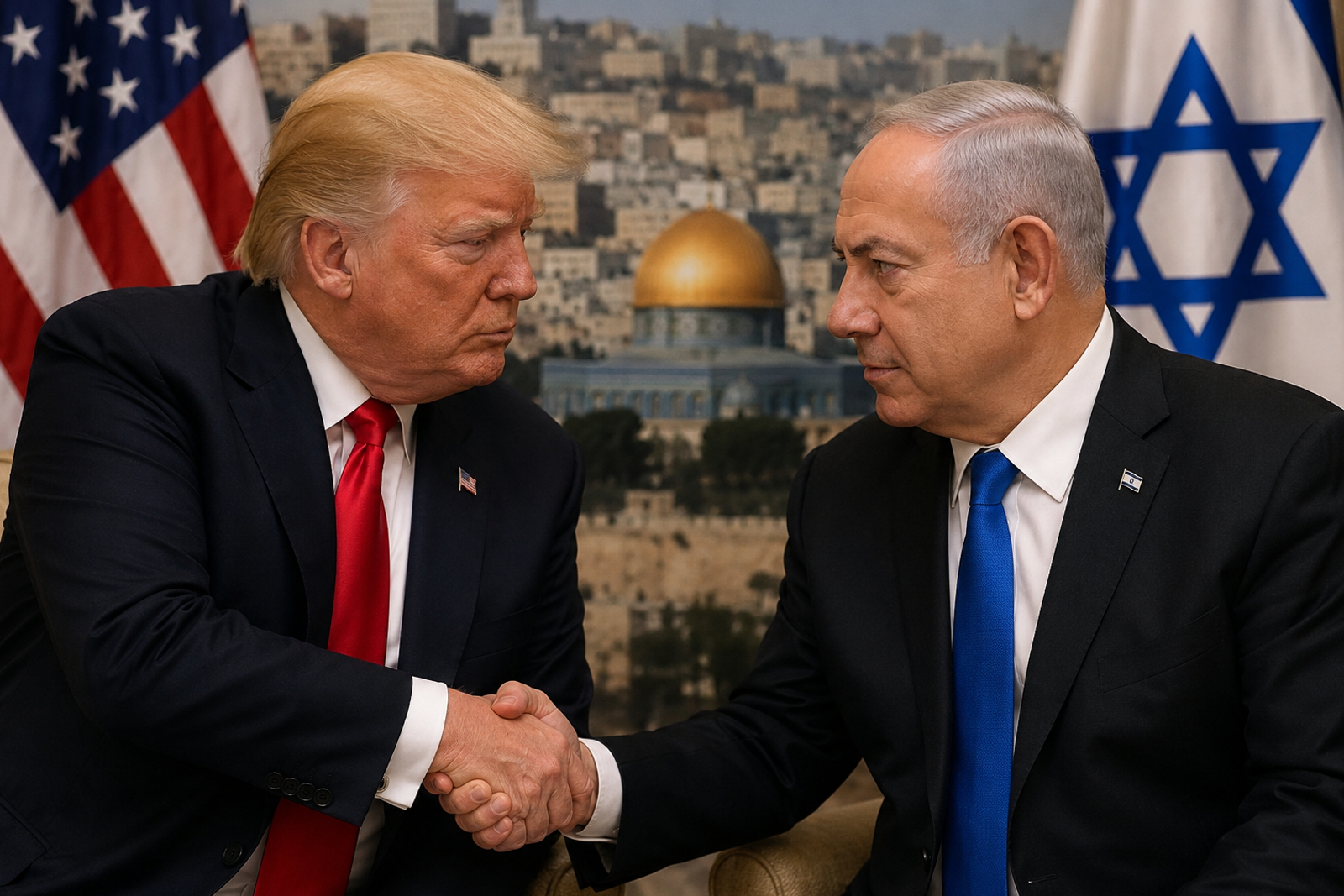
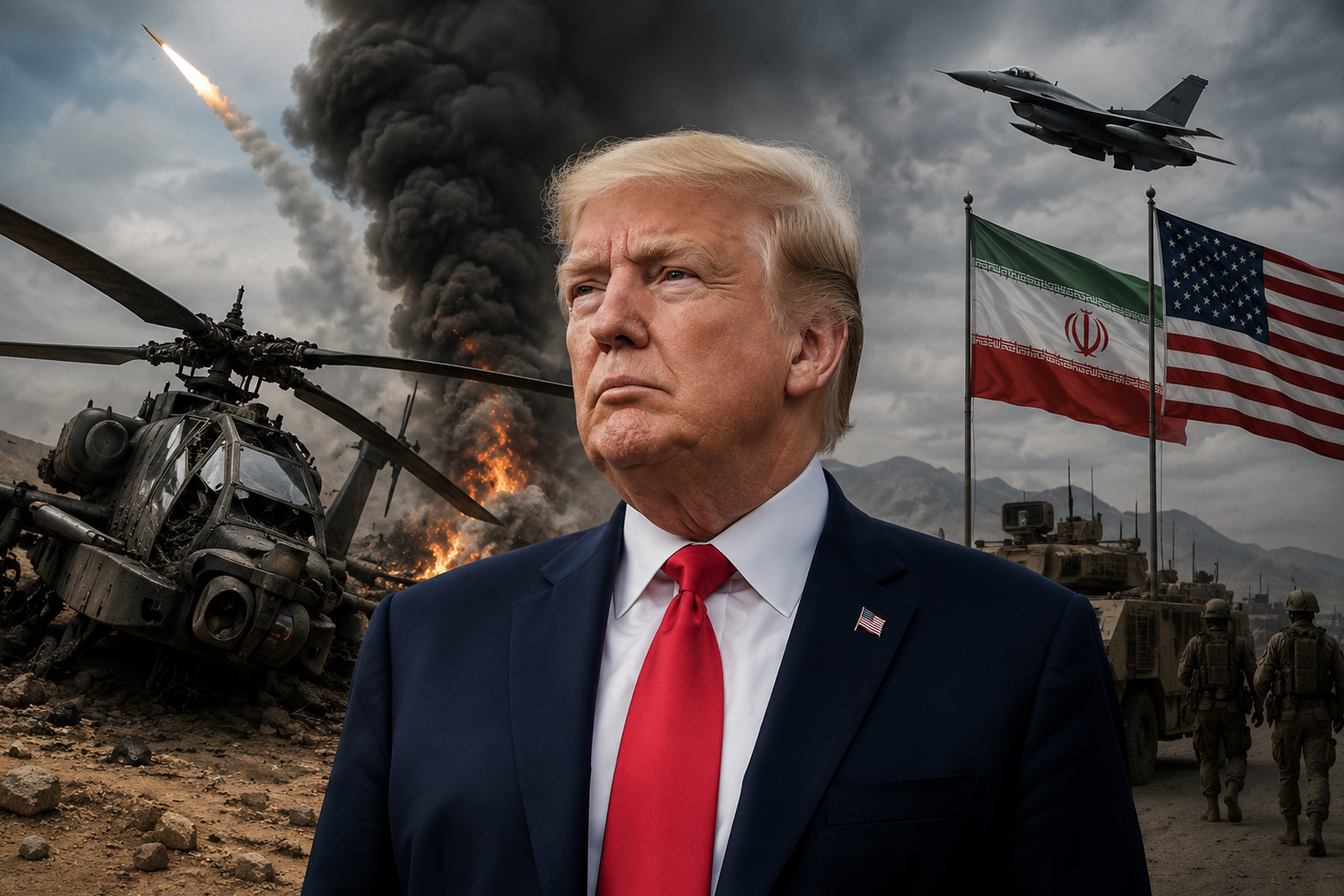
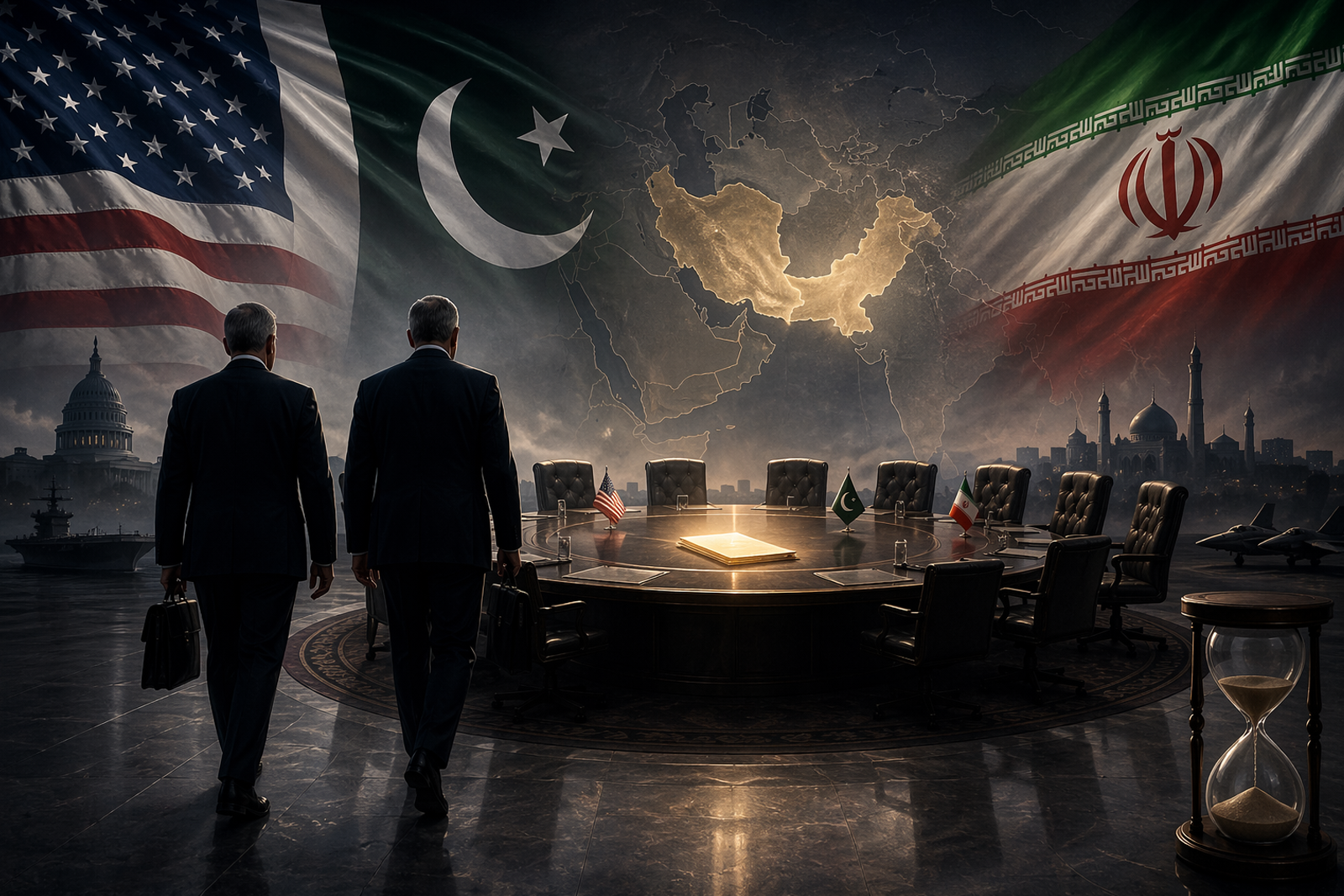
In a significant geopolitical development, former U.S. President Donald Trump has reportedly initiated a fresh diplomatic effort by dispatching two senior officials to Pakistan for crucial talks with Iran. The move comes at a time when regional tensions remain high, and the fragile balance of power in the Middle East continues to demand careful negotiation and strategic engagement.
According to emerging reports, Pakistan is being viewed as a vital intermediary capable of facilitating dialogue between Washington and Tehran. With its longstanding diplomatic ties with both nations, Islamabad’s involvement could help ease communication barriers and build a foundation for renewed negotiations. This initiative reflects a calculated attempt to revive stalled peace efforts and prevent further escalation in an already volatile region.
The decision to send high-level envoys signals urgency and intent. It suggests that backchannel diplomacy is being prioritized over public posturing, allowing sensitive discussions to take place away from global scrutiny. Analysts believe such quiet engagements often yield more constructive outcomes, especially when trust deficits and political tensions run deep.
Iran’s position in these talks will be closely watched, as Tehran has historically maintained a cautious approach toward U.S.-led initiatives. However, the involvement of Pakistan may offer a neutral ground, potentially encouraging more openness in discussions. The focus is likely to include de-escalation measures, maritime security, and broader regional stability concerns.
For Pakistan, this development underscores its growing relevance in international diplomacy. Acting as a bridge between two adversaries not only enhances its global standing but also places it at the center of a critical peace process. The outcome of these talks could shape future diplomatic alignments and influence the trajectory of U.S.-Iran relations.
While uncertainties remain, this latest move highlights a renewed push toward dialogue over confrontation. Whether it leads to a breakthrough or simply lays groundwork for future engagement, the coming days will be pivotal in determining the effectiveness of this diplomatic outreach.

High-Stakes Diplomacy Unfolds: Trump’s Envoys Head to Pakistan for Iran Dialogue
In a renewed attempt to address mounting tensions in the Middle East, former U.S. President Donald Trump has reportedly sent two key officials to Pakistan to initiate discreet but crucial discussions with Iran. This strategic outreach highlights a shift toward indirect diplomacy, leveraging Pakistan’s unique geopolitical position to facilitate dialogue between two long-standing adversaries.
As uncertainty continues to cloud regional stability, this move signals a deliberate effort to reopen communication channels that have remained strained for years. The choice of Pakistan as a mediator is not incidental—it reflects both necessity and opportunity in a complex diplomatic landscape.
Why Pakistan Is Central to This Diplomatic Push
Pakistan’s involvement in this sensitive mission underscores its evolving role on the global stage. Positioned at the crossroads of South Asia and the Middle East, Pakistan maintains working relationships with both Washington and Tehran. This allows it to act as a credible intermediary when direct engagement becomes politically difficult.
-
Balanced Relations: Pakistan has historically managed diplomatic ties with both the U.S. and Iran without fully aligning against either.
-
Strategic Geography: Its proximity to Iran and access to key regional routes enhance its logistical and diplomatic value.
-
Experience in Mediation: Islamabad has previously participated in backchannel negotiations, making it a familiar player in quiet diplomacy.
By hosting or facilitating such talks, Pakistan not only contributes to regional peace efforts but also strengthens its own international standing.
Objectives Behind the Envoys’ Visit
While official details remain limited, several key objectives are likely shaping this diplomatic outreach. The presence of senior officials suggests that discussions are expected to go beyond symbolic gestures and focus on tangible outcomes.
-
De-escalation of Tensions: Reducing the risk of military confrontation remains a top priority.
-
Reviving Communication Channels: Establishing consistent dialogue mechanisms can prevent misunderstandings and miscalculations.
-
Exploring Ceasefire Possibilities: If conflicts are ongoing in proxy regions, ceasefire frameworks may be discussed.
-
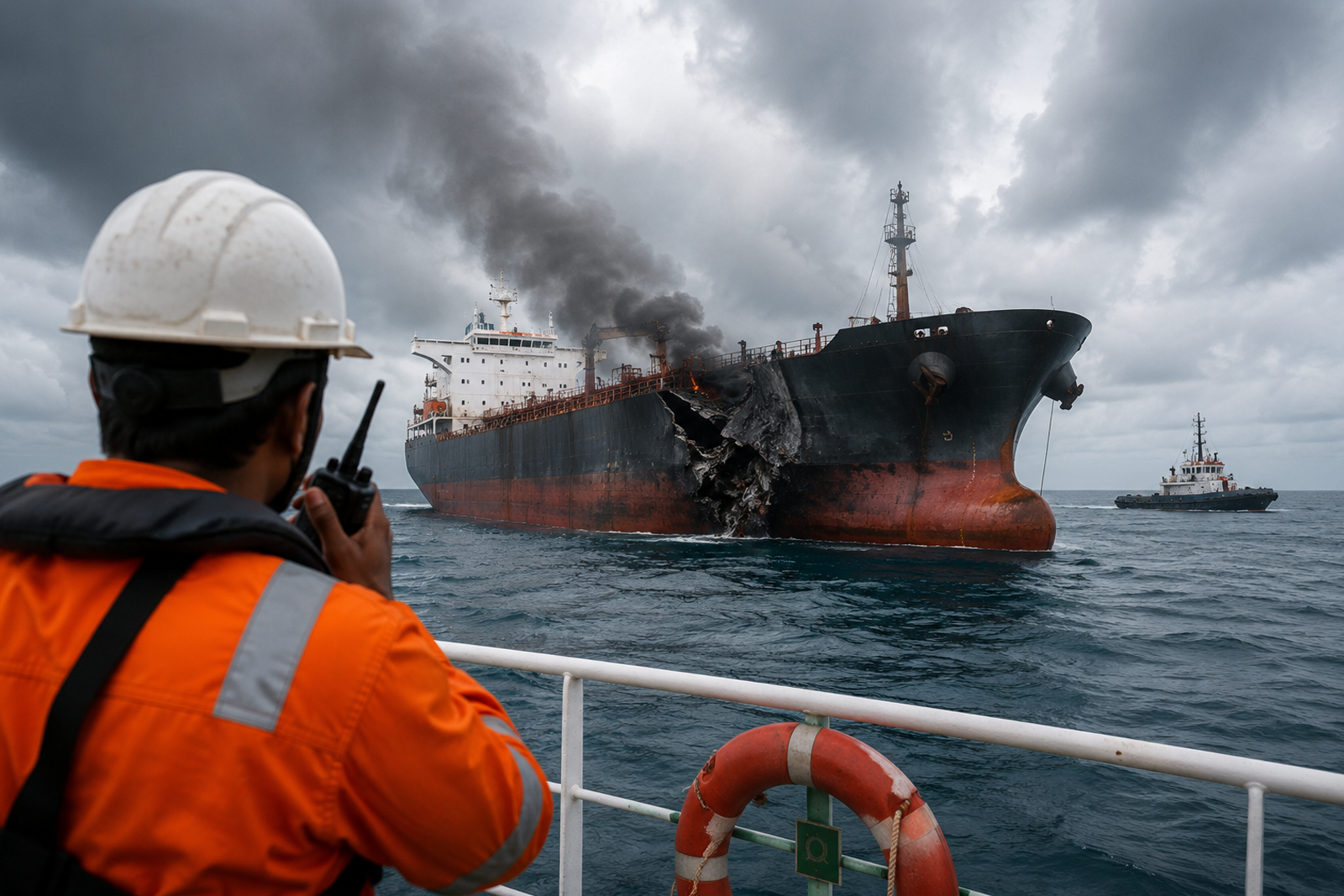
Maritime Security Concerns: Ensuring safe navigation in critical waterways like the Strait of Hormuz is vital for global trade.
These goals reflect a broader intent to stabilize not just bilateral relations but the entire region.
Iran’s Likely Approach to the Talks
Iran has traditionally approached U.S.-linked negotiations with caution, particularly when trust deficits are high. However, indirect talks through a third party like Pakistan may provide a more acceptable framework for engagement.
-
Demand for Respect and Sovereignty: Iran is expected to emphasize non-interference in its internal affairs.
-
Sanctions Relief Discussions: Economic pressures remain a core concern for Tehran.
-
Security Guarantees: إيران may seek assurances against military escalation or covert operations.
The tone and flexibility of Iran’s participation will play a decisive role in determining whether these talks gain momentum or stall early.
The Role of Backchannel Diplomacy
One of the most notable aspects of this development is the reliance on quiet, behind-the-scenes negotiations. Unlike public summits, backchannel diplomacy allows leaders to test ideas, make concessions, and build trust without immediate political fallout.
-
Reduced Media Pressure: բանակցators can speak more freely without public scrutiny.
-
Incremental Progress: Small agreements can be reached before formal announcements.
-
Conflict Management: Sensitive issues can be addressed without escalating tensions.
Historically, such methods have paved the way for major diplomatic breakthroughs, even between deeply divided nations.
Implications for U.S.-Iran Relations
The dispatch of envoys indicates that there is still an appetite for dialogue, despite years of hostility. If successful, this initiative could mark the beginning of a gradual thaw in relations between Washington and Tehran.
-
Reopening Negotiation Frameworks: նախկին agreements or new frameworks may be revisited.
-
Confidence-Building Measures: خطوات like prisoner exchanges or limited sanctions easing could emerge.
-
Long-Term Engagement: Sustained dialogue could replace sporadic confrontation.
However, failure to achieve even modest progress could reinforce existing mistrust and harden positions on both sides.
Regional and Global Impact
The outcome of these talks will extend far beyond the immediate participants. Stability in the Middle East has direct implications for global energy markets, security alliances, and international trade.
-
Energy Security: Reduced tensions can stabilize oil prices and supply chains.
-
Allied Reactions: Countries aligned with the U.S. or Iran will closely monitor developments.
-
Geopolitical Balance: հաջող mediation could shift influence dynamics in the region.
For countries like India and China, which rely heavily on Middle Eastern energy, any positive movement toward peace is of significant interest.
Challenges That Could Derail Progress
Despite the promising nature of this initiative, several obstacles could hinder meaningful outcomes.
-
Deep-Rooted Distrust: Years of conflict and accusations cannot be easily overcome.
-
Domestic Political Pressures: Leaders in all involved countries must consider internal public opinion.
-
External Influences: Other regional powers may attempt to influence or disrupt the process.
-
Unclear Commitments: Without concrete agreements, talks may remain symbolic.
Recognizing these challenges is essential to understanding the complexity of the situation.
What to Watch in the Coming Days
As the envoys begin their mission, several indicators will reveal whether the talks are progressing:
-
Official Statements from Pakistan: Signals of successful facilitation or continued engagement.
-
תגובות from Iran: Willingness to continue discussions or set conditions.
-
U.S. Messaging: Tone and frequency of updates from Trump’s camp.
-
Follow-Up Meetings: Scheduling of additional rounds of talks.
These developments will help analysts gauge whether this effort is a temporary outreach or the start of a sustained diplomatic process.
Conclusion: A Critical Moment for Dialogue
The decision byDonald Trumpto send envoys toPakistanfor talks involvingIranrepresents a calculated and potentially impactful diplomatic maneuver. At a time when tensions could easily escalate, choosing dialogue—especially through a trusted intermediary—offers a path toward stability.
While expectations should remain measured, the importance of this initiative cannot be understated. Whether it leads to immediate breakthroughs or simply lays the groundwork for future negotiations, it reinforces a critical principle in international relations: even the most strained conflicts can find openings for conversation.

Shivani NayakJournalist
Shivani Nayak is an emerging journalist committed to delivering accurate, timely, and impactful stories for a fast-growing digital news platform. With a keen interest in politics, public policy, and community reporting, she focuses on issues that directly affect everyday life. Her work reflects a strong belief in responsible journalism, transparency, and fact-based reporting.
She brings a modern, digital-first approach to news coverage, blending field reporting with multimedia storytelling to reach audiences across platforms. From breaking developments to in-depth explainers and human-interest features, Anita strives to present news in a clear, accessible manner while maintaining editorial integrity.
Driven by curiosity and a deep sense of social responsibility, she actively engages with sources at the grassroots level, ensuring diverse voices are represented. She is particularly interested in governance, education reform, infrastructure development, and civic affairs.
Through her reporting, Anita aims to build trust with readers and contribute to a culture of informed public dialogue. As part of a new portal, she looks forward to growing alongside the publication and helping shape its journalistic identity in the digital age.