Trump’s Sudden U-Turn Deepens Uncertainty Over Fragile US-Iran Peace Talks
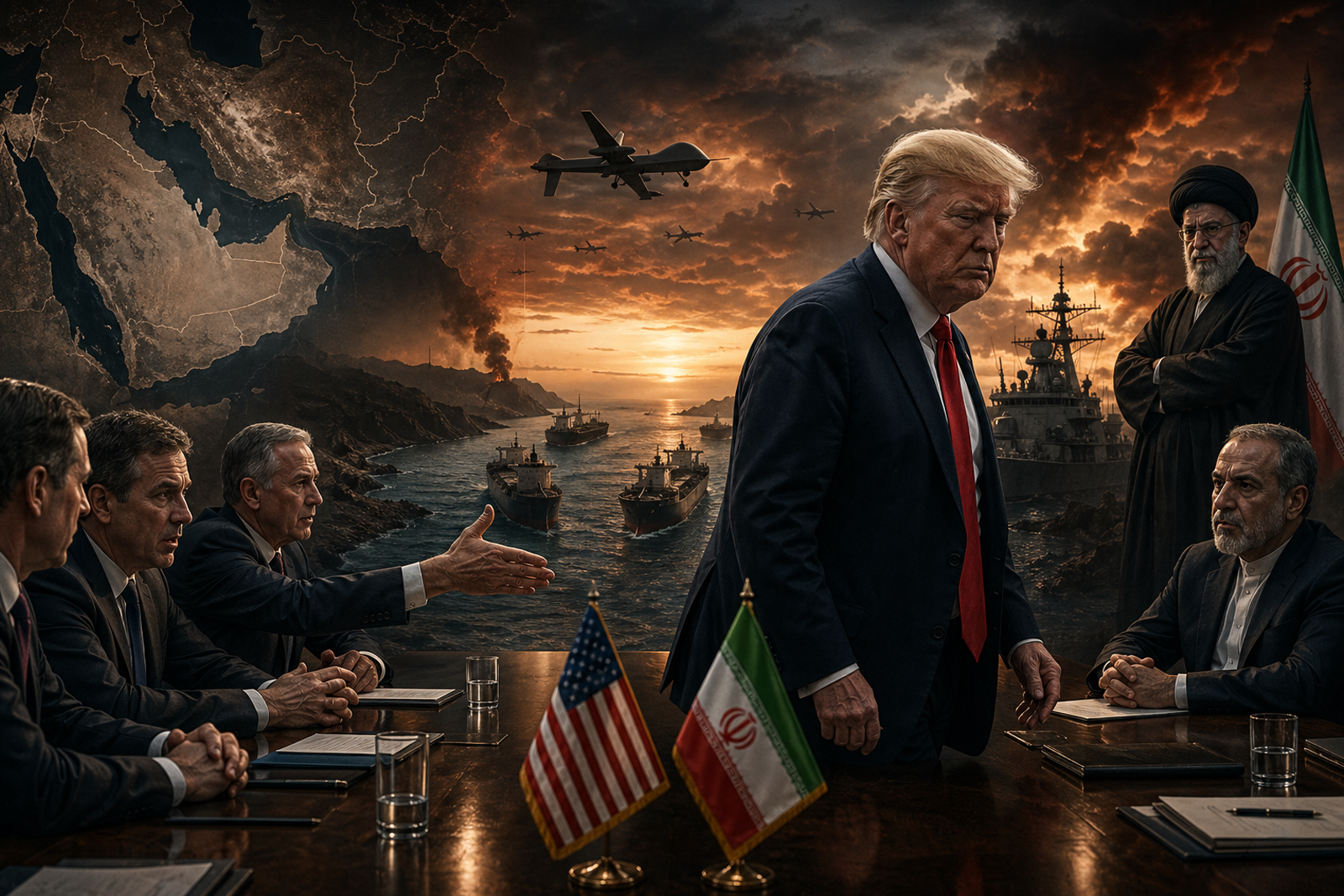
Trump’s Latest Move Raises Stakes in US-Iran Peace Talks
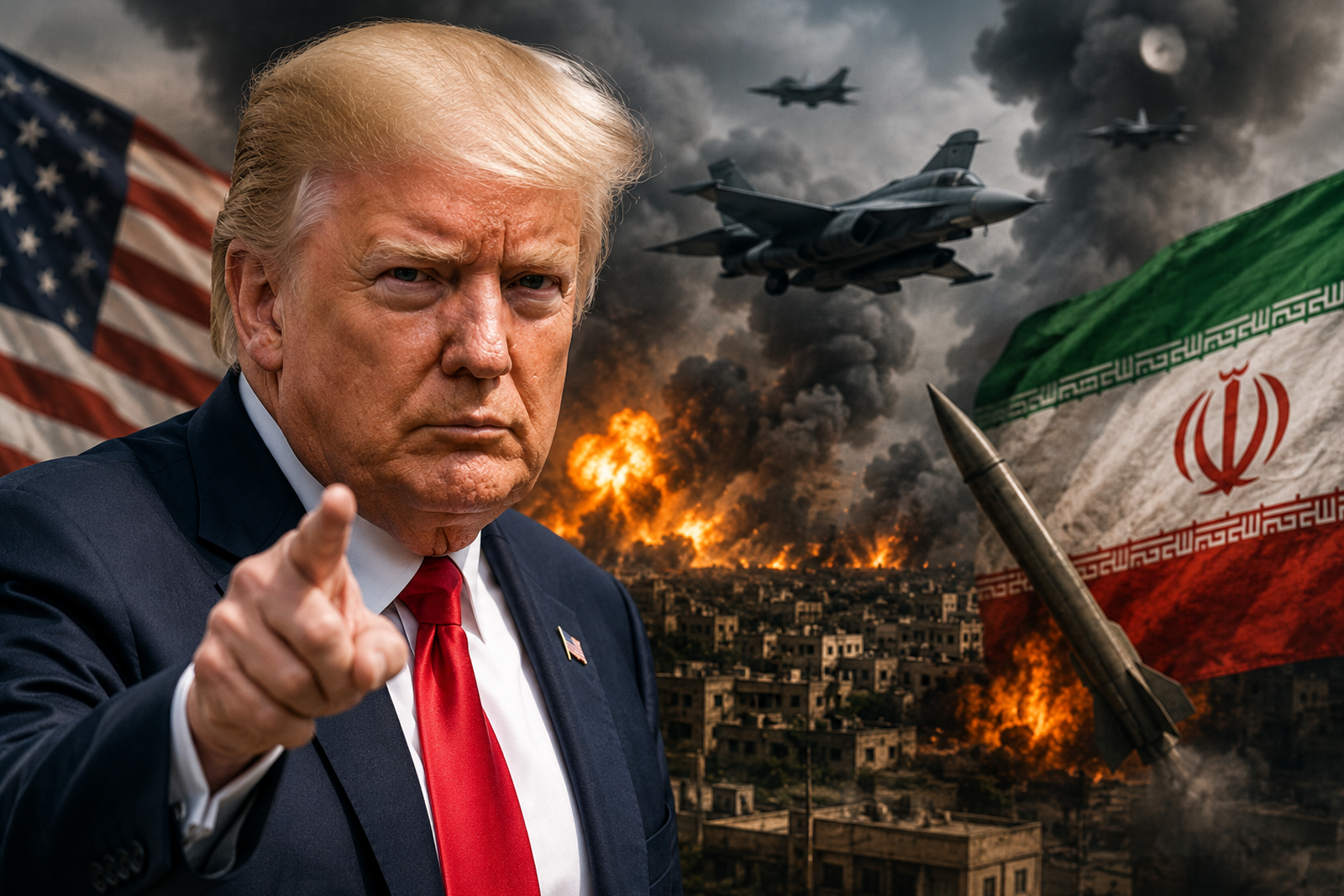
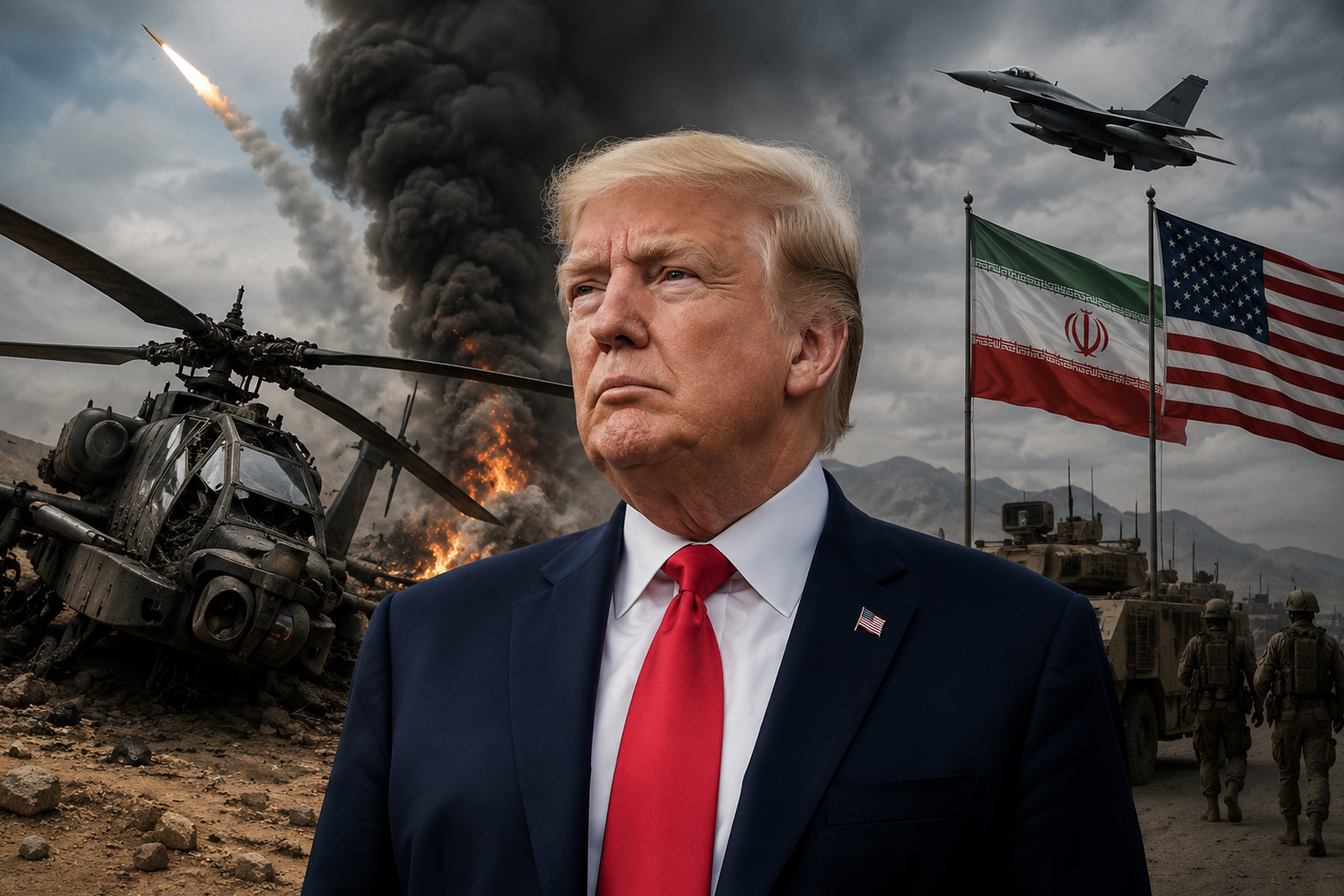
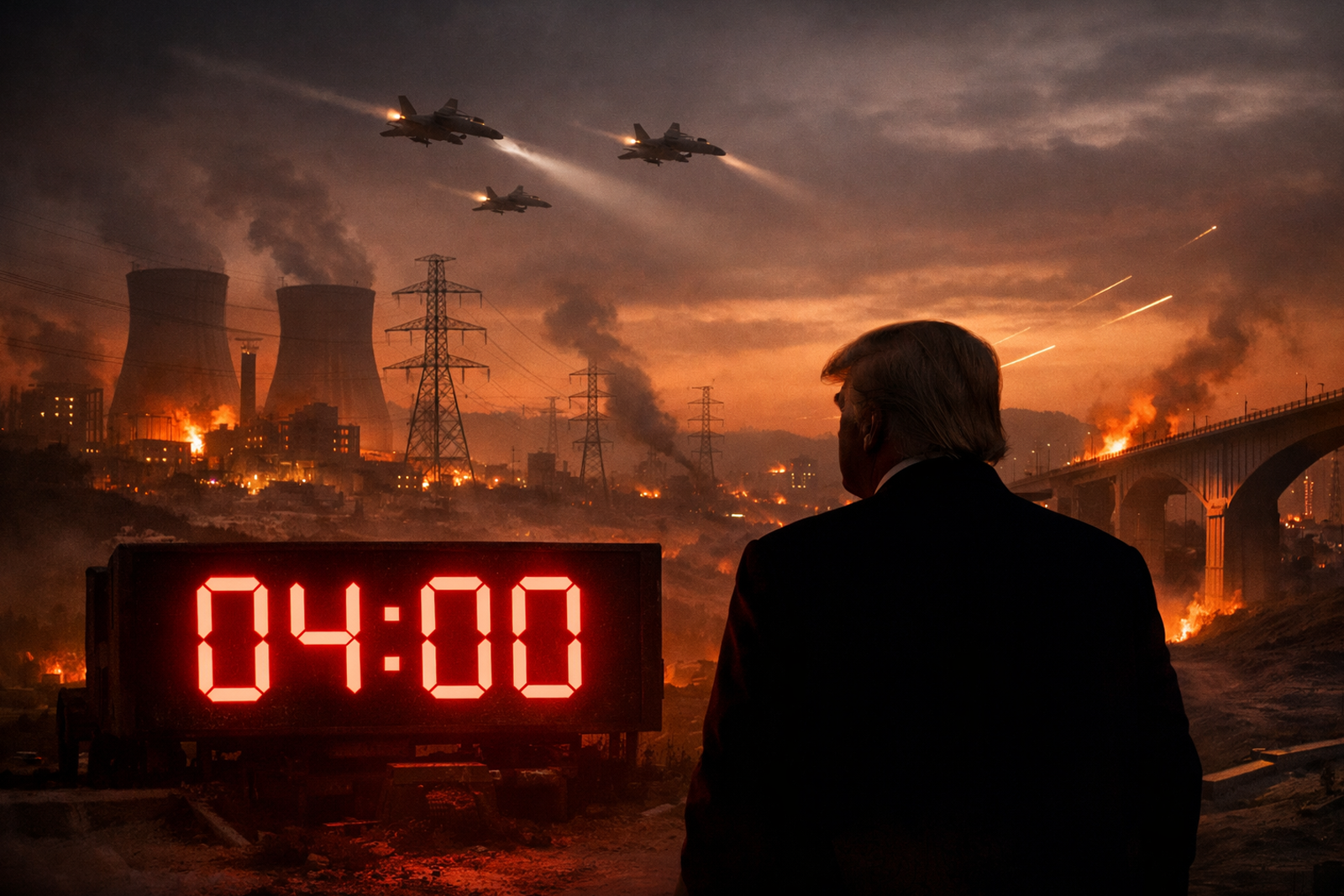
The fragile path toward reconciliation between the United States and Iran has once again been thrown into uncertainty following a surprising shift in stance by Donald Trump. At a time when diplomatic channels appeared cautiously optimistic, the latest signals from Washington have complicated an already delicate process, leaving allies and observers questioning what comes next.
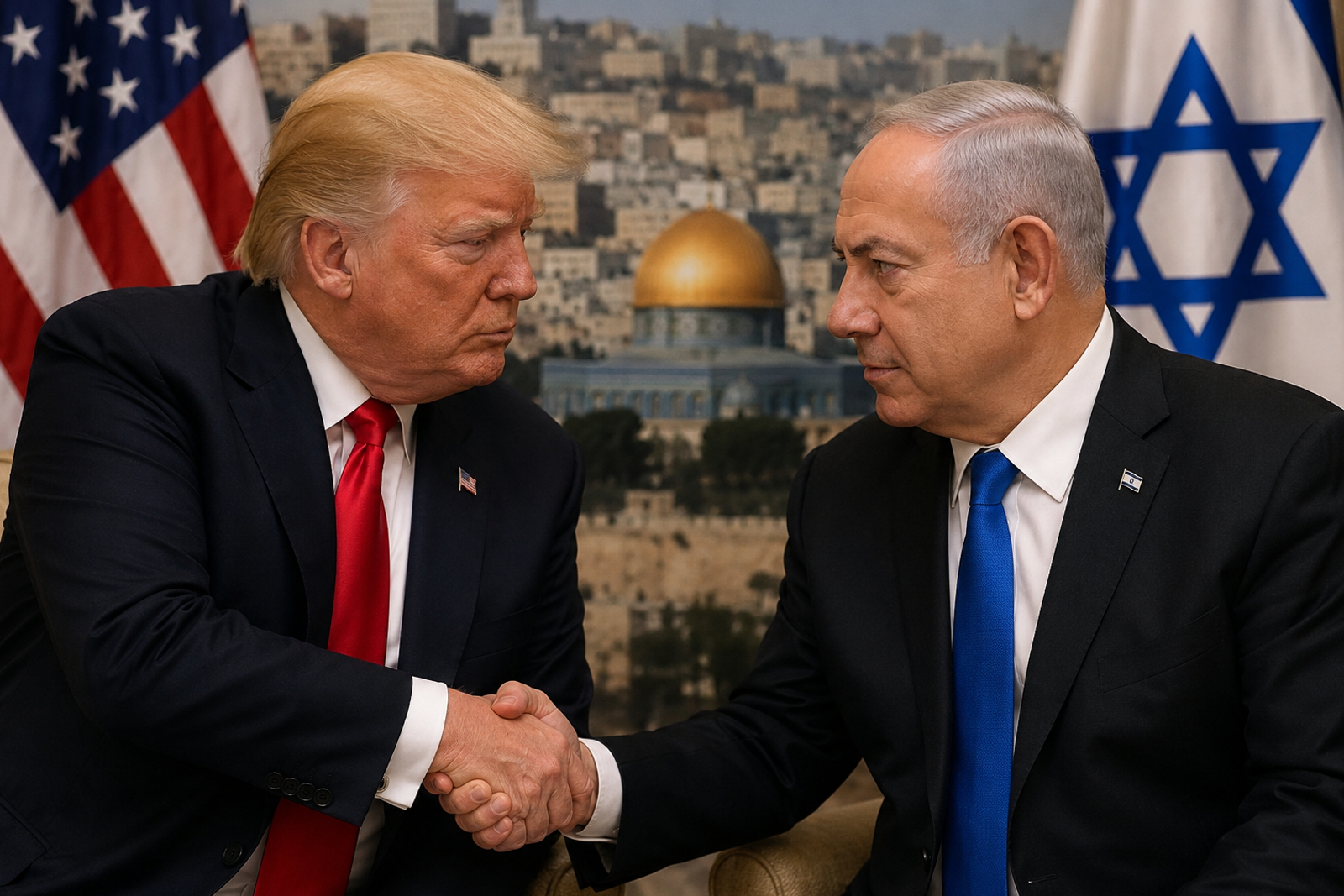
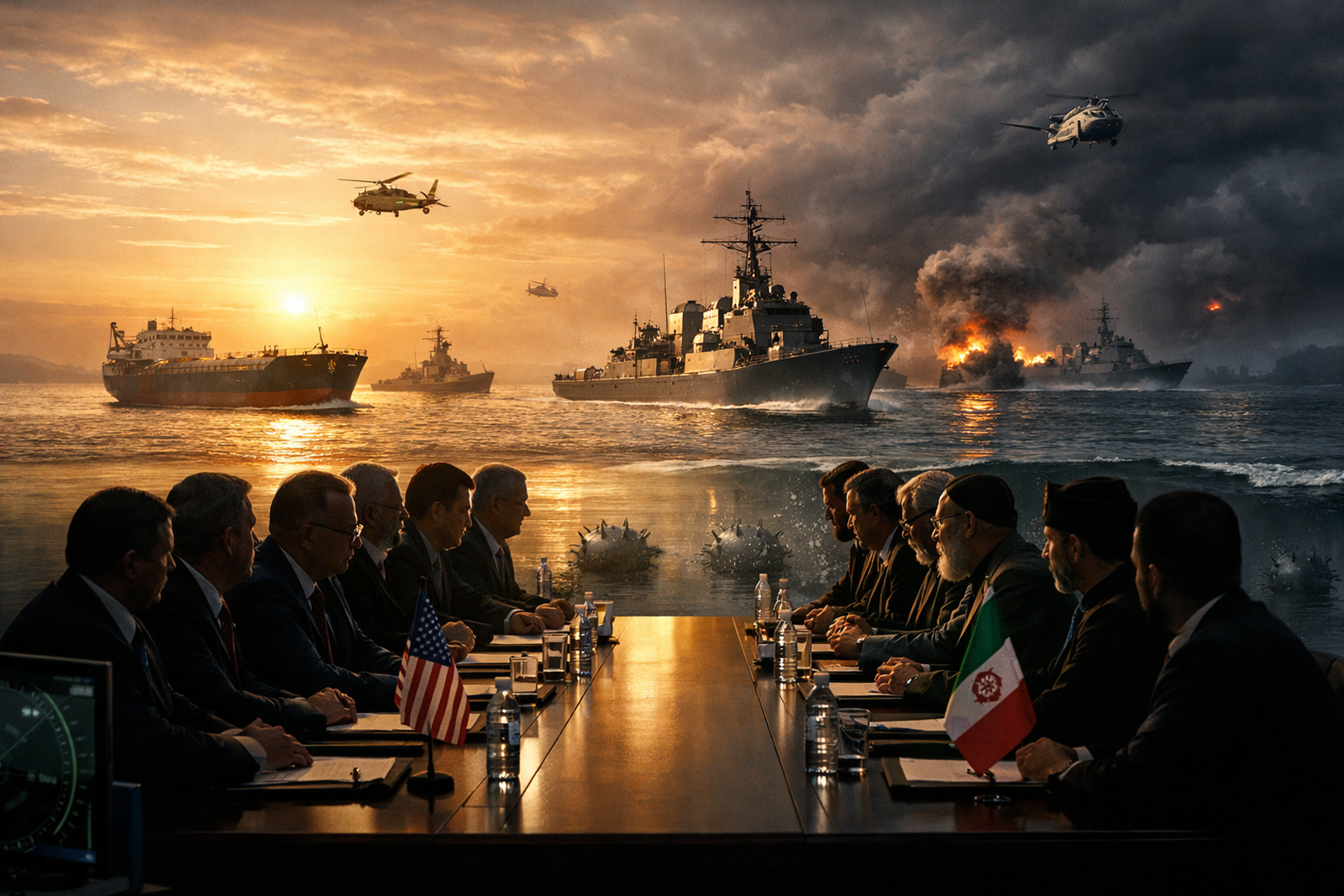
For months, indirect negotiations between the US and Iran had shown modest progress. Mediators, including regional partners and European stakeholders, had been working behind the scenes to revive trust and establish a framework for de-escalation. Issues such as sanctions relief, nuclear compliance, and regional security were central to these discussions. While no formal agreement had been reached, there was a growing sense that both sides were willing to explore common ground.
However, recent remarks and strategic moves attributed to Trump have introduced a new layer of unpredictability. His approach, often marked by abrupt decisions and strong rhetoric, has historically shaped US-Iran relations in dramatic ways. This latest development appears to echo that pattern, potentially disrupting diplomatic momentum and creating hesitation among negotiating parties.
From Iran’s perspective, consistency in US policy remains a major concern. Officials in Tehran have repeatedly emphasized the need for clear and reliable commitments before advancing any agreement. Any indication of policy reversal or internal division within the US leadership risks undermining confidence and slowing progress further.
Global reactions have been swift. Key allies in Europe have urged restraint and called for continued dialogue, warning that escalating tensions could destabilize the broader Middle East region. Meanwhile, analysts suggest that this moment could either serve as a setback or a strategic pivot, depending on how both nations respond in the coming weeks.
The situation highlights a deeper issue within international diplomacy—how leadership changes and political strategies can directly influence long-term agreements. In high-stakes negotiations like those between the US and Iran, even minor shifts in tone can carry significant consequences.
As the world watches closely, the future of these peace talks remains uncertain. Whether this development leads to renewed confrontation or a recalibrated approach to diplomacy will depend largely on the willingness of both sides to stay engaged despite the challenges.

Trump’s Strategic Shift Clouds the Future of US-Iran Peace Talks
The already fragile diplomatic engagement between the United States and Iran has entered a new phase of uncertainty following a bold and unexpected move by Donald Trump. At a time when backchannel negotiations were slowly building momentum, this sudden shift has cast doubt over whether both nations can stay on course toward de-escalation. The development has not only stirred political debate in Washington but has also triggered concern among global stakeholders invested in regional stability.
A Delicate Diplomatic Balance
For months, efforts to revive meaningful dialogue between the US and Iran had been progressing quietly. Though official statements remained cautious, diplomatic insiders suggested that both sides were exploring possible compromises. Central to the talks were issues like nuclear program limitations, economic sanctions, and regional influence.
Iran has consistently maintained that sanctions relief must come before any significant rollback of its nuclear activities. On the other hand, the US has pushed for stricter compliance measures and long-term assurances. This push-and-pull created a tense but workable environment where incremental progress was still possible.
However, diplomacy at this level depends heavily on consistency. Trump’s latest move—seen by many as a departure from earlier signals—has disrupted that balance, raising fresh doubts about Washington’s commitment to a stable agreement.
Key Factors Behind the Sudden Shift
Several elements may explain why this change in approach has occurred. Understanding these factors is essential to grasp the broader implications:
-
Domestic Political Strategy:
Political considerations within the United States often shape foreign policy decisions. A tougher stance on Iran can resonate with certain voter bases and political allies, especially in an election-driven environment.
-
Pressure from Allies:
Long-standing US allies in the Middle East, particularly those wary of Iran’s regional influence, have consistently advocated for a more hardline approach. Their concerns may have contributed to the recalibration.
-
Negotiation Tactics:
Some analysts believe the shift could be a calculated move designed to gain leverage. By creating uncertainty, the US might aim to push Iran into making greater concessions at the negotiating table.
-
Security Concerns:
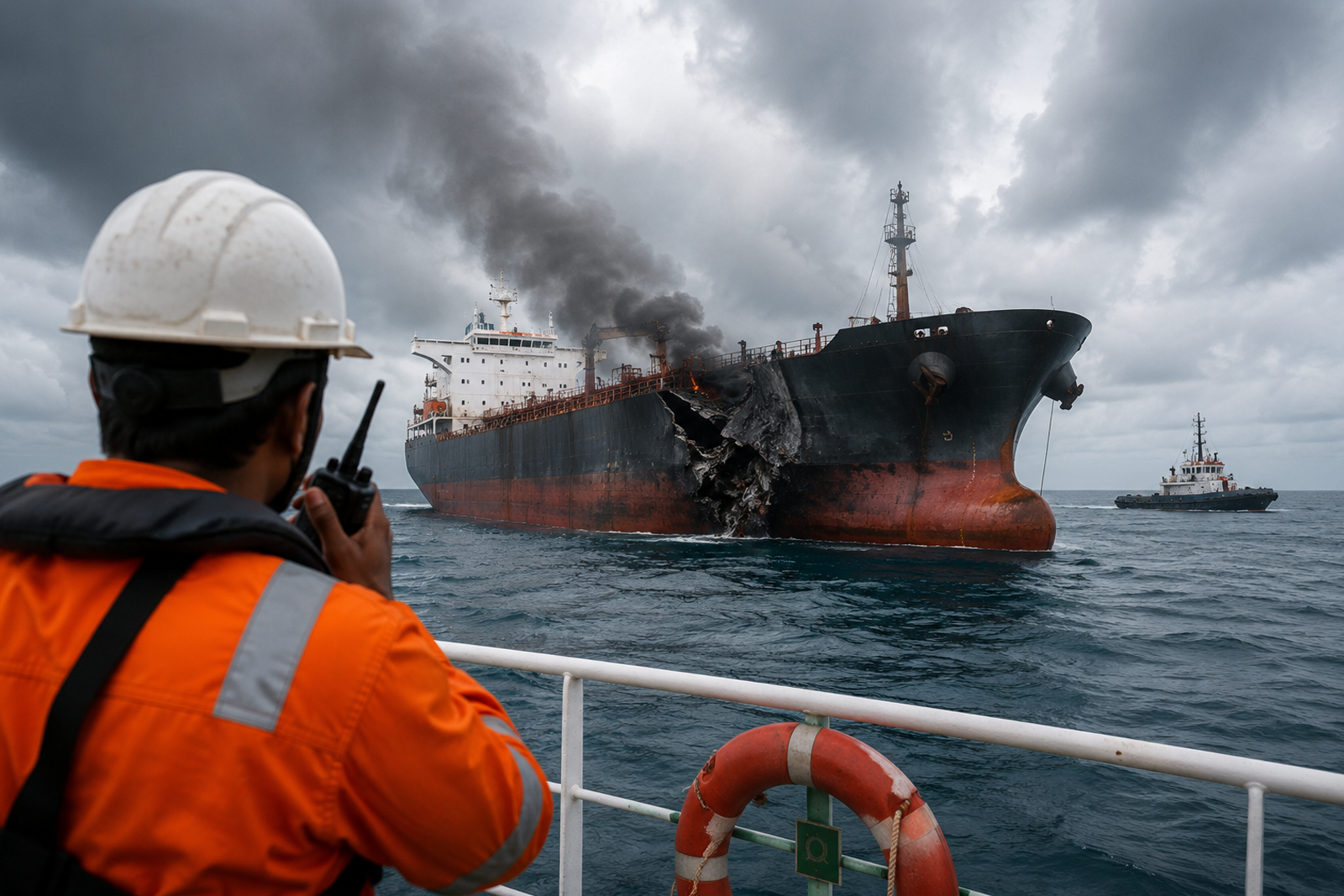
Ongoing tensions in the Middle East, including proxy conflicts and maritime security issues, continue to influence how both nations approach diplomacy.
Iran’s Position: Trust Deficit Deepens
From Tehran’s standpoint, the biggest obstacle remains trust—or the lack of it. Iranian officials have repeatedly pointed to past experiences where agreements were altered or abandoned. This has made them cautious about entering any new commitments without strong guarantees.
The recent development reinforces those concerns. If US policy appears unpredictable, Iran may hesitate to take steps that could weaken its strategic position. This could lead to:
-
Slower progress in negotiations
-
Increased emphasis on self-reliance in defense and nuclear capabilities
-
Reduced willingness to engage in future diplomatic efforts
Global Reactions and Concerns
The international community has reacted with a mix of concern and caution. European nations, many of whom have played mediating roles, are urging both sides to avoid escalation. Countries likeFranceandGermanyhave emphasized the importance of preserving dialogue channels.
Meanwhile, regional players are closely monitoring the situation. Any breakdown in talks could have ripple effects across the Middle East, affecting oil markets, security alliances, and ongoing conflicts.
Key global concerns include:
-
Rising Oil Price Volatility:
Uncertainty in the region often impacts global energy markets.
-
Potential Military Escalation:
A collapse in diplomacy increases the risk of confrontation.
-
Impact on Global Security:
The failure of talks could weaken international non-proliferation efforts.
What This Means for the Middle East
The Middle East remains one of the most geopolitically sensitive regions in the world. US-Iran relations play a crucial role in shaping its stability. A setback in peace talks could intensify existing conflicts in countries likeSyriaandYemen, where both nations have indirect involvement.
Additionally, regional alliances could shift. Countries may strengthen defense ties or pursue independent strategies to safeguard their interests. This could lead to a more fragmented and unpredictable geopolitical landscape.
Possible Scenarios Going Forward
The future of US-Iran relations now hinges on how both sides respond to this moment of uncertainty. Several scenarios could unfold:
-
Renewed Negotiations:
Despite the setback, both nations may return to the table with adjusted expectations and strategies.
-
Prolonged Stalemate:
Talks could stall indefinitely, with neither side willing to make the first move.
-
Escalation of Tensions:
Increased rhetoric and strategic actions could heighten the risk of conflict.
-
Third-Party Mediation:
Neutral countries or international organizations may step in to facilitate dialogue.
The Role of Leadership in Diplomacy
This situation underscores the powerful role leadership plays in international relations. Decisions made at the top can either advance peace or deepen divisions. In the case ofDonald Trump, his unconventional approach to diplomacy has often produced mixed outcomes—sometimes opening new doors, while at other times creating fresh challenges.
Consistency, clarity, and communication are critical in negotiations of this scale. Without them, even the most promising diplomatic efforts can unravel quickly.
Conclusion: A Turning Point or Temporary Setback?
The latest development in US-Iran relations could prove to be either a निर्णायक turning point or just another پیچیدہ chapter in a long history of tensions. While uncertainty dominates the current landscape, diplomacy rarely follows a straight path.
What remains clear is that the stakes are high—not just for the United States and Iran, but for the entire world. The coming weeks will be crucial in determining whether this moment leads to renewed engagement or deeper division.

Shivani NayakJournalist
Shivani Nayak is an emerging journalist committed to delivering accurate, timely, and impactful stories for a fast-growing digital news platform. With a keen interest in politics, public policy, and community reporting, she focuses on issues that directly affect everyday life. Her work reflects a strong belief in responsible journalism, transparency, and fact-based reporting.
She brings a modern, digital-first approach to news coverage, blending field reporting with multimedia storytelling to reach audiences across platforms. From breaking developments to in-depth explainers and human-interest features, Anita strives to present news in a clear, accessible manner while maintaining editorial integrity.
Driven by curiosity and a deep sense of social responsibility, she actively engages with sources at the grassroots level, ensuring diverse voices are represented. She is particularly interested in governance, education reform, infrastructure development, and civic affairs.
Through her reporting, Anita aims to build trust with readers and contribute to a culture of informed public dialogue. As part of a new portal, she looks forward to growing alongside the publication and helping shape its journalistic identity in the digital age.