Manifesto Clue Deepens Mystery Behind Trump Event Shooting
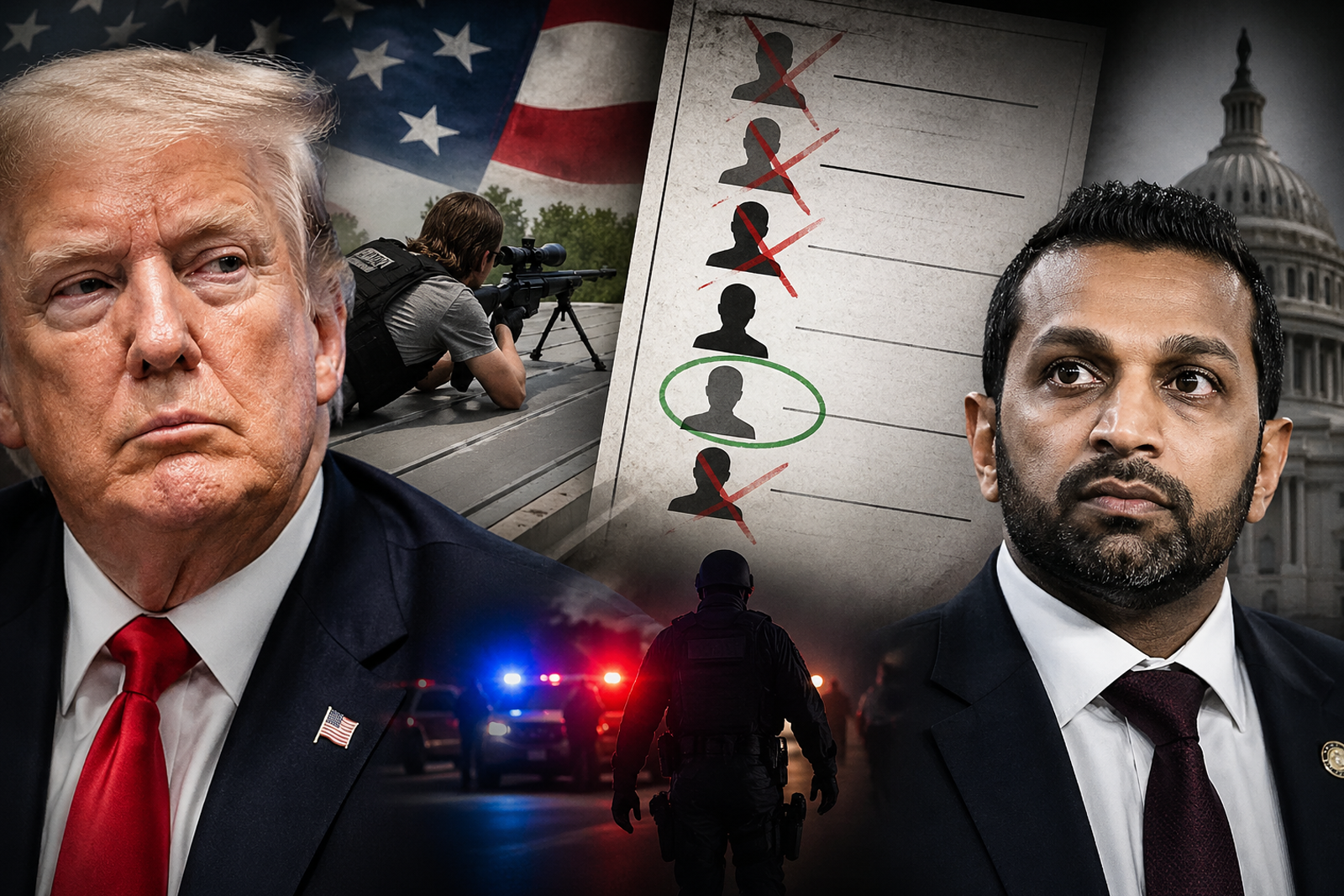
A newly uncovered manifesto tied to the suspect in the attempted attack at a rally involving Donald Trump has added a complex layer to an already alarming investigation. The document, now under close scrutiny by federal agencies including the Federal Bureau of Investigation, appears to outline a list of individuals the attacker viewed as adversaries. In a surprising twist, Kash Patel—a prominent figure in national security circles—was not included among the named targets.
Authorities say the manifesto is being treated as a key piece of evidence to understand the motive behind the incident. While its full contents have not been made public, early findings suggest a mix of ideological grievances and personal fixations. Analysts believe the absence of Patel’s name may indicate a more selective targeting strategy rather than a broad-based threat against all high-ranking officials.
Security experts note that such manifestos often provide insight into the mindset of attackers, helping agencies anticipate potential risks and prevent future incidents. In this case, investigators are working to determine whether the suspect acted alone or was influenced by online networks or extremist content. Digital footprints, communication records, and social media activity are all being examined to build a comprehensive profile.
The incident has reignited concerns over political violence and the safety of public figures in an increasingly polarized environment. Law enforcement agencies have responded by tightening security protocols at public events and increasing surveillance of potential threats. Officials have also urged the public to remain vigilant and report suspicious behavior.
Meanwhile, political leaders across the spectrum have condemned the attack, calling for unity and a renewed focus on maintaining democratic norms. As the investigation continues, the manifesto remains central to understanding not just what happened, but why it happened—and whether similar threats could emerge in the future.