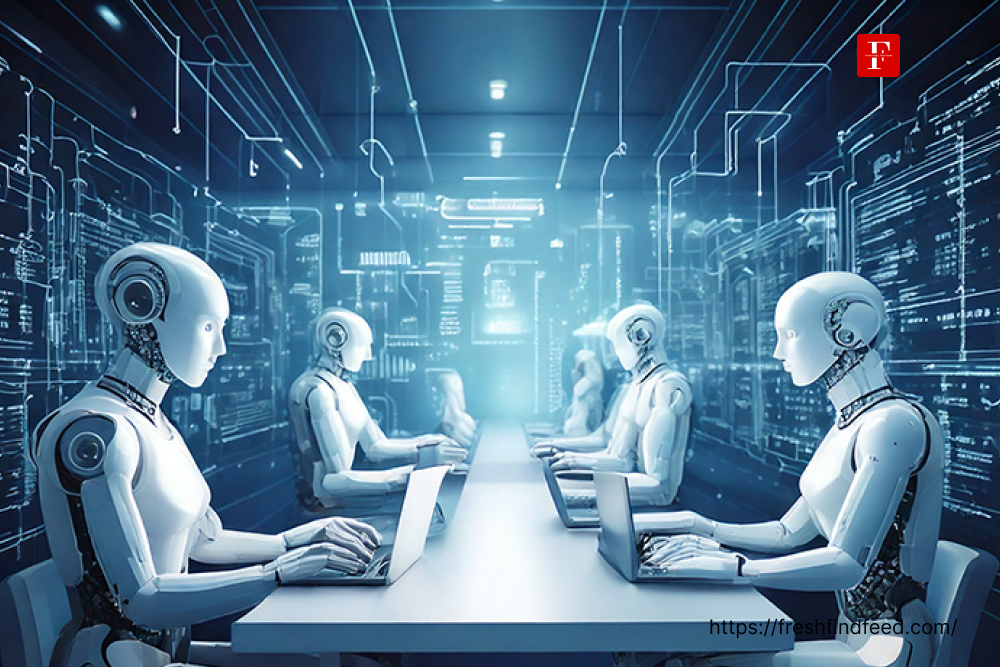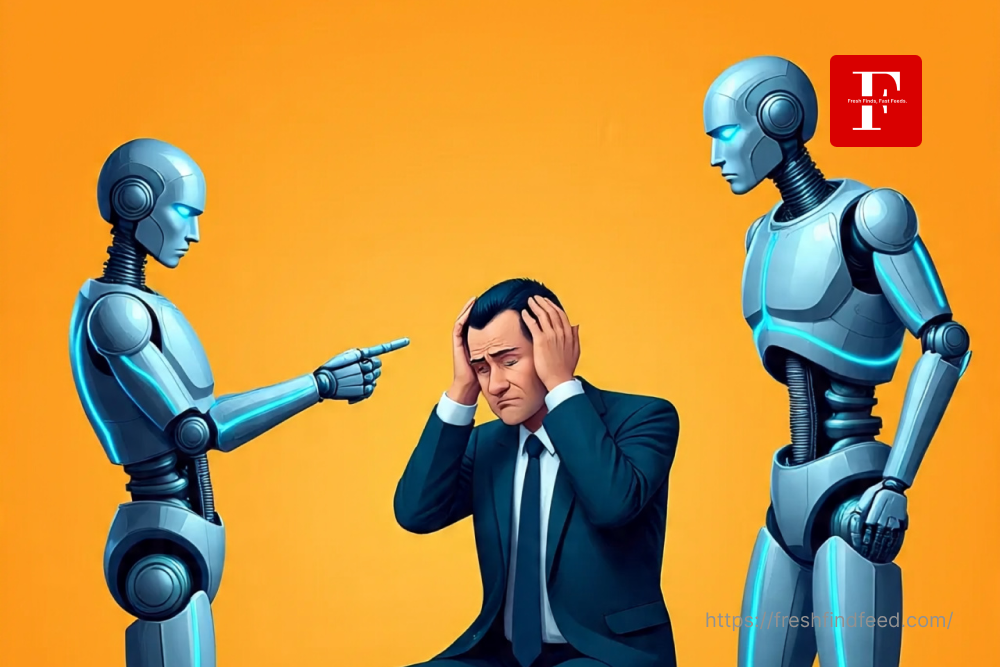
The Fear of the Machines
Whenever new technology arrives, fear follows. When the steam engine replaced horse-drawn carts, workers worried about their livelihoods. When computers entered offices, typists feared redundancy. Today, artificial intelligence (AI) carries the same aura of disruption—but on steroids.
Media headlines scream: “Robots are taking over jobs!” Politicians debate automation’s risks. Employees panic about being replaced by chatbots, algorithms, or self-driving trucks. The fear is not unfounded: AI has already begun performing tasks once considered uniquely human—from drafting reports to diagnosing diseases.
But here’s the catch: history shows us that technology rarely erases work altogether. Instead, it reshapes it.
Automation: The Historical Pattern
To understand AI’s role, we must look at the past.
- Industrial Revolution (18th–19th century): Machines replaced hand labor but created entire new industries—factories, railways, engineering.
- Computing Era (20th century): Computers automated bookkeeping, data storage, and calculations, yet birthed IT, software development, and the internet economy.
- Digital Revolution (21st century): Smartphones and cloud computing changed how we communicate and work, eliminating some roles but spawning countless new ones.
The pattern is clear: technology disrupts, but it also creates. AI is not an outlier—it’s the next chapter.
What AI Actually Does Best
Unlike humans, AI thrives on:
- Repetition: Automating routine tasks.
- Prediction: Forecasting trends, sales, or medical risks.
- Analysis: Processing massive datasets in seconds.
- Speed: Doing tasks faster than any human.
But AI struggles with:
- Creativity: Generating novel, human-inspired ideas.
- Empathy: Understanding emotions, building trust.
- Complex judgment: Handling ambiguity and ethical dilemmas.
This means AI isn’t taking all jobs—it’s taking the predictable parts of jobs, leaving the complex, human-driven tasks to us.
Jobs That Will Be Transformed, Not Replaced
Let’s break down the workforce impact:
- Healthcare: AI can scan X-rays faster than doctors, but patients still need a human to explain results and show empathy. Doctors will spend less time on paperwork, more on care.
- Education: AI tutors can handle basic lessons, but teachers remain crucial for motivation, mentorship, and discipline.
- Finance: Algorithms crunch numbers, but financial advisors guide clients through life decisions.
- Journalism: AI drafts quick news reports, but investigative storytelling still belongs to humans.
- Customer Service: Chatbots answer FAQs, but escalations still need human nuance.
Instead of replacement, we see augmentation—AI as an assistant, not a boss.
The Rise of “Hybrid Jobs”
The jobs of the future won’t be purely human or purely machine—they’ll be hybrids. Consider:
- AI-assisted lawyers who use algorithms for case research.
- Data-driven marketers who let AI analyze consumer trends but craft campaigns with human creativity.
- AI copilots in engineering who run simulations while humans innovate designs.
The employees who thrive will be those who learn how to work with AI, not against it.
The Skills That Matter Most in the AI Age
As AI handles repetitive work, humans will need to double down on:
- Critical Thinking – Asking the right questions.
- Creativity – Innovating beyond algorithms.
- Emotional Intelligence – Managing teams, clients, and relationships.
- Adaptability – Constantly learning as tech evolves.
- Ethical Judgment – Ensuring AI is used fairly and responsibly.
Ironically, the more “machine-like” tasks AI takes over, the more human skills will matter.
Case Studies: AI at Work
- Healthcare in India: Apollo Hospitals uses AI to predict heart attacks, but doctors interpret and act on the results.
- Retail in the US: Walmart uses AI for inventory, freeing staff to focus on customer service.
- Education in China: AI classrooms track student engagement, but teachers still lead lessons.
- Startups worldwide: Small businesses use AI tools like ChatGPT for content, but human editors refine it.
Each example shows augmentation, not erasure.