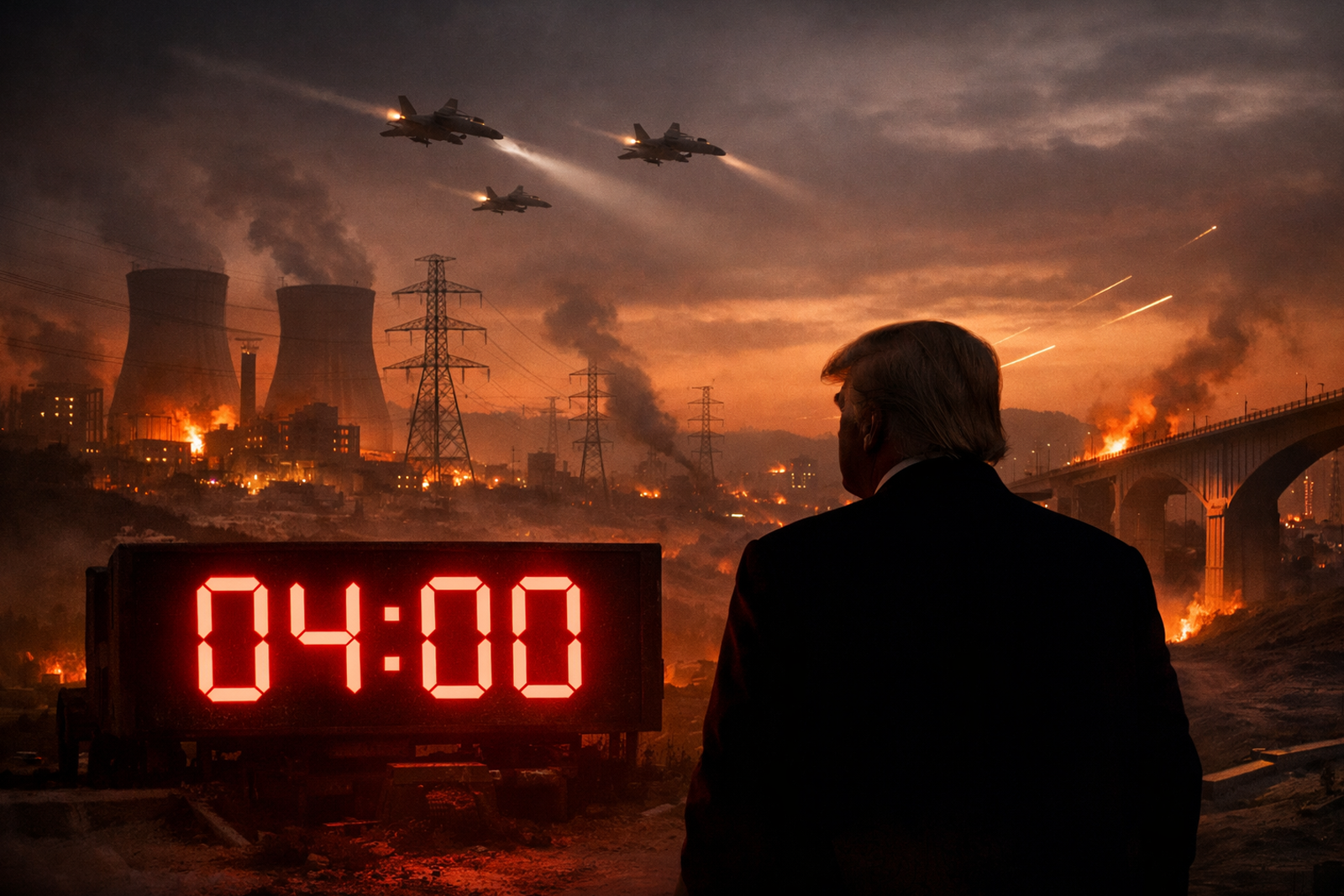
Trump Rejects Iran Peace Proposal, Says Terms ‘Unacceptable’ Amid Stalled Talks
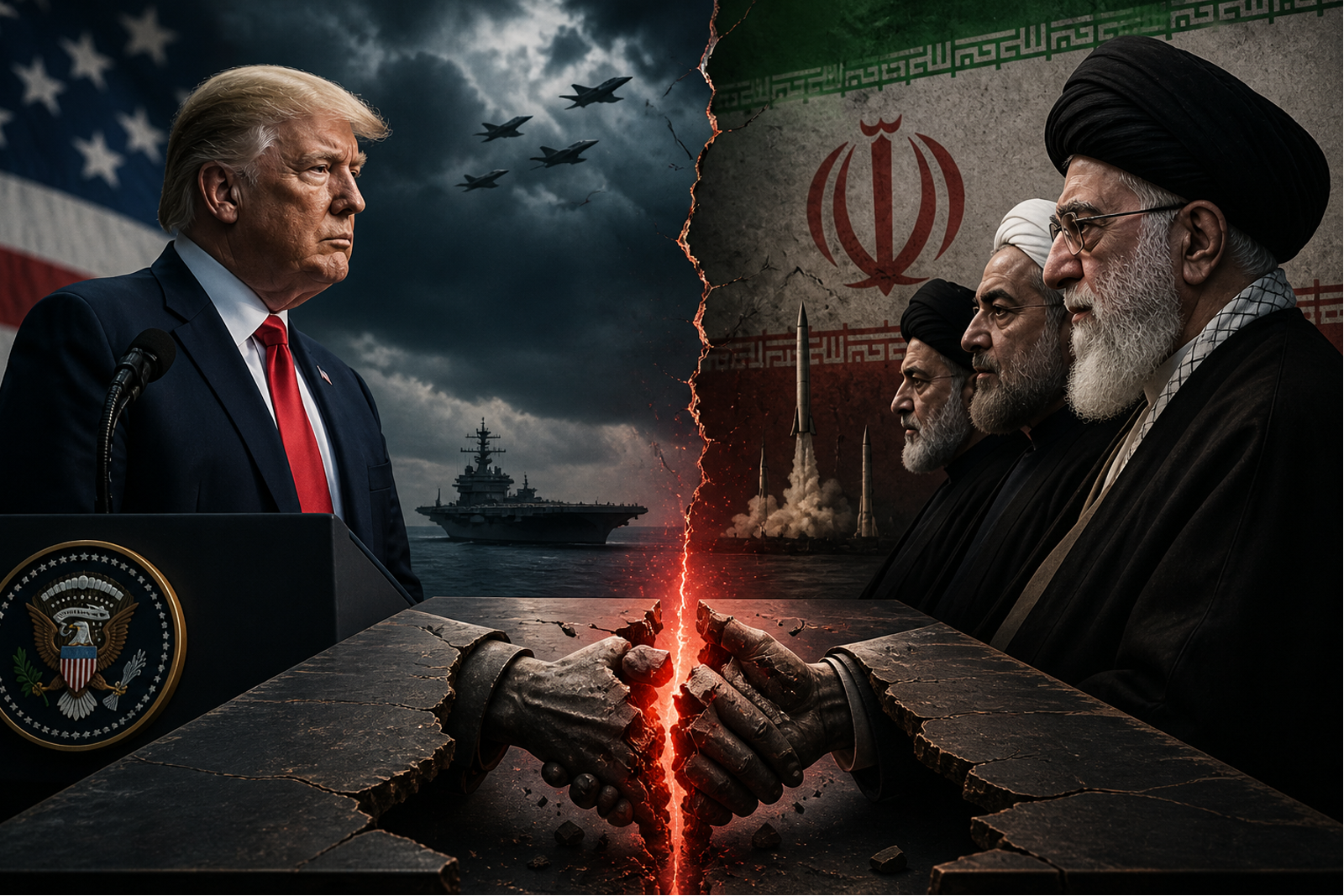
Trump Rejects Iran’s Peace Proposal, Raising Fresh Doubts Over Diplomacy
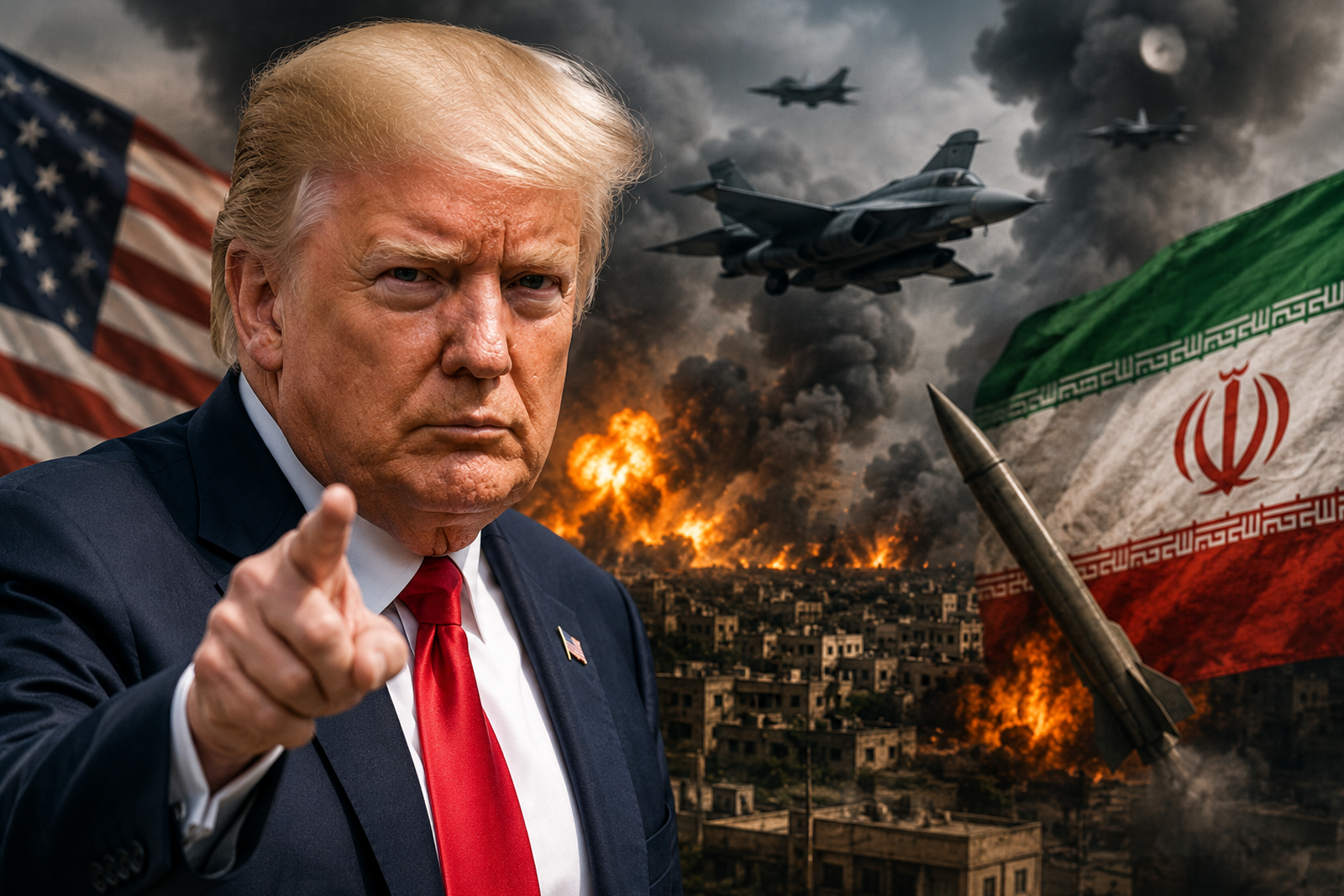
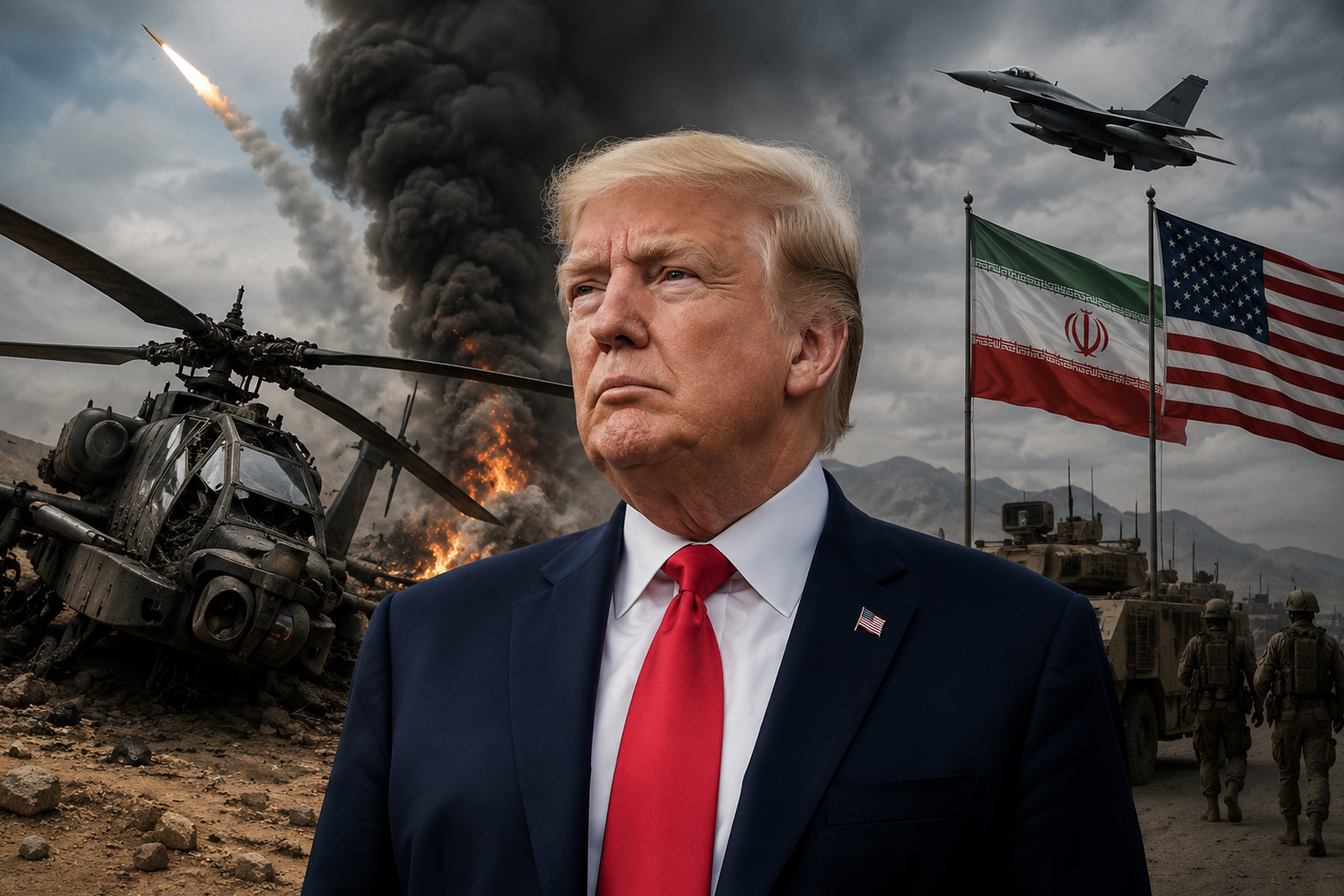
Former U.S. President Donald Trump has dismissed Iran’s latest peace proposal, stating that the terms presented are not acceptable under any circumstances. His remarks have added a new layer of uncertainty to an already fragile diplomatic environment between the United States and Iran, where efforts to revive dialogue have repeatedly faced setbacks.
A Firm Rejection
Speaking on the issue, Trump made it clear that the proposal does not align with what he considers reasonable or beneficial for U.S. interests. While the exact details of the offer have not been fully disclosed, sources suggest that disagreements revolve around sanctions relief, nuclear commitments, and regional security concerns. Trump’s firm stance indicates that any future negotiations would require significant concessions from Tehran.
Impact on Ongoing Tensions
The rejection comes at a time when global attention is focused on stability in the Middle East. Diplomatic channels between Washington and Tehran have been strained for years, particularly after the U.S. withdrew from earlier agreements. Trump’s latest comments may further complicate any attempt to revive structured talks, potentially prolonging the standoff.
Global Reactions
International observers have expressed concern that this development could stall progress toward de-escalation. Allies in Europe and other global powers have often advocated for dialogue as the primary path forward. However, Trump’s remarks suggest a tougher approach, one that prioritizes stricter terms over compromise.
What Lies Ahead
The future of U.S.-Iran relations remains uncertain. While diplomatic opportunities may still exist, the gap between both sides appears wide. Analysts believe that unless both parties show flexibility, negotiations could remain at a standstill. For now, Trump’s rejection underscores the challenges of reaching a consensus in one of the world’s most sensitive geopolitical disputes.

Trump Rejects Iran Peace Proposal: Fresh Roadblocks in a Fragile Diplomatic Landscape
Tensions between the United States and Iran have once again taken center stage after Donald Trump publicly rejected a new peace proposal from Tehran. Calling the terms “impossible to agree to,” Trump’s response highlights the deep divisions that continue to define relations between the two sides. At a time when global powers are pushing for stability in the Middle East, this development has raised concerns about the future of diplomacy and the risk of prolonged confrontation.
Key Highlights of the Situation
-
Trump has firmly declined Iran’s latest peace proposal, citing unacceptable conditions.
-
The proposal reportedly involved discussions around sanctions relief and nuclear commitments.
-
The rejection signals a continuation of the hardline stance that has characterized past interactions.
-
Global stakeholders fear the move could derail ongoing diplomatic efforts.
Background: A History of Distrust
Relations between the U.S. and Iran have been marked by decades of mistrust, strategic rivalry, and intermittent negotiations. The situation intensified after Washington withdrew from a landmark nuclear agreement, leading to renewed sanctions and heightened tensions. Since then, attempts to restore dialogue have faced repeated obstacles.
Trump’s latest remarks reflect a continuation of a policy approach that emphasizes pressure over compromise. His position suggests that any agreement must heavily favor U.S. strategic interests, leaving little room for middle-ground solutions.
Why the Proposal Was Rejected
1. Disagreements Over Sanctions
One of the primary sticking points is believed to be economic sanctions. Iran has consistently demanded relief from restrictions that have significantly impacted its economy. However, Trump appears unwilling to lift sanctions without substantial guarantees, creating a major gap in expectations.
2. Nuclear Program Concerns
Another critical issue revolves around Iran’s nuclear activities. The U.S. has long insisted on strict limitations and transparent monitoring. If the latest proposal did not meet these expectations, it would naturally face resistance from a hardline policy perspective.
3. Regional Influence
Iran’s role in the Middle East, including its alliances and influence in neighboring countries, remains a sensitive subject. Any agreement that does not address these concerns is unlikely to gain approval from U.S. leadership figures advocating a stricter stance.
Global Reactions and Concerns
The rejection has drawn attention from international observers who worry about the broader implications. European nations and global organizations have often supported dialogue as the best path forward. They fear that continued deadlock could increase instability in an already volatile region.
Some analysts argue that the dismissal of the proposal could discourage future diplomatic initiatives from Iran, while others believe it may force Tehran to return with revised terms. Either way, the lack of progress highlights how difficult it has become to bridge the divide.
Potential Impact on the Middle East
Rising Uncertainty
The Middle East remains a region where geopolitical tensions can escalate quickly. A breakdown in negotiations increases the risk of misunderstandings and unintended consequences.
Economic Ripple Effects
Instability in the region can affect global oil markets and trade routes. Any escalation could lead to fluctuations in energy prices, impacting economies worldwide.
Security Concerns
A lack of agreement raises concerns about military posturing and strategic maneuvers. Without diplomatic channels, the chances of miscalculation grow significantly.
The Political Dimension
Trump’s rejection also carries domestic and international political implications. His stance reinforces a strong, uncompromising image that appeals to certain political audiences. At the same time, it signals to allies and adversaries alike that negotiations under such leadership would require substantial concessions.
For Iran, the response may influence internal political debates about whether engagement with the U.S. is worthwhile. Hardliners within the country could use the rejection to argue against further negotiation attempts.
What Could Happen Next
Possibility of Renewed Talks
Despite the setback, diplomacy is rarely a one-step process. There remains a possibility that revised proposals or back-channel communications could revive discussions.
Increased Pressure Tactics
Both sides may resort to strategic pressure, whether through economic measures or political messaging, to strengthen their bargaining positions.
Role of International Mediators
Third-party countries and organizations may attempt to bring both sides back to the negotiating table. Their involvement could be crucial in reducing tensions and finding common ground.
Conclusion: A Long Road Ahead
The rejection of Iran’s latest peace proposal byDonald Trumpunderscores the complexity of U.S.-Iran relations. With both sides holding firm to their positions, the path to a comprehensive agreement remains uncertain and challenging.
For now, the situation serves as a reminder that diplomacy in high-stakes geopolitical conflicts requires patience, compromise, and sustained effort. Until those elements align, the prospect of a lasting resolution will continue to face significant hurdles, leaving the world watching closely as events unfold.

Shivani NayakJournalist
Shivani Nayak is an emerging journalist committed to delivering accurate, timely, and impactful stories for a fast-growing digital news platform. With a keen interest in politics, public policy, and community reporting, she focuses on issues that directly affect everyday life. Her work reflects a strong belief in responsible journalism, transparency, and fact-based reporting.
She brings a modern, digital-first approach to news coverage, blending field reporting with multimedia storytelling to reach audiences across platforms. From breaking developments to in-depth explainers and human-interest features, Anita strives to present news in a clear, accessible manner while maintaining editorial integrity.
Driven by curiosity and a deep sense of social responsibility, she actively engages with sources at the grassroots level, ensuring diverse voices are represented. She is particularly interested in governance, education reform, infrastructure development, and civic affairs.
Through her reporting, Anita aims to build trust with readers and contribute to a culture of informed public dialogue. As part of a new portal, she looks forward to growing alongside the publication and helping shape its journalistic identity in the digital age.