LPG Price Shock: Commercial Gas Cylinder Rates Surge ₹993, Businesses Brace for Impact
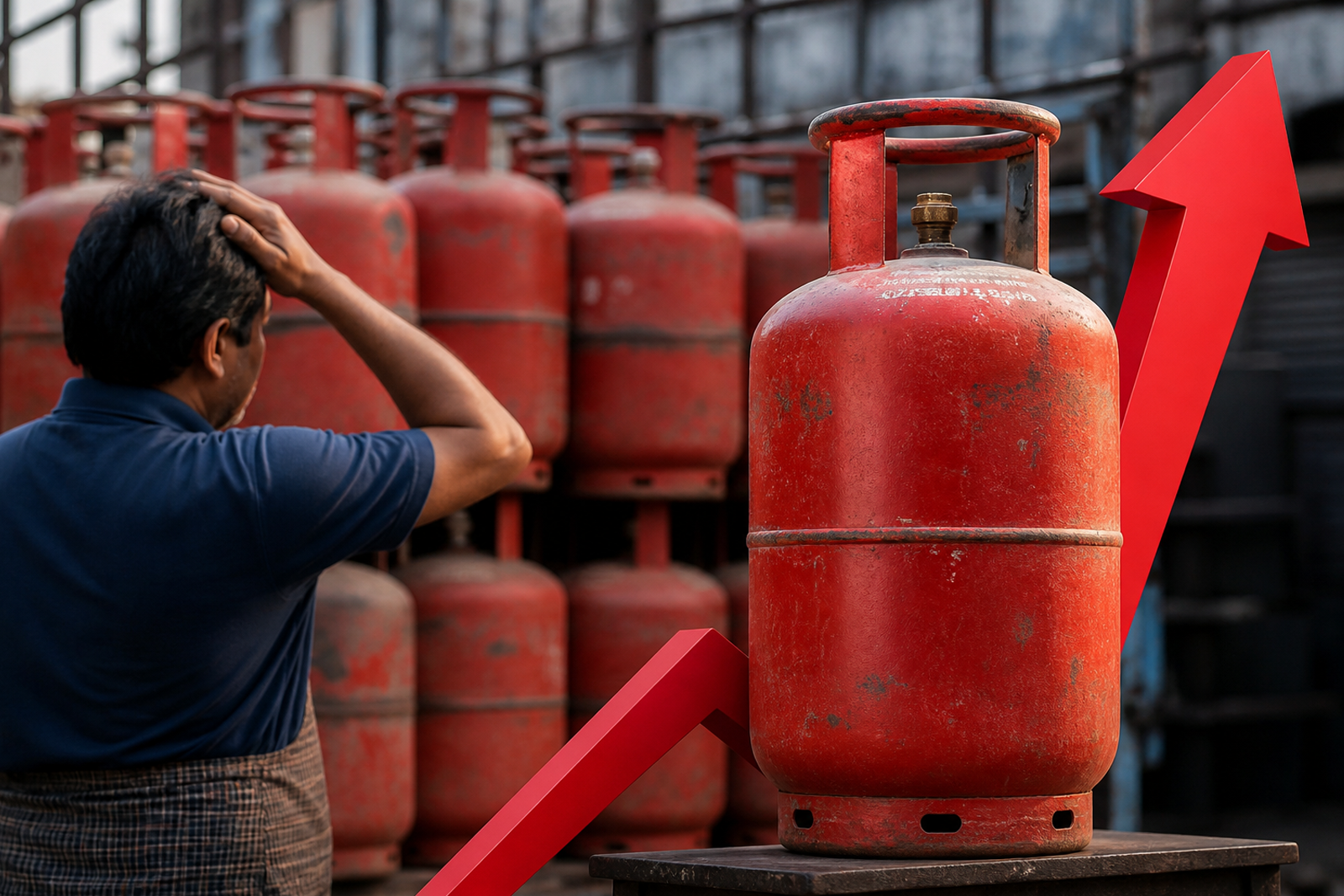
LPG Price Hike Sends Shockwaves Across India’s Commercial Sector
Sharp Rise in Commercial Cylinder Rates Raises Inflation Concerns
India is witnessing a fresh wave of price pressure after a steep increase in commercial LPG cylinder rates came into effect at the beginning of May 2026. The sudden hike has placed a significant burden on businesses that rely heavily on bulk fuel usage, especially restaurants, hotels, and small food vendors. While domestic household LPG prices remain unchanged for now, the ripple effects of the commercial price surge are expected to reach everyday consumers soon.
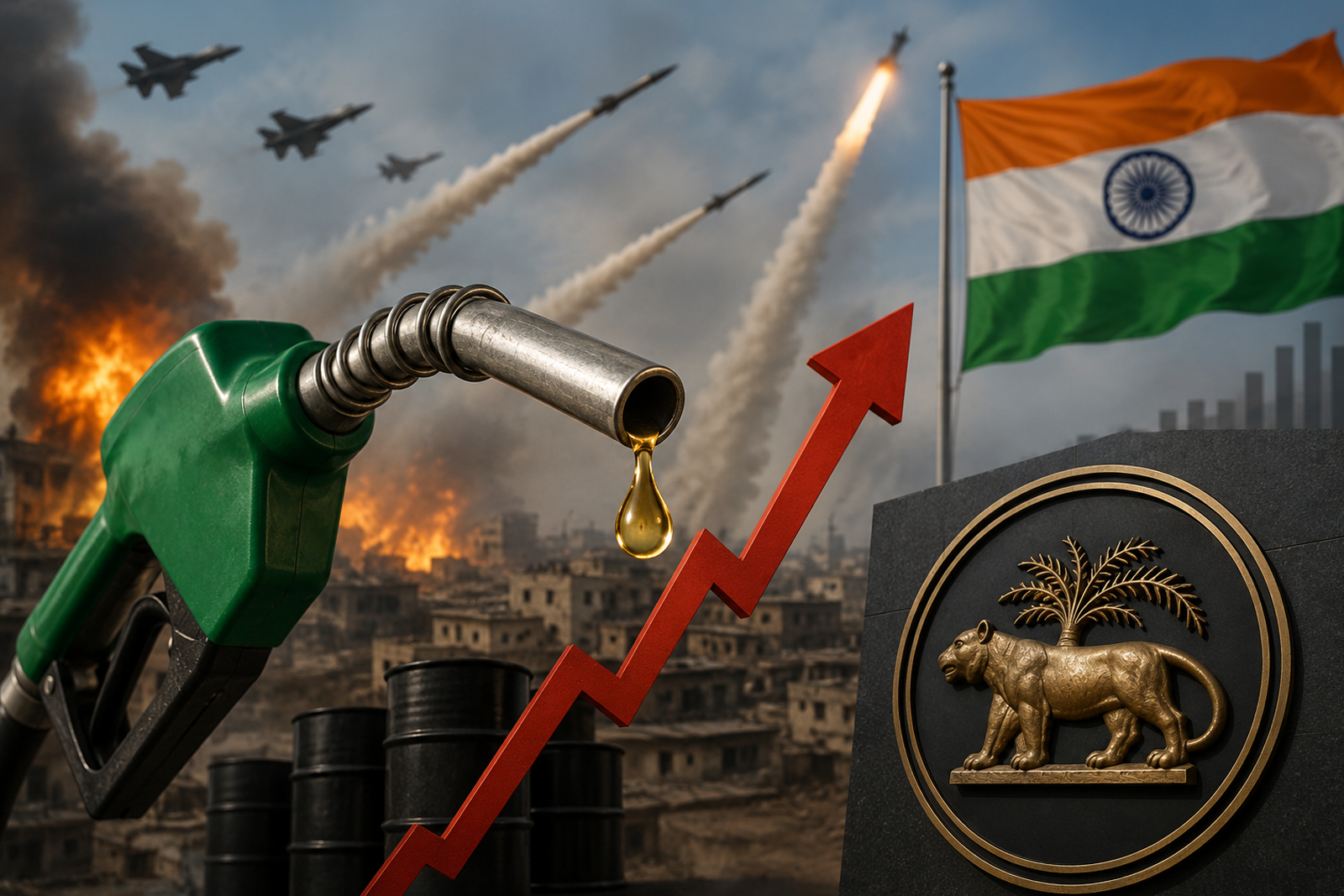
The increase, considered one of the highest in recent months, is largely driven by fluctuations in global energy markets and rising crude oil prices. Supply chain disruptions and geopolitical uncertainties have further contributed to the upward trend, forcing oil marketing companies to revise rates. As a result, operational costs for many service-based industries have climbed sharply almost overnight.
Small and medium-sized enterprises are among the worst affected. Local eateries and street food vendors, who operate on thin profit margins, now face a tough choice—either absorb the cost or pass it on to customers. Many have already hinted at increasing menu prices, raising concerns about affordability for the average consumer. Industry insiders suggest that food prices could see a noticeable jump in the coming weeks.
The hospitality sector, still recovering from previous economic slowdowns, is also under pressure. Hotel kitchens, catering businesses, and cloud kitchens depend extensively on commercial LPG cylinders. The price hike is expected to squeeze margins further and may even slow down expansion plans in the sector.
Economists warn that this development could have a broader inflationary impact. As food and service costs rise, the overall cost of living may increase, particularly in urban areas. The situation is being closely monitored, with expectations that further revisions in fuel prices could follow if global conditions remain volatile.
The government has not yet indicated any immediate relief measures, but discussions around subsidies and pricing strategies are likely to intensify. For now, businesses and consumers alike are bracing for a period of adjustment as the effects of the LPG price hike begin to unfold across the economy.

LPG Price Hike 2026: Commercial Gas Surge Sparks Nationwide Cost Concerns
Major Increase in LPG Rates Puts Pressure on Businesses and Consumers
India is facing a fresh economic challenge following a steep hike in commercial LPG cylinder prices in May 2026. The sudden rise has triggered widespread concern across multiple sectors, especially among businesses that depend heavily on gas for daily operations. While domestic LPG prices for households have not yet been revised, the increase in commercial rates is expected to indirectly impact consumers through rising costs of goods and services.
The hike comes at a time when global energy markets remain volatile. International crude oil price fluctuations, coupled with supply chain disruptions and geopolitical uncertainties, have pushed fuel costs upward. Oil marketing companies have responded by revising LPG prices, passing on the burden to commercial users.
Key Highlights of the LPG Price Hike
-
Commercial LPG cylinder prices have seen a sharp and sudden increase
-
The hike primarily affects 19-kg cylinders used by businesses
-
Domestic household LPG prices remain unchanged for now
-
Major metro cities are witnessing the highest price impact
-
Businesses are preparing to adjust pricing strategies to cope with rising costs
Impact on Restaurants and Food Industry
One of the most immediate and visible effects of the LPG price hike is on the food and hospitality sector. Restaurants, roadside eateries, cafes, and catering services rely heavily on commercial LPG for cooking purposes.
-
Small food vendors are facing increased operational costs
-
Restaurants may raise menu prices by 15%–30%
-
Street food culture could become more expensive for daily consumers
-
Cloud kitchens and delivery-based food businesses may adjust service charges
For many small-scale operators, absorbing such a steep cost increase is not sustainable. As a result, passing the burden to customers appears to be the only viable option, which could affect overall demand.
Pressure on Hospitality and Service Sector
Hotels, resorts, and catering services are also feeling the strain. LPG is a critical resource in large kitchens that serve hundreds of customers daily.
-
Increased fuel costs are reducing profit margins
-
Event catering businesses may raise booking charges
-
Budget hotels could face difficulty maintaining competitive pricing
-
Expansion plans in the hospitality sector may slow down
The industry, still stabilizing after previous economic disruptions, now faces another hurdle that could impact growth and employment.
Inflationary Impact on the Economy
Economists believe that the LPG price hike may have a cascading effect on overall inflation. As businesses increase prices to maintain margins, the cost of living for consumers is likely to rise.
-
Food prices may increase in urban and semi-urban areas
-
Service costs such as catering and food delivery may rise
-
Small businesses may reduce workforce or cut expenses
-
Consumer spending patterns could shift due to higher costs
This indirect impact is often more significant than the direct price hike, as it influences multiple layers of the economy.
Reasons Behind the Price Increase
Several global and domestic factors have contributed to the LPG price hike:
-
Rising international crude oil prices
-
Geopolitical tensions affecting fuel supply chains
-
Increased import costs for energy resources
-
Currency fluctuations impacting oil purchases
-
Adjustments by oil companies to balance losses
These combined factors have created a situation where price revision became unavoidable for oil distributors.
Challenges for Small Businesses
Small and medium enterprises (SMEs) are among the hardest hit by this development. Unlike large corporations, they have limited financial buffers.
-
Street vendors and small eateries operate on thin margins
-
Sudden cost increases disrupt daily cash flow
-
Limited ability to invest in alternative fuel options
-
Risk of temporary shutdowns in extreme cases
This segment plays a crucial role in employment generation, and prolonged cost pressure could have wider socio-economic consequences.
What It Means for Household Consumers
Although domestic LPG cylinder prices have not been increased yet, households are unlikely to remain unaffected.
-
Rising restaurant prices will impact family dining budgets
-
Cost of takeaway and food delivery may increase
-
Potential future hike in domestic LPG cannot be ruled out
-
Overall household expenses may rise indirectly
Consumers may need to adjust their spending habits as inflationary pressure builds up.
Policy Outlook and Government Response
The government is closely monitoring the situation, as fuel price hikes often have political and economic implications.
-
Discussions on subsidy adjustments may take place
-
Authorities may explore measures to control inflation
-
Future price revisions will depend on global oil trends
-
Relief policies for small businesses could be considered
However, any immediate intervention remains uncertain, leaving businesses to manage the situation independently for now.
Future Outlook: What Lies Ahead?
The coming months will be crucial in determining the long-term impact of the LPG price hike. If global energy prices continue to rise, further increases cannot be ruled out. On the other hand, stabilization in crude oil markets may bring some relief.
-
Businesses may adopt cost-cutting and efficiency measures
-
Alternative energy sources could gain attention
-
Consumers may shift toward more budget-friendly options
-
Market competition will influence price adjustments
The situation highlights the vulnerability of fuel-dependent sectors and the need for sustainable energy solutions in the long run.
Conclusion
The LPG price hike of 2026 has created a ripple effect across India’s economic landscape. From restaurants and hotels to small vendors and everyday consumers, the impact is widespread and significant. While the immediate burden is on businesses, the long-term consequences will likely be felt by households as well.
As industries adapt and policymakers evaluate possible responses, one thing remains clear—fuel price changes continue to play a critical role in shaping economic stability. The coming weeks will reveal how effectively businesses and consumers navigate this latest challenge.

Soojin DasJournalist
Soojin Das is a dedicated journalist with a strong focus on public affairs, governance, and grassroots reporting. With a passion for uncovering stories that matter, she brings clarity, accuracy, and depth to complex issues shaping communities across India. Her reporting spans politics, social development, education, and local civic concerns, giving readers a balanced and well-researched perspective.
Known for her sharp news sense and ethical approach to journalism, Anita combines on-ground reporting with data-driven analysis and compelling storytelling. She has covered major policy announcements, elections, disaster response efforts, and community-led initiatives, ensuring that audiences receive timely and trustworthy information.
Anita believes journalism plays a vital role in strengthening democracy and amplifying under-represented voices. Through interviews, investigative pieces, and human-interest stories, she aims to inform, engage, and empower readers.
When not in the field, she closely follows media innovation and digital storytelling trends, continually refining her craft to meet the evolving needs of modern newsrooms.