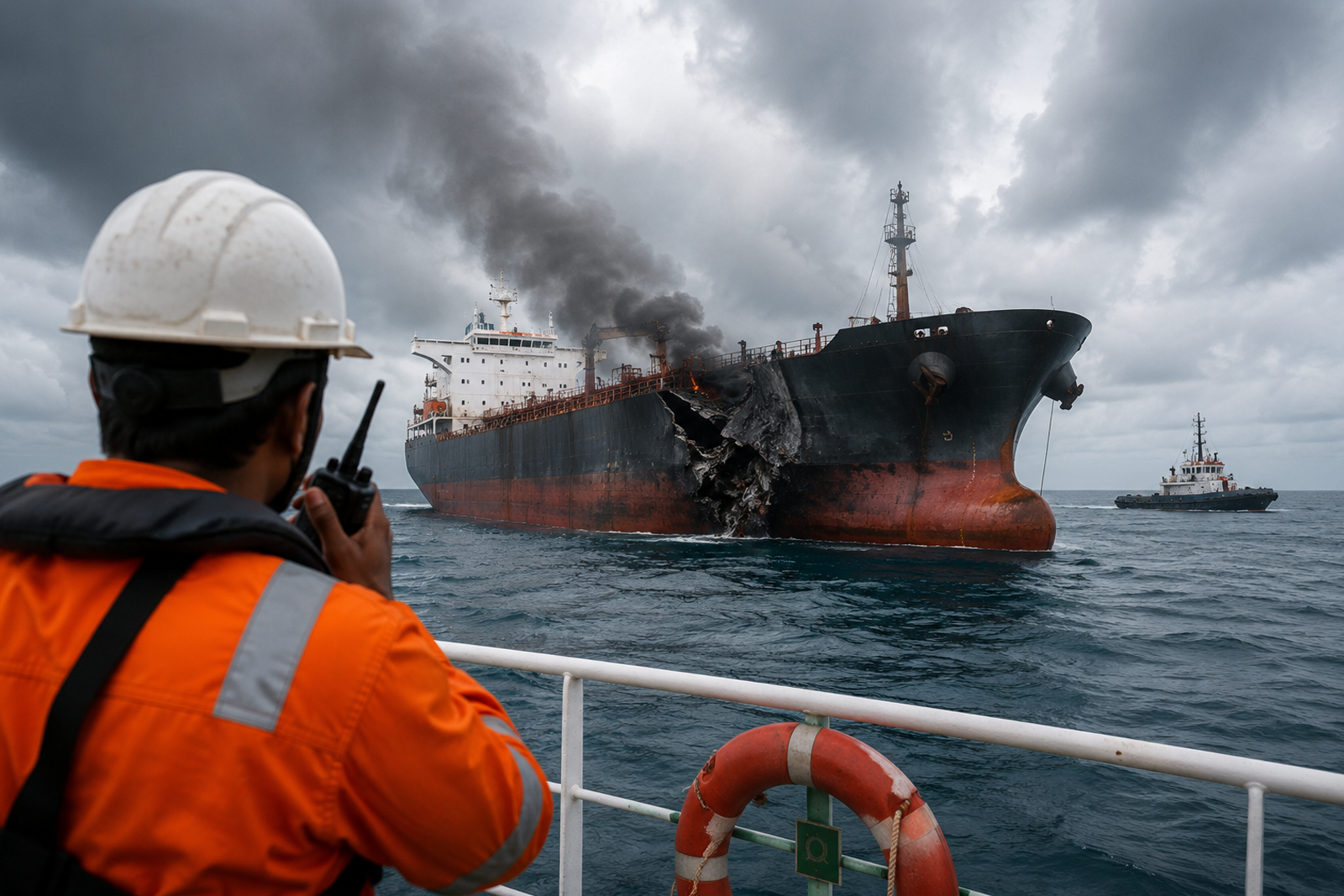
Iran Reviews U.S. Reply to Peace Proposal as War Tensions Simmer in Strait of Hormuz
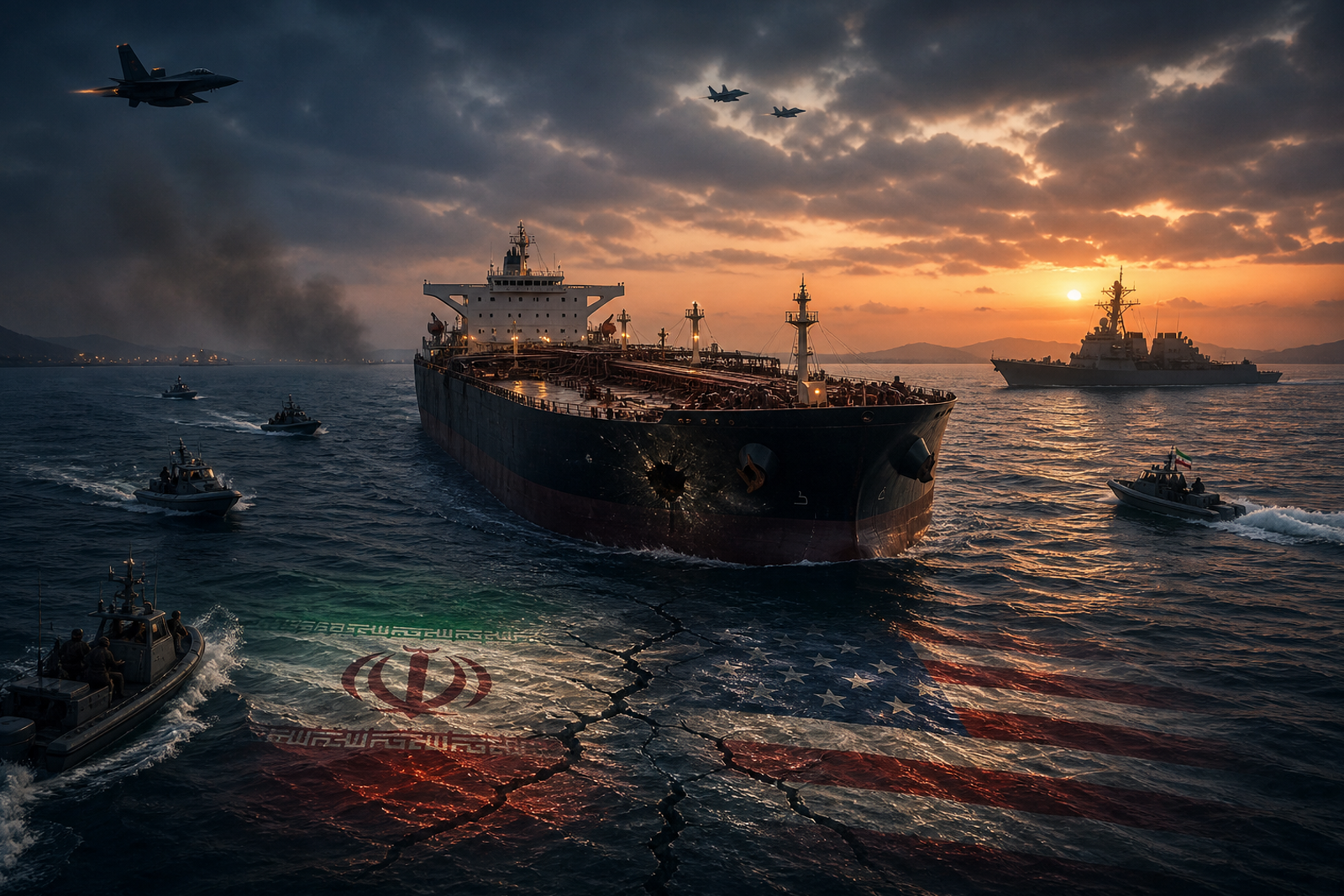
Iran Reviews U.S. Response Amid Ongoing Israel-Iran Conflict
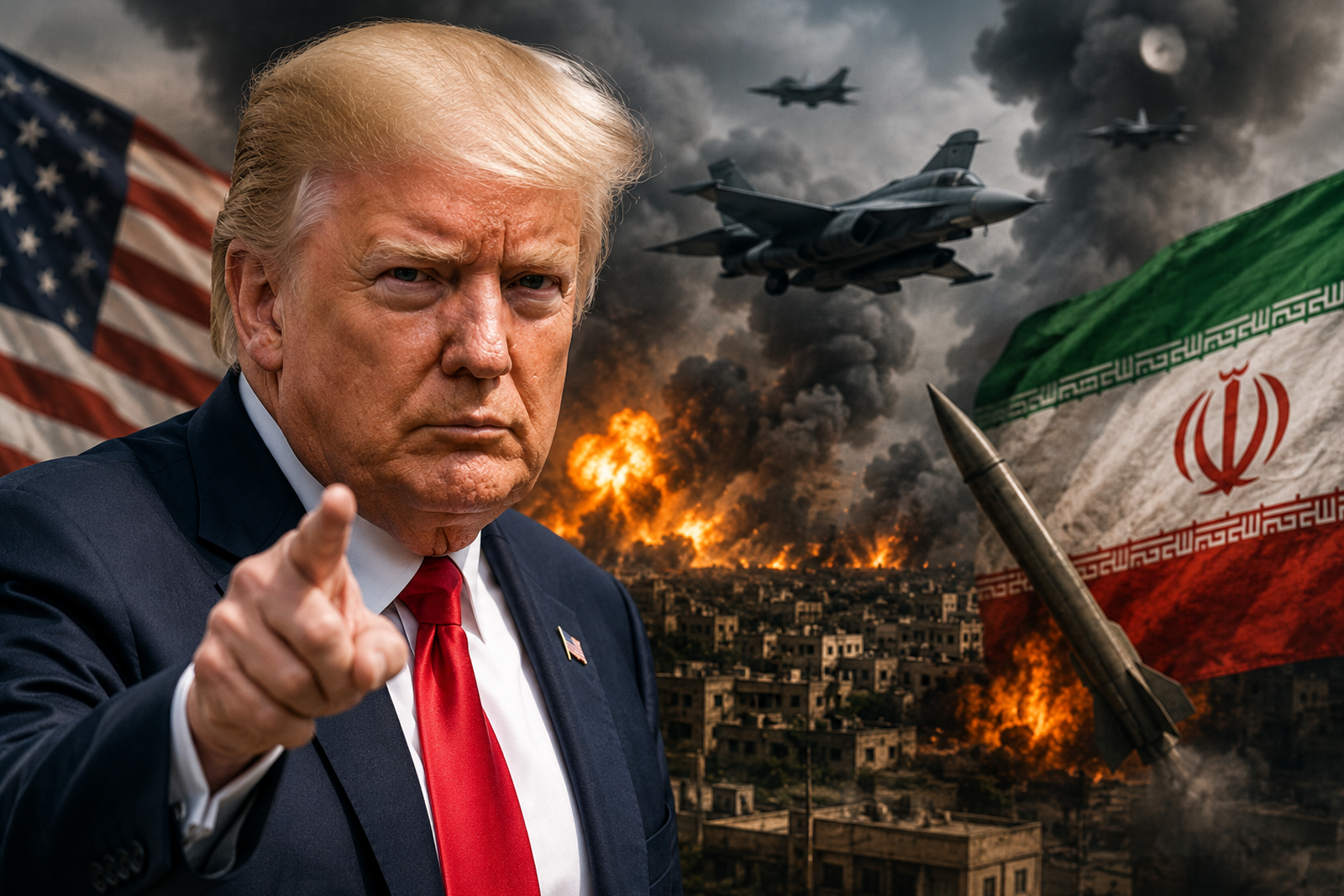
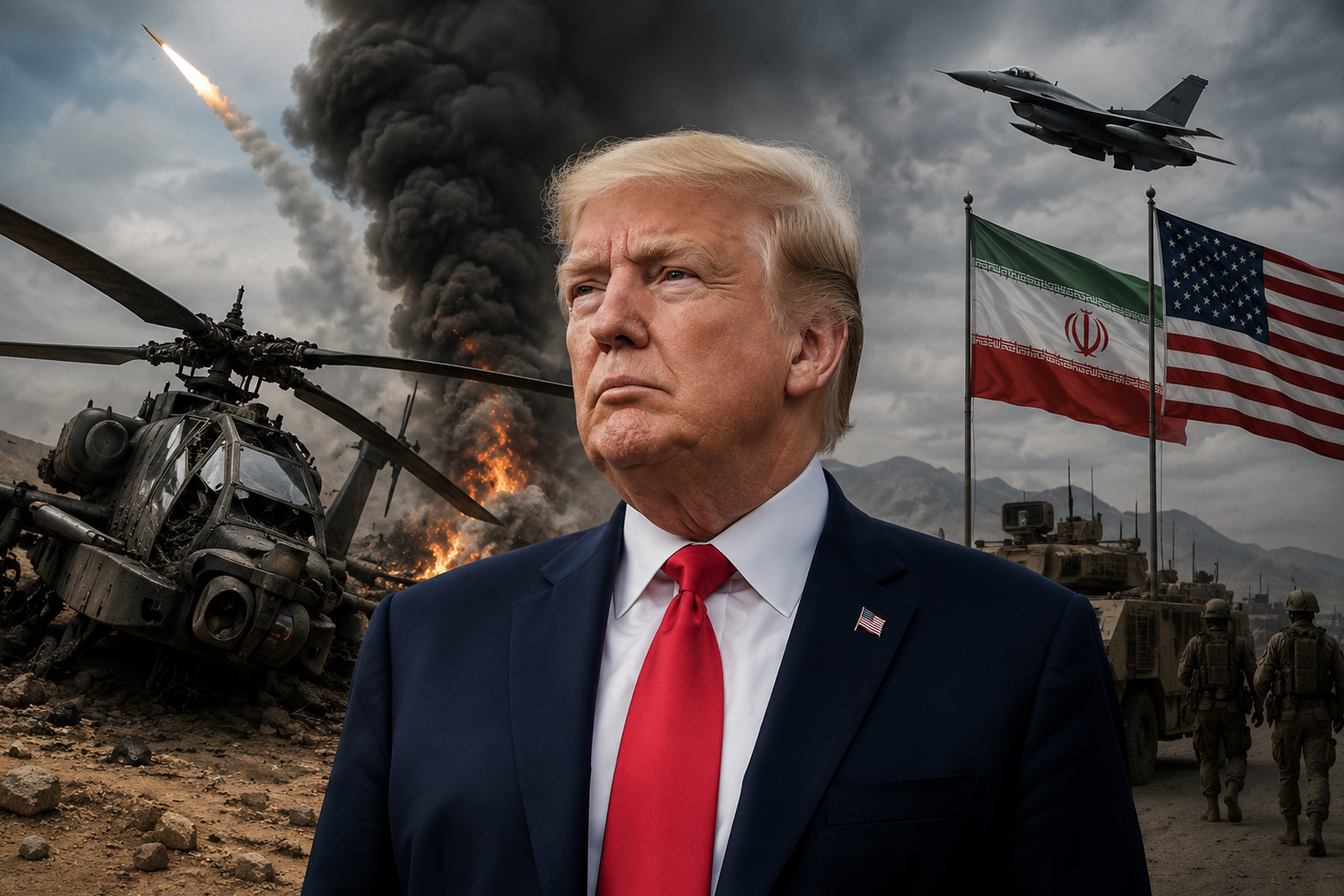
In a significant diplomatic development, Iran has confirmed that it is examining the United States’ latest response to its recent proposal, even as tensions with Israel continue to simmer. The announcement comes at a time when the region remains on edge, with both military activity and political rhetoric contributing to an atmosphere of uncertainty. While no formal agreement has been reached, the acknowledgment of ongoing communication has sparked cautious optimism among international observers.
The current phase of the conflict has seen intermittent escalations, raising concerns about a broader regional confrontation. Despite this, diplomatic channels appear to remain open. Iran’s decision to review the U.S. reply suggests that both sides may still be exploring options to de-escalate the situation through negotiation rather than continued conflict. Analysts believe that such engagement, even if indirect, is a critical step toward reducing hostilities.
At the heart of the discussions lies a complex set of issues, including security guarantees, regional influence, and long-standing geopolitical rivalries. The United States is reportedly attempting to balance its support for Israel while also preventing further destabilization in the Middle East. Iran, on the other hand, is seeking terms that align with its strategic interests and sovereignty concerns.
Global powers and regional stakeholders are closely monitoring the situation. Several countries have called for restraint and urged all parties to prioritize dialogue over aggression. The possibility of a negotiated outcome, however distant, is being viewed as a positive sign in an otherwise tense scenario.
Meanwhile, the humanitarian impact of the conflict continues to draw attention. Civilians in affected areas face ongoing risks, and there are growing calls for immediate measures to ensure their safety. International organizations have emphasized the importance of protecting non-combatants and providing aid where needed.
As Iran reviews the U.S. response, the coming days are expected to be crucial in determining the direction of the conflict. Whether this leads to meaningful progress or further deadlock remains uncertain. For now, the situation reflects a delicate balance between confrontation and diplomacy, with the world watching closely for any signs of change.

Iran Reviews U.S. Response as Israel-Iran Conflict Enters Critical Diplomatic Phase
The ongoing tensions between Israel and Iran have taken a potentially pivotal turn as Iran officially confirmed it is reviewing the United States’ response to its latest proposal. This development signals that, despite rising hostilities and military posturing, diplomatic engagement is still active behind the scenes. While the situation on the ground remains volatile, this exchange of proposals has introduced a fresh layer of cautious hope for de-escalation.
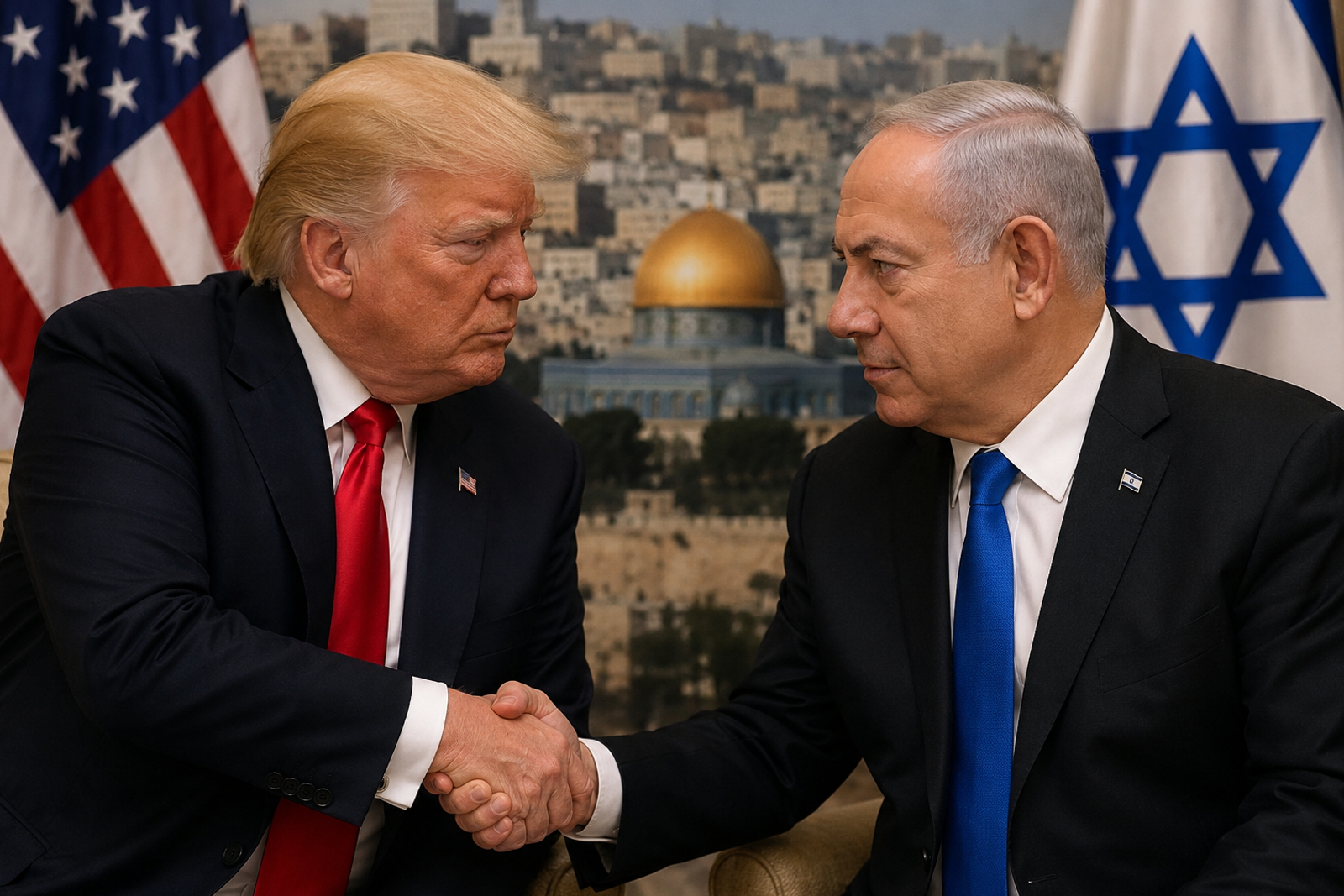
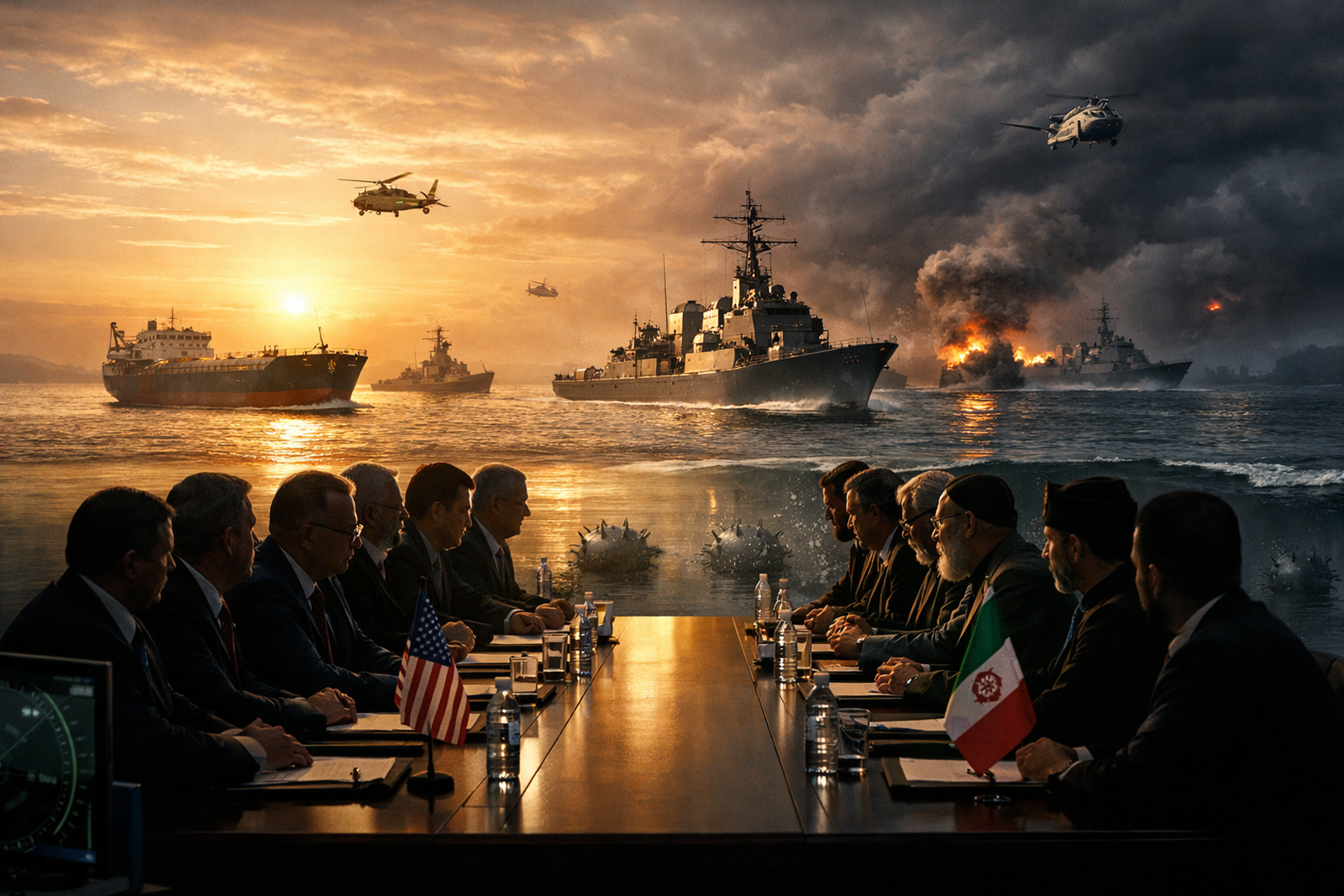
The conflict, marked by strategic strikes, political warnings, and regional unease, has drawn intense global attention. The involvement of the United States as a key intermediary adds complexity, as it attempts to manage its alliance with Israel while also preventing a wider regional conflict. Iran’s willingness to assess Washington’s response indicates that both sides may still be testing the waters for a negotiated outcome.
Key Highlights of the Current Situation
1. Diplomatic Channels Remain Open
Despite escalating rhetoric, communication between Iran and the United States has not been completely severed. The review of the latest proposal suggests ongoing backchannel discussions that could influence the next phase of the conflict. Such diplomatic efforts are often slow and complex but remain crucial in avoiding further escalation.
2. Rising Military Tensions
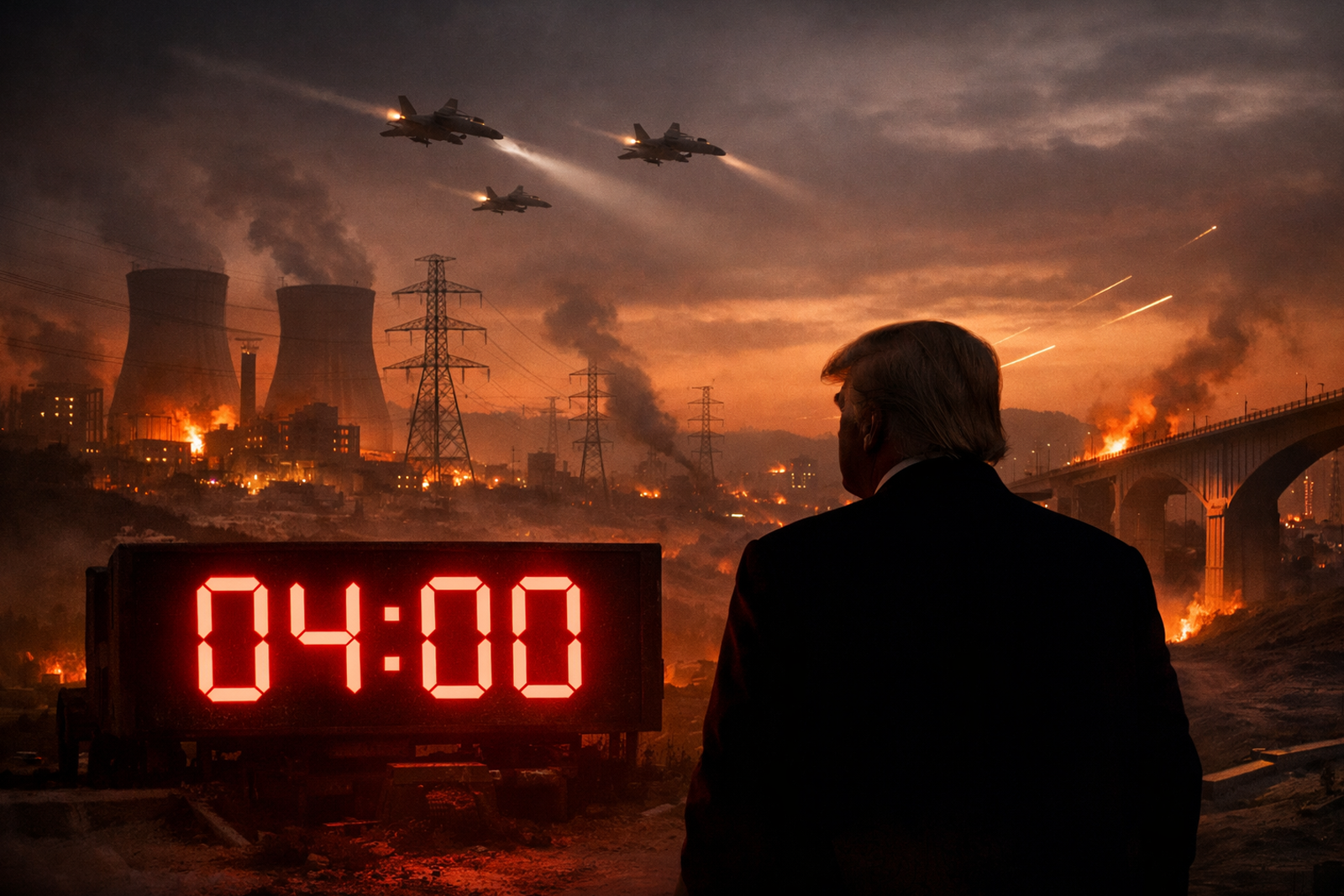
The region continues to witness heightened military alertness. Israel has maintained a strong defensive posture, while Iran has signaled its readiness to respond to any perceived threats. This fragile balance increases the risk of miscalculation, making diplomatic efforts even more essential.
3. U.S. Role as a Strategic Mediator
The United States plays a dual role—supporting Israel’s security interests while also engaging Iran diplomatically. Its response to Iran’s proposal is believed to include conditions aimed at reducing hostilities and ensuring regional stability. However, aligning both sides remains a challenging task.
4. Global Concern Over Regional Stability
Countries across the world have expressed concern about the possibility of a broader Middle East conflict. International leaders are urging restraint and encouraging all parties to prioritize dialogue. The current situation has also triggered discussions in global forums about conflict resolution mechanisms.
5. Humanitarian Impact Intensifies
As tensions persist, civilians in affected areas continue to face uncertainty and risk. Reports of disruptions to daily life, infrastructure concerns, and limited access to essential services highlight the urgent need for humanitarian attention. Aid organizations are closely monitoring developments.
Strategic Implications of the Proposal Review
Iran’s decision to carefully analyze the U.S. response reflects a calculated approach rather than an immediate reaction. This indicates that Tehran is weighing both the political and strategic consequences of any potential agreement. Accepting or rejecting the proposal could significantly shape the trajectory of the conflict.
For the United States, the challenge lies in crafting a response that addresses Iran’s concerns without compromising its commitments to Israel. Any agreement must balance security assurances, regional influence, and long-standing geopolitical interests. This delicate negotiation process is likely to take time and may involve multiple rounds of revisions.
Israel, meanwhile, remains a central player whose security concerns are deeply tied to the outcome of these discussions. While it is not directly part of the U.S.-Iran exchange, its position heavily influences Washington’s approach. Any perceived threat to Israel’s safety could impact the progress of diplomatic efforts.
Possible Scenarios Moving Forward
• Breakthrough in Negotiations
If Iran finds the U.S. response acceptable, it could pave the way for further talks and potential de-escalation. This would be seen as a major diplomatic success and could reduce immediate tensions in the region.
• Continued Deadlock
There is also the possibility that the response fails to meet Iran’s expectations, leading to prolonged negotiations without concrete results. This scenario would maintain the current state of uncertainty.
• Escalation of Conflict
If diplomatic efforts collapse entirely, the risk of intensified conflict cannot be ruled out. Increased military actions could draw in more regional actors, complicating the situation further.
The Global Perspective
The international community is watching these developments with a mix of concern and cautious optimism. Major powers, including European nations and regional stakeholders, are advocating for peaceful resolution through dialogue. The situation underscores the importance of diplomacy in addressing complex geopolitical conflicts.
Economic implications are also being closely monitored. Any escalation in the region could affect global energy markets, trade routes, and economic stability. This adds another layer of urgency to the need for a peaceful resolution.
Conclusion
As Iran reviews the United States’ response to its latest proposal, the Israel-Iran conflict stands at a critical juncture. The coming days will be crucial in determining whether diplomacy can outweigh confrontation. While uncertainties remain, the continuation of dialogue offers a glimmer of hope in an otherwise tense and unpredictable situation.
For now, the world remains attentive, waiting to see whether this diplomatic exchange will lead to meaningful progress or further deepen the crisis.

Shivani NayakJournalist
Shivani Nayak is an emerging journalist committed to delivering accurate, timely, and impactful stories for a fast-growing digital news platform. With a keen interest in politics, public policy, and community reporting, she focuses on issues that directly affect everyday life. Her work reflects a strong belief in responsible journalism, transparency, and fact-based reporting.
She brings a modern, digital-first approach to news coverage, blending field reporting with multimedia storytelling to reach audiences across platforms. From breaking developments to in-depth explainers and human-interest features, Anita strives to present news in a clear, accessible manner while maintaining editorial integrity.
Driven by curiosity and a deep sense of social responsibility, she actively engages with sources at the grassroots level, ensuring diverse voices are represented. She is particularly interested in governance, education reform, infrastructure development, and civic affairs.
Through her reporting, Anita aims to build trust with readers and contribute to a culture of informed public dialogue. As part of a new portal, she looks forward to growing alongside the publication and helping shape its journalistic identity in the digital age.