Modi Calls for Fuel, Travel and Import Cuts to Protect India’s Forex Reserves
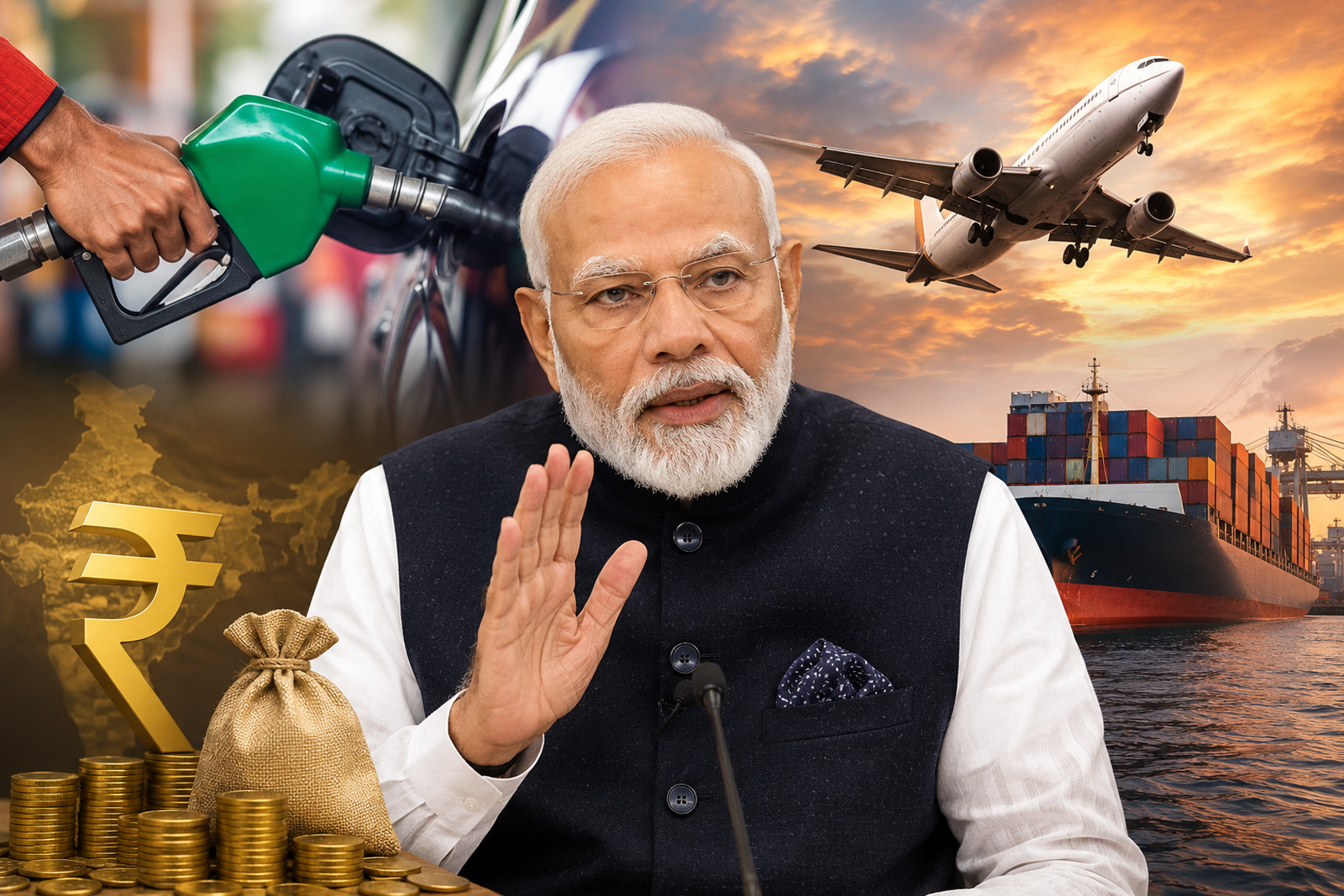
Modi Calls for Collective Action to Safeguard India’s Forex Reserves
Prime Minister Narendra Modi has issued a strong appeal for responsible economic behavior, urging citizens, businesses, and institutions to consciously reduce fuel usage, avoid unnecessary travel, and limit non-essential imports. The call comes at a time when global uncertainties, fluctuating energy prices, and currency pressures are testing India’s foreign exchange stability.
India’s forex reserves act as a financial shield, helping the country manage external shocks, stabilize the currency, and ensure smooth international trade. However, rising import bills—especially for crude oil—have increased pressure on these reserves. By promoting mindful consumption, the government aims to reduce the outflow of foreign currency and strengthen economic resilience.
The Prime Minister emphasized that small, everyday actions can collectively make a significant difference. Choosing public transport, carpooling, or adopting energy-efficient practices can directly reduce fuel demand. Similarly, opting for locally manufactured goods instead of imported alternatives supports domestic industries while conserving valuable foreign exchange.
Industry leaders have also been encouraged to reassess supply chains and prioritize local sourcing wherever possible. This shift not only reduces dependency on imports but also aligns with India’s broader push for self-reliance and sustainable economic growth. The message is clear: economic discipline today can safeguard national interests tomorrow.
Experts believe that such measures, if widely adopted, can ease pressure on the rupee and improve the country’s trade balance. While policy interventions play a crucial role, public participation remains equally vital in achieving long-term stability.
This appeal reflects a larger vision of shared responsibility, where citizens become active contributors to the nation’s economic health. By aligning individual choices with national priorities, India can navigate global challenges more effectively and maintain a strong financial position on the world stage.
As uncertainties persist in the global economy, the Prime Minister’s message serves as a timely reminder that resilience begins at home—with conscious decisions that collectively shape the country’s future.

Modi’s Economic Call: A Nationwide Push to Conserve Forex and Strengthen India’s Financial Stability
Prime Minister Narendra Modi has called for a coordinated national effort to reduce fuel consumption, limit avoidable travel, and cut down on non-essential imports. His message comes at a critical moment when global economic volatility, rising crude oil prices, and geopolitical tensions are exerting pressure on India’s foreign exchange reserves. The appeal is not just a policy suggestion—it is a call for collective responsibility to protect the country’s economic foundation.
India’s forex reserves play a vital role in maintaining financial stability. They help manage external debt, stabilize the currency, and ensure that imports such as energy, technology, and essential goods continue without disruption. However, when imports rise significantly—especially fuel imports—the demand for foreign currency increases, leading to pressure on reserves and the domestic currency.
Why Forex Conservation Matters
Foreign exchange reserves are often seen as a country’s financial safety net. When reserves are strong, they provide confidence to investors and help cushion against global shocks.
Key Importance:
-
Currency Stability: Strong reserves help maintain the value of the Indian rupee.
-
Trade Balance Support: Lower import bills reduce trade deficits.
-
Investor Confidence: Healthy reserves attract global investments.
-
Crisis Management: Provides a buffer during global economic downturns.
Rising Fuel Imports: A Major Concern
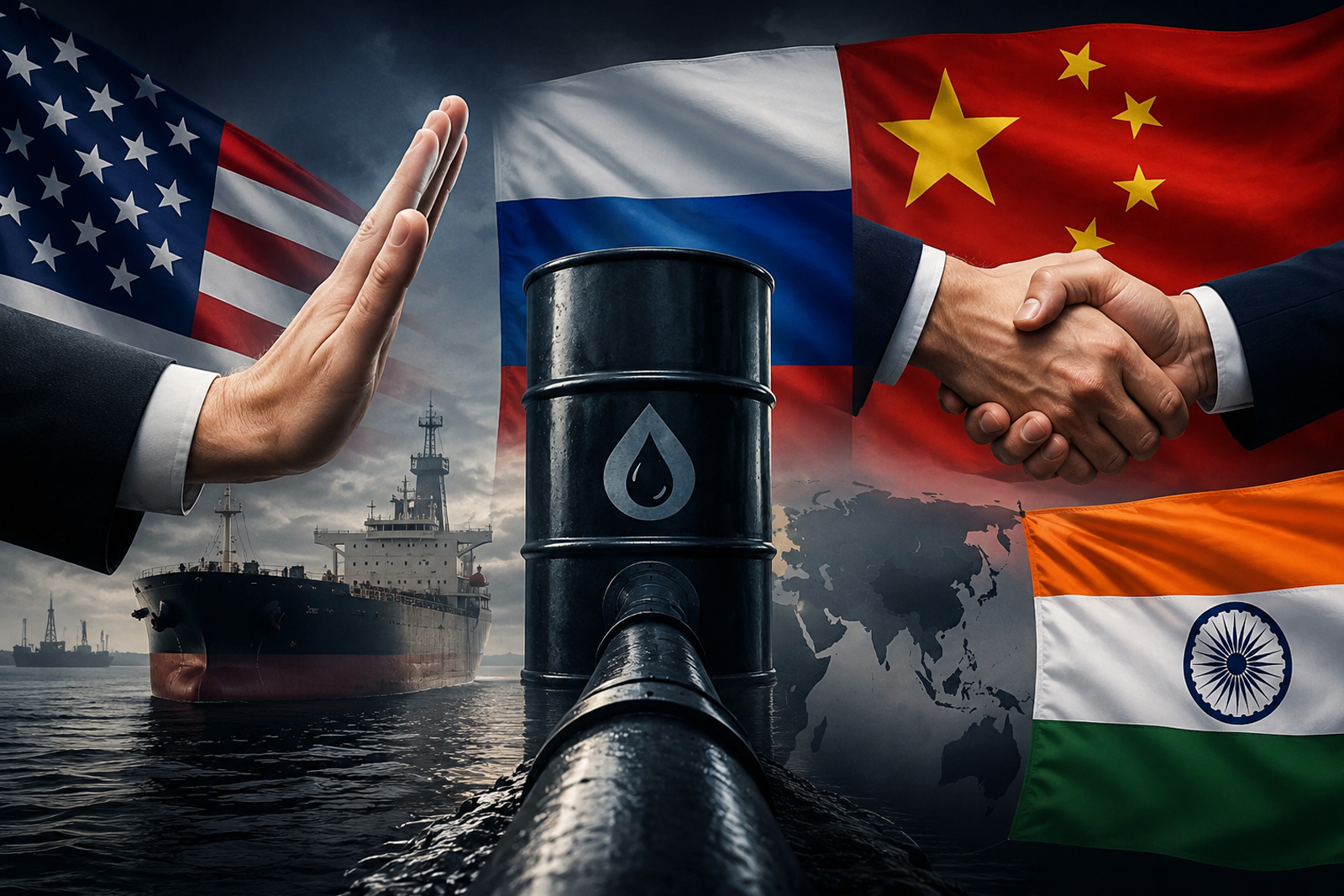
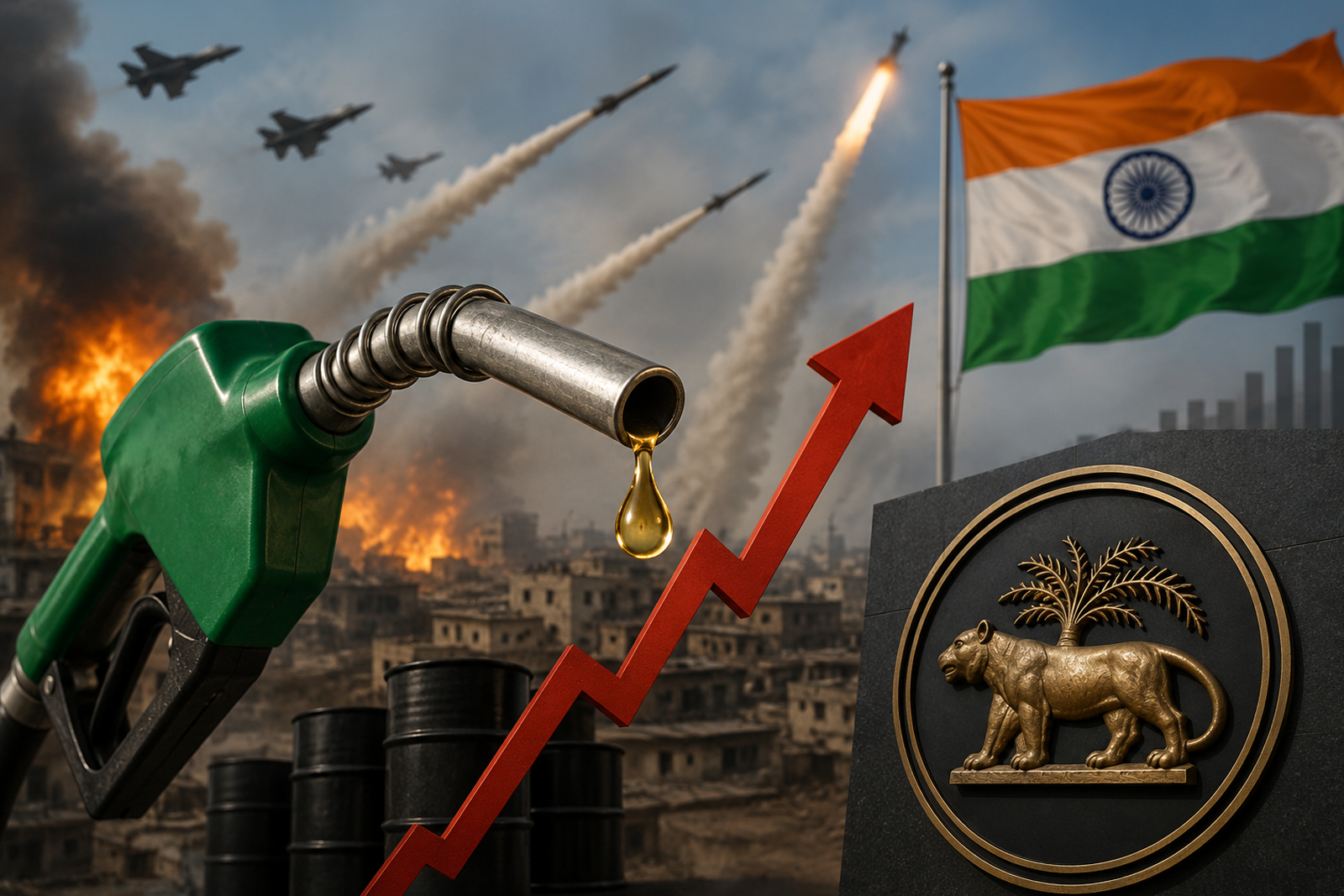
India is heavily dependent on imported crude oil, making fuel consumption one of the biggest contributors to forex outflow. When global oil prices rise, the import bill increases sharply, putting additional strain on reserves.
Suggested Measures:
-
Use public transport instead of private vehicles
-
Encourage carpooling and shared mobility
-
Promote electric and alternative fuel vehicles
-
Improve energy efficiency in industries
Reducing fuel demand even marginally can lead to significant savings in foreign exchange over time.
Limiting Non-Essential Travel
Travel, especially international travel, contributes to foreign currency expenditure through airfare, accommodation, and other expenses abroad.
Practical Steps:
-
Avoid unnecessary overseas trips
-
Promote domestic tourism
-
Encourage virtual meetings for business purposes
-
Adopt cost-effective travel planning
By prioritizing essential travel, individuals and businesses can help conserve valuable forex resources.
Reducing Dependence on Imports
Imports of luxury goods, electronics, and non-essential commodities also contribute to the outflow of foreign currency. Encouraging domestic alternatives can ease this burden.
Action Points:
-
Support locally manufactured products
-
Strengthen “Make in India” initiatives
-
Promote innovation and domestic production
-
Reduce reliance on imported luxury items
This approach not only conserves forex but also boosts employment and industrial growth within the country.
Role of Industries and Businesses
The private sector plays a crucial role in managing import levels and energy consumption. Businesses can adopt strategic changes to align with the national objective.
Industry-Level Changes:
-
Optimize supply chains to reduce import dependency
-
Invest in renewable energy sources
-
Increase local sourcing of raw materials
-
Improve operational efficiency to cut fuel usage
Public Participation: The Key to Success
Government policies alone cannot achieve the desired results without active public involvement. Every citizen’s decision—whether it’s choosing a local product or saving fuel—contributes to the larger goal.
Individual Contributions:
-
Practice mindful consumption
-
Avoid wastage of resources
-
Choose sustainable alternatives
-
Spread awareness within communities
When millions of people make small changes, the cumulative impact can be substantial.
Economic Experts Weigh In
Economists believe that the Prime Minister’s appeal is both timely and necessary. With global uncertainties such as fluctuating oil prices and supply chain disruptions, proactive measures can prevent long-term economic stress.
They highlight that behavioral changes, when combined with strong policy support, can:
-
Stabilize the rupee
-
Reduce inflationary pressures
-
Improve trade balance
-
Strengthen overall economic resilience
A Step Toward Self-Reliance
This initiative aligns closely with India’s broader vision of self-reliance. By reducing dependence on imports and promoting domestic capabilities, the country can build a more resilient and independent economy.
The focus is not on restricting growth but on making smarter, more sustainable choices that benefit both the economy and the environment.
Conclusion: A Collective Economic Responsibility
Prime MinisterNarendra Modi’s call to conserve fuel, limit travel, and reduce imports is a strategic move aimed at protecting India’s financial strength. It underscores the idea that economic stability is not solely the responsibility of the government but a shared duty of every citizen, business, and institution.
In a rapidly changing global landscape, nations that adapt quickly and act responsibly are better positioned to thrive. India’s ability to safeguard its forex reserves will depend on how effectively this message translates into action at every level of society.
By embracing conscious consumption and supporting domestic growth, India can not only navigate current challenges but also lay the foundation for a stronger and more self-sufficient future.

Shivani NayakJournalist
Shivani Nayak is an emerging journalist committed to delivering accurate, timely, and impactful stories for a fast-growing digital news platform. With a keen interest in politics, public policy, and community reporting, she focuses on issues that directly affect everyday life. Her work reflects a strong belief in responsible journalism, transparency, and fact-based reporting.
She brings a modern, digital-first approach to news coverage, blending field reporting with multimedia storytelling to reach audiences across platforms. From breaking developments to in-depth explainers and human-interest features, Anita strives to present news in a clear, accessible manner while maintaining editorial integrity.
Driven by curiosity and a deep sense of social responsibility, she actively engages with sources at the grassroots level, ensuring diverse voices are represented. She is particularly interested in governance, education reform, infrastructure development, and civic affairs.
Through her reporting, Anita aims to build trust with readers and contribute to a culture of informed public dialogue. As part of a new portal, she looks forward to growing alongside the publication and helping shape its journalistic identity in the digital age.