Donald Trump Warns US-Iran Ceasefire on ‘Life Support’, Slams Tehran Proposal as ‘Garbage’
Trump Signals Collapse Risk as US–Iran Ceasefire Hangs by a Thread
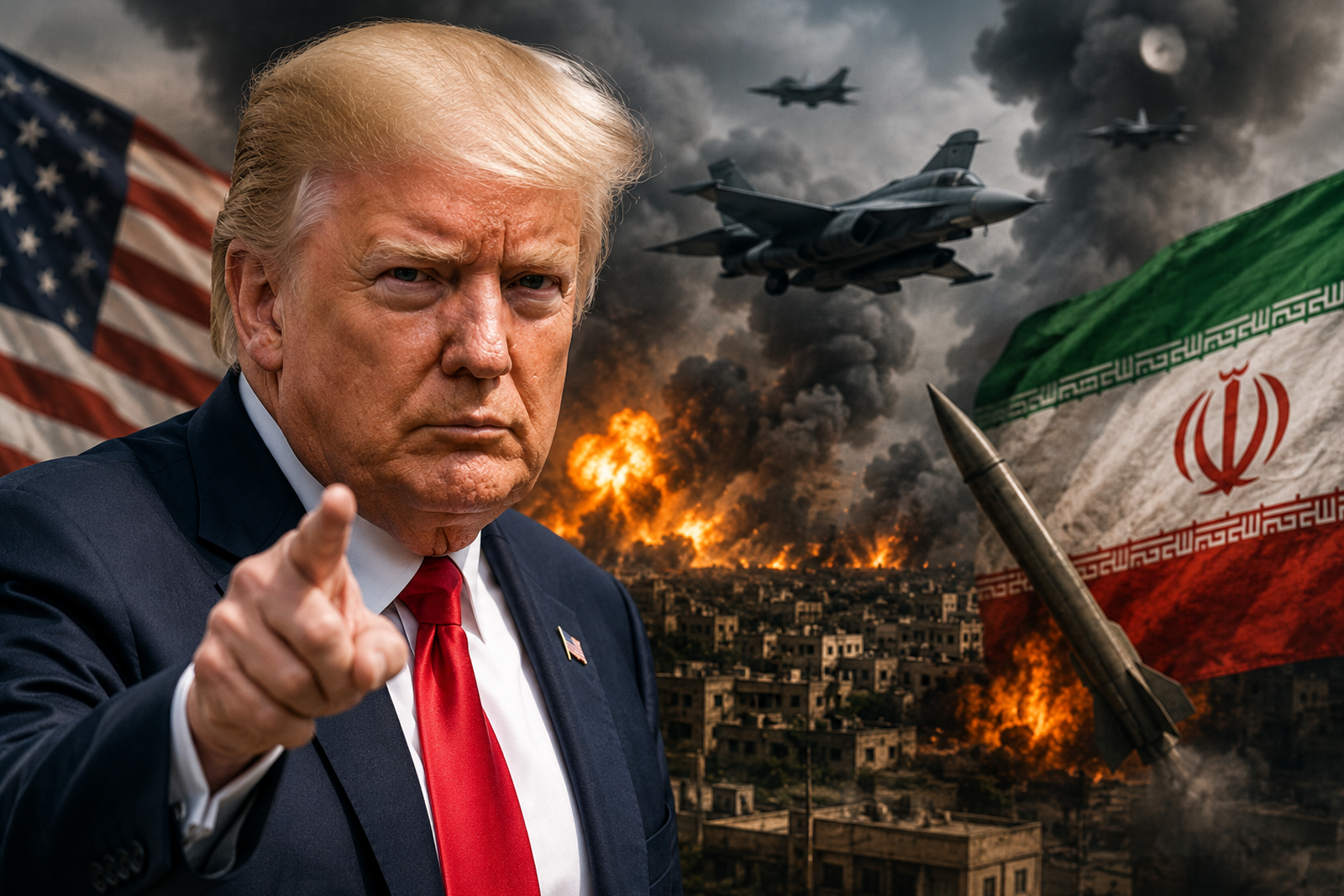
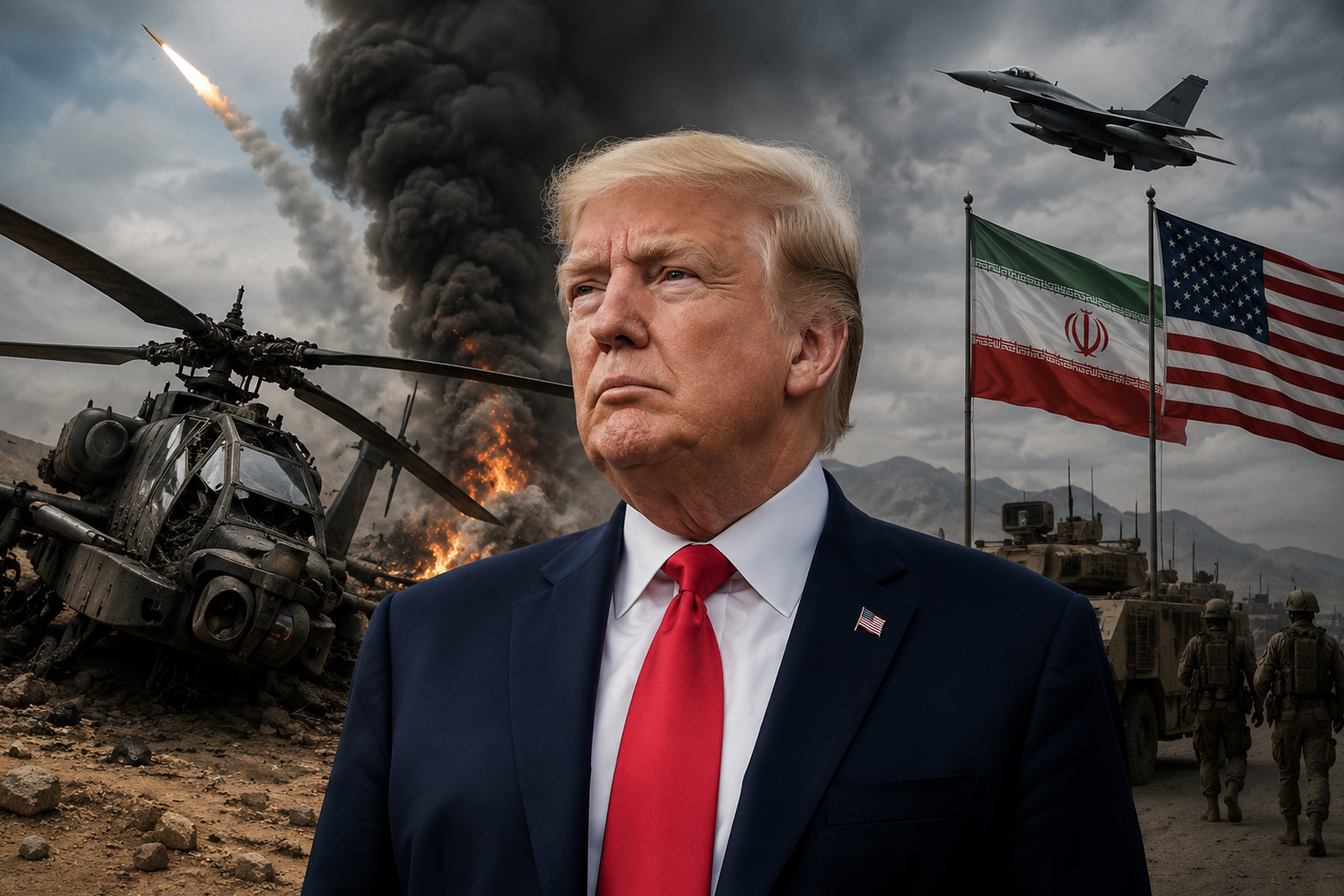
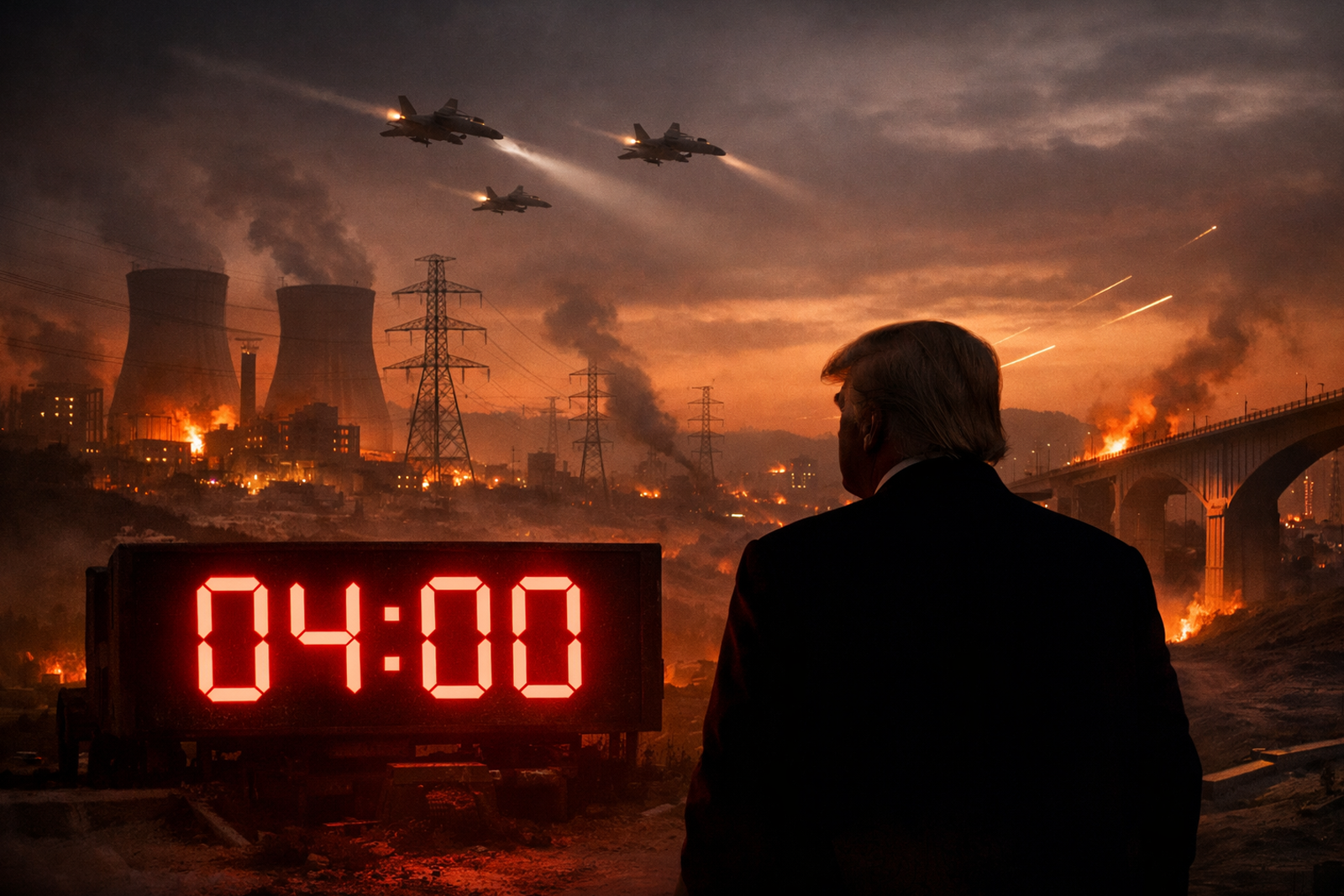
Tensions between the United States and Iran have once again escalated after Donald Trump publicly cast doubt on the future of the fragile ceasefire agreement between the two nations. Describing the deal as being on “life support,” Trump’s remarks reflect growing frustration in Washington over what it sees as an inadequate and unworkable proposal from Tehran. His blunt dismissal of Iran’s latest offer has further strained already delicate diplomatic relations.
The ceasefire, which was initially viewed as a step toward de-escalation, now appears increasingly unstable. Trump’s strong language suggests that the United States may be preparing for a shift in strategy if negotiations fail to yield meaningful progress. According to officials familiar with the discussions, key disagreements remain unresolved, particularly over security assurances, regional influence, and economic conditions tied to sanctions relief.
Iran, on the other hand, has defended its proposal as balanced and fair, insisting that its terms are essential to protect its national interests. Leaders in Tehran argue that external pressure and uncompromising demands from Washington are undermining the chances of achieving a sustainable agreement. This widening gap in expectations has made it difficult for negotiators on both sides to find common ground.
International observers are increasingly concerned that the collapse of the ceasefire could trigger a fresh cycle of confrontation in an already volatile region. The Middle East has long been a focal point of geopolitical tensions, and any breakdown in communication between the US and Iran could have far-reaching consequences.
Despite the heated rhetoric, diplomatic channels remain open, offering a narrow window for compromise. Analysts believe that while Trump’s comments may be aimed at increasing pressure on Iran, they also signal the urgency of reaching a workable solution before the situation deteriorates further.
As uncertainty looms, the future of the US–Iran ceasefire hangs in the balance. Whether both nations can overcome their differences or move toward renewed confrontation will depend on the willingness of their leaders to engage in pragmatic and sustained negotiations in the coming days.

US-Iran Ceasefire on Edge as Trump’s Remarks Deepen Diplomatic Strain
The already fragile ceasefire between the United States and Iran has entered a critical phase after Donald Trump publicly declared that the agreement is on “life support.” His strong rejection of Tehran’s latest proposal has intensified global concerns about a possible breakdown in diplomatic efforts.
The ceasefire was initially introduced as a temporary mechanism to reduce tensions and create space for broader negotiations. However, recent developments suggest that the gap between the two sides remains wide, with trust deficits and strategic disagreements continuing to undermine progress.
Background of the Ceasefire
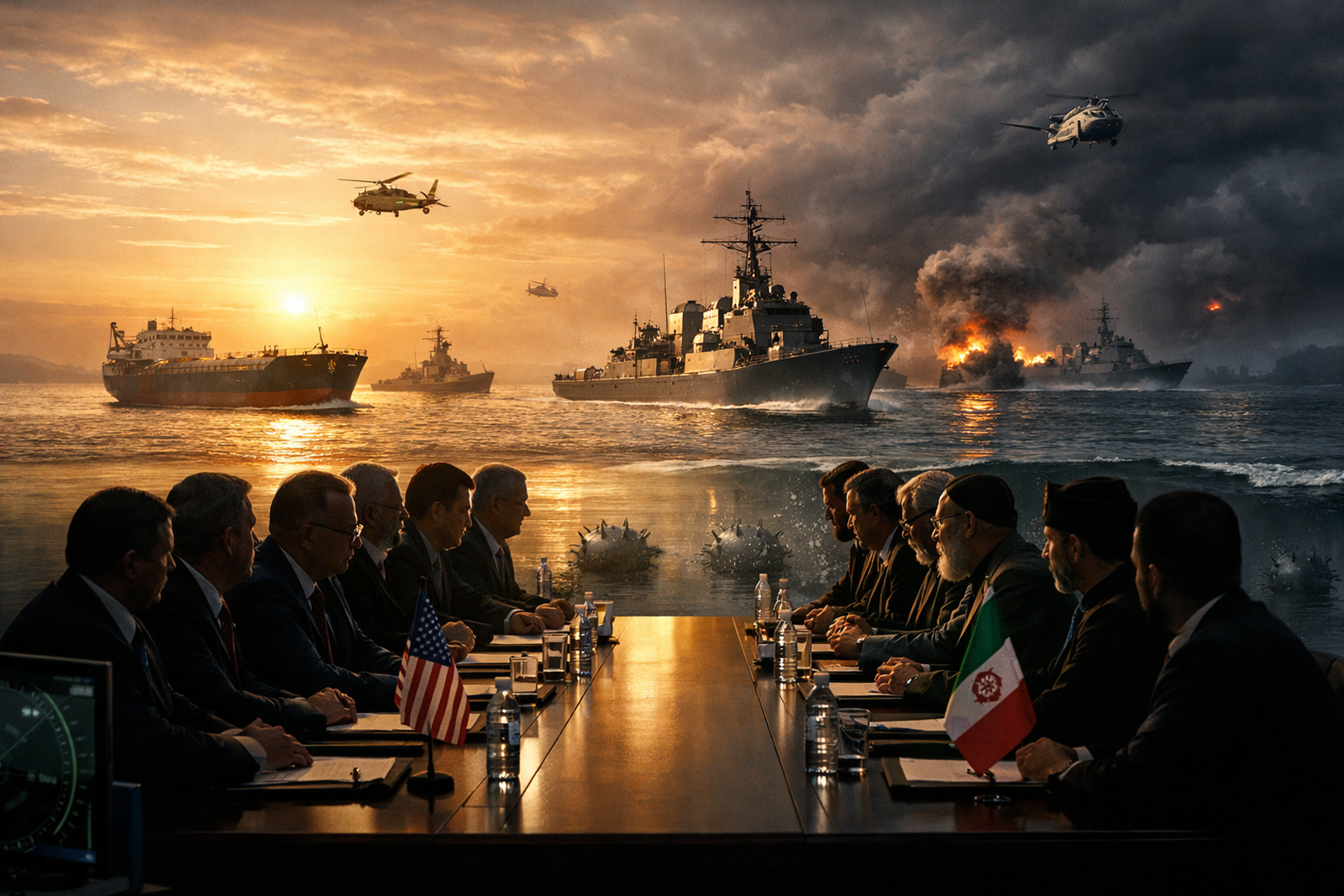
The US-Iran ceasefire emerged after a prolonged period of hostility marked by sanctions, military posturing, and indirect confrontations across the region. Both nations faced mounting pressure—from allies, economic realities, and global institutions—to step back from escalation.
-
The agreement aimed to pause direct and indirect military engagements.
-
It sought to create a platform for long-term negotiations.
-
It included informal understandings on reducing regional provocations.
Despite these intentions, the ceasefire was never a comprehensive peace deal. Instead, it functioned as a fragile pause dependent on continuous negotiation and mutual restraint.
Trump’s Strong Reaction
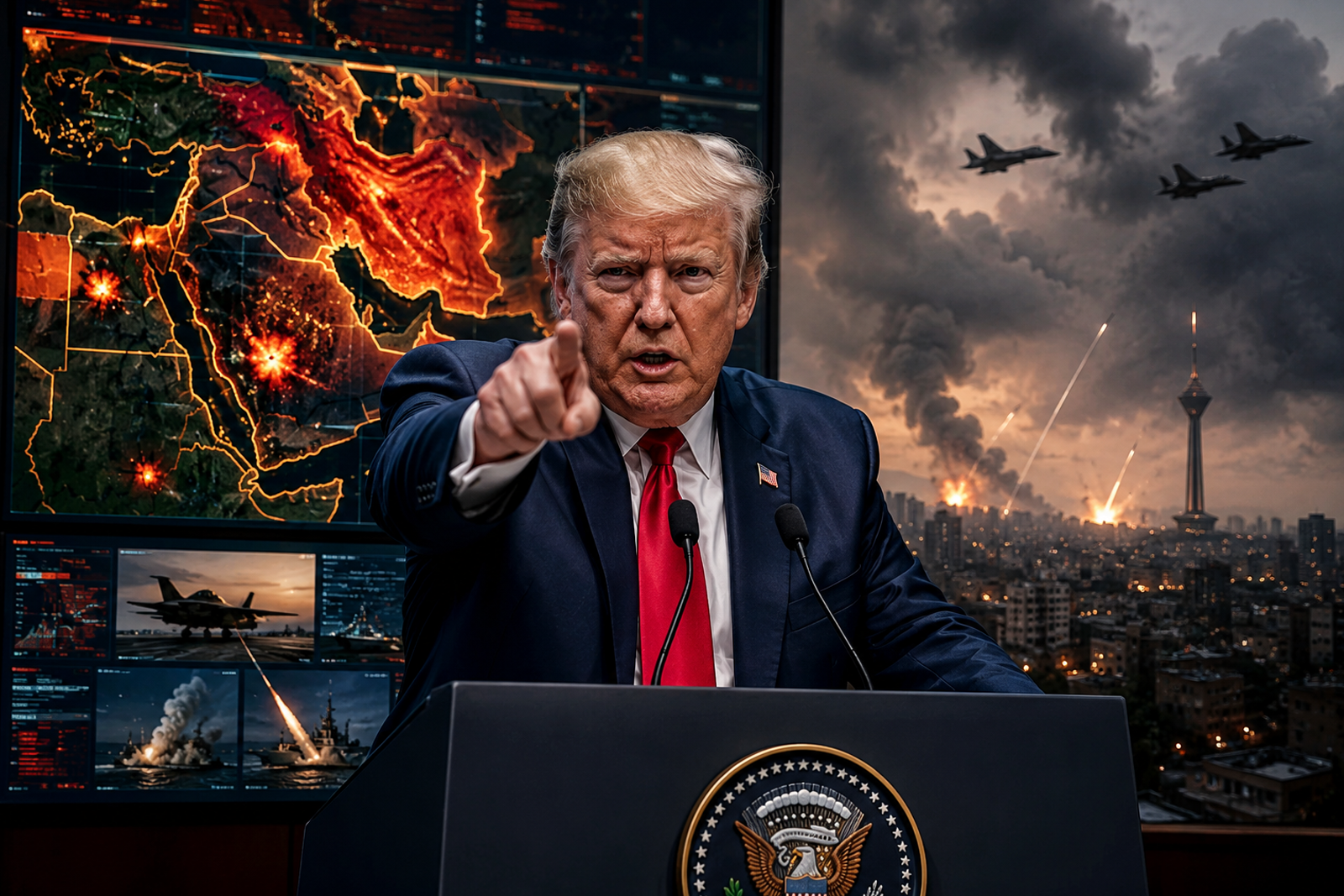
Donald Trump’s recent comments have significantly altered the tone of the dialogue. By calling Iran’s proposal a “piece of garbage,” he has not only rejected the offer but also sent a message about the US stance moving forward.
-
The language indicates deep dissatisfaction with Iran’s position.
-
It suggests the US may not be willing to compromise on key demands.
-
It raises doubts about the continuation of diplomatic engagement in its current form.
Such direct and uncompromising rhetoric often plays well domestically but can complicate negotiations at the international level.
Key Points of Disagreement
At the heart of the current tension are several unresolved issues that continue to divide Washington and Tehran.
1. Sanctions Relief
Iran has consistently pushed for the removal or easing of economic sanctions that have heavily impacted its economy. The US, however, has maintained that sanctions are a critical leverage tool.
2. Nuclear Commitments
Disputes over nuclear activity remain central. The US demands stricter compliance and transparency, while Iran seeks assurances against future unilateral actions.
3. Regional Influence
Iran’s role in the Middle East—through alliances and proxy groups—remains a major concern for the US and its allies.
4. Verification Mechanisms
Ensuring that both sides adhere to commitments is another sticking point. The US is advocating for stronger verification systems, which Iran views as intrusive.
Global Implications of a Collapse
If the ceasefire fails, the consequences could extend well beyond bilateral relations.
-
Regional Instability: The Middle East could witness renewed conflicts, increasing risks for neighboring countries.
-
Energy Market Volatility: Oil prices may surge due to fears of supply disruptions.
-
Geopolitical Tensions: Other global powers may become more actively involved, complicating the situation further.
The strategic importance of the region means that even minor escalations can have outsized global effects.
Diplomatic Channels Still Open
Despite the sharp rhetoric, diplomacy has not entirely broken down. Backchannel communications and indirect negotiations are reportedly continuing.
-
Both nations have reasons to avoid full-scale confrontation.
-
International mediators may step in to bridge gaps.
-
Incremental agreements could still be explored to keep the ceasefire alive.
Experts believe that while public statements appear confrontational, private negotiations may tell a more nuanced story.
Domestic Political Factors
Internal political considerations also play a significant role in shaping the positions of both countries.
-
In the United States, strong rhetoric can appeal to political bases and reinforce leadership image.
-
In Iran, resistance to external pressure is often tied to national pride and sovereignty.
These domestic pressures can limit flexibility at the negotiating table, making compromise more difficult.
Possible Future Scenarios
The coming days will be crucial in determining the fate of the ceasefire. Several outcomes are possible:
1. Breakdown of the Ceasefire
If no agreement is reached, tensions could escalate quickly, leading to renewed confrontation.
2. Temporary Extension
Both sides might agree to maintain the ceasefire while continuing negotiations.
3. Revised Agreement
A modified proposal addressing key concerns could emerge as a compromise solution.
4. Prolonged Uncertainty
The most likely scenario may involve continued tension without a clear resolution, keeping the situation in a state of limbo.
Strategic Importance of Dialogue
Even in moments of heightened tension, communication remains essential. Diplomatic engagement, whether direct or indirect, reduces the risk of miscalculation and unintended escalation.
The situation highlights the importance of measured responses and careful negotiation in international relations. While strong statements may dominate headlines, long-term outcomes are often shaped behind closed doors.
Conclusion
The US-Iran ceasefire now stands at a crossroads. Donald Trump’s blunt remarks have underscored the fragile nature of the agreement and brought underlying tensions to the forefront. With Tehran standing firm on its position, the path forward remains uncertain.
Whether this moment leads to renewed conflict or a reworked diplomatic effort will depend on the willingness of both sides to find common ground. In a region where stability is often elusive, the stakes could not be higher, making every decision in the coming days critically important for global peace and security.

Shivani NayakJournalist
Shivani Nayak is an emerging journalist committed to delivering accurate, timely, and impactful stories for a fast-growing digital news platform. With a keen interest in politics, public policy, and community reporting, she focuses on issues that directly affect everyday life. Her work reflects a strong belief in responsible journalism, transparency, and fact-based reporting.
She brings a modern, digital-first approach to news coverage, blending field reporting with multimedia storytelling to reach audiences across platforms. From breaking developments to in-depth explainers and human-interest features, Anita strives to present news in a clear, accessible manner while maintaining editorial integrity.
Driven by curiosity and a deep sense of social responsibility, she actively engages with sources at the grassroots level, ensuring diverse voices are represented. She is particularly interested in governance, education reform, infrastructure development, and civic affairs.
Through her reporting, Anita aims to build trust with readers and contribute to a culture of informed public dialogue. As part of a new portal, she looks forward to growing alongside the publication and helping shape its journalistic identity in the digital age.