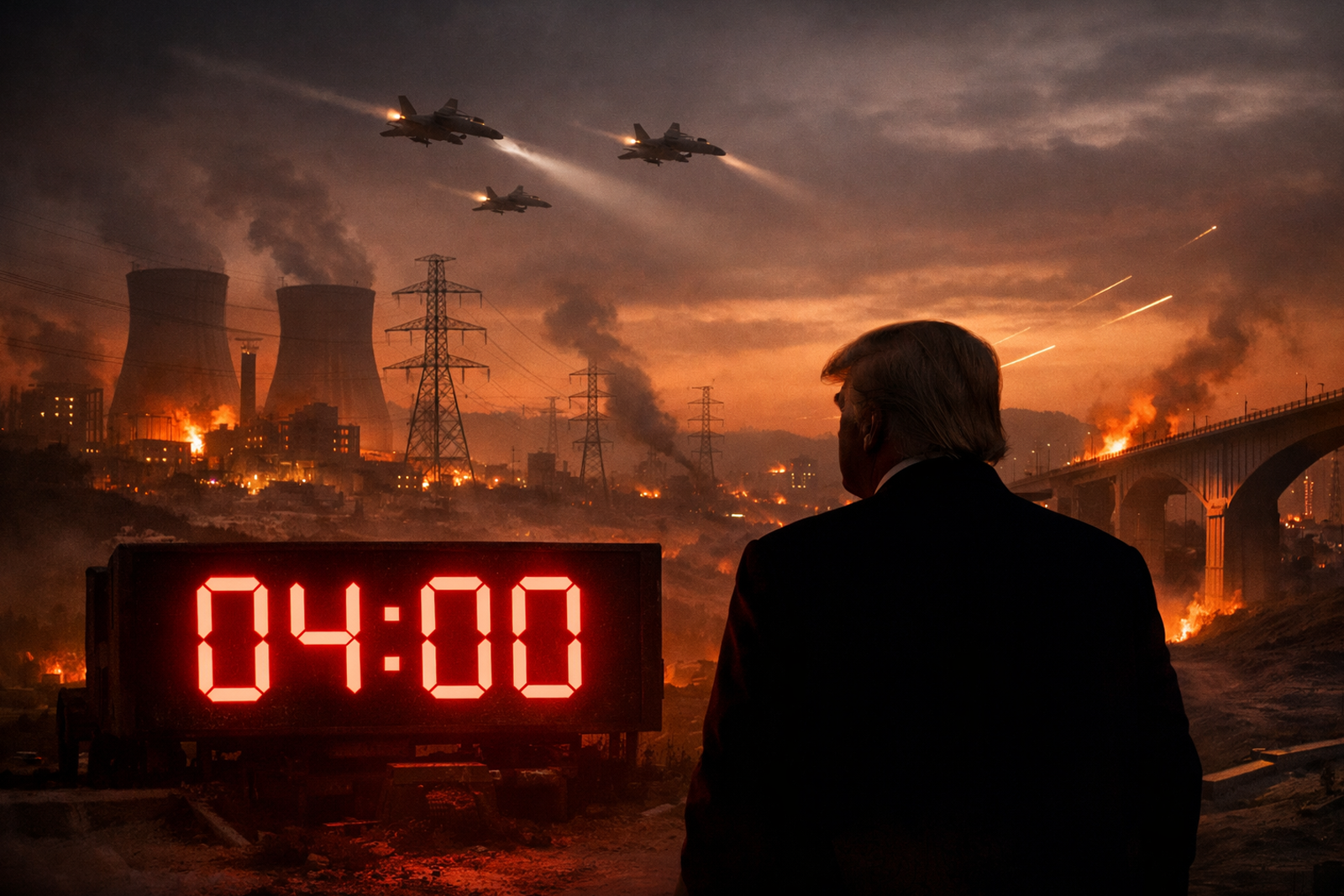
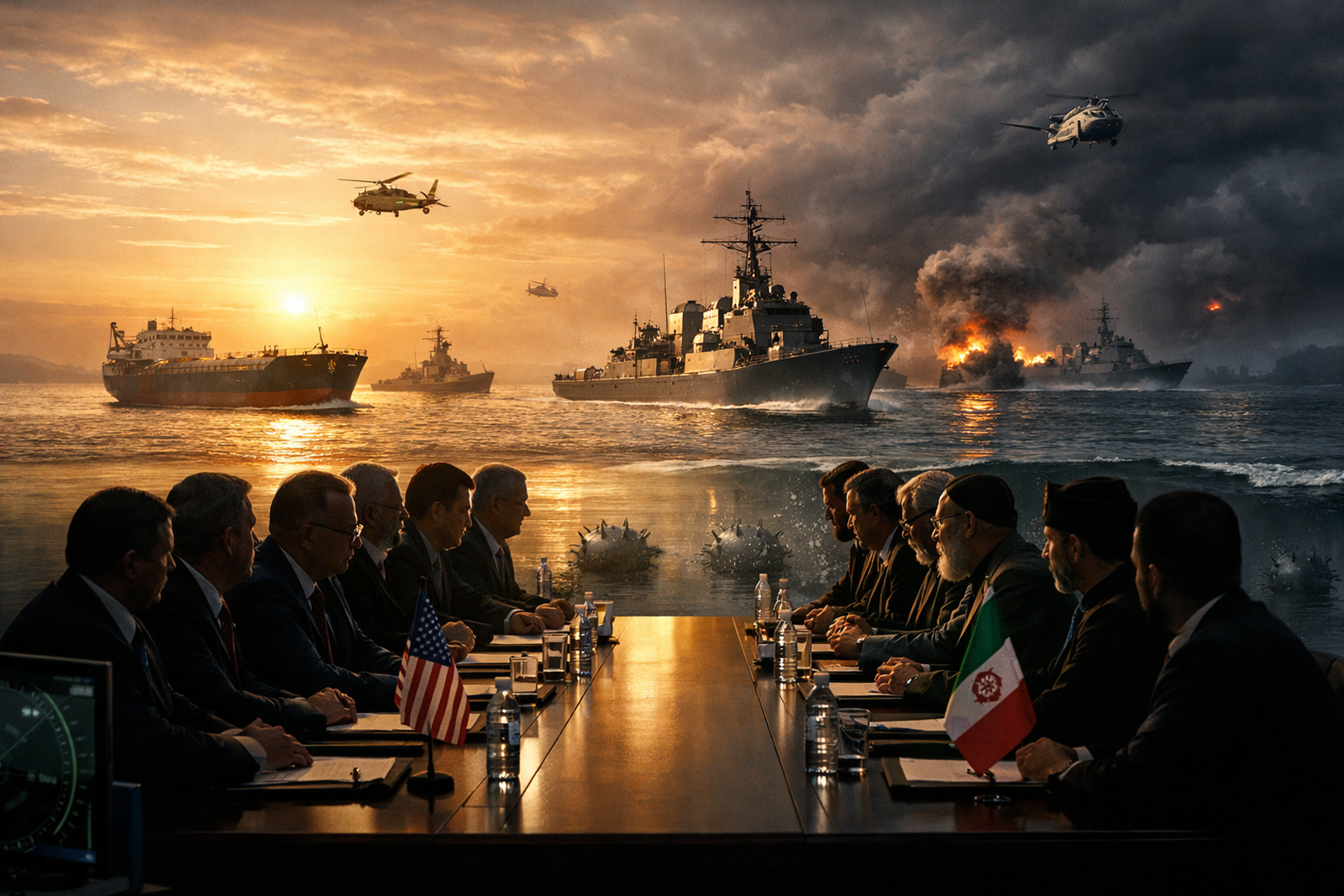
Trump Vows U.S. Response After Iran Downs Apache Helicopter Amid Escalating West Asia Crisis
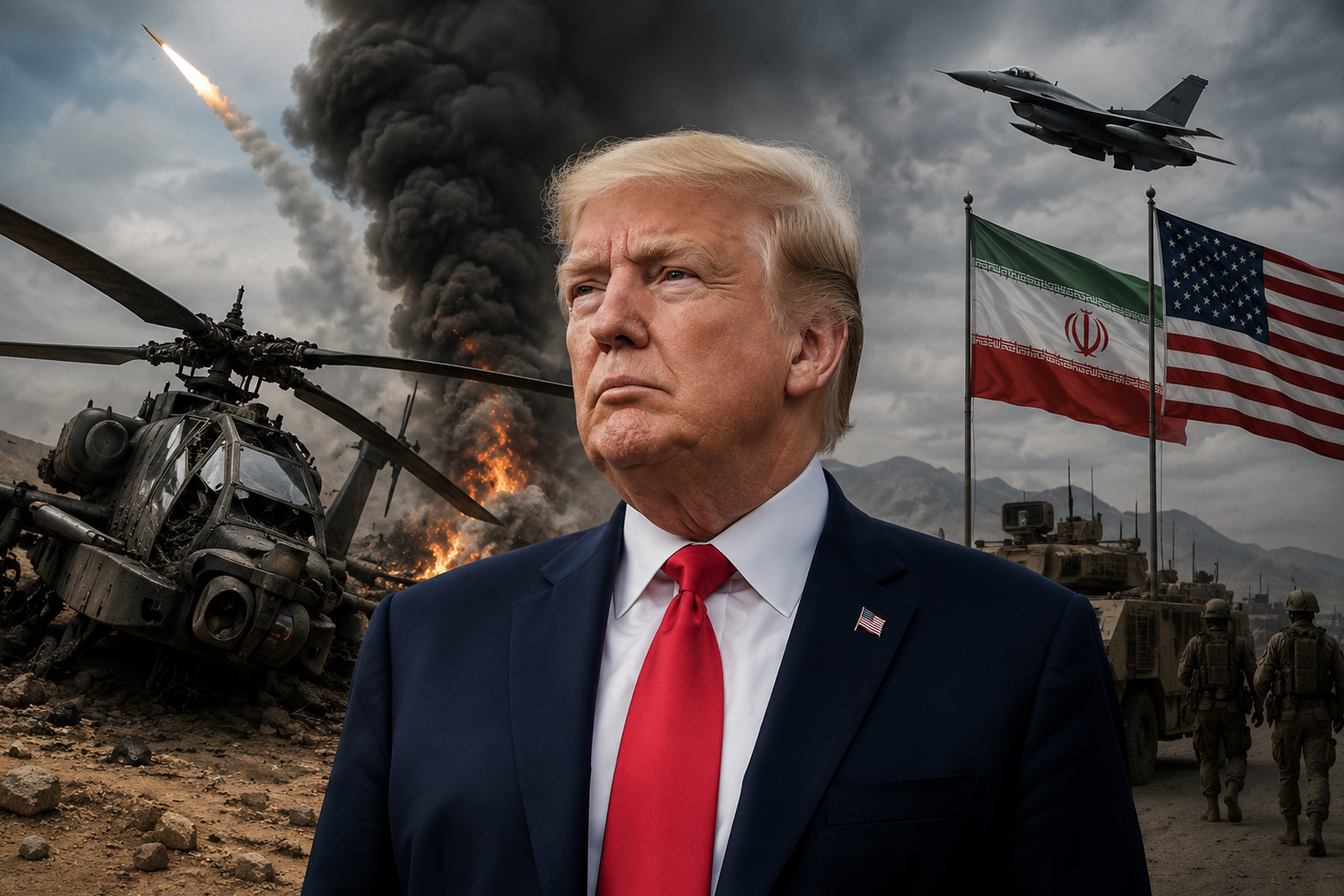
Trump Signals Strong U.S. Response After Iran Downs Apache Helicopter
Rising Tensions Shake West Asia
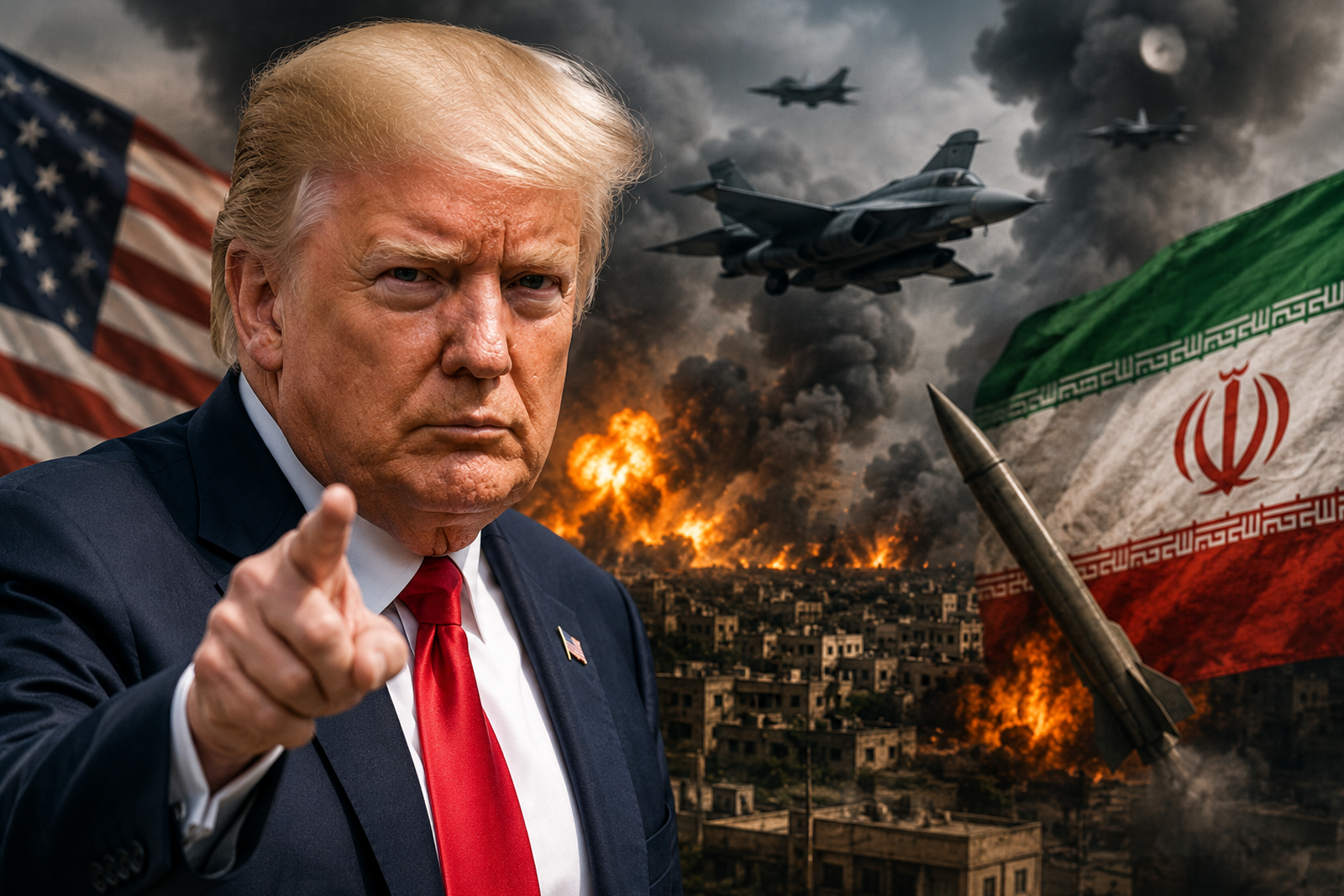
West Asia is once again at the center of global attention after a dramatic escalation involving the United States and Iran. The situation intensified when reports emerged that an American Apache helicopter had been brought down during ongoing military tensions in the region. In response, U.S. President Donald Trump stated that the United States “must” react to the incident, signaling a tougher stance against Tehran.
The development has sparked concerns among world leaders, security experts, and international organizations, who fear that the confrontation could trigger a wider regional conflict. With both nations maintaining strong military capabilities and strategic interests in the area, the latest episode has added uncertainty to an already fragile geopolitical landscape.
Incident Raises Security Concerns
According to initial reports, the Apache helicopter was operating in a sensitive zone connected to the ongoing military activities in West Asia when it was targeted. While details surrounding the exact circumstances remain limited, the incident has become a major point of contention between Washington and Tehran.
Military analysts note that attacks involving advanced aircraft often carry significant political and strategic consequences. Such incidents can influence diplomatic relations, military planning, and regional security calculations.
Trump’s Message Signals Firm Position
President Trump’s remarks have drawn widespread attention. By emphasizing that the United States “must” respond, he indicated that Washington views the incident as a serious challenge. Although no specific course of action has been officially announced, the statement suggests that the U.S. administration is considering measures to protect its interests and military assets.
The comments have also prompted discussions among allies and international partners regarding potential responses and efforts to prevent further escalation.
Global Community Calls for Restraint
As tensions rise, several countries have urged both sides to exercise caution.
Energy markets and international investors are also closely monitoring developments, as instability in West Asia can have far-reaching effects on global trade and oil supplies.
What Lies Ahead?
The downing of the Apache helicopter marks another significant chapter in the complex relationship between the United States and Iran. Whether the situation leads to diplomatic engagement or further military actions remains uncertain. For now, the world is watching closely as leaders assess their next moves in a region that continues to play a crucial role in global security and economic stability.

Trump Warns of U.S. Action After Iran Downs Apache Helicopter: West Asia Faces a New Security Challenge
A fresh wave of tension has swept across West Asia after reports that Iran brought down a U.S. Apache helicopter during ongoing military operations in the region. The incident has quickly become a major international issue, drawing reactions from governments, defense experts, and global organizations. U.S. President Donald Trump responded strongly, stating that America “must” take action following the attack.
The development comes at a time when relations between Washington and Tehran are already strained by disputes over regional influence, military activity, and security concerns. With both countries possessing significant military capabilities, the latest confrontation has raised fears of a broader crisis that could affect not only West Asia but also global economic and political stability.
A Significant Military Incident
The reported downing of the Apache helicopter represents more than a battlefield event. Military aircraft are among the most valuable assets in modern defense operations, and attacks against them often carry strategic and political implications.
The Apache helicopter is widely recognized for its advanced combat capabilities, including surveillance, reconnaissance, and precision-strike operations. Any successful attack on such an aircraft immediately becomes a matter of national security and military concern.
Defense analysts believe that incidents involving high-value military equipment can alter operational strategies and influence diplomatic relations. The event has therefore attracted considerable attention from military planners around the world.
Trump’s Strong Response
President Donald Trump reacted swiftly to the reports, emphasizing that the United States cannot ignore the incident. His statement that the U.S. “must” respond has been interpreted as a signal that Washington is considering options to address what it views as a direct challenge.
The statement also serves as a message to allies and adversaries alike that the United States intends to defend its interests and military personnel.
Political observers note that strong presidential rhetoric often plays a role in shaping diplomatic negotiations and military planning during periods of international tension.
Why the Incident Matters
Several factors make this development particularly significant:
1. Military Prestige
The loss of a sophisticated military platform can affect perceptions of strength and deterrence. Nations often seek to demonstrate that attacks on their assets will not go unanswered.
2. Regional Stability
West Asia remains one of the world's most strategically important regions. Any confrontation involving major powers has the potential to disrupt regional peace.
3. Global Security Concerns
The involvement of advanced military systems increases the risk of further escalation and could draw additional countries into the situation.
4. Diplomatic Consequences
The incident may influence ongoing diplomatic efforts and complicate negotiations involving regional security arrangements.
Impact on West Asia
The latest development arrives amid an already fragile security environment. Several conflicts, political rivalries, and security challenges continue to shape the region.
Experts warn that any increase in military activity could create additional pressure on neighboring countries. Governments across the region are closely monitoring developments and assessing the potential consequences for their national security.
Many nations are expected to strengthen surveillance measures and review defense preparedness as tensions continue to rise.
International Reactions
Calls for Restraint
Several governments have urged both Washington and Tehran to avoid actions that could worsen the situation. Diplomatic channels remain active as international leaders seek ways to prevent further escalation.
Concern Among Allies
Countries allied with the United States are paying close attention to developments. Many are evaluating how a potential American response could affect regional security dynamics.
Global Organizations Monitoring the Situation
International institutions continue to monitor events closely. Their primary concern is preventing a wider conflict that could threaten civilian populations and regional stability.
Economic Implications
Oil Market Sensitivity
West Asia plays a crucial role in global energy production and transportation. Any military confrontation in the region often affects oil prices and market confidence.
Traders and investors are watching the situation carefully, anticipating possible disruptions to energy supplies if tensions continue to grow.
Investor Concerns
Periods of geopolitical uncertainty can influence global financial markets. Investors tend to seek safer assets when security risks increase, creating volatility in international markets.
Shipping and Trade Routes
Several key maritime routes pass through strategically important waters in and around West Asia. Any security threat in these areas could impact global shipping operations and international commerce.
Possible U.S. Options
While Washington has not officially outlined its next steps, analysts suggest several possible approaches:
Diplomatic Measures
The United States could pursue international consultations and work with allies to increase pressure through diplomatic channels.
Economic Actions
Additional sanctions or economic restrictions may be considered as part of a broader response strategy.
Military Posturing
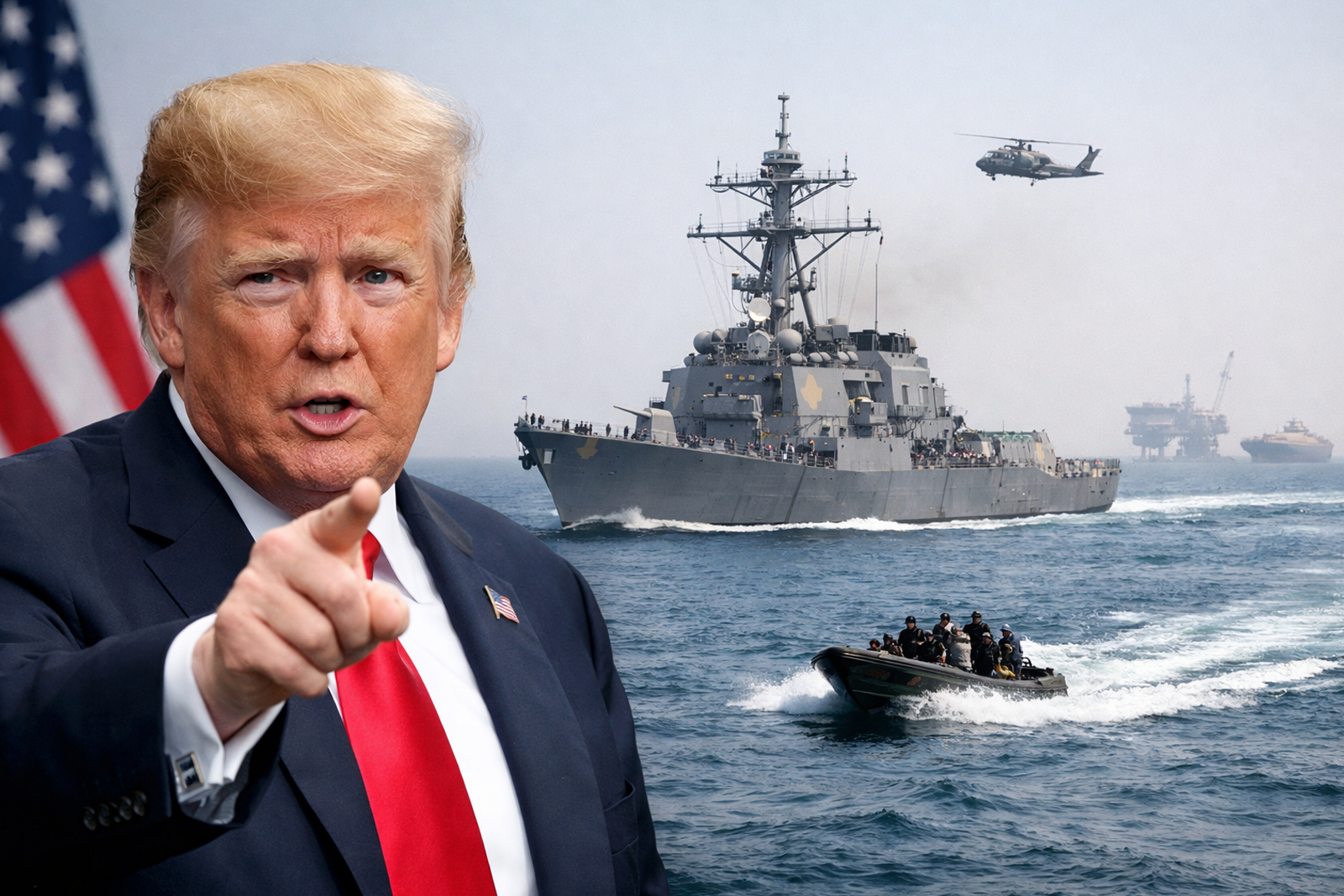
The U.S. could increase its military presence in strategic locations to demonstrate readiness and deter further attacks.
Defensive Operations
Security measures aimed at protecting military personnel and assets may be expanded throughout the region.
Iran’s Strategic Position
Iran has long emphasized its ability to defend its territory and interests. The country views regional security issues through the lens of national sovereignty and strategic deterrence.
Tehran's actions are often influenced by broader regional considerations, including alliances, security concerns, and geopolitical competition. As a result, any response from either side may have consequences that extend beyond the immediate incident.
Risk of Escalation
One of the biggest concerns among security experts is the possibility of a cycle of retaliation. History has shown that isolated military incidents can sometimes lead to broader confrontations if diplomatic efforts fail.
Potential risks include:
-
Increased military deployments
-
Additional aerial or naval incidents
-
Cybersecurity confrontations
-
Disruptions to international trade routes
-
Rising tensions among regional allies
Preventing such outcomes remains a priority for governments and international organizations.
The Role of Diplomacy
Despite the strong rhetoric surrounding the incident, diplomacy remains a critical tool for managing crises. Communication channels between governments, allies, and international organizations can help reduce misunderstandings and prevent unintended escalation.
Many analysts believe that sustained diplomatic engagement will be essential to maintaining regional stability and avoiding a wider conflict.
What Happens Next?
The coming days are expected to be crucial. Governments, military officials, and international observers will closely monitor developments for signs of either escalation or de-escalation.
Key questions include:
-
Will the United States announce specific response measures?
-
How will Iran react to American statements?
-
Can diplomatic efforts reduce tensions?
-
What impact will the crisis have on regional security?
-
How will global markets respond to continued uncertainty?
The answers to these questions could shape the future of West Asia and influence international relations far beyond the region.
Conclusion
The reported downing of a U.S. Apache helicopter by Iran has become one of the most significant security developments in West Asia in recent months. President Donald Trump’s declaration that the United States “must” respond has intensified global attention and raised concerns about the potential for further confrontation.
While military, diplomatic, and economic factors continue to evolve, one thing is clear: the incident has added a new layer of uncertainty to an already complex regional landscape. As nations assess their options and diplomatic efforts continue, the world will be watching closely to see whether the crisis moves toward confrontation or dialogue.

Soojin DasJournalist
Soojin Das is a dedicated journalist with a strong focus on public affairs, governance, and grassroots reporting. With a passion for uncovering stories that matter, she brings clarity, accuracy, and depth to complex issues shaping communities across India. Her reporting spans politics, social development, education, and local civic concerns, giving readers a balanced and well-researched perspective.
Known for her sharp news sense and ethical approach to journalism, Anita combines on-ground reporting with data-driven analysis and compelling storytelling. She has covered major policy announcements, elections, disaster response efforts, and community-led initiatives, ensuring that audiences receive timely and trustworthy information.
Anita believes journalism plays a vital role in strengthening democracy and amplifying under-represented voices. Through interviews, investigative pieces, and human-interest stories, she aims to inform, engage, and empower readers.
When not in the field, she closely follows media innovation and digital storytelling trends, continually refining her craft to meet the evolving needs of modern newsrooms.