- Loading...
- Loading...


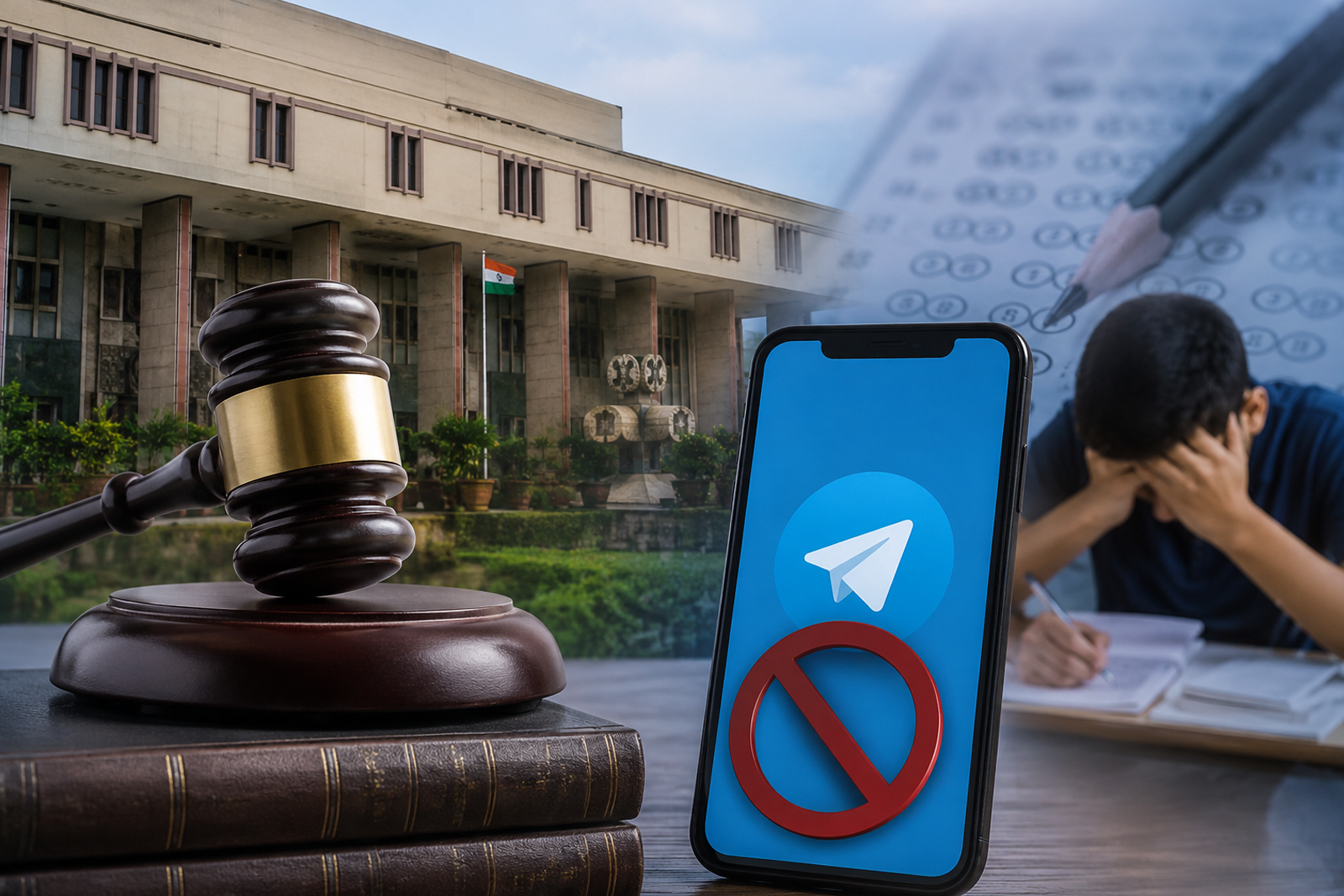
Telegram has approached the Delhi High Court against the Centre’s temporary restrictions on the platform imposed amid concerns over the alleged NEET examination paper leak. The move has triggered a significant debate over digital platform accountability, user rights, and the government's authority to regulate online communication services during sensitive investigations.
The messaging platform has filed a petition questioning the legality and proportionality of the temporary ban. According to the company, restricting access to the entire platform affects millions of users who rely on Telegram for education, business communication, and daily interactions. The company has argued that any action taken against a digital service should be targeted and based on clear evidence rather than broad restrictions.
The petition requests the court to review whether the temporary measures comply with existing legal provisions and constitutional protections related to freedom of expression and access to information.
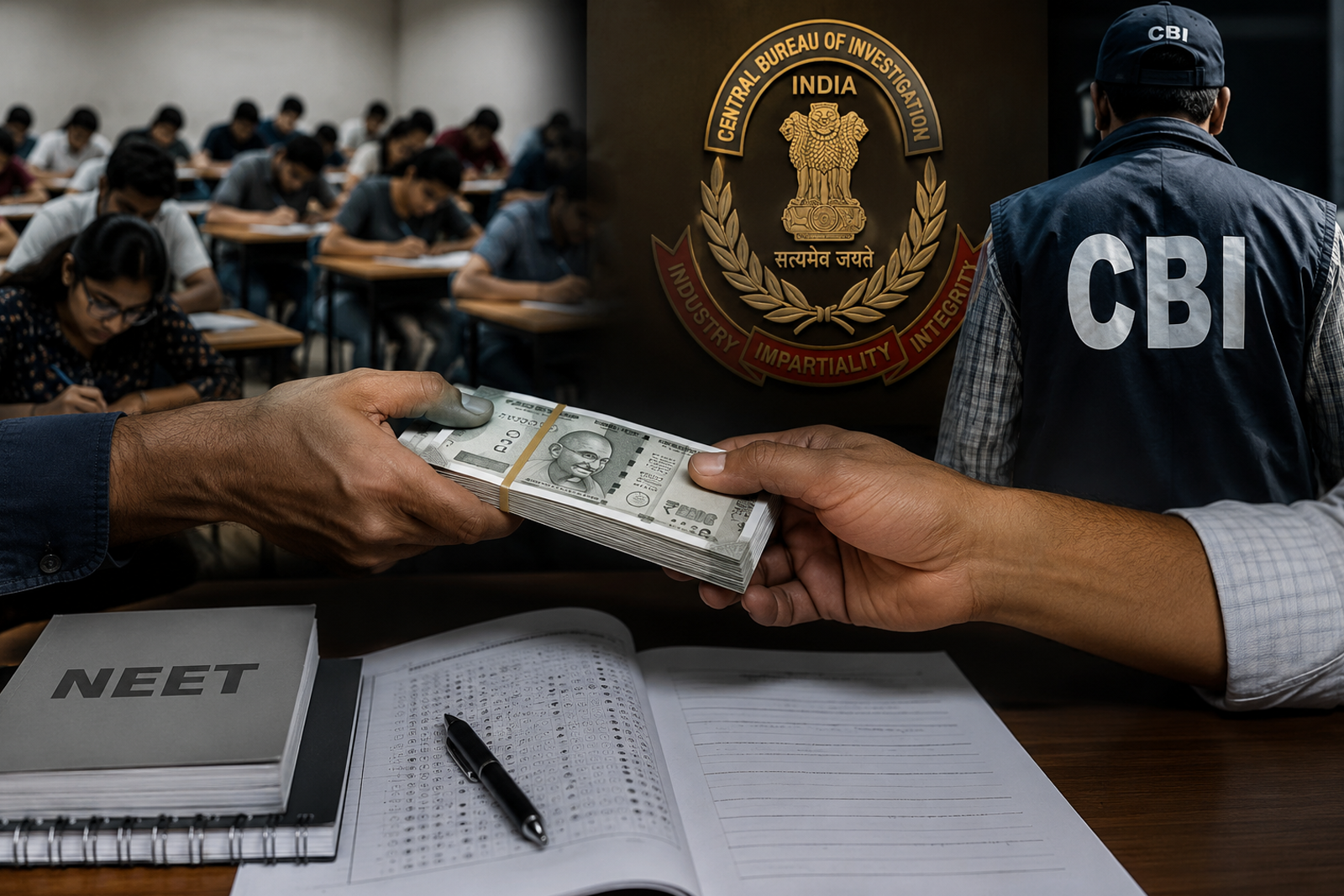
The National Eligibility-cum-Entrance Test (NEET), one of India's most important medical entrance examinations, has been at the center of controversy following allegations of a paper leak. Investigating agencies have been examining various online channels and communication platforms that may have been used to circulate unauthorized exam-related material.
Authorities reportedly raised concerns that certain groups operating through messaging applications were involved in sharing sensitive information connected to the examination process. As part of precautionary measures, temporary restrictions were introduced on Telegram.
The case highlights the growing challenge governments face in balancing public interest and digital freedoms. While authorities emphasize the need to prevent the misuse of online platforms for illegal activities, technology companies argue that blanket restrictions can disrupt legitimate communication and impact innocent users.
Legal experts believe the court's observations could influence future decisions involving social media and messaging services during investigations involving cybercrime, examination fraud, and national security concerns.
The Delhi High Court is expected to examine the arguments presented by both sides before determining whether the restrictions should continue or be modified. The proceedings are likely to be closely watched by technology companies, legal observers, educational institutions, and millions of users across the country.
As the case unfolds, it may set an important precedent for how India addresses the responsibilities of digital platforms while safeguarding user rights in an increasingly connected world.
Telegram, one of the world's most widely used messaging platforms, has approached the Delhi High Court challenging the Centre’s temporary restrictions imposed in connection with the investigation into the alleged NEET examination paper leak. The legal move has brought renewed attention to the complex relationship between digital platforms, government regulation, and the need to maintain the integrity of major national examinations.
The case is expected to have implications beyond Telegram itself, potentially influencing how authorities deal with online platforms during future investigations involving educational fraud, cybersecurity concerns, and public interest matters.
Authorities launched investigations after allegations emerged that confidential NEET-related material had been circulated through various digital channels. Investigators sought to identify the sources of the leak, track the movement of information, and determine whether organized networks were involved.
According to reports, concerns were raised that messaging applications could have been used to distribute exam-related content before or during the examination process. As a precautionary measure, temporary restrictions were imposed to support the investigation and prevent further circulation of potentially unauthorized material.
Government agencies have maintained that protecting the credibility of competitive examinations is a matter of national importance, especially when millions of students compete for limited seats in medical institutions.
Telegram has challenged the restrictions, arguing that a complete or broad limitation on access affects a vast number of users who have no connection to the alleged wrongdoing.
Telegram has reportedly emphasized that individual channels or groups involved in illegal activity can be targeted without restricting access to the wider user base.
The National Eligibility-cum-Entrance Test (NEET) is among the most significant examinations conducted in India.
Because of its importance, any allegation involving leaks, malpractice, or unfair advantages attracts widespread public attention and demands immediate action from authorities.
The controversy has reignited discussions about the role of technology platforms in preventing misuse.
Modern messaging services offer features such as:
While these features provide convenience and privacy, they can also complicate investigations when illegal activities are suspected.
Authorities worldwide increasingly face the challenge of balancing digital innovation with public safety and regulatory oversight.
The petition filed by Telegram raises several important legal issues.
The court may examine whether restricting access to an entire platform is a proportionate response when only specific users or groups are under investigation.
Millions of individuals rely on digital communication platforms for legitimate purposes. The court may consider the impact of restrictions on ordinary users.
Another key issue involves determining the extent of the government's authority to impose temporary restrictions during ongoing investigations.
The proceedings may also explore the responsibilities of digital platforms in assisting investigations and preventing misuse.
Telegram is widely used within academic circles.
Any interruption in service can affect students who depend on the platform for educational resources and communication.
Educational experts argue that while exam integrity must be protected, measures should be carefully designed to minimize disruption for genuine users.
The case has attracted attention from technology companies operating in India.
A judicial decision in this matter could influence:
Many observers believe the outcome could serve as a reference point for future disputes involving technology companies and government authorities.
The Telegram case highlights a broader challenge faced by governments worldwide.
Authorities argue that:
Technology advocates argue that:
Finding a balance between these competing concerns remains one of the central issues in modern governance.
The Delhi High Court could consider several possible approaches.
The court may decide that temporary measures are justified while investigations continue.
Judges could direct authorities to adopt a more targeted approach focusing on specific channels or accounts.
If the court finds the action excessive or unsupported, it could order the restrictions to be lifted.
The proceedings may also result in recommendations or guidelines governing future actions involving digital platforms.
India is one of the world's largest digital markets, with millions of users relying on online communication services every day.
The outcome of the Telegram case could influence:
As online communication becomes increasingly central to daily life, courts are often required to address complex questions involving technology, law, and public policy.
Telegram’s decision to challenge the Centre’s temporary restrictions before the Delhi High Court has transformed the NEET leak controversy into a significant legal and technological debate. While authorities emphasize the need to preserve the integrity of competitive examinations and investigate alleged wrongdoing, the platform argues that broad restrictions affect millions of legitimate users and may exceed what is necessary for an effective investigation.
The case is expected to be closely followed by students, educators, technology companies, legal experts, and policymakers. Beyond the immediate dispute, the court’s decision could help define how India balances digital freedom, platform accountability, and public interest in the years ahead.

In today’s world of endless choices and digital noise, marketing is no longer just about promoting products — it’s about creating meaningful connections. Successful brands focus on building relationships rather than chasing transactions. Marketing that connects transforms audiences into loyal communities by earning their trust, understanding their needs, and delivering genuine value. When businesses prioritize people over promotions, marketing becomes more than strategy — it becomes a relationship built to last.

Odisha’s small businesses are entering a new era — where mobile apps, online payments, and e-commerce aren’t luxuries, but lifelines for growth and survival.

As India enters the second phase of its digital revolution, artificial intelligence and automation are not just transforming industries—they’re redefining what it means to work, earn, and adapt.

The conference brought together officials from ten central districts, including district collectors, tehsildars, registrars, and welfare officers, either virtually or in person.

We glorified sleepless nights, burnout, and exhaustion as signs of ambition. But when did working yourself to the edge become the definition of success?

Not everyone who thrives in tech writes code. Some design the very experiences that make technology human.





Leave Comments