- Loading...
- Loading...


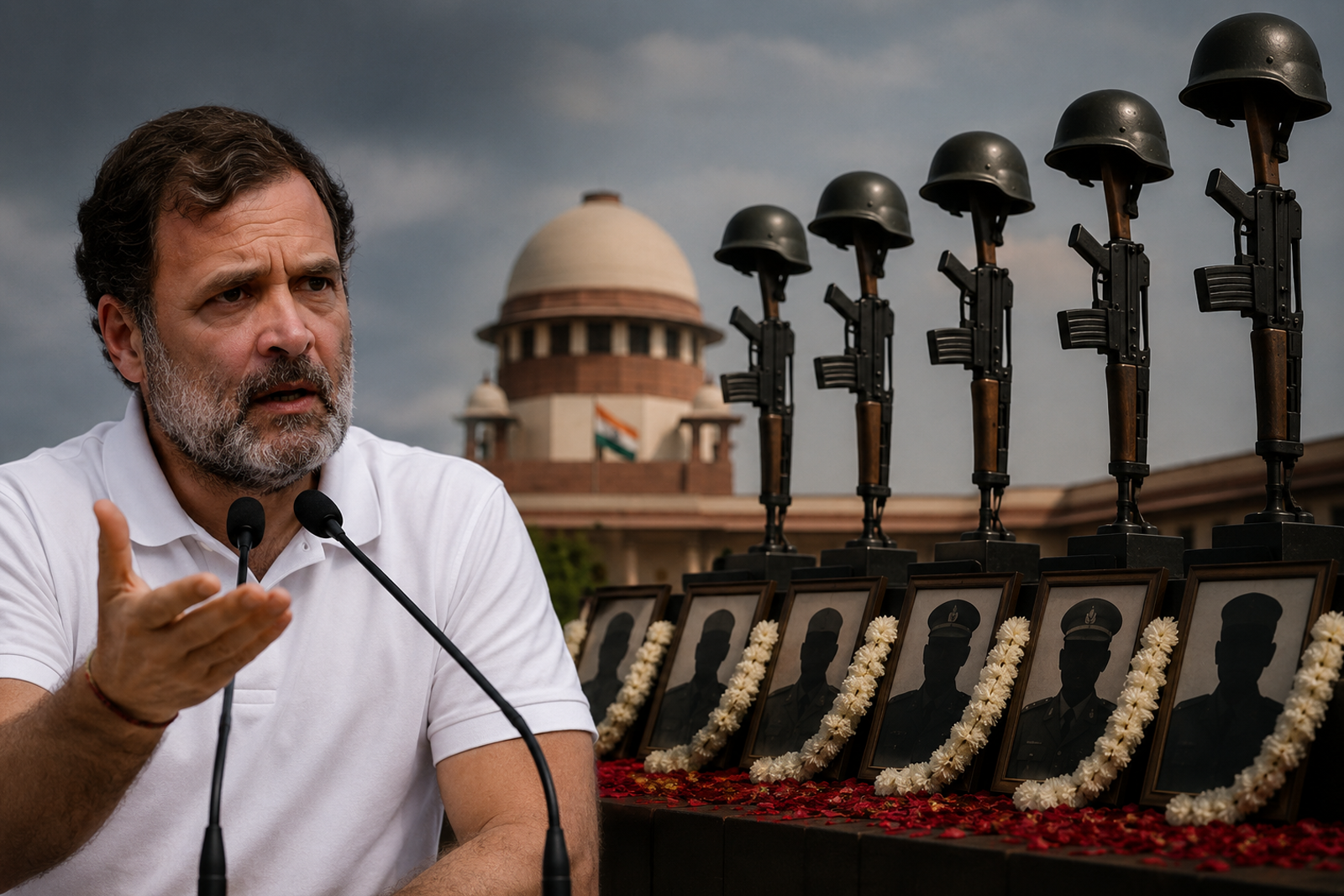
A fresh political controversy has emerged after the Congress criticised the Central government for allegedly taking nearly a year to officially acknowledge six security personnel who lost their lives during Operation Sindoor. The opposition party claimed that the delay undermined the sacrifices made by the fallen personnel and raised concerns about transparency in handling matters related to national security and military operations.
According to the Congress, the families of the deceased deserved prompt recognition and clear communication from the government. Party leaders argued that honouring those who sacrificed their lives while serving the nation should never be delayed, regardless of administrative procedures or operational sensitivities. They maintained that timely acknowledgment is an essential gesture of respect toward both the martyrs and their families.
The opposition has also sought an explanation for why the official confirmation came after such a long interval. Congress leaders questioned whether the delay resulted from bureaucratic processes or whether there were other reasons behind the government's decision to withhold public acknowledgement.
The party stressed that citizens have the right to know when members of the armed forces make the ultimate sacrifice in the line of duty, while also recognising that certain operational details may remain confidential for security reasons.
As the issue gained political attention, the Centre had not issued a detailed response addressing the allegations surrounding the delay. Government officials have often maintained that announcements related to military operations are made after considering operational security, verification procedures, and the interests of the armed forces.
Defence-related matters frequently involve classified information, and official statements are sometimes released only after completing internal documentation and communication with the families concerned.
Despite the political disagreement, there is broad consensus across the political spectrum that the sacrifices of military personnel deserve the nation's highest respect. The debate has shifted focus toward the importance of balancing national security with transparency and ensuring that the families of fallen personnel receive timely recognition and institutional support.
As calls for clarification continue, the issue has sparked a wider discussion about how governments communicate military casualties and commemorate those who give their lives in service to the country. Whether the Centre offers a detailed explanation in the coming days may determine how the controversy unfolds, but the courage and dedication of the six Operation Sindoor martyrs remain beyond political debate.
A political debate has surfaced after the Congress accused the Central government of taking nearly a year to officially acknowledge six personnel who lost their lives during Operation Sindoor. The opposition described the delay as unacceptable, arguing that the sacrifices of soldiers and security personnel deserve immediate recognition and public respect. The issue has triggered a wider conversation on transparency, government communication, and the importance of honouring those who lay down their lives in the service of the nation.
While the Centre has yet to provide a detailed explanation regarding the timeline of the acknowledgement, the controversy has drawn attention from political leaders, veterans, and citizens alike. At the heart of the debate lies a common sentiment—that the contribution of the country's defenders should never be overlooked or delayed.
Congress leaders expressed concern that the official acknowledgement of the six personnel came almost a year after the operation. According to the party, families of the deceased should not have had to wait for formal recognition of their loved ones' sacrifice.
The opposition maintained that prompt acknowledgement is not merely a procedural step but a moral obligation. It argued that every soldier or security personnel who dies while protecting the country deserves immediate respect, public gratitude, and institutional recognition.
Party representatives also questioned whether administrative delays or other factors contributed to the prolonged silence. They demanded greater clarity from the government regarding the process followed before making the official announcement.
Recognising the sacrifice of military personnel carries deep emotional and national significance. Beyond medals and ceremonies, official acknowledgement reassures families that the nation values the courage and commitment of those who served.
Timely recognition is important because it:
Many defence experts believe that while operational secrecy may delay certain details, recognition of sacrifice should be handled with compassion and efficiency whenever security considerations permit.
Military operations often involve classified information. Governments across the world routinely delay releasing operational details to protect ongoing missions, intelligence sources, or strategic interests.
However, critics argue that operational secrecy and acknowledgement of casualties are separate issues. While tactical information can remain confidential, recognising personnel who made the ultimate sacrifice can often be managed without compromising national security.
This distinction has become a central point in the current political debate.
Although no comprehensive statement has been issued regarding the specific allegations, government agencies generally follow established procedures before confirming casualties linked to sensitive operations.
These procedures may include:
Officials often state that such steps are intended to ensure accuracy while protecting operational interests.
Families of military personnel endure immense emotional hardship when they lose a loved one in service. Formal acknowledgement from the government represents more than an announcement—it is a symbol of national gratitude.
Delayed recognition can create uncertainty and emotional distress, particularly when families await official confirmation, honours, or related benefits.
Many veteran organisations have consistently advocated for quicker communication with families and more streamlined administrative procedures in such cases.
The controversy has sparked differing political viewpoints.
Congress leaders argued that:
Supporters of the government contend that:
Transparency strengthens public confidence in democratic institutions. While defence operations cannot always be discussed openly, governments are expected to maintain accountability whenever possible.
Experts believe effective communication should include:
Maintaining this balance helps protect both national security and public trust.
Despite political disagreements, leaders across party lines generally agree that military personnel deserve the highest honour for their service.
The current debate has highlighted the need to separate political criticism from respect for the armed forces. Public discussions have largely focused on improving institutional processes rather than questioning the courage or dedication of the personnel involved.
Veterans have also urged political parties to ensure that discussions remain respectful and centred on the welfare of soldiers and their families.
The controversy extends beyond one operation. It raises broader questions about:
The discussion may encourage policymakers to review existing procedures for announcing casualties and recognising acts of bravery in future operations.
Defence analysts suggest several measures that could help avoid similar controversies:
Many citizens believe that the nation must always honour its soldiers promptly and respectfully. Public opinion often reflects two simultaneous expectations:
The discussion surrounding Operation Sindoor has reinforced the emotional bond between citizens and the country's defence forces.
The Congress's criticism over the reported one-year delay in acknowledging six Operation Sindoor martyrs has sparked a significant political and public debate. While the opposition has demanded accountability and greater transparency, supporters of the government emphasise the importance of following security protocols and verification procedures before releasing sensitive information.
Regardless of political differences, one principle remains widely accepted: the courage and sacrifice of those who lose their lives while serving the nation deserve the highest respect. As discussions continue, the controversy may lead to renewed efforts to improve communication, administrative efficiency, and support for the families of fallen personnel. Strengthening these processes can ensure that future recognition of national heroes is both timely and respectful, while continuing to protect the country's security interests.

In today’s world of endless choices and digital noise, marketing is no longer just about promoting products — it’s about creating meaningful connections. Successful brands focus on building relationships rather than chasing transactions. Marketing that connects transforms audiences into loyal communities by earning their trust, understanding their needs, and delivering genuine value. When businesses prioritize people over promotions, marketing becomes more than strategy — it becomes a relationship built to last.

Odisha’s small businesses are entering a new era — where mobile apps, online payments, and e-commerce aren’t luxuries, but lifelines for growth and survival.

As India enters the second phase of its digital revolution, artificial intelligence and automation are not just transforming industries—they’re redefining what it means to work, earn, and adapt.

The conference brought together officials from ten central districts, including district collectors, tehsildars, registrars, and welfare officers, either virtually or in person.

We glorified sleepless nights, burnout, and exhaustion as signs of ambition. But when did working yourself to the edge become the definition of success?

Not everyone who thrives in tech writes code. Some design the very experiences that make technology human.







Leave Comments