- Loading...
- Loading...



It started innocently: a few saved pins of Scandinavian interiors, minimalist desks, and cozy coffee nooks. But somewhere along the way, Pinterest-inspired “aesthetic living” transformed from a niche mood board into a global lifestyle mandate.
Today, entire identities are built on aesthetics: cottagecore, dark academia, Japandi, Y2K revival. Homes, outfits, Instagram grids—even morning routines—are designed not for function but for vibe. The phrase “that’s not aesthetic” has become both a compliment and a critique, shaping how Gen Z and millennials present themselves.
What was once a tool for inspiration has become a silent rulebook, pressuring us to transform everyday life into something Instagrammable.
The obsession with living aesthetically isn’t just about pretty pictures—it speaks to deeper psychological and social needs.
Control in Chaos: In a messy, unpredictable world, arranging your books by color or sipping coffee from a clay mug feels like taking back control.
Identity Expression: Aesthetic choices are shorthand for who we are—or who we want to be. Vintage cameras and vinyl records = old soul. All-white minimalist decor = disciplined, modern thinker.
Community and Belonging: Aesthetic tribes give people a sense of connection. Cottagecore isn’t just about lace curtains; it’s about finding your people who also dream of rural idylls.
Escapism: Soft-lit bedrooms, dreamy kitchens, and “that girl” routines provide a fantasy of life untainted by bills, deadlines, and burnout.
But when “aesthetic” becomes the only lens we see through, life risks becoming less lived and more staged.
Scroll Pinterest or TikTok, and you’ll find endless “aesthetic must-haves”: Stanley tumblers, cloud couches, Dyson Airwraps, pastel planners. What used to be inspiration is now consumer expectation.
The Pinterest-to-Product Pipeline: Brands have mastered the art of selling “aesthetic living.” A beige water bottle isn’t just hydration—it’s a lifestyle purchase.
The Rise of Lifestyle Micro-Influencers: Everyday people post meticulously curated routines—Sunday resets, journaling corners, skincare shelves—that fuel the pressure to replicate.
Algorithmic Reinforcement: The more you engage with “aesthetic” content, the more it floods your feed, convincing you this is the “right” way to live.
The result? A cycle where aesthetics drive consumption, and consumption fuels identity.
Aesthetic living may look peaceful, but its underbelly tells another story.
Financial Pressure: The endless chase for “aesthetic” objects—from kitchen mixers to wardrobe staples—normalizes unnecessary spending.
Mental Burnout: The pressure to constantly curate every corner of life leads to stress: is my home Instagram-worthy enough?
Authenticity Erosion: When everything is curated, raw moments—messy hair, mismatched plates, an unmade bed—feel like failures instead of life.
Homogenization of Taste: Ironically, the more people chase uniqueness through aesthetics, the more everyone ends up living in the same beige apartments with the same bamboo cutting boards.
The obsession with aesthetic living doesn’t have to be all bad. Done mindfully, it can spark creativity, inspire intentional living, and make environments more soothing. The key lies in balance.
Curation vs. Creation: Use aesthetics as inspiration, not a checklist. Ask: does this object/routine/space truly serve me, or am I doing it for the photo?
Redefining Beauty: Embrace imperfect aesthetics—the cluttered, the quirky, the personal—as equally worthy of admiration.
Slowing Consumption: Instead of buying the next “aesthetic” product, find joy in reusing, upcycling, or creating. True aesthetic living might mean aligning beauty with sustainability.
Owning Your Narrative: Aesthetic living shouldn’t be about impressing an algorithm—it should be about what feels authentic to your soul.
By 2030, “aesthetic living” may evolve beyond Pinterest-core minimalism into something more fluid and personalized. AI-generated mood boards could predict your “next vibe,” while augmented reality might let you preview how your home looks in different aesthetics.
But the question will remain: are we shaping aesthetics, or are aesthetics shaping us?
If aesthetic living becomes about enhancing life rather than staging it, maybe we’ll finally learn that the most beautiful moments are often the ones that never make it to the feed.

In today’s world of endless choices and digital noise, marketing is no longer just about promoting products — it’s about creating meaningful connections. Successful brands focus on building relationships rather than chasing transactions. Marketing that connects transforms audiences into loyal communities by earning their trust, understanding their needs, and delivering genuine value. When businesses prioritize people over promotions, marketing becomes more than strategy — it becomes a relationship built to last.
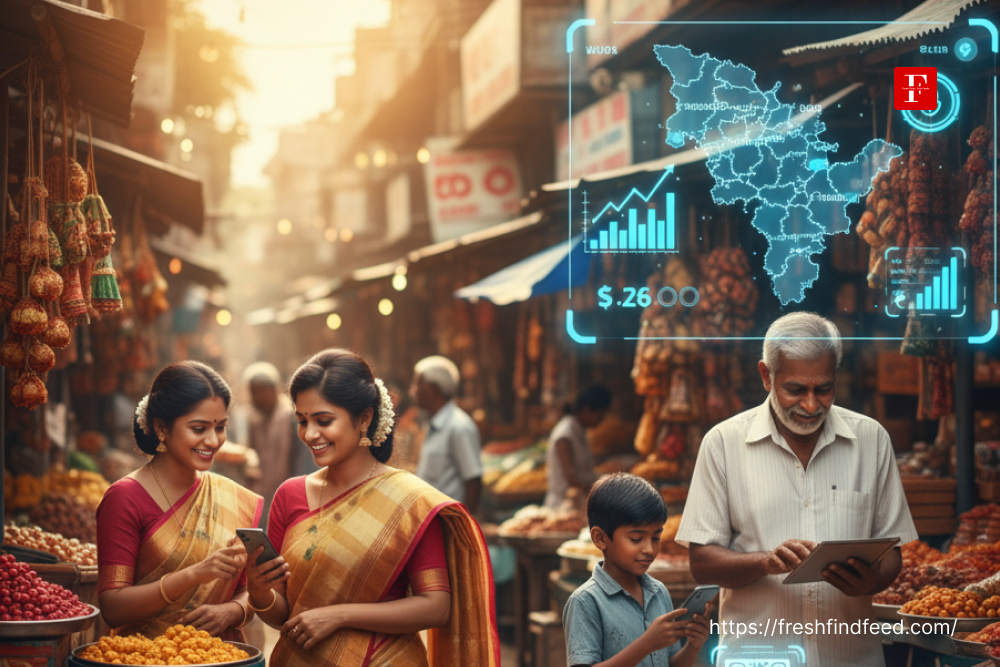
Odisha’s small businesses are entering a new era — where mobile apps, online payments, and e-commerce aren’t luxuries, but lifelines for growth and survival.

As India enters the second phase of its digital revolution, artificial intelligence and automation are not just transforming industries—they’re redefining what it means to work, earn, and adapt.

The conference brought together officials from ten central districts, including district collectors, tehsildars, registrars, and welfare officers, either virtually or in person.

We glorified sleepless nights, burnout, and exhaustion as signs of ambition. But when did working yourself to the edge become the definition of success?

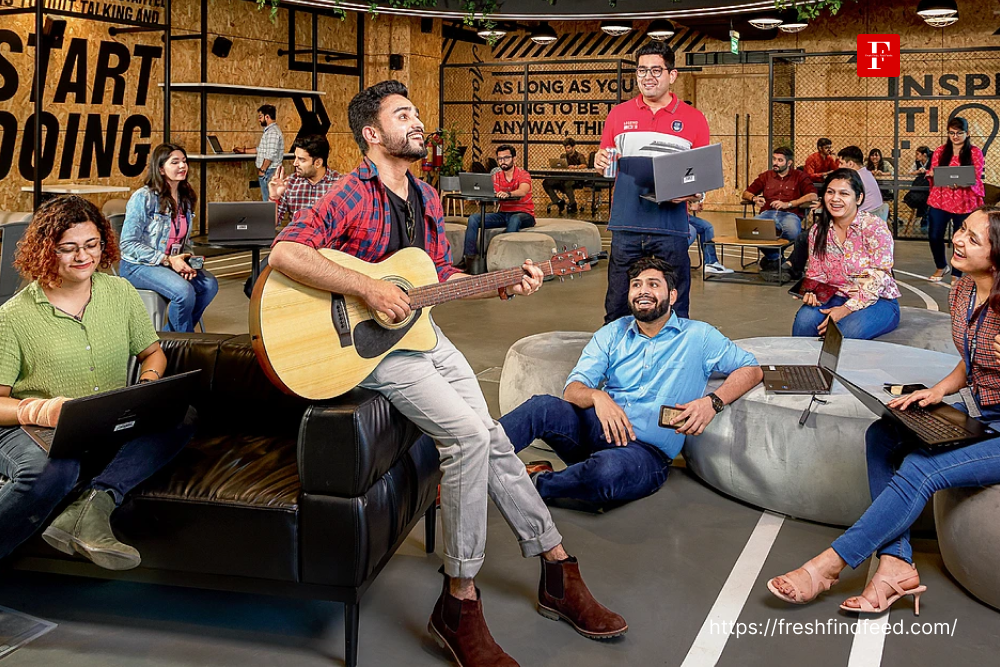
Not everyone who thrives in tech writes code. Some design the very experiences that make technology human.







Leave Comments