Introduction
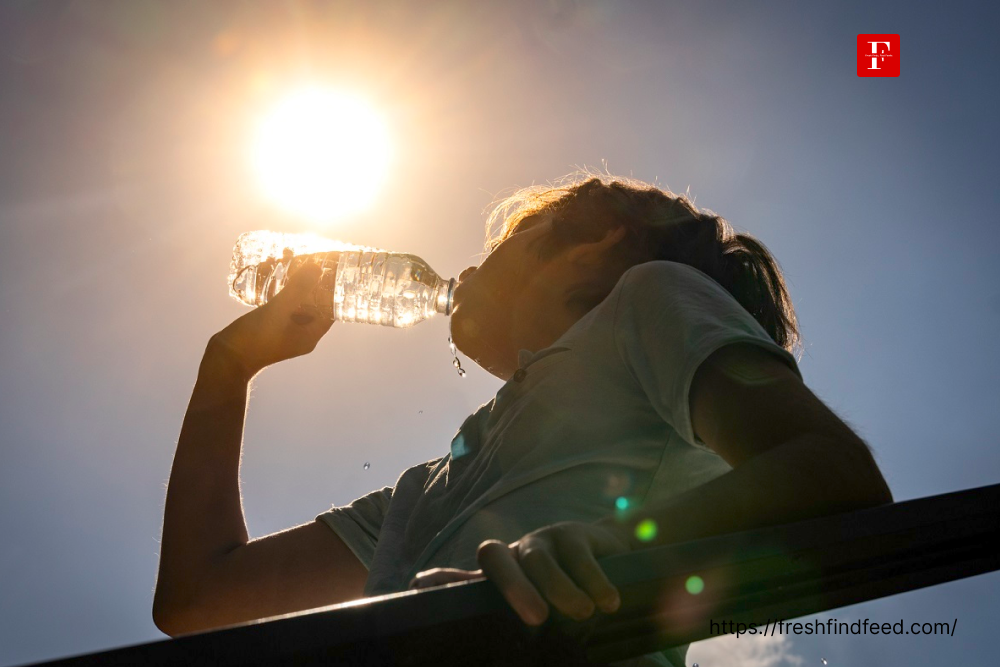
In 2025, heatwaves have become the new normal. Cities from Delhi to Dallas are recording temperatures once thought unimaginable, while rural areas struggle with parched soil and failing crops. But beyond weather charts and climate warnings, there’s a deeper transformation happening: the way we live and eat is being rewritten by rising heat.
From what we put on our plates to how we design our homes, from the daily rhythms of work to the festivals we celebrate, the heat is quietly reshaping modern life. This is not just a climate story — it’s a cultural, social, and survival story.
Section 1: Heatwaves in 2025 — The New Normal
-
Global context: 2025 has already broken multiple global heat records, with South Asia, the Middle East, and parts of Europe reporting temperatures above 50°C (122°F).
-
India’s urban heat islands: Cities like Delhi, Ahmedabad, and Hyderabad are recording heat indexes higher than surrounding rural areas due to concrete density.
-
Health toll: Heatstroke, dehydration, and cardiovascular stress are now leading causes of seasonal hospitalizations.
-
Economic costs: Productivity loss from extreme heat is costing countries billions annually.
The heatwave horror is no longer a rare event — it’s life-defining.
Section 2: How Heatwaves Are Changing What We Eat
-
Shift to Lighter Foods
-
Heavy curries and oily dishes are being replaced with salads, cold bowls, smoothies, and yogurt-based meals.
-
Street food vendors are adapting by offering more juices, lassis, and cold chaats.
-
-
Decline in Meat Consumption
-
Meat spoils faster in heat, raising safety risks.
-
Vegetarian and plant-based diets see a boost in popularity during peak summers.
-
-
Hydration-Driven Diets
-
Coconut water, buttermilk, infused waters, and electrolyte-rich drinks dominate.
-
Seasonal fruits like watermelon, cucumber, and mangoes are consumed in higher volumes.
-
-
Supply Chain Disruptions
-
Heatwaves impact agriculture, reducing wheat, rice, and vegetable yields.
-
Rising costs push people toward processed, packaged foods — which ironically worsen health.
-
Section 3: How Heat Is Reshaping Daily Life
-
Work routines: Offices and factories in India and Middle East are experimenting with night shifts to avoid daytime heat.
-
Education: Schools shorten hours or shift online during peak heat months.
-
Festivals & gatherings: Outdoor celebrations shrink, with more events moving indoors or to cooler evenings.
-
Travel & mobility: Daytime street life declines; evening/night economies expand.
Section 4: Heat and Home Design — A Silent Revolution
-
Rooftop gardens & reflective paints are being adopted to combat heat absorption.
-
Architecture revival: Traditional Indian design elements like jaalis, courtyards, and verandas are making a comeback.
-
AC dependency: Air conditioners are now essential, but also strain energy grids and worsen emissions — creating a vicious cycle.
-
Urban cooling projects: Cities like Singapore and Dubai experiment with shaded walkways, mist systems, and smart cooling zones.
Section 5: Health & Lifestyle Under Fire
-
Mental health toll: Studies link prolonged heat exposure to irritability, fatigue, and depression.
-
Clothing choices: Fast fashion shifts toward breathable fabrics; cotton and linen are back in demand.
-
Fitness routines: Outdoor jogging declines; gyms see a boom in membership as people move workouts indoors.
-
Sleep disruption: Hot nights are fueling insomnia, pushing people toward cooling gadgets and apps.
Section 6: The Economic & Social Divide
-
Cooling inequality: Wealthier households use ACs and purifiers, while poorer communities rely on open windows and fans.
-
Rural vs urban: Farmers face crop failures and livestock deaths, while cities face energy shortages and water scarcity.
-
Gendered impact: Women, often responsible for cooking and caregiving, suffer disproportionately during heatwaves.